


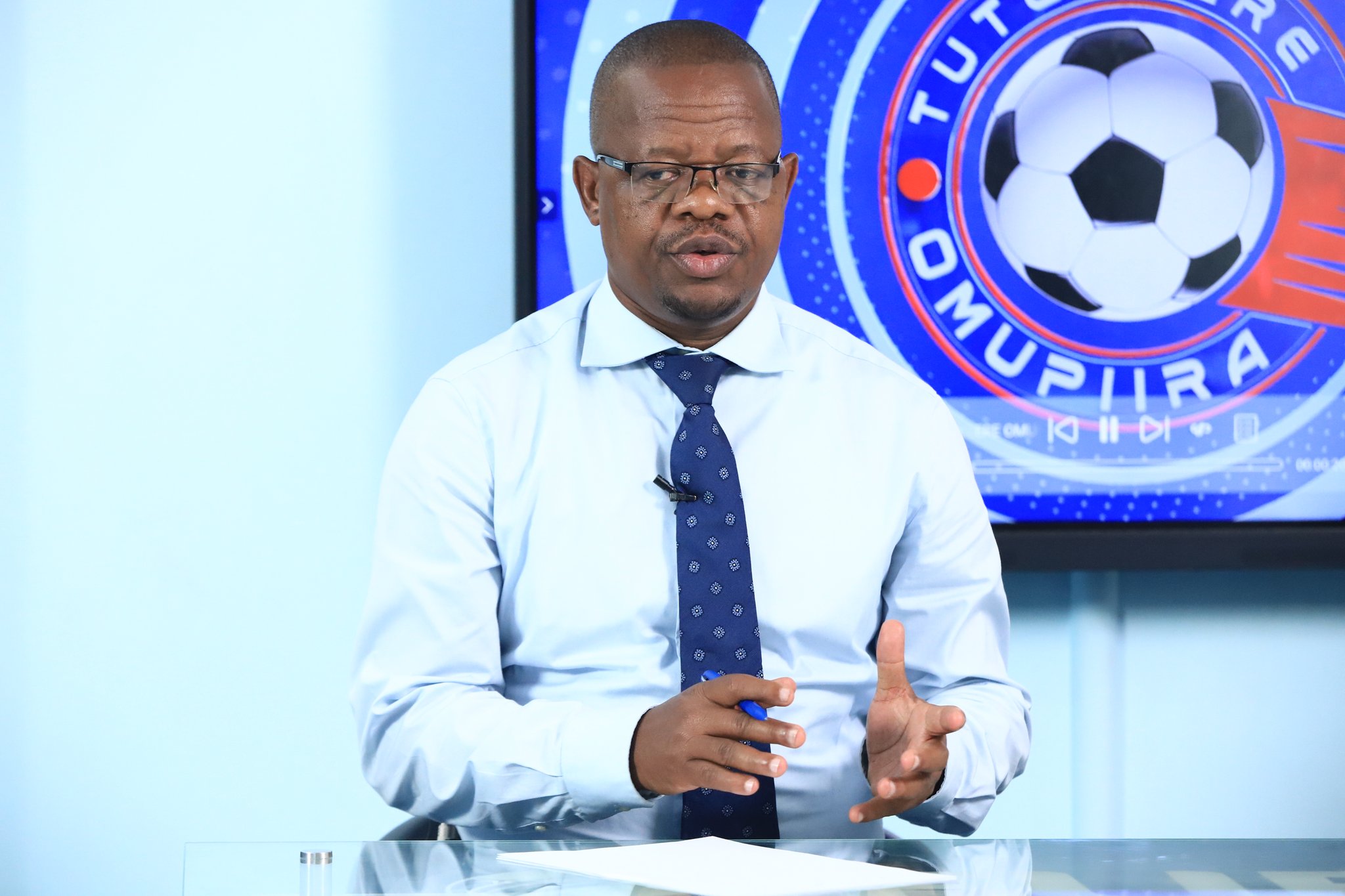
In the early hours of 19 January 2026, in the cold stillness of Rabat, where the TotalEnergies CAF AFCON Morocco 2025 was climaxing with a gruesome final between Senegal and hosts Morocco, sleep refused to come to Magogo Moses Hassim. As dawn edged closer, the President of the Federation of Uganda Football Associations (FUFA) lay awake, quietly absorbing a moment years had been building toward.
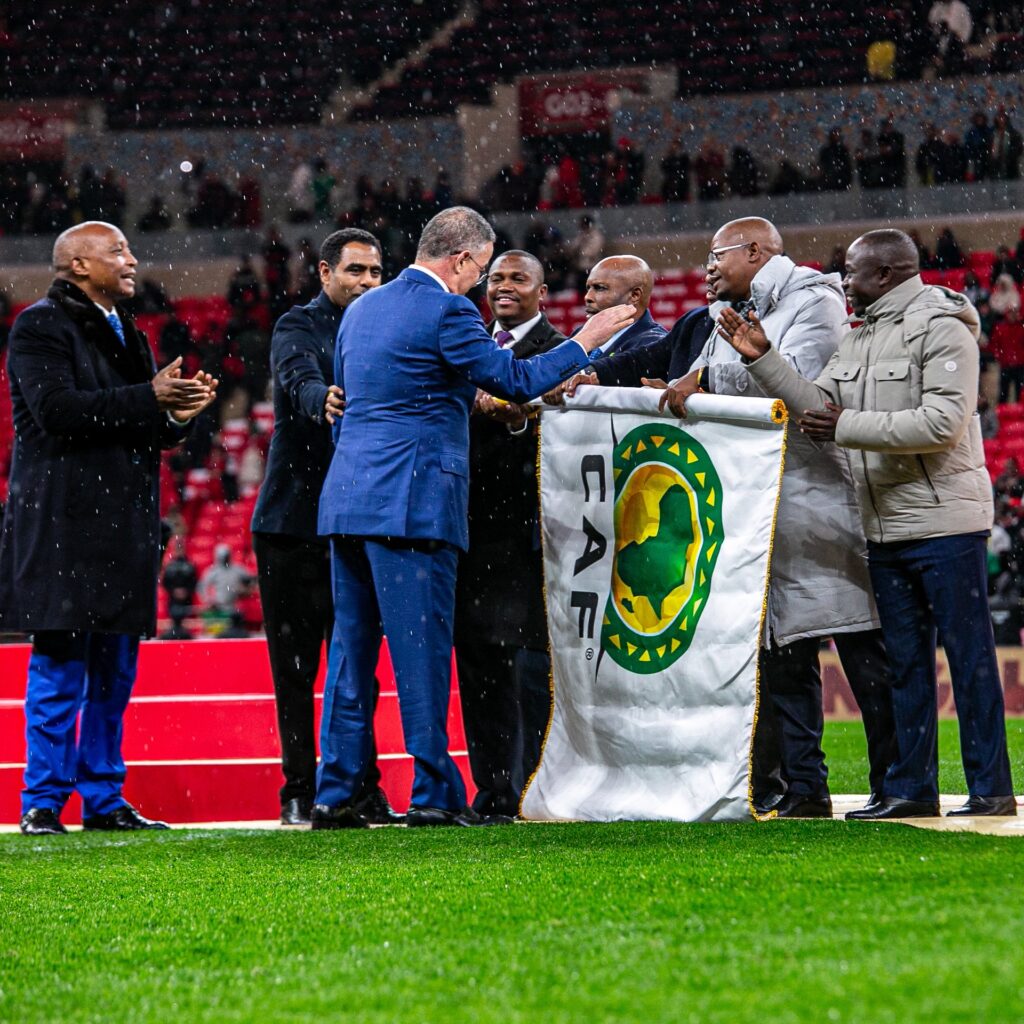
For a man whose tenure has been defined by historic firsts, it was not the long list of achievements that stirred him most. It was the realization that the Africa Cup of Nations (AFCON) would be hosted in Uganda within his lifetime. Uganda won the rights to host the continent’s premier tournament alongside neighbors Kenya and Tanzania under the Pamoja bid in 2023. That night in Rabat, the CAF flag for the 2027 TotalEnergies Africa Cup of Nations was ceremonially handed over to the Pamoja host nations of Kenya, Uganda and Tanzania.
Magogo’s leadership at FUFA has reshaped Ugandan football in ways once thought improbable. Under his stewardship, the Uganda Cranes returned to AFCON after a 40-year absence, qualifying four times in just ten years, while the Crested Cranes made their return to the Africa Women Cup of Nations after 22 years.
Beyond the pitch, Magogo pushed structural reforms that redefined the federation’s capacity. FUFA constructed a federation-owned stadium capable of hosting CAF Category 4 international matches, and launched a satellite television channel and FM radio station—a bold move that ensured the Uganda Premier League remained visible when commercial broadcasters were unwilling to invest.
Ugandan national teams qualified for continental competitions more than 20 times during his tenure. The U20 team reached two continental finals, while the U17 national team delivered stellar performances at Uganda’s first-ever FIFA World Cup, marking a generational breakthrough for youth football.
Magogo also positioned Uganda as a continental host, overseeing the successful staging of the country’s first CAF tournament—CHAN. At the policy level, his influence extended into Parliament, where he personally legislated for direct government funding of national teams and sponsored the Private Member’s Bill that became the National Sports Act of 2023, a landmark in Uganda’s sports governance framework.
Infrastructure became another defining pillar of his legacy. Government, spurred by sustained advocacy, renovated and constructed international-standard stadiums at Namboole, Hoima, and Aki Bua, alongside more than 12 training facilities nationwide. FUFA itself donated 24 acres of land toward the Hoima Stadium project, underscoring institutional commitment beyond rhetoric.
On the human side of the game, Magogo introduced medical insurance for players and referees in the top men’s and women’s leagues—a first in Ugandan football—and stabilized FUFA’s governance structures, bringing an end to long-standing internal conflicts that had stalled development for years.
Yet for all these accomplishments, it was the AFCON dream that lingered deepest in his reflections that January morning.
Hosting Africa’s premier football tournament represents more than sport. It is validation of long-term planning, institutional reform, and belief in Uganda’s place on the continental stage. For Magogo, it is a moment that transcends administration—a legacy milestone for a nation and a region.