


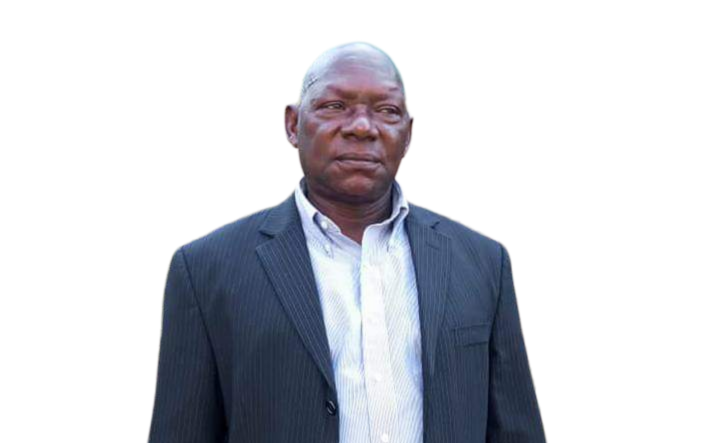
By Waiswa Michael Baluye
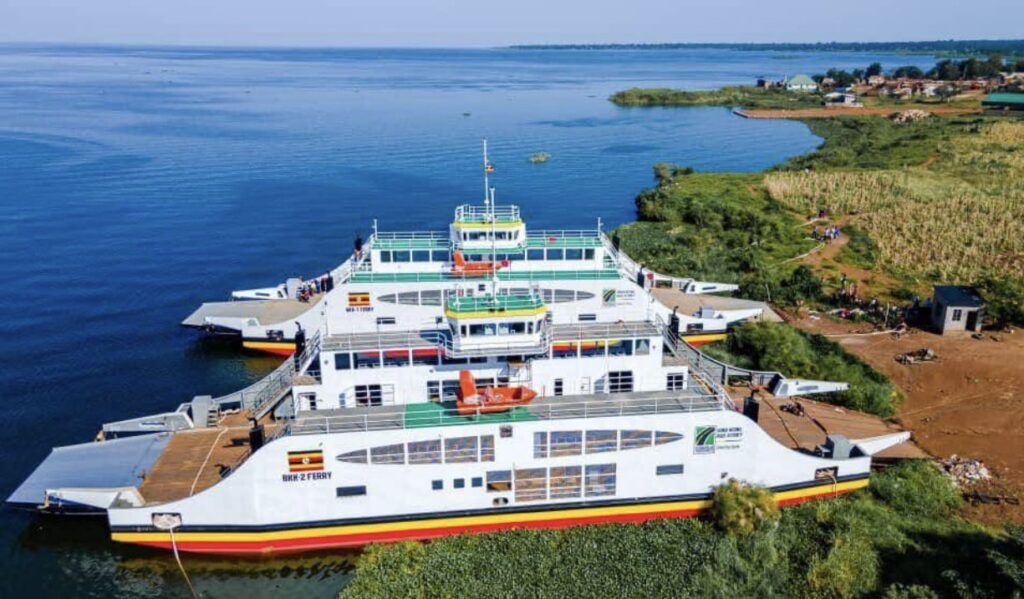
The recent commissioning of the MV Bukungu–Kagwara–Kaberamaido (BKK) ferries at Bukungu landing site in Buyende District marks a significant milestone for the people of eastern Uganda. These vessels are poised to deliver far-reaching benefits to communities across the Busoga, Lango, and Teso sub-regions, transforming transportation, trade, and regional integration.
The roots of this initiative stretch back over three decades. In 1990, the leaders of what was then Kamuli District petitioned President Yoweri Kaguta Museveni during his visit, urging the government to provide a ferry to connect the northern districts. This month, that long-standing promise has been fulfilled, demonstrating a concrete commitment to improving infrastructure and livelihoods in the region.
Below are the noted benefits for the people of the three sub-regions
Transforming Connectivity
Perhaps the most immediate impact of the BKK ferries is drastically improved connectivity. Travel across Lake Kyoga, which previously required an arduous journey of more than eight hours by road, can now be completed in approximately 1.5 hours by water. This rapid transit not only links Buyende in Busoga to Serere and Kaberamaido in Teso and near Lango, but also simplifies movement for residents, traders, and service providers, reducing the geographic isolation that has historically constrained these sub-regions.
Reducing Costs and Enhancing Safety
The ferry service, offered at no cost to passengers, makes travel considerably more affordable. Previously, long, circuitous road journeys were both expensive and unpredictable due to poor road conditions. The new ferries provide a safer, more reliable alternative, mitigating risks associated with treacherous road travel and unregulated water crossings.
Boosting Trade and Agriculture
The ferries are also expected to stimulate trade and strengthen agricultural markets. Farmers and traders transporting staples like cassava, groundnuts, sim-sim, and maize will now reach larger, more lucrative markets with greater efficiency.
Faster transit reduces post-harvest losses, particularly for perishable goods, while lowering transportation costs increases profitability for producers. These improvements create a ripple effect that can invigorate local economies across Busoga, Lango, and Teso.
Expanding Access to Services and Opportunities
Improved mobility opens doors to better education, healthcare, government services, and employment opportunities. Residents can reach hospitals and schools more easily, while entrepreneurs and small businesses gain access to broader markets and clientele. By connecting communities more effectively, the ferry service enhances both individual livelihoods and regional economic activity.
Strengthening Regional Integration
Beyond practical benefits, the BKK ferries promote social cohesion and economic integration. By linking Busoga, Lango, and Teso, the project fosters interregional cooperation, shared marketplaces, and cultural exchange, laying the foundation for stronger ties that transcend district boundaries.
Laying the Foundation for Future Development
The introduction of the ferry service complements ongoing infrastructure plans, including road improvements and transport network expansions. Together, these initiatives have the potential to unlock significant economic growth, attract investment, and stimulate broader development across the three sub-regions.
In conclusion, the ferries at Bukungu are more than just a mode of transport — they represent strategic infrastructure designed to reduce travel time and cost, enhance safety, stimulate trade, improve access to services, and strengthen economic integration. For the people of Busoga, Lango, and Teso, the BKK ferries are a tangible step toward a more connected, prosperous, and inclusive eastern Uganda.
Mr. Waiswa Michael Baluye is the ONC Coordinator for Buyende district