


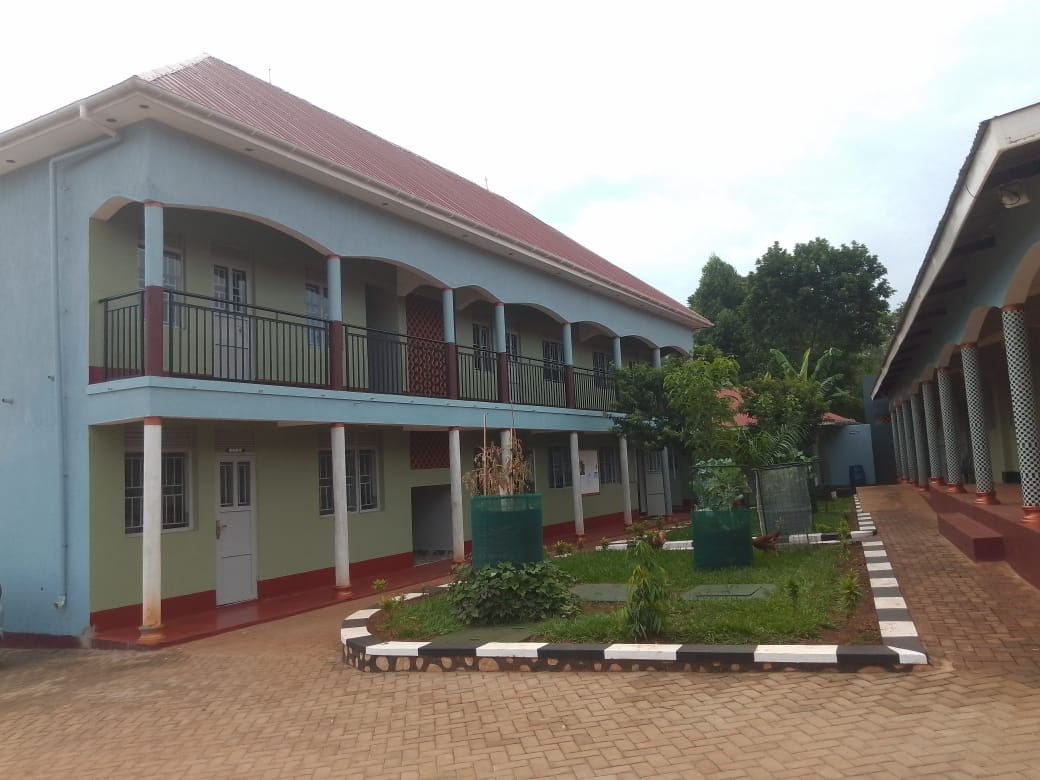
In the rolling landscapes of Jinja, a quiet transformation is taking root. At the Busoga Agricultural & Vocational Institute (BAVI), education is not confined to lecture halls or examination rooms. It is cultivated in gardens, tested in the field, and measured in real harvests.
With the launch of 100 scholarships for the 2026/2027 academic year, offering students the opportunity to study two semesters and intern abroad, the institute is positioning itself not only as a training centre, but as a model for community-driven agricultural excellence.
For Joel Sebwato, an administrator at BAVI, the vision extends far beyond enrolment numbers.
“We want this to be a model school that shows not only the learners but also the community what to do in farming and agribusiness. We are the first such school in Busoga and we want to be impactful,” Sebwato told Busoga Times in an interview recently.
The Institute, students can enroll for a Certificate in Agriculture, Diploma in Animal Production and Diploma in Crop Production. The courses are examined by Uganda Vocational and Technical Assessment Board (UVTAB), the body responsible for assessment and certification of competences obtained through formal and informal technical and vocational education and training.
A School With a Demonstration Mission
In a region where agriculture remains the backbone of household incomes, the gap between traditional practices and modern agribusiness methods often determines whether farmers merely survive or truly prosper. BAVI’s ambition is to bridge that gap.
Unlike institutions that focus solely on theory, the institute blends vocational training with practical, hands-on experience. Students are taught not just how to grow crops or manage livestock, but how to approach farming as a business, complete with planning, value addition and market awareness.
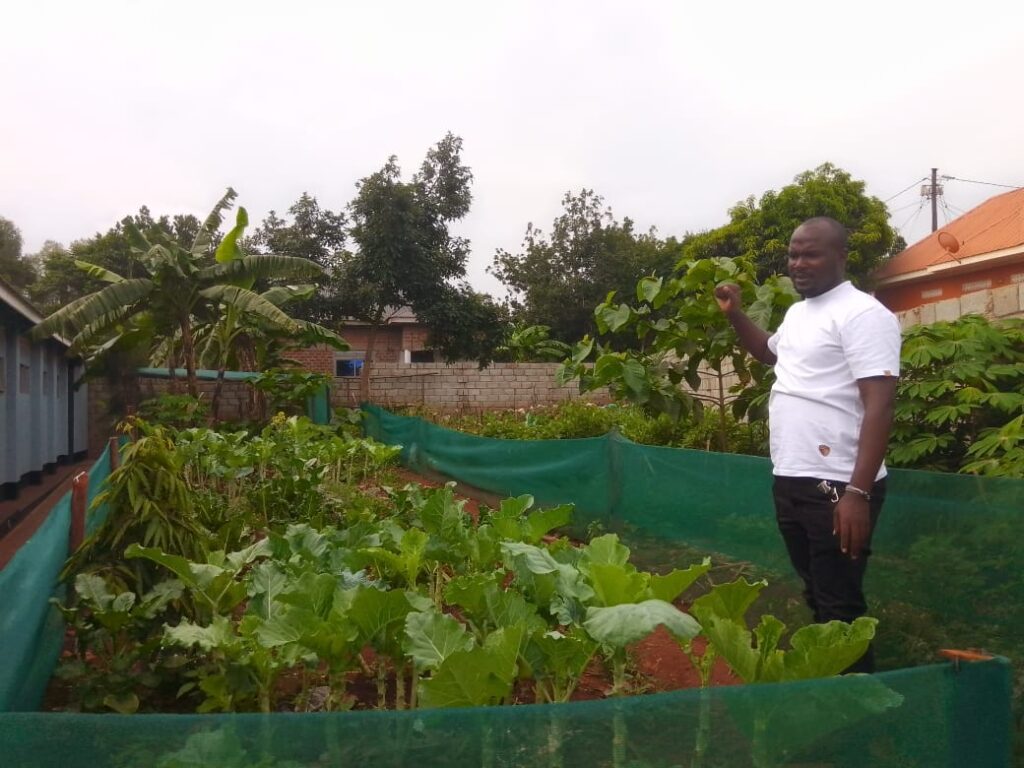
Sebwato believes this applied approach is what will set the institute apart. “We want people to see that what we teach here works when implemented and that it is what they need,” he explains. In other words, BAVI is determined to be a living example of its own curriculum.
Learning That Leaves the Campus
Central to the institute’s strategy is collaboration with local farmers. Rather than isolating learning within school boundaries, BAVI aims to embed its students in the very communities they are meant to serve.
“We want to collaborate with farmers in the community. Our learners should be able to put what they learn into practice by connecting them to farmers in the community,” Sebwato notes.
This community-linked model offers a dual advantage. Students gain real-world exposure, understanding the challenges farmers face daily. At the same time, farmers benefit from updated techniques, improved farm management practices and fresh ideas from the next generation of agripreneurs.
It is a partnership designed to create visible impact, one farm at a time.
Scholarships With Purpose
The newly announced scholarships reinforce this broader mission. By providing financial assistance for tuition and related expenses, the institute is widening access to students who may otherwise be unable to pursue agricultural or vocational training.
The inclusion of an international internship component further strengthens the value proposition. After two semesters of study, students will have the opportunity to intern abroad; gaining exposure to global best practices in farming and agribusiness.
When these students return, they do not simply bring certificates. They bring new perspectives, refined skills and expanded networks that can elevate local production systems.
Planting Seeds of Regional Leadership
As the first institution of its kind in the Busoga sub-region, BAVI is conscious of the responsibility that comes with being a pioneer. The goal, according to Sebwato, is not just to graduate students, but to influence how farming is practiced and perceived.
By demonstrating that agriculture can be innovative, profitable and professionally managed, the institute hopes to shift mindsets; particularly among young people who may view farming as outdated or unviable.
If successful, the impact will ripple outward: skilled graduates supporting local farmers, stronger agribusiness enterprises emerging from rural communities, and a region better equipped to compete in national and regional markets.
In many ways, BAVI’s scholarship campaign is more than an admissions drive. It is an invitation to students, to farmers and to the wider community, to reimagine agriculture as a dynamic, modern and transformative sector.
And as Sebwato puts it, the ultimate goal is simple yet ambitious: to show, not just tell, that what is taught in the classroom truly works in the field.