


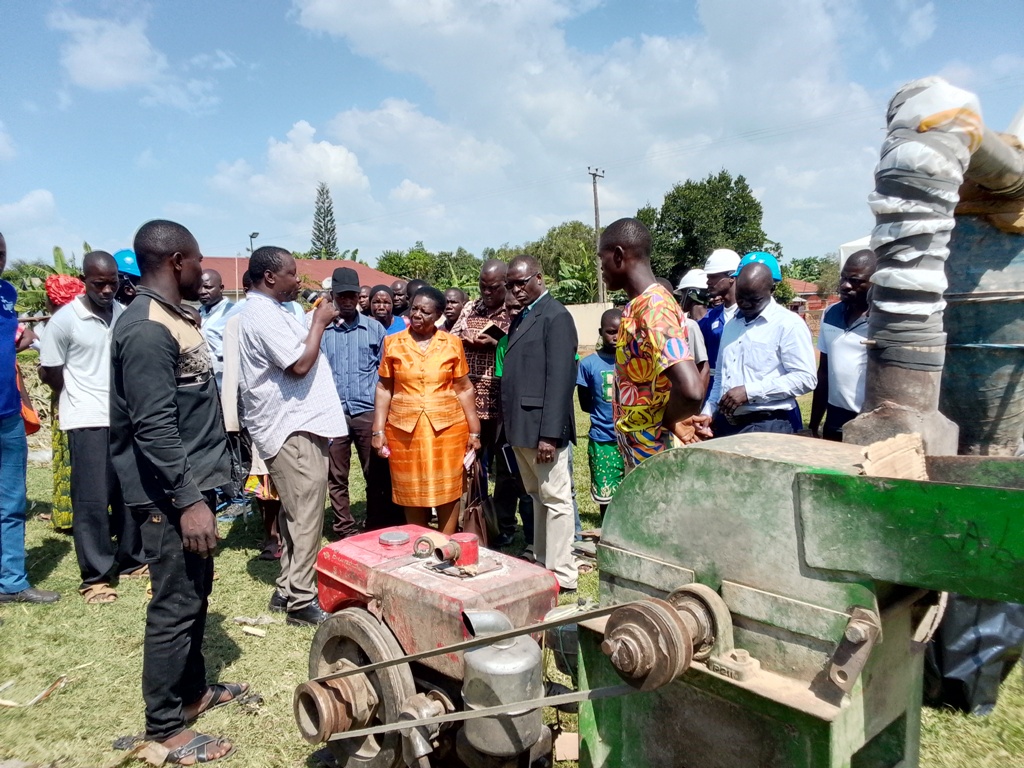
From December 12‑15, the Green Belt and Kaliro Country Resort will host the 10th Olwekobaano Energy Expo and Conference, a four‑day showcase that has become the catalyst for transforming tKaliro district into Eastern Uganda’s “clean‑energy hub.”
The theme—“Taking affordable, reliable & clean energy to more people and places using strategic partnerships”—captures a decade‑long journey in which solar panels, biogas, electric mobility and regenerative agriculture have moved from luxury concepts to everyday necessities for households, farms, schools and businesses across the district.
A Decade of Momentum
When the inaugural expo arrived in Kaliro, most residents recalled seeing solar lanterns and bio‑energy kits only on photographs. Today, the district’s health centres illuminate maternity wards with solar power, farmers irrigate year‑round using photovoltaic pumps, and schools run on clean‑energy micro‑grids.

“The expo turned perception into practice,” says Dr. Charles Mbalyohere, President of Busoga Yaiffe and chief organizer of the Olwekobaano Energy Expo. “Kaliro has become a learning centre where policymakers, innovators and rural households converge to explore what clean energy can achieve. Our consistency, community engagement and openness to innovation have made the district the ideal home for this event.”
Local Government Backs the Vision
Kaliro’s leadership has long championed the expo’s objectives. Assistant Resident District Commissioner Kiduma Rogers praised the event’s impact on the local economy, agriculture and environmental stewardship.
“The expo is reshaping mind‑sets and equipping our communities with the skills needed for productive land use. I encourage every attendee to apply what they learn so we can boost household incomes and strengthen our region,” Kiduma said during a recent interview with Busoga Times.
Grassroots Stories of Change
For many residents, the expo has rewritten personal narratives.
“Before the expo, Kaliro was rarely mentioned in conversations about technology or innovation. Now we lead in solar home systems, improved cookstoves and irrigation solutions,” says Sam Jumbwike, a businessman who has watched the district’s reputation grow.
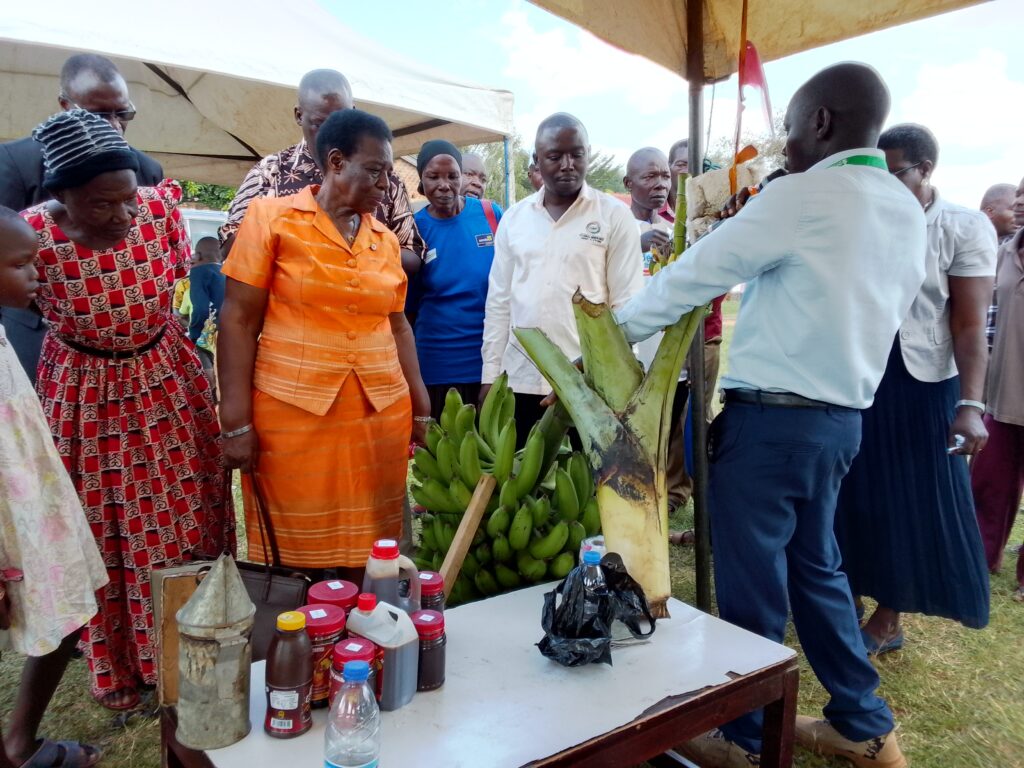
Nawaikoke farmer John Wako attributes a tripling of his vegetable income to a solar‑powered irrigation pump he purchased at the 2024 expo. “I can grow tomatoes and leafy greens all year, even during the dry season. The market has expanded and so has my family’s wellbeing,” Wako explained.
In the town of Buyinda, mother of three, Grace Namukose, credits a solar lighting kit from the expo with giving her children a safe, well‑lit space to study after dark, while eliminating hazardous kerosene fumes.
Health Services Light Up with Solar
A hallmark of each edition is a free health camp, and the 2025 event is set to serve at least 1,500 patients. Kaliro District Health Educator Julius Kiduka attributes improved health‑service delivery to the expo’s solar initiatives.

“Our maternity wards now run on reliable solar power, refrigeration for vaccines is uninterrupted, and laboratory equipment operates without diesel generators. These upgrades began with contacts made at the Olwekobaano expos,” he said.
Kiduka adds that the upcoming health camp will provide diagnostics, maternal care and health education under one roof, urging residents from Kaliro and neighboring districts to attend in large numbers.
Environmental Gains Take Root
The district’s Natural Resources Officer, Paul Diogo, highlighted measurable ecological benefits.
“Adoption of improved cookstoves and biogas digesters has reduced pressure on our forests. Solar irrigation replaces diesel pumps, cutting emissions and fuel costs. Clean energy is now seen not just as technology but as a pathway to environmental protection,” Diogo stated.
Business and Innovation Thrive
Local entrepreneurs report a reshaped commercial landscape. “Our shop used to stock only basic radios and phones. Now we sell solar lanterns, smart chargers, water‑pumps and energy‑efficient appliances—a market created by the expo,” says Kaliro Town trader Michael Waiswa.
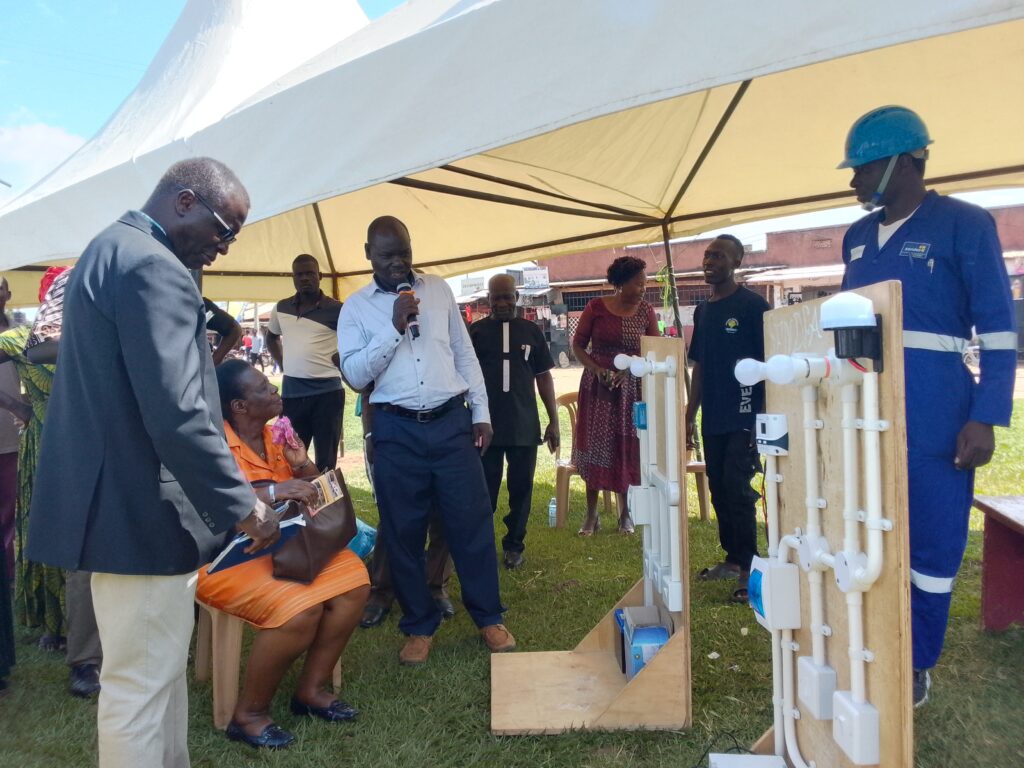
A nearby restaurant has switched to solar lighting, security cameras and refrigeration, resulting in lower operating costs and higher customer satisfaction.
Young innovators also find Kaliro an ideal testbed. “The community here is eager to try new technologies. We use the expo to pilot solar‑powered irrigation prototypes, and the feedback is honest and invaluable,” says Peter Mukose, who showcases her water‑purification system each year.
Partnerships Fuel the Future
Each edition of the expo draws NGOs, solar firms, universities and government agencies into collaborative agreements. “We’ve forged new partnerships with NGOs, solar manufacturers, research institutions and the Ministry of Energy. These collaborations have spurred investment, skills training and community awareness,” Mbalyohere notes.
Youth groups trained in solar installation now run their own service cooperatives, extending clean‑energy solutions to remote villages. “We were inspired by past expos, and now we’re the ones providing solar setups across the district,” says Solar Youth Initiative coordinator David Okwera.
Looking Ahead
As the countdown to the 10th Olwekobaano Energy Expo ticks down, organizers anticipate over 200 exhibitors, several workshop sessions and a roster of regional policymakers poised to witness Kaliro’s transformation firsthand.
“Kaliro is proof that when communities are empowered, informed and connected to opportunity, they become leaders in their own transformation,” Dr. Mbalyohere affirmed.
The expo’s final day will culminate in a public forum where district officials, expo partners and beneficiaries will chart a roadmap for scaling renewable‑energy adoption beyond Kaliro’s borders.