


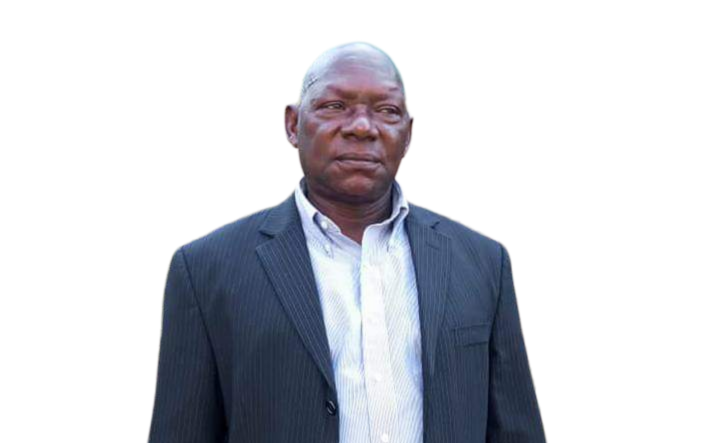
By Waiswa Michael Baluye
The National Resistance Movement (NRM) government has consistently emphasized two main pillars of development in Uganda: social development and economic development. These two aspects are complementary, aimed at improving the welfare of citizens while building a strong, productive economy.
Building Human Capital through Education
At the core of social development is the government’s commitment to education, which is viewed as a tool for empowering citizens and improving quality of life. Two key programs illustrate this focus:
The government’s education initiatives provide free primary education for all children through Universal Primary Education (UPE), aiming to increase literacy and ensure that every Ugandan attains basic education. Building on this foundation, Universal Secondary Education (USE) expands access to affordable secondary schooling, allowing students to continue learning beyond primary level and equipping them with the knowledge and skills needed for higher education or the workforce.
Impact on Social Development
These education initiatives have had a significant impact across Uganda. They have led to increased school enrollment nationwide and improved literacy levels, equipping students with essential skills for personal and professional growth. By providing equitable access to learning, they have reduced educational inequality, ensuring that children from all backgrounds can benefit. Moreover, they have empowered citizens to participate meaningfully in national development, laying the foundation for a more informed, skilled, and engaged population.
In short, through UPE and USE, education becomes a strategic tool for building human capital and enhancing social well-being.
Promoting Prosperity for All
Economic development under the NRM focuses on increasing household incomes, productivity, and self-reliance. Several flagship programs highlight this approach:
The NRM government has implemented several flagship programs to drive economic development and improve livelihoods. Prosperity for All (Bonna Bagaggawale) seeks to uplift every Ugandan household through targeted wealth creation initiatives. Operation Wealth Creation supports farmers with seeds, livestock, and training to enhance agricultural productivity, while the Parish Development Model organizes local communities to encourage entrepreneurship and community-based economic growth. Collectively, these programs aim to increase household incomes, reduce poverty, promote agriculture, trade, and small business growth, and strengthen local economies through targeted support and capacity-building.
Impact on Economic Development
These programs have had a transformative impact on local communities. Farmers receive essential inputs and skills to boost agricultural productivity, while entrepreneurs gain support and guidance to start and grow small businesses. As a result, job creation and increased household incomes improve livelihoods, and stronger local economies contribute to broader national growth and sustainable development.
In brief, these initiatives are designed to create wealth, improve livelihoods, and drive Uganda toward sustainable economic development.
Conclusion
Embracing both social and economic development is essential for Uganda’s progress. While education builds capable, informed citizens, prosperity programs provide the means to improve incomes and livelihoods. Together, they form the foundation for a more equitable, productive, and prosperous Uganda.
Mr. Waiswa Michael Baluye is the ONC Coordinator for Buyende district