


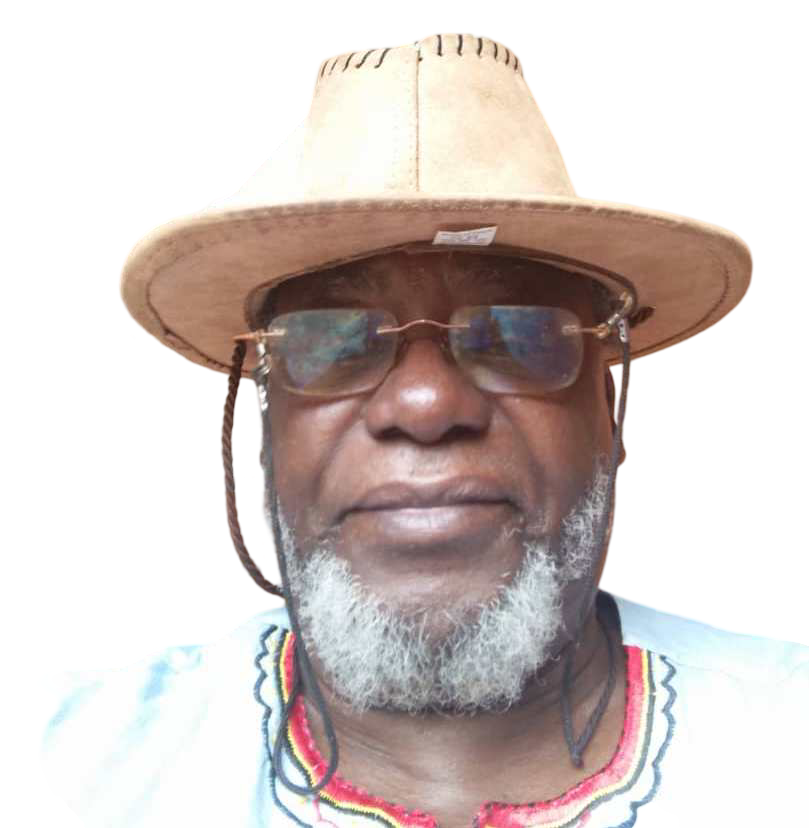
By Oweyegha-Afunaduula
Introduction: A Nation Submerged in Pollution
Uganda’s environment is not merely trees, animals, and water. It has four inseparable dimensions: the ecological-biological, the socioeconomic, the sociocultural, and the temporal (time). Anything new introduced into this environment is, by definition, a pollutant — whether solid or non-solid, organic or inorganic. Its influence will register across one, several, or all four dimensions.
This article argues that Uganda has become a dumping ground for wastes — including human beings as solid pollutants — because of profound failures in knowledge systems, governance, and ethics. Unless we adopt team sciences (inter-, cross-, trans-, and extra-disciplinarity), we will continue generating complexities we cannot solve. The consequences are already existential, as history shows: when European human pollutants invaded the Americas, Australia, and New Zealand, the Red Indians, Aboriginals, and Maoris lost their lands and futures. They are now foreigners in their former lands. Uganda must wake up.
1. Who Are the Solid Pollutants of the Human Type?
· Cross-border refugees: People fleeing war, famine, or persecution from neighboring countries (e.g., South Sudan, DRC, Burundi, Somalia) who enter Uganda.
· Imported enforced refugees: People brought to Uganda under international relations agreements, including from Afghanistan and the USA. These are not fleeing Uganda’s neighbors; they are deliberately placed here.
· Internal refugees: Ugandans displaced by conflicts (e.g., Karamoja, Rwenzori), land grabs, floods, or landslides, forced to migrate to unfamiliar parts of the country.
All these are solid pollutants because they are physical human bodies entering an environment alien to them. Once they arrive, they interact with all four dimensions of Uganda’s environment — often without the host society’s conscious preparedness.
2. What Happens When Human Solid Pollutants Enter Uganda’s Multidimensional Environment?
Dimension Influence / Impact / Implication
Ecological-biological Deforestation for refugee settlements (e.g., Bidibidi, Kyangwali); pressure on water sources; introduction of new crop pests or livestock diseases; altered wildlife migration routes.
Socioeconomic Strain on health services, schools, and roads; inflation of local food prices; competition for casual labor; aid dependency; emergence of black markets.
Sociocultural Language barriers; inter-ethnic tensions; changes in marriage patterns; rise in gender-based violence in overcrowded settlements; erosion of host community traditions.
Temporal (time) Short-term humanitarian relief creates long-term structural problems (e.g., soil exhaustion, protracted camp populations, second-generation statelessness).
Example: In Kyaka II refugee settlement (Kyegegwa district), over 170,000 Congolese and South Sudanese refugees have lived for more than a decade. The ecological damage (firewood collection, wetland encroachment) and sociocultural friction (land ownership disputes) are now permanent features. Yet Uganda’s disciplinary education system has produced no team-based, long-term solution.
3. The Root Cause: Disciplinarity and Environmental Ignorance
Uganda’s education system remains rigidly disciplinary. It produces graduates who can solve small, simple problems for individual glorification — but cannot address wicked problems like pollution in all its dimensions.
We must distinguish the team sciences:
· Interdisciplinarity: Integrates methods from different disciplines to address a common question.
· Crossdisciplinarity: Views one discipline’s problem through the lens of another (e.g., physics informing biology).
· Transdisciplinarity: Works across disciplines and includes non-academic knowledge (community, indigenous).
· Extradisciplinarity: Does not presume disciplines exist at all. It starts from the problem itself and assembles whatever tools — from AI, big data, indigenous knowledge, art, spirituality — are needed.
Disciplinarity is a reason Uganda became a dumping ground. Why? Because disciplinary thinking cannot track a solid human pollutant across ecological, economic, cultural, and temporal dimensions simultaneously. Instead, it generates narrow solutions (e.g., “build more latrines”) that create new complexities (e.g., groundwater contamination, social conflict over latrine use). We spend more energy solving nothing.
4. Other Reasons Uganda Accepts Wastes
· Environmental bankruptcy: No national accounting of carrying capacity. We do not know how many human pollutants our environment can absorb.
· Environmental corruption: Officials accept bribes to permit waste dumping (e-waste, used clothing, defective vehicles).
· Environmental ignorance: Most citizens and leaders cannot read pollution impacts across four dimensions.
· Environmental manipulation: We project ourselves as “civilized” and “hospitable” to win foreign approval, even at our own expense.
· Political corruption & authoritarian decision-making: Refugee quotas and waste import permits are decided without parliamentary or public debate.
· International relations blackmail: Uganda receives “enforced refugees” from Afghanistan and the USA because saying “no” would mean losing aid or diplomatic favor.
· Craze for acceptance: We want to be seen as a generous nation, forgetting that generosity without boundaries is self-destruction.
· Power retention: Accepting human solid pollutants from powerful countries signals that we do not challenge global governance — and they will not challenge Uganda’s internal failed governance.
· Greed, deep state, and mafiasm: Behind-the-scenes deals import solid waste (e.g., second-hand polythene clothing, third-hand trucks) because someone profits. The public never sees the contracts.
5. Dumping in Africa: The Known and the Hidden
Africa has long feared nuclear waste dumping. But Uganda already suffers visible solid waste dumping:
· Second-, third-, fourth-hand vehicles: They clog soils, leak oil, and are abandoned in wetlands.
· Second-hand nylon and polythene clothing: These non-biodegradable textiles block drainage, enter food chains via soil and water, and release microplastics.
Example: Owino Market (Kampala) receives container loads of used clothes from Europe and China. Up to 40% are unsellable synthetic rags, which end up in landfills or burned, releasing dioxins. The ecological-biological and temporal dimensions are poisoned for decades.
6. Overall Long-Term Implications
Dimension Long-Term Outcome
Ecological Soil infertility, water toxicity, loss of biodiversity, microplastics in human blood and breast milk.
Socioeconomic Permanent underclass of camp-dwelling refugees; host communities impoverished; national debt from humanitarian appeals.
Sociocultural Loss of Ugandan identity; rise in xenophobia; breakdown of clan-based safety nets.
Temporal Irreversible changes: polluted aquifers take centuries to clean; second-generation refugees born in Uganda still denied citizenship; historical amnesia about who once owned the land.
History’s warning: When European human pollutants arrived in the Americas, the Red Indians were outnumbered and outgunned. Today, Red Indians live on reservations — foreigners in their own origin. When the same happened in Australia, Aboriginals lost sacred lands. In New Zealand, Maoris now fight for rights in courts. Uganda is on the same trajectory unless we act now.
7. Recommendations: From University to Extraversity
We cannot solve 21st-century pollution with 19th-century disciplinary universities. We need new institutions:
· Interversity: Problem-focused, integrating disciplines.
· Crossversity: Each problem viewed through multiple disciplinary lenses.
· Transversity: Academia + community + indigenous knowledge systems.
· Extraversity: No disciplines assumed. Uses Internet and AI as native tools — capable of multivariate, real-time analysis of pollutants across all environment dimensions.
Extraversity is crucial because AI does not think in physics, sociology, or biology silos. It sees patterns across all dimensions simultaneously. Uganda must begin pilot extraversities within five years.
8. Immediate Actions for Rulers and Non-Rulers
For rulers:
· Declare a national carrying capacity audit for human solid pollutants.
· Stop importing enforced refugees from outside Africa.
· Ban second-hand polythene clothing and defective vehicle imports.
· Replace Ministry of Education with Ministry of Team Sciences and Extraversity.
For non-rulers:
· Demand environmental literacy in all four dimensions.
· Reject the craze for being called “civilized” by former colonial powers.
· Organize community-based environmental courts to monitor waste dumping.
· Remember: When human pollutants take over, the original inhabitants become foreigners in their own land.
Conclusion: A Matter of Life and Death
Uganda is not poor in knowledge. We are poor in courage to abandon disciplinarity. Every day we delay, more solid human pollutants arrive — from South Sudan, from Afghanistan, from the USA. Each arrival reshapes our ecological-biological, socioeconomic, sociocultural, and temporal reality without our conscious consent. The Red Indians, Aboriginals, and Maoris cannot return their lands. Uganda still can. But only if we see pollution in all its dimensions, name human beings as solid pollutants when they arrive unplanned, and build extraversities to manage complexity with multivariate wisdom instead of univariate ignorance.