


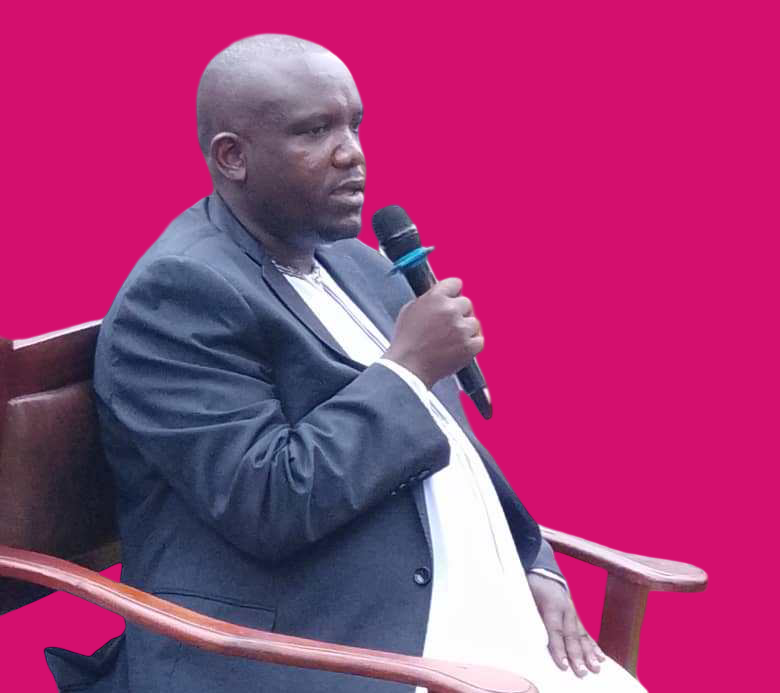
The Bakenye community has moved to dispel what it describes as “misleading and unfounded” reports suggesting that it is establishing a kingdom, clarifying instead that it is forming a lawful cultural institution grounded in Uganda’s constitutional framework.
In an official statement issued Wednesday by the Office of the Spokesperson of the Bakenye Cultural Union, the community said recent public discourse following the election of its first cultural leader, the Omugungumali Yaaya W’aBakenye, had sparked confusion about its intentions.
“The claim that the Bakenye intend to establish a kingdom is false, unfounded, and misleading,” the statement read.
The leadership emphasized that the institution is being formed in line with Article 246 of the Constitution of the Republic of Uganda (1995) and the Institution of Traditional or Cultural Leaders Act, 2011—legal provisions that recognize cultural leaders but explicitly limit their roles to non-political functions.
According to the statement, the new institution will not exercise administrative, legislative, or executive authority, nor will it engage in partisan politics. Instead, it is intended to serve as a custodian of the community’s cultural heritage, traditions, and identity.
“The office of the Omugungumali Yaaya W’aBakenye is a symbol of unity and cultural leadership, not political governance,” the statement noted.
The Bakenye leadership also underscored its commitment to operating within the legal boundaries governing cultural institutions in Uganda, including refraining from assuming state functions or operating as a political entity.
The formation of the institution is aimed at preserving the Bakenye people’s heritage and language, fostering unity among members of the historically dispersed community, and promoting social development, particularly among youth and women.
The statement further highlighted longstanding misconceptions about the Bakenye identity, noting that some members of the public have incorrectly referred to them as “Kenyans.” Leaders say the recent attention should instead be used as an opportunity to educate the public about the community’s roots and cultural distinctiveness.
They called on media houses and the public to exercise responsibility in reporting and information sharing by verifying facts and avoiding inflammatory narratives.
“The Bakenye are not forming a kingdom. They are lawfully establishing a cultural institution as provided for under the Constitution and laws of Uganda,” the statement emphasized.
The community described the initiative as peaceful and aligned with national values of unity in diversity, reaffirming its commitment to contributing positively to Uganda’s cultural landscape.