


A land dispute involving Busoga University’s agricultural study centre in Kamuli District has intensified, with residents accusing authorities of forceful evictions without compensation.
The university, now a government-owned institution following its takeover from the Church of Uganda, operates a branch in Bukwenge, Northern Division of Kamuli Municipality. The campus sits on approximately 98 acres of land, covering nearly half of the village.
However, some residents who say they originally offered land for the university’s development claim they have never been compensated and are now facing eviction.
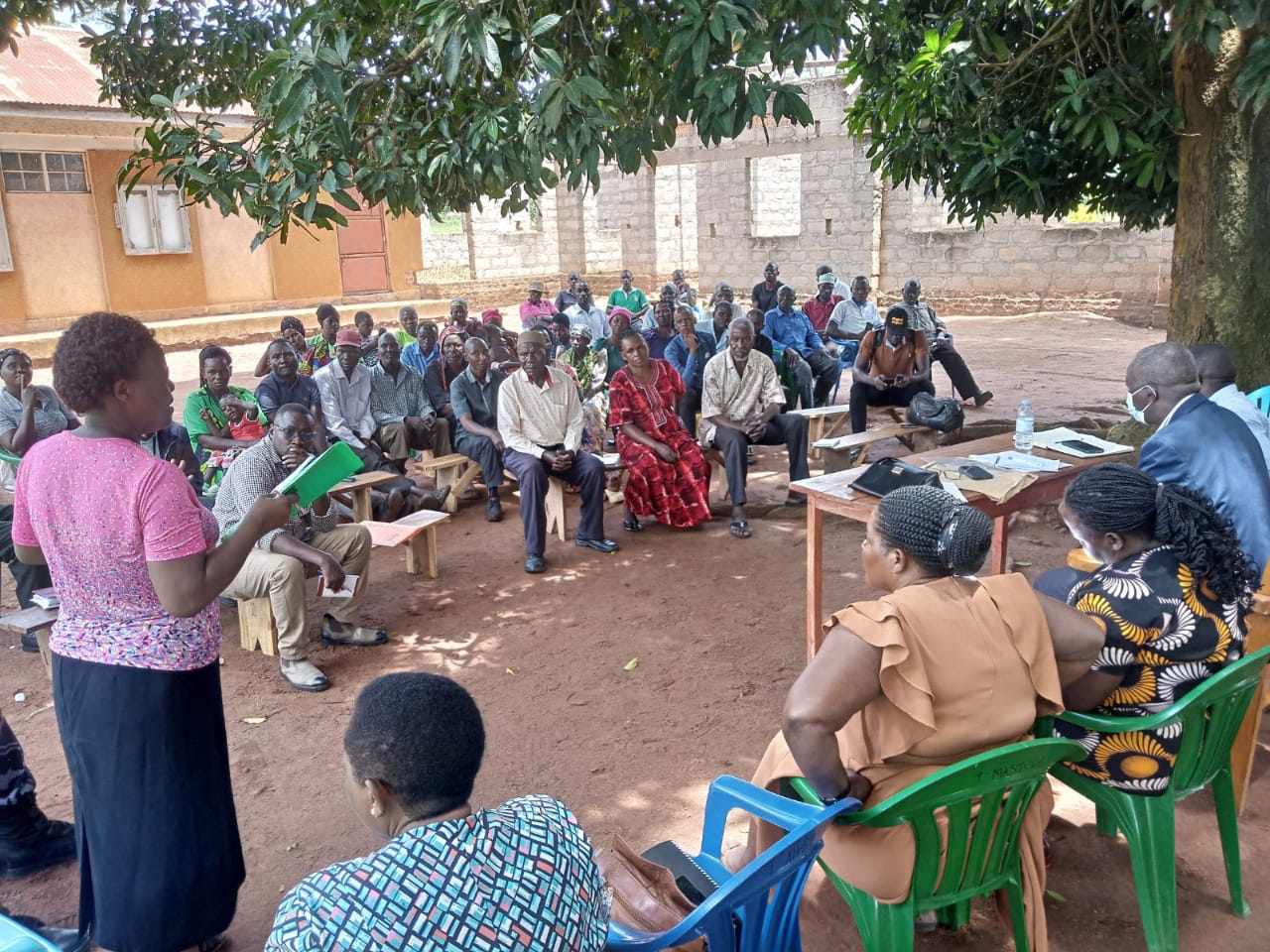
“We have occupied and maintained this land for over 40 years, but we have not yet been paid,” some of the affected residents said during a stakeholders’ meeting.
The meeting, held at the campus and led by Mafumo Adonai, sought to address the growing tensions. Mafumo directed that residents be given an opportunity—on designated days within a one-month period—to present their land claims to a university task force for verification and possible compensation.
He also instructed university security to allow residents to continue accessing and cultivating their gardens as the verification process progresses.
The Chairperson of the task force for the re-establishment of Busoga University as a public institution, John Tabuuti, urged claimants to present clear evidence of land ownership to facilitate an organized compensation plan.
Meanwhile, the LC3 Chairperson of Northern Division in Kamuli Municipality called for a transparent and peaceful process, emphasizing the need for thorough investigations into the land ownership claims.
Kamuli District Chairperson, Sarah Sambya, criticized the Church of Uganda, accusing it of misleading the government by claiming that bonafide occupants had been compensated.
She appealed to the government to ensure that all verified claimants who were not compensated receive due payment.
Other stakeholders present at the meeting included Mugarura Henry, Assistant RDC Rechae Bakaki, and Katwalo Mulungi.
The dispute highlights ongoing land ownership challenges surrounding public institutions, particularly where historical claims and compensation processes remain unresolved.