


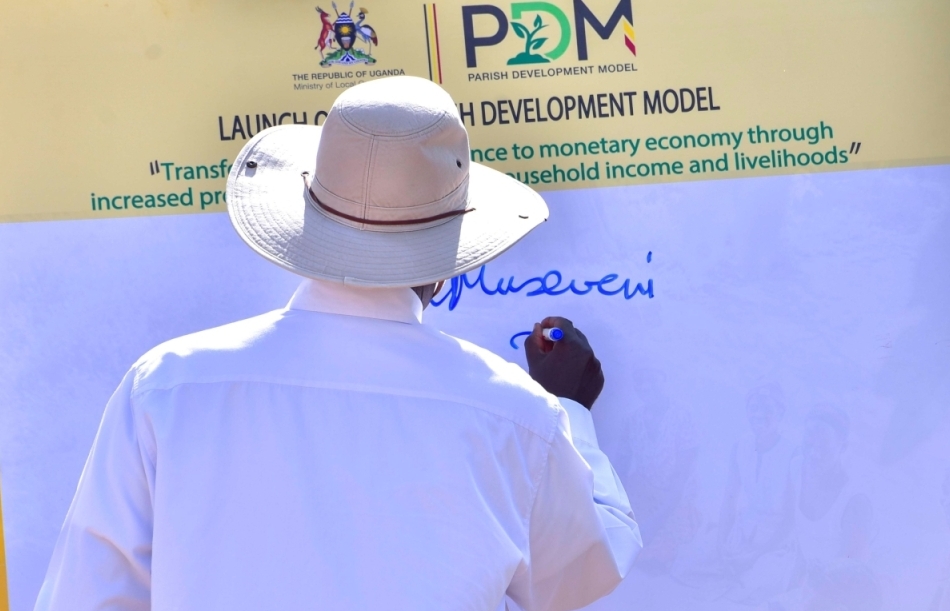
The Auditor General, Edward Akol, has disclosed that only UGX 9.34 billion has been recovered from 18,105 beneficiaries in 709 Savings and Credit Cooperative Societies (SACCOs) across 30 local governments (LGs) as of January 2026, out of the UGX 3.258 trillion allocated to the Parish Development Model (PDM) in 2022.
This revelation was made during the presentation of the December 2025 Annual Audit Report to Parliament’s Speaker, Anita Among.
The PDM, a grassroots development initiative introduced in 2022 as part of President Yoweri Museveni’s government, aims to channel funds directly to local communities via SACCOs for infrastructure and development projects. However, the report highlights systemic challenges undermining its effectiveness.
Key Challenges Outlined
Akol identified critical issues, including funding of “ghost projects” (non-existent or fabricated initiatives), delays in disbursing funds to households, implementation of ineligible projects, diversion of funds for personal or unauthorized use, and duplicate recipients who received funds more than once.
“It is concerning that only 18,105 beneficiaries in 709 SACCOs out of the 10,589 PDM SACCOs have commenced voluntary recovery, and there is no evidence of preparedness in all LGs,” Akol stated.
He further noted that of the UGX 3.258 trillion released to SACCOs, only UGX 2.750 trillion (84%) was disbursed to households by the end of the 2024/25 fiscal year, leaving UGX 508.6 billion (16%) unutilized.
Speaker Calls for “Whip” in Fund Oversight
In response, Speaker Anita Among urged Akol to intensify auditing efforts to ensure transparency. “We want you to use the whip. This money should go to the right people,” she emphasized, stressing that the PDM’s success is a key reason for the NRM’s electoral victories.
“Most of the votes we got were because of people who received the PDM funds rightfully. But delays, duplication, and misalignment of projects must be addressed,” Among said, citing the need for accountability.
She criticized mismanagement, such as delayed disbursements and unregulated allocation, which she argued disproportionately benefit the wealthy while marginalizing poorer communities.
“We cannot appropriate money and see 70% of the rich getting it while 30% are left with nothing. This is your team’s task to uncover,” she added.
What’s at Stake?
The PDM’s intended goal is to empower communities by directing funds to local projects. However, the audit report paints a picture of significant mismanagement, with critics alleging widespread corruption. The low recovery rate and unutilized funds underscore gaps in oversight and implementation.
As the government scrambles to salvage the initiative, the Speaker’s call for stricter auditing reflects growing public demand for accountability. With upcoming elections in 2026, the integrity of PDM could significantly influence voter trust.
Next Steps
The Auditor General’s office has yet to outline specific measures to address the identified issues, but Among’s statements signal increased political pressure to act. The fate of the remaining UGX 508.6 billion and the 99% of SACCOs not part of the voluntary recovery process remain under scrutiny.
Context: The Parish Development Model (PDM) replaced the Local Government Finance Act in 2021, aiming to decentralize resource allocation to parishes (the smallest administrative unit in Uganda). Savings and Credit Cooperative Societies (SACCOs) serve as intermediaries, disbursing funds to households for community projects.