


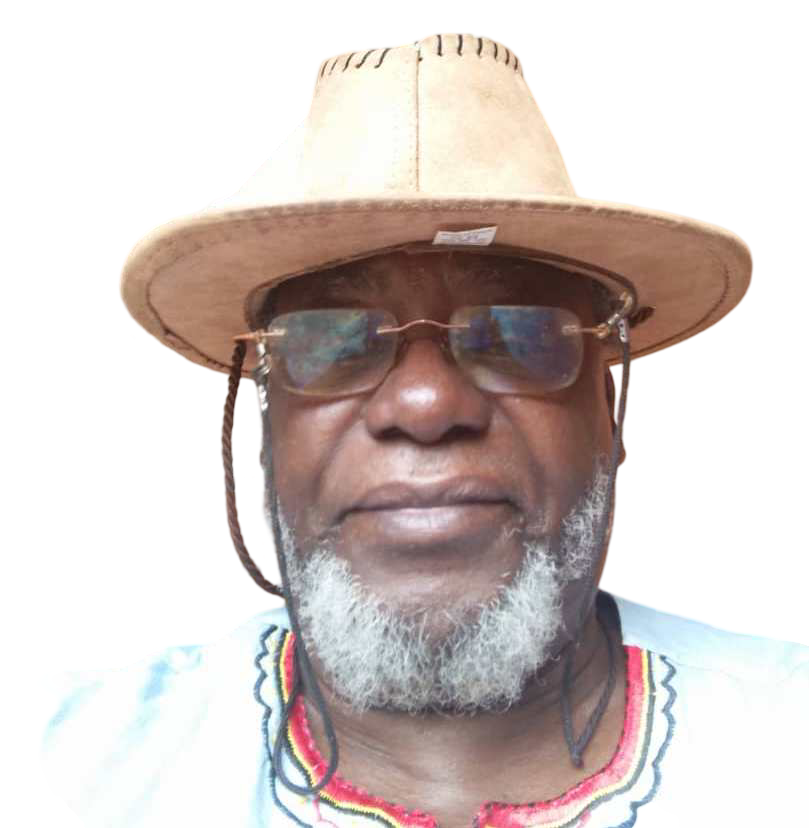
By Oweyegha-Afunaduula
Uganda’s democratisation process has been marred by the personalist rule of the National Resistance Movement (NRM), led by President Yoweri Museveni. The NRM’s manipulation of the 1995 constitution, including the removal of term limits and age limits, has entrenched Museveni’s grip on power. The NRM has also pirated the judicial system, paving the way for the UPDF Act 7/2025, which allows military justice to apply to civilians. This has effectively militarized Uganda’s justice system, undermining democratic principles and institutions.
Historical Context
The National Resistance Movement (NRM) came to power in 1986, led by President Yoweri Museveni, following a guerrilla war. This marked a significant shift in Uganda’s history, with the NRM, largely composed of refugees, capturing power. The NRM subsequently crafted the 1995 Constitution, which has been criticized for favoring certain groups, including the creation of the Banyarwanda as an indigenous group, despite lacking a natural belonging and identity in Uganda. This artificial creation has had significant implications for Uganda’s history and politics over the past 40 years
The Personalist NRM
Tibuhaburwa Museveni remains unchallenged as Chairman of the National Resistance Movement (NRM), and is ritually the sole presidential candidate of NRM in the elections it organizes. The Chairmen and members of the Uganda Electoral Commission are always NRM cadres, single-handedly appointed by Museveni, who doesn’t distinguish between NRM and Uganda, or Uganda and his family. This has led to allegations of electoral manipulation and bias towards the NRM.
Deceptive Democracy
Uganda’s democratic reforms have been superficial, with the NRM using elections to legitimize its rule rather than promote genuine democracy. The Electoral Commission, appointed by President Museveni, vets and qualifies candidates, often disqualifying opposition members to ensure NRM candidates go unopposed. During campaigns, opposition members face military control, disabling their campaigns. Many are bought off with taxpayers’ money, denouncing their parties to join the NRM.
NRM’s Impact on Uganda’s Democracy
The NRM has significantly impacted Uganda’s democracy, with many critics arguing that Museveni’s rule has become increasingly authoritarian. Key concerns include electoral manipulation, suppression of opposition, and militarization of politics.
*Electoral Manipulation: The NRM has allegedly rigged elections, with examples including inflated voter numbers and faulty registers.
*Suppression of Opposition: Opposition parties face harassment, intimidation, and violence.
*Militarization of Politics: The military plays a significant role in maintaining Museveni’s power.
Electoral Authoritarianism
The NRM has employed apartheid-like governance of the electoral process, applying stringent rules to opposition members while the incumbent enjoys unparalleled freedom. The government has leveraged authority to manipulate the Constitution, ensuring the incumbent’s advantage, such as the use of biometric machines not explicitly provided for in the constitution. This has led to allegations of electoral manipulation and suppression of opposition
.The President’s Unchecked Power
President Museveni wields absolute power, often disregarding the Constitution of Uganda and the law. He’s increasingly sharing his authority with his son, General Muhoozi Kainerugaba, creating concerns about a dynastic succession. Museveni issues decrees that contradict the Constitution, such as instructing voters to leave polling stations immediately after voting, despite the Constitution stipulating they should remain 20 meters away. Uganda’s civic spaces and processes have been militarized, with security forces dominating the landscape.
Suppressed Civic Engagement
Civil society in Uganda has been systematically de-radicalized, de-socialized, de-politicized, and de-intellectualized, eroding the social fabric and Ugandanness. This has allowed the ruling elite to govern with minimal challenge, prioritizing their interests over citizens’ welfare. General Muhoozi Kainerugaba’s statement that civilians will never rule Uganda again reflects the regime’s mindset. Poverty has been weaponized, rendering citizens too poor to engage in leadership discussions or contest power against NRM candidates, many of whom are immigrant Banyarwanda, further solidifying the ruling elite’s grip on power.
Conclusion
Uganda’s democratisation process has been perverted by the NRM’s personalist rule, undermining democratic institutions and principles. The regime’s manipulation of the Constitution, electoral process, and civic space has entrenched President Museveni’s grip on power. The international community must recognize the NRM’s authoritarian tendencies and support genuine democratic reforms, promoting transparency, accountability, and citizen participation in governance. The people of Uganda deserve a government that prioritizes their welfare, respects human rights, and upholds the rule of law. It’s time for a new era of democracy, where Ugandans can exercise their rights and shape their collective future [
For God and My Country
Prof Oweyegha-Afunaduula is a Conservation Biologist and member of Center for Critical Thinking and Alternative Analysis