


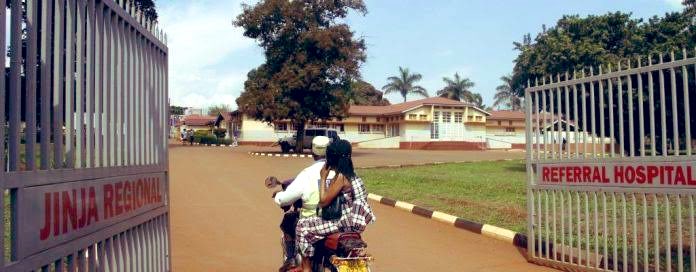
A severe staffing shortfall at Jinja Regional Referral Hospital is straining service delivery and raising fresh concerns about the capacity of Uganda’s public health system to meet growing patient demand.
Hospital Director Dr Alfred Yayi revealed that the facility is operating at just 32 percent of its required staffing levels, with only 410 personnel in place against an approved structure of 1,261.
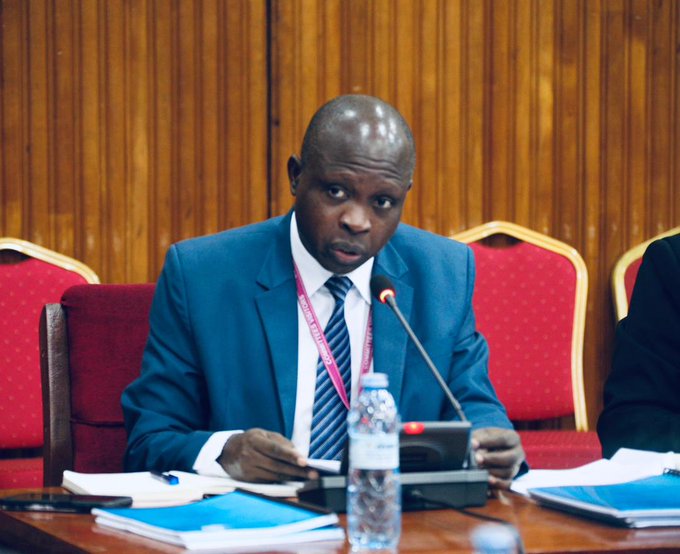
The disclosure was made as the hospital’s top management appeared before the Public Accounts Committee (Central Government) to respond to queries in the Auditor General’s report for the financial year ending 2025.
“Our current staffing is at 32 percent. We have 410 staff out of the required 1,261,” Dr Yayi told lawmakers, noting that the figure represents only a marginal increase from 31 percent at the time of the audit.
While hospital management pointed to the slight improvement as progress, legislators pushed back, questioning whether such incremental gains are meaningful in the face of overwhelming service demands.
Buhweju County MP Francis Mwijukye dismissed the increase as insufficient, arguing that the hospital remains critically understaffed.
“Thirty-two percent is still very low. I cannot call that steady progress,” he said, pressing management to outline concrete measures to address the gap.
Growing Pressure on a Regional Lifeline
Jinja Regional Referral Hospital serves as a key healthcare hub for eastern Uganda, handling referrals from multiple districts and offering specialised services beyond the capacity of lower-level facilities. However, the widening gap between staffing levels and service demand is placing immense pressure on existing health workers.
With fewer than one in three required positions filled, staff are often stretched across multiple roles, raising concerns about burnout, longer patient waiting times and compromised quality of care.
Dr Yayi acknowledged the strain, noting that the hospital’s mandate has expanded in recent years, with new services introduced without a commensurate increase in staffing.
“This is not sufficient given the expanded scope of our mandate and the new services we are bringing on board,” he said.
Funding Constraints Stall Recruitment
Efforts to address the staffing gap have so far been hindered by funding constraints. According to Dr Yayi, the hospital submitted its staffing requirements to the Ministry of Public Service, including a recruitment plan worth Shs3.2 billion. However, the funds were not allocated in the current financial year, delaying implementation.
There are, however, signs of potential relief. The hospital has been allocated an additional Shs4 billion under the second Budget Call Circular (BCC2) for the 2026/27 financial year, earmarked for recruitment.
“The good news is that the figures we are being given indicate that we have been allocated additional Shs4 billion to recruit in the coming financial year,” Dr Yayi said.
A Systemic Challenge
The situation at Jinja reflects broader systemic challenges within Uganda’s public health sector, where many regional referral hospitals continue to operate below optimal staffing levels despite rising patient loads.
Health experts warn that without sustained investment in human resources for health, gains made in infrastructure and service expansion may not translate into improved health outcomes.
For now, the spotlight remains on how quickly recruitment plans can be implemented—and whether additional funding will be sufficient to close the gap.
As policymakers grapple with competing budget priorities, the experience of Jinja Regional Referral Hospital underscores a critical reality: without adequate staffing, even the most advanced facilities cannot deliver the level of care that Ugandans need.