


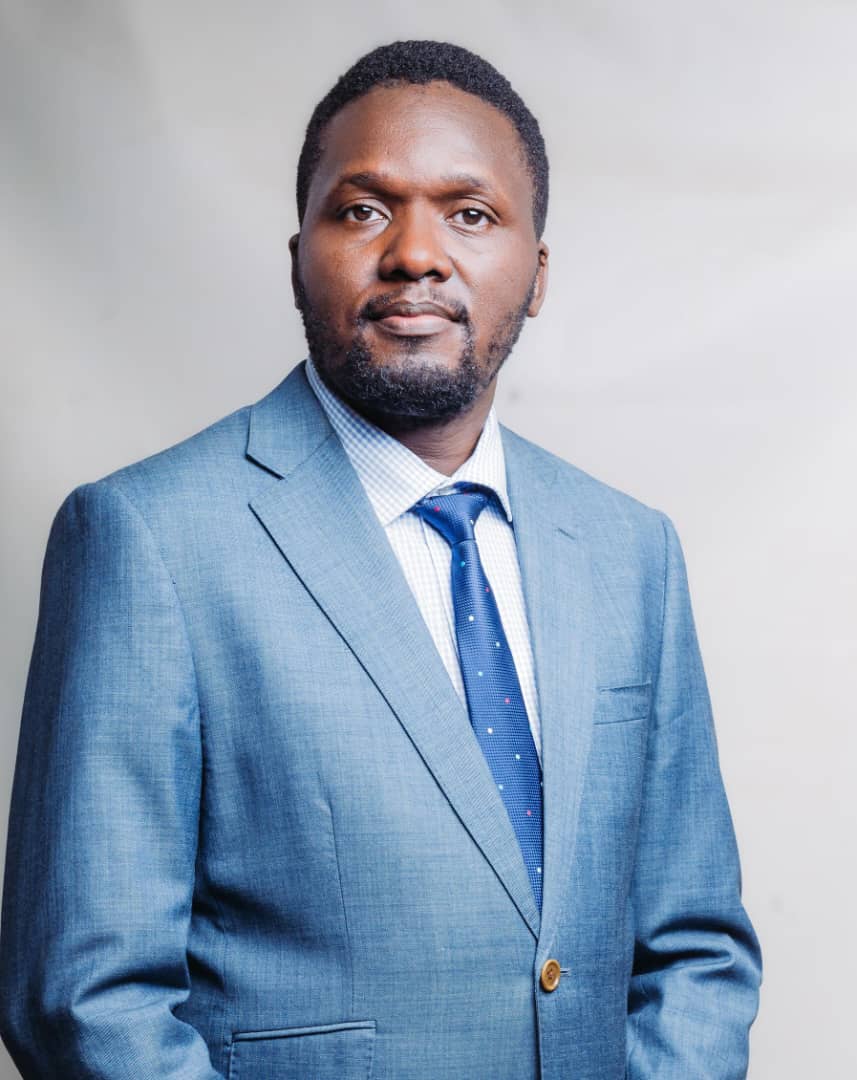
By Jumbwike Sam
I went to various primary schools, but the time I spent at Hormisdallen School wasn’t just a stroke of good luck but a turning point that shaped my regional perceptions in addition to academic pursuits.
My cohort of 1998 had 5 Tanzanians: Eria Maraule Benego, Kevin Mpiana, Gembe Benjamin, Ibrahim Ahmed and Mariam Soji Batenga; 2 Rwandans: Mbanga Jacinta Sandra and Rutabingwa Richard; and 1 Kenyan: Nuru Ali Mulupilo.
These East Africans were bright, endowed with great talent, physique and a more enviable sense of attachment to their countries than us Ugandans. Our sitting arrangement was in order of height, with short ones at the front and tall ones at the back. Being the tallest Ugandan in the cohort, I found myself at the back with the East Africans.
My unique Jumbwike name, coupled with my un-Ugandan height, made me appear like a foreigner. When Mobutu Tseseko was overthrown by Laurent Kabila in Zaire in 1997, my fellow backbenchers quickly noticed my resemblance to Kabila and decided to call me a Zairean.
I learnt Swahili as my fourth language and some basic Kinyarwanda. Years later, these friends have turned out to be useful contacts whenever I visit or need anything from their countries.
At the revival of the East African Community, the forebearer envisioned a community with policies and programs that deepened the cooperation among partner states in political, social and cultural fields, research and technology, defense, security, legal and judicial affairs for their mutual benefit.
At the back of their minds were past mistakes that had led to the collapse of the community, like lack of strong political will and lack of strong participation by the private sector and civil society in the cooperation affairs.
Whereas some good strides have been made on the EAC political front, the critical participation of the citizens has remained minimal. Right from the structure of the treaty, all engagements are exclusively in the domain of heads of state under the summit, ministers and attorneys general under the council, permanent secretaries under coordination committees and appointed sectoral committees.
These state actors are at the forefront of signing protocols, attending summits and shaping policies that determine how goods, services and people should interact across borders.
Unfortunately, the ordinary Wananchi, the farmers, students, transporters, youth and marginalised communities like refugees, are rarely involved in meaningful ways that matter, and this exclusion undermines the foundation of the EAC.
The current practice where agreements are negotiated behind closed doors, announced at summits and disseminated in the media without any interrogation by the public has simply driven the community back to the old times. Regional integration must be anchored in the voices and experiences of the people who feel its effects most acutely.
The EAC will flourish not because state actors sign treaties, but because farmers, traders, students, and workers see tangible improvements in their lives and feel that they helped shape the policies that made those improvements possible.
It is time for the EAC to ensure that its citizens are not spectators but architects of its integration.