


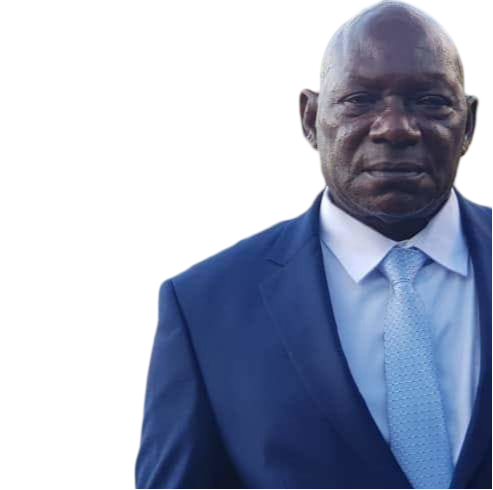
By Waiswa Michael Baluye
President Yoweri Museveni has been re-elected as Uganda’s president for a seventh term, extending his rule that began in 1986 and making him one of Africa’s longest-serving leaders. This re-election will shape Uganda’s future across political, economic, social, and international dimensions.
Here’s a clear breakdown of the most likely ways his continued leadership could develop (or affect) Uganda over the next years:
1. Political Landscape & Governance
Extended incumbency
Museveni’s victory extends his rule into its fifth decade, consolidating the political dominance of his party, the National Resistance Movement (NRM). This continuation can mean stability for allies within the government and outside it.
Democratic institutions and opposition space
Critics and analysts warn that democratic spaces may remain constrained despite all electoral institutions being in place. Opposition leaders talk of controversy over voting technology, and claims of irregularities. They say this could erode confidence in electoral and civic freedoms.
Civil liberties and youth engagement
Young Ugandans – who make up the majority of the population – face ongoing challenges, like unemployment and limited political voice. Without broader reforms, tension between government and youth populations could grow, especially if opportunities don’t improve.
2. Economic Development Prospects
Government’s economic vision
President Museveni has outlined ambitious economic goals, including transforming Uganda’s economy and leveraging resource development, such as beginning oil production and infrastructure projects. Investments are expected in railways, power, and education.
The government also continues programs like the Parish Development Model (PDM) to boost income generation at local levels.
Growth vs. structural challenges
Uganda’s economy has growth potential, particularly with oil revenues and regional trade, but it still battles youth unemployment, poverty, and reliance on external financing. Achieving high-value industrialization will require deep structural reforms and private sector strengthening.
Foreign investment and partnerships
Ongoing engagement with global partners — including China, Gulf states, and regional neighbours — may continue, especially around infrastructure and energy sectors. However, dependence on certain foreign debts or shifting investor confidence remains a risk.
3. Peace, Stability & Social Cohesion
Peace and security narrative
One of President Museveni’s long-standing messages has been that his leadership ensures relative stability in a region that has seen conflict. This narrative appeals to businesses and some citizens worried about disorder.
Potential for unrest
At the same time, if many feel their voices are excluded or if economic gains are uneven, there is potential for protests or social unrest, especially among young and urban populations.
4. International Relations
Regional and continental ties
Many African leaders and institutions have congratulated Museveni on his re-election, suggesting continued diplomatic engagement within the continent.
Uganda plays a strategic role in East Africa’s politics and economics, especially in trade, transport corridors, and involvement in peacekeeping.
Western engagement vs. authoritarian concerns
Western governments may express concern about democratic backsliding, which could influence aid, trade preferences, or diplomatic posture — though balancing that is Uganda’s strategic geopolitical interests.
Mr Waiswa Michael Baluye is the ONC coordinator for Buyende district