


By Zaidhi Mugabi
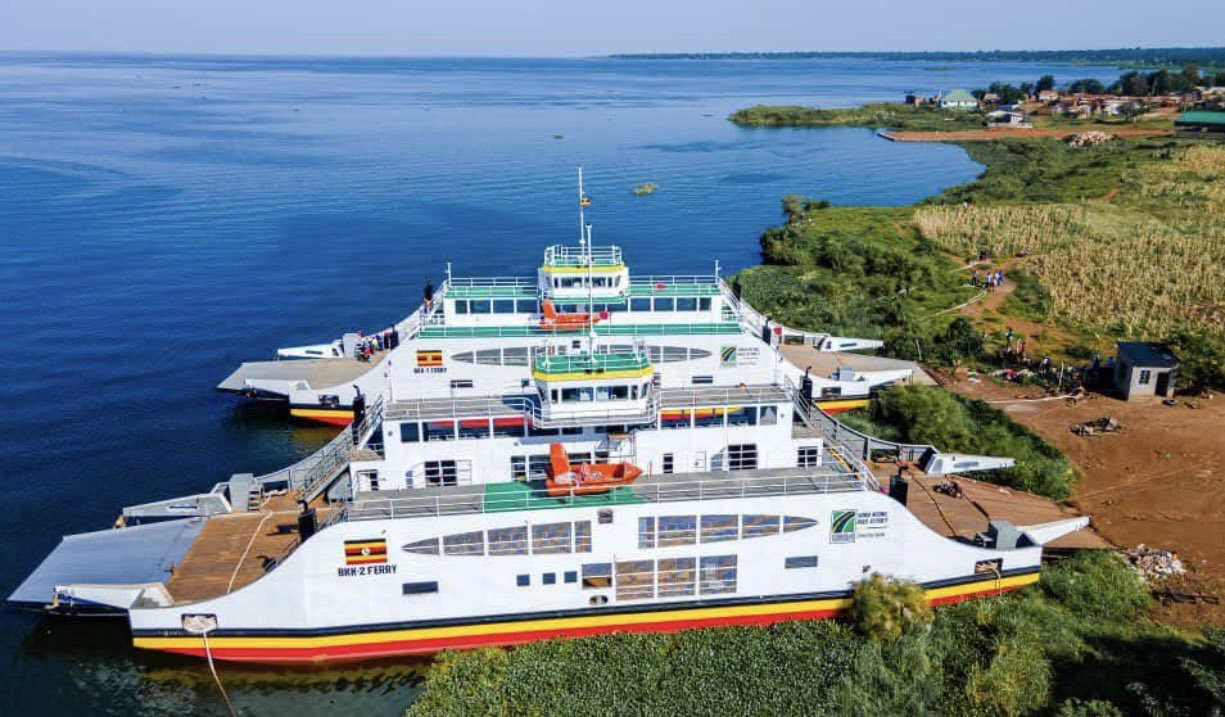
When governments invest in infrastructure, the real return is measured not in ribbon-cutting ceremonies, but in economic activity. That was the central message from President Yoweri Kaguta Museveni as Uganda officially commissioned the Bukungu–Kagwara–Kaberamaido (BKK) ferries on the Lake Kyoga basin.
Delivered through Prime Minister Robinah Nabbanja at Bukungu Fish Landing Site in Buyende District, the President’s directive was clear: public infrastructure must be used productively—especially water transport projects designed to stimulate regional development.
Water Transport as Economic Infrastructure
The newly commissioned ferries are not merely vessels crossing Lake Kyoga; they are floating trade corridors intended to connect districts, reduce transport bottlenecks and expand commerce.
Museveni emphasized that free water transport is specifically meant to facilitate trade and economic integration between regions. By linking Buyende (Bukungu), Kaberamaido (Akampala) and Serere (Kagwara), the BKK ferries are expected to improve market access for agricultural produce, fish, and other goods produced within the Lake Kyoga basin.
For businesses operating in eastern and northern Uganda, reduced transport time and lower logistics costs could translate into improved margins and expanded market reach.
Leveraging Infrastructure for Industrialisation
Prime Minister Nabbanja used the commissioning ceremony to challenge local leaders and communities to think beyond transport.
She urged beneficiaries to leverage complementary government investments, particularly electricity, to attract industrialisation and value addition enterprises in the region.
The message aligns with Uganda’s broader economic strategy: infrastructure must feed production, and production must feed industry. Reliable transport across water bodies, coupled with power connectivity, creates the foundation for agro-processing plants, cold storage facilities, fisheries value chains and small-scale manufacturing hubs.
However, Nabbanja also stressed discipline and compliance; calling for patriotism, passion and strict adherence to laws governing water bodies and national security.
In business terms, sustainability and regulatory compliance will determine whether the ferries become engines of growth or underutilized assets.
Regional Cooperation Strengthened
The First Deputy Prime Minister and Woman MP for Kamuli District, Rebecca Alitwala Kadaga, praised the partnership between Uganda and Tanzania in strengthening water transport systems.
Such cross-border cooperation is increasingly important as East African economies pursue deeper integration under regional frameworks. Improved water transport not only boosts domestic trade but also strengthens supply chain linkages that can extend into neighboring markets.
Tanzania’s Ambassador to Uganda, Paul Kisesa Simuli, commended Uganda’s commitment to collaboration and pledged continued efforts to enhance diplomatic and economic ties—signaling the strategic value of infrastructure diplomacy within the region.
Financing and Project Structure
State Minister for Works, Fred Byamukama, revealed that financing for the BKK ferries and landing sites was committed across multiple financial years—2019/2020, 2021, 2022 and 2023.
However, he noted that funding for some landing sites faced uncertainty due to budget cuts—highlighting the fiscal pressures that often accompany large-scale infrastructure rollouts.
Each ferry project consists of three main components:
• Two mono-hull ferries, each with capacity for 310 passengers including crew
• Space for 14 private vehicles
• Capacity to transport one long vehicle weighing up to 50 tonnes
This configuration is designed to accommodate both passenger mobility and commercial cargo—ensuring the vessels serve traders, transporters and local enterprises alike.
The Business Case for Lake Kyoga
For years, communities around Lake Kyoga have faced logistical challenges that limited their economic potential. The commissioning of the BKK ferries marks a strategic attempt to unlock what policymakers increasingly describe as the “lake economy.”
If effectively utilized, the ferries could:
• Reduce the cost of moving agricultural produce
• Expand fish trade and cold-chain opportunities
• Encourage cross-district investment
• Improve access to health, education and administrative services
Yet, as President Museveni underscored, infrastructure alone does not guarantee transformation. Utilisation, management and private sector participation will determine whether Lake Kyoga becomes a thriving commercial corridor.
The BKK ferries represent more than a transport upgrade—they are a test case for how regional infrastructure can power inclusive growth. The challenge now shifts from government to the market: turning public investment into sustained economic returns.