


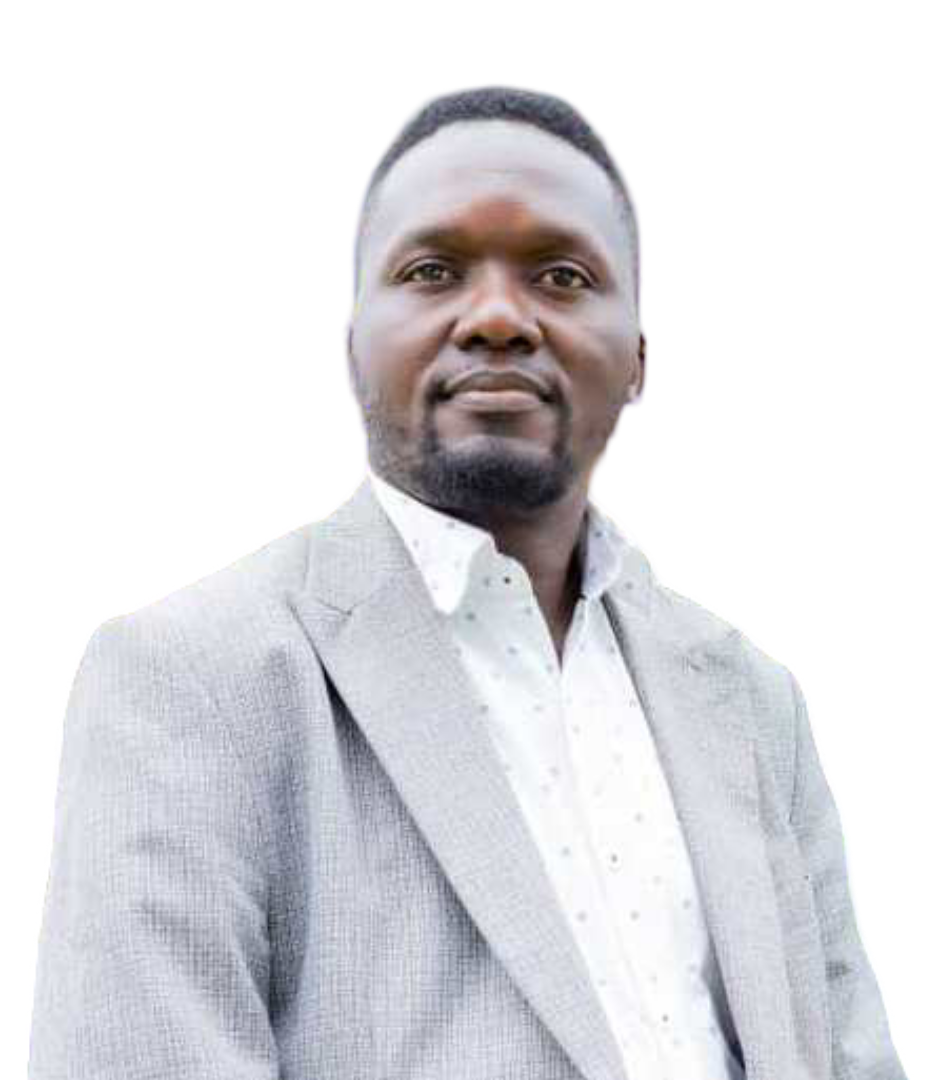
By Jumbwike Sam
As the world commemorates World Cancer Day today, it is clear to many people in Uganda that cancer is no longer a far-off threat but a reality in our homes, communities and towns. Cancer has claimed and continues to claim thousands of lives in Uganda, many of which would have been prevented through early detection, timely treatment and psychosocial support.
Low awareness has consistently been shown as the precursor to late diagnosis and treatment because it delays people from seeking help for cancer-like symptoms. Lack of awareness about the curability of cancer has also had an impact on health-seeking behaviour towards cancer. Every cancer patient’s journey presents with its unique experience, with some struggling with diminished psychological well-being, increased stress, anxiety and depressive symptoms which require holistic approaches for meaningful, manageable and comprehensible experiences on their journeys.
As we amplify this year’s theme, “United by Unique”, it is vital for us to remember that the fight against cancer can never be managed single-handedly but through concerted efforts with all benign stakeholders. It is without doubt that Uganda’s health system is already stretched with few specialists, low resources and geographical challenges for far-off communities to get to cancer centres.
In many contexts, NGOs are the first responders in the cancer fight. NGOs have been combing the hard-to-reach areas to extend community-based screening, interpreting information into local languages, supporting patients with transport and accommodation, and confronting the myths and stigma. Others have been providing palliative care where hospitals haven’t been able to. We must resist policy bottlenecks, practices and mentalities that suffocate other stakeholders in the fight and create a collaborative environment between the state and non-state actors.
Lately, NGOs in Uganda are facing increasing regulatory hostilities and pressure in the name of traditionalism and national security. Whereas regulation and accountability are essential, unrealistic bureaucracy, delayed approvals and big fines from agencies like the Uganda Revenue Authority and the Uganda Registration Service Bureau have strangled organisations that are already operating on limited budgets. NGOs spend a lot of time and resources on navigating paperwork and paying fines, using their meagre resources that would have been spent on services.
Whenever NGOs are deregistered or suspended, programmes shut down. Community trust is disrupted by abrupt closures, and people in communities stop seeking care. The current rigid one-size-fits-all approach to NGO oversight is a huge setback for cancer NGOs that survive on individual supporters. Rather than suffocating innovation, there should be proportional regulation and open channels of dialogue with the critical entities in cancer care. Regulators like the Uganda Cancer Institute should not look at NGOs as competitors but as partners that require trust, mutual respect and closer collaboration. Let us utilise this World Cancer Day to renew our commitment to collaboration and respect for everyone’s unique contribution to the cancer fight in Uganda.
The writer is a cancer activist and works at the Saam Salley Humanitarian Ad Agency.