


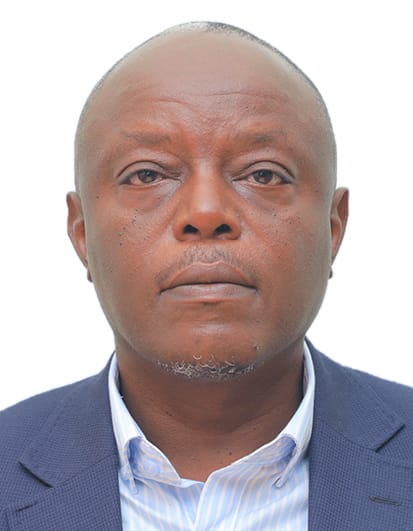
For , a citizen of Budiope and survivor of political violence, the recent death of rugby player Sydney Gongodyo revived painful memories of incidents that have left deep scars on Budiope and the people of Budiope in Buyende district, eastern Uganda.
Gongodyo’s death, which attracted national attention amid allegations of mob justice, has reignited conversations about violence, accountability and the rule of law. For Takozekibi, the tragedy mirrors unresolved experiences in Budiope, where several incidents over the years have raised concerns about the normalization of violence and the erosion of community trust.
In a reflective commentary, Takozekibi argues that societies cannot achieve lasting peace by ignoring acts of violence and injustice. Instead, he says, communities must confront painful truths, demand accountability, and pursue genuine reconciliation.
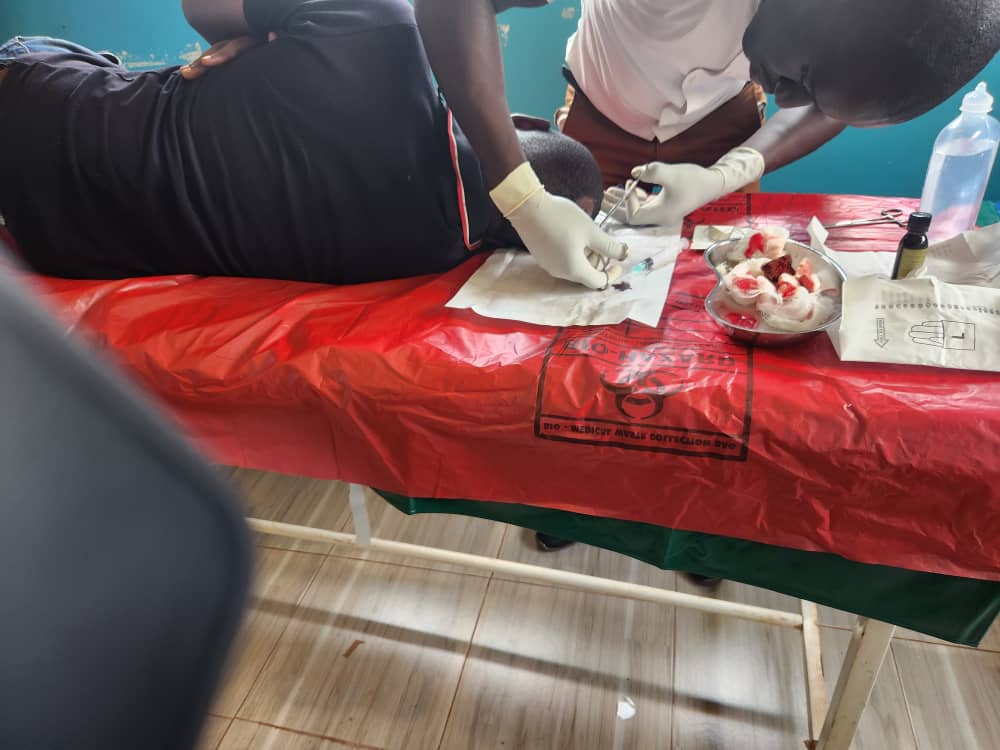
The 2025 NRM primaries left many people bleeding because of electoral violence orchestrated within tbe ruling party.
“A wound that is covered without being cleaned does not heal; it festers,” he writes, borrowing from an African proverb to illustrate what he believes is the danger of overlooking wrongdoing for the sake of political convenience or temporary calm.
The Jamil Mugabo Case
Among the incidents highlighted is the death of Jamil Mugabo in Gwase Village, Ngandho Sub-county, in December 2020.
Community accounts linked the incident to allegations of coffee theft. However, Takozekibi argues that regardless of the accusations, no individual should be denied due process under the law.
Reports circulating at the time alleged that Mugabo was subjected to extreme violence before his death. The case remains one of the most disturbing examples cited by residents concerned about the prevalence of mob justice and the weakening respect for legal processes.
For many observers, the incident became a symbol of what can happen when communities allow anger and suspicion to replace evidence and judicial procedures.
Political Tensions and Lasting Consequences
The article by Takozekibi also revisits events surrounding a politically charged period in Budiope, during which community accounts alleged that groups of young men were mobilized amid heightened electoral competition.
One of the individuals caught up in the political and electoral violence was a young man identified as Minsi. According to accounts widely circulated within the community, he suffered serious injuries during the unrest and survived only after receiving assistance from a Good Samaritan.
Years later, the physical consequences of those injuries reportedly continue to affect his life.
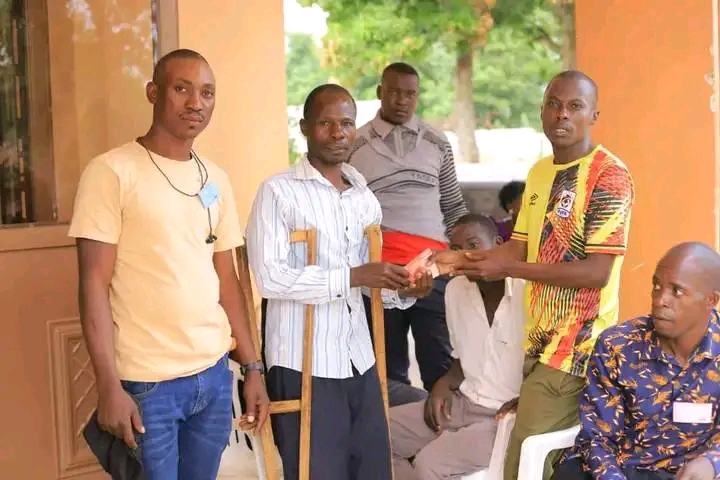
For Takozekibi, the story illustrates how political conflicts often leave lasting impacts on ordinary citizens long after elections are concluded and political actors have moved on.
Personal Experience
In the penned commentary, Takozekibi also recounts his own experience as a victim of political violence during the recently concluded NRM primary elections.
He says both he and his younger brother were assaulted while attempting to participate in and document electoral activities. According to his account, the incident left both physical and emotional scars.
While political competition is an essential feature of democracy, he argues that violence and intimidation undermine citizens’ ability to participate freely in public affairs.
“The real question is whether Budiope should ever become a place where citizens fear participating in democratic processes because of the possibility of intimidation, assault, or worse,” he writes.
Growing Concerns
Recent community discussions from parts of Budiope, including Kagulu Sub-county, have also contained reports of election-related violence involving pangas, locally known as jambiyas.
Although many of these allegations remain unverified, the recurrence of such reports has prompted concerns among residents and local leaders about the growing acceptance of violence as a political tool.
Observers warn that when intimidation and fear become normalized during elections, future generations may begin to view violence as an acceptable means of resolving political differences.
Call for Accountability
The commentary comes against the backdrop of the “Tutereze Budiope” campaign championed by newly elected district chairman Sharif Mangaraine as a rallying call for community development and social renewal.
Takozekibi argues that the initiative should extend beyond physical development to include efforts aimed at strengthening accountability, promoting justice, and rebuilding trust among citizens.
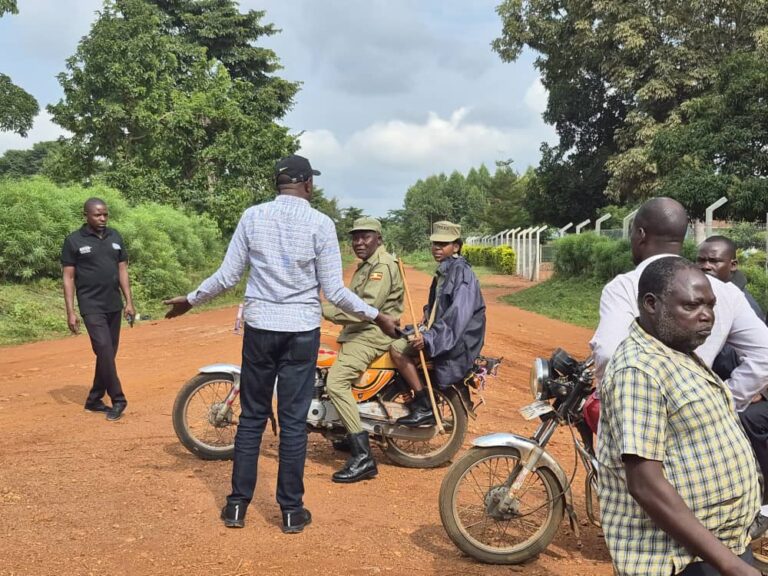
Drawing lessons from traditional reconciliation practices such as the Acholi Mato Oput process, he says genuine healing requires acknowledgment of wrongdoing, acceptance of responsibility, and restoration of relationships.
“Forgiveness without accountability is not reconciliation. It is merely an invitation for repetition,” he argues.
Looking Forward
As Budiope charts its future, the debate raised by the article reflects broader national questions about democracy, justice, and social cohesion.
Whether discussing mob justice, election violence or community conflicts, the central message remains consistent: lasting peace cannot be built on silence, denial or impunity.
For many residents, the challenge now is ensuring that development efforts are accompanied by a commitment to justice, accountability, and respect for human dignity.
As calls for “Tutereze Budiope” gather momentum, community leaders, citizens, and political actors alike may be forced to confront a difficult but necessary question: Can sustainable development be achieved without first addressing the wounds that continue to divide the community?