
Sunday, March 15, 2026
Home Blog Page 66

NOT GOOD: Gov’t rejects Lumu’s proposal to hold elections for Leader of Opposition

0

Government has rejected the proposal to hold elections for the Leader of Opposition, arguing that the proposals are matters of policy not legal, but instead, government wants the Administration of Parliament Act to be amended to require the attendance of either the Minister of Finance or Prime Minister in Parliamentary Commission meetings when key decisions are to be made.

The State’s position was revealed by Deputy Attorney General, Jackson Kafuuzi, in his written submission to the Legal & Parliamentary Affairs Committee, to provide government’s views on the Administration of Parliament Amendment Bill, 2024 that was tabled by Richard Lumu (Mityana South).

“Allowing other Opposition parties to elect the Leader of the Opposition would be a contradiction of the mandate given by the people for the Leader of the Opposition to be elected from another party. We observe that the selection of the Leader of Opposition is determined by the internal procedures of the opposition party which is more of a policy nature rather than a legal nature,” Kafuuzi noted.

“Article 1 of the Constitution gives all power to the people. All authority in the State emanates from the people of Uganda who exercise it through regular free and fair elections. In exercising this mandate, the people elected their Members of Parliament who are ranked with the largest party being the Ruling Party and the second party, being the Party with the greatest numerical strength in Opposition to the Government in Parliament, drawn from the will of the people through free and fair elections,” wrote Kafuuzi.

Gov’t also rejected Lumu’s proposal to have the Leader of Opposition removed from the office by a resolution of the members of the Opposition parties in Parliament, with Kafuuzi noting that the proposed amendment interferes with the mandate of the party in Opposition to Government with the greatest numerical strength in Parliament that has been elected by the people as given to them by the electorate.

“The process of removal by resolution of the members of the Opposition parties in Parliament is contrary to the will of the people who exercise their power through regular, free and fair elections. The Leader of Opposition is appointed by election and should not be removed by resolution of Parliament,” argued Kafuuzi.

Lumu’s proposal to introduce another slot on the Parliamentary Commission for the smaller Opposition Parties was rejected by Government, with the Deputy Attorney General noting that introducing a second Opposition member among the four Commissioners out of the nine members of the Commission would distort the principle of numerical strength that lies with the largest party or the Government.

“In addition, the proposed amendment imposes a charge on the Consolidated Fund which is contrary to Article 93(a) (ii) of the Constitution,” noted Kafuuzi.

When the (Parliamentary) Commission sits and makes decisions. The Commission may make decisions that may require parliamentary approval in addition to having financial implications. It is prudent for the quorum at any meeting of the Commission to be constituted with the membership of the executive in particular the Leader of Government Business or the Ministry of Finance, in order not to offend article 93 of the Constitution,” concluded Kafuuzi.

FINALLY: Museveni’s presidency minister finally gets first degree at 54 years

0

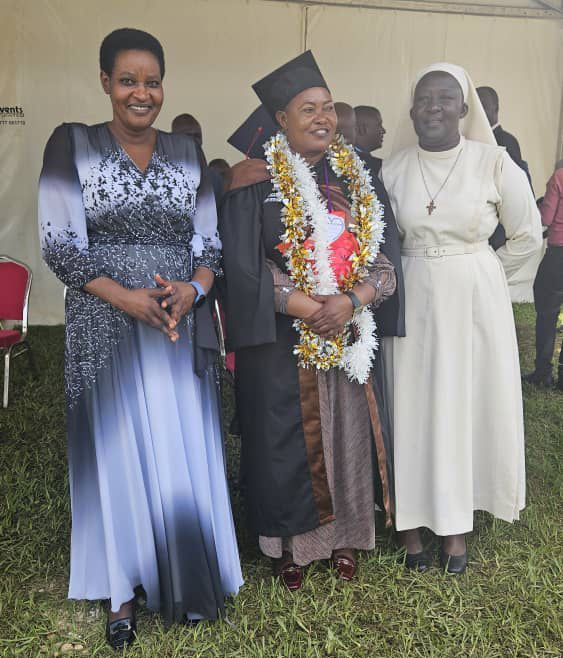
After years of the public questioning the credibility of her academic credentials, the minister for presidency Milly Babirye Babalanda has finally come clean.

The Kamuli-born long term National Resistance Movement (NRM) mobilizer has graduated from Bugema University with a Bachelor’s Degree in Public Administration.

To celebrate this achievement, the minister hosted guests at Hotel Africana in Kampala. The party was attended by family, friends and politicians.

Born on December 5, 1970 in Nalinaibi village in Nawantumbi parish, Nawanyago sub county, Buzaaya county, in Kamuli district, as Milly Babirye, Babalanda has been a loyal servant of the NRM and President Yoweri Museveni.

Her appointment as minister was looked at by many political pundit as a reward for dedicated service to the party and Museveni, the party’s national chairman.

However, the catch, which almost failed her from entering the ministerial office, was her insufficient education.

Babalanda’s approval as minister in 2021 was temporarily stopped by the Appointments Committee of Parliament due to inconsistencies in her academic documents and names. She was later cleared.

According to reports then, the name sent by President Museveni for approval was Mariam Doka Babalanda , but her academic documents  presented before the committee chaired by the deputy Speaker read Milly Babirye Babalanda.

Uganda National Examinations Board and the president’s secretary corrected the glitch.

Sources indicate that Babalanda sat for her Primary Seven in 1985 and completed her O’level at Busoga High School in Kamuli in 1989 but horribly failed as Milly Babirye.

However, because of growing political interest and influence, she was intrigued to return to school to put her education credentials in order and qualify for government offices.

And indeed, in 2017, 27 years after the 1989 failing, Babalanda resat O’level on mature age. It was at this point that she adopted the Babalanda name – her husband’s name.

In 2019, she sat for her A’level. And now, she is a proud degree owner.

PARISH DEVELOPMENT MODEL: A challenge to beneficiaries

0

By Waiswa Michael Baluye

The government of Uganda embarked on the Parish Development Model (PDM) with the goal of transforming the livelihoods of its citizens, particularly by boosting household incomes.

Billions of shillings have been invested into this initiative, yet its success remains threatened by mismanagement and misuse of funds by some beneficiaries.

One of the key issues is the abuse of work plans that beneficiaries submit. In some cases, the funds have been diverted towards non-productive ventures, such as weddings, rather than the intended economic activities.

This misuse undermines the program’s goals and compromises its impact on poverty reduction.

A contributing factor to this problem is the inadequate commercial education provided to the beneficiaries. Many individuals do not have the financial literacy or business acumen required to manage their projects effectively.

Additionally, some officials within PDM SACCOS have misled beneficiaries by falsely labeling the UGX 100 million provided as a “gift” from the government, rather than a loan to be repaid with interest.

This misunderstanding has contributed to a lack of accountability and responsible financial management.

There is an urgent need to address these gaps by offering proper commercial education and financial literacy training to beneficiaries. Ensuring that participants understand the long-term goals of the PDM, the responsibilities tied to the funds, and the potential benefits of sustainable business ventures will be critical in achieving the program’s objectives.

Only with proper knowledge and responsible handling of resources can the Parish Development Model truly help to uplift Uganda’s communities.

The writer is the ONC coordinator in Buyende district.

LATE COMERS: UCI reveals 70% of cancer patients come late; when disease is at incurable stage

0

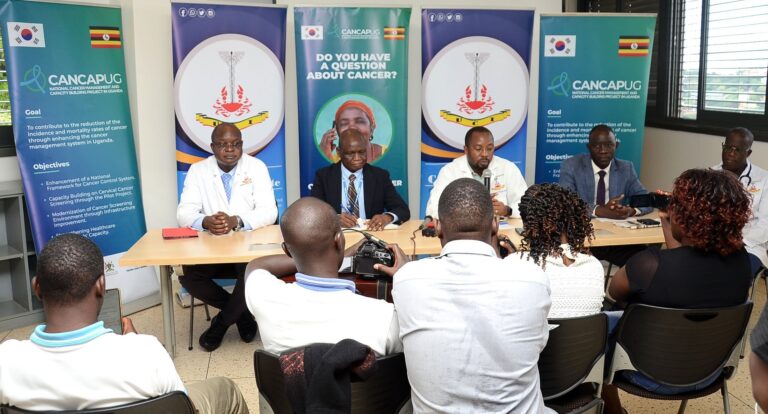
Oncologists at Uganda Cancer Institute (UCI) have made a disturbing revelation that they are unable to cure cancer patients because they report for diagnosis late – when the disease is at an advanced stage.

Dr. Fred Okuku, Consultant Oncologist at Uganda Cancer Institute, told journalists in Kampala on Friday that most people come late for screening and treatment because they don’t know about these cancers.

He said screening is for people who don’t have symptoms because cancer is a disease that may be present in the body without symptoms.

“According to data as you have been told, 70% of our patients come late, that means we cannot cure them,” Dr Okuku said.

Uganda Cancer Institute and partners will conduct a 2 day mass Cancer screening taking place on Monday 11th and Tuesday 12th November at the Institute in Kampala.

The activity is sponsored by Korea Foundation for International Healthcare (KOFIH).

This campaign, according to Dr Okuku, is to ensure that ‘we reduce on that 70 percent.’ “If people come early, they can be cured of cancer. Most of the cancers can be cured if the patient comes early,” he said.

Prostate cancer alarm

The Institute has raised concern about the rising number of prostate cancer cases among Ugandan men. Over 3,000 men are diagnosed with prostate cancer annually, often at advanced stages.

Dr Okuku revealed that prostate Cancer is the leading Cancer affecting men above 40. He urged Men with a family history of prostate cancer to come for screening next week.

Dr. Jatho Alfred, Head Community Cancer Control Program at Uganda Cancer Institute, urged men to prioritize their prostate health and get screened next week.

Women and cervical cancer

Dr. Origa Martin, Head of Gynecology Unit at Uganda Cancer Institute revealed that cervical cancer is the leading cancer affecting women. He urged parents to vaccinate their girls against Human Papillomavirus (HPV) to prevent cervical cancer.

Breast cancer in men

Dr. Nixon Niyonzima, Head Research & Training Uganda Cancer Institute, revealed that about 4-5% of all the Breast Cancer Patients are men.

He noted that men don’t usually go to hospital and when they go they’re more likely to have more advanced cancer than women.

“Biologically, because they have smaller breasts than women, the cancers spreads very fast because it has nowhere else to spread,” Dr Niyonzima said.

OPINION: Buyende district and its environmental challenges

0

By Waiswa Michael Baluye

Buyende district, located in the cattle corridor region, faces several challenges primarily linked to environmental stressors like drought, overpopulation and land fragmentation.

These issues have significantly affected livestock farming with a lack of grass and sufficient grazing land exacerbating the struggles for farmers.

One of the most effective ways to address these problems is to engage forestry extension officers in the district to spearhead tree planting campaigns.

Trees can help restore soil fertility, prevent erosion, improve water retention and provide organic matter to the soil making it more fertile and better for growing grass and other crops.

Additionally, trees offer shade and shelter, reducing heat stress on livestock and improving their overall well-being which creates better grazing conditions.

Encouraging sustainable tree planting also helps prevent further deforestation, which exacerbates climate change and reduces the land’s ability to retain moisture, leading to more severe droughts.

Trees can also provide opportunities for income through the sale of timber, fruits, or other products, offering an alternative livelihood for local communities.

Forestry extension officers could focus on educating the community on the benefits of trees and proper planting techniques, encouraging agroforestry, where trees are planted alongside crops and livestock, and promoting the use of drought-resistant tree species that can help improve local ecosystems and sustain the community through dry seasons.

Incorporating tree planting into the district’s agricultural practices could help alleviate some of the pressures caused by overpopulation and environmental degradation, leading to a more sustainable and resilient future for Buyende district.

The writer is the coordinator ONC in Buyende district

OPINION: The journey of sugarcane and its economic impact

0

By Waiswa Michael Baluye

Sugarcane farming in Uganda has become a significant agricultural activity, with both direct and indirect impacts on the economy, especially in rural areas where many farmers depend on it for their livelihood.

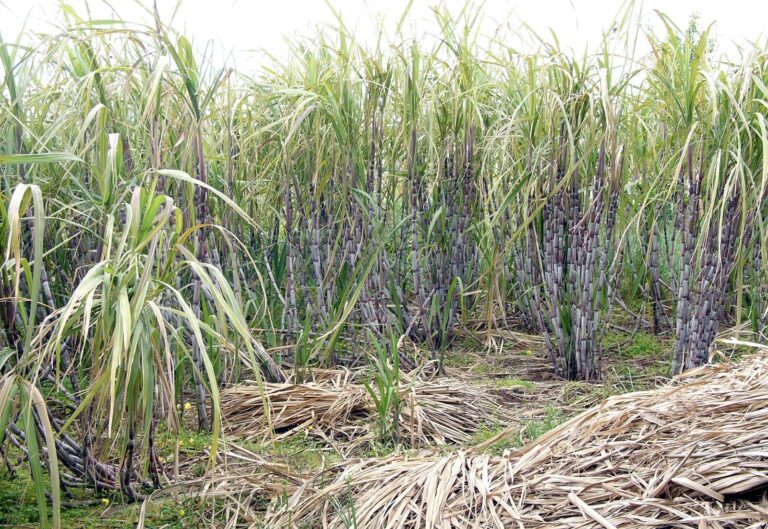
The process begins with the planting of sugarcane seedlings, which take about 12 to 18 months to mature. The crop is handy and grows well in Uganda’s tropical climate, making it suitable for large-scale farming. Many smallholder farmers engage in sugarcane cultivation, either as outgrowers contracted by larger sugar mills or as independent farmers.

These farmers face challenges such as access to quality seedlings, irrigation, and modern farming techniques. Sugarcane requires substantial land, and while land is often passed down through families, the increasing demand for agricultural land and competing interests from large-scale agribusiness can create pressure on local farmers.

Once the sugarcane is harvested, it is sent to local sugar mills for processing. Uganda has several sugar mills such as those in Lugazi, Kakira, and Kinyara where the cane is crushed to extract juice, which is then refined into sugar.The processing facilities also produce byproducts like molasses and bagasse, which can be used for generating power or making alcohol, adding value to the agricultural output.

Many smallholder farmers participate in contract farming arrangements with sugar mills, which offer a guaranteed market for their cane in exchange for adhering to certain farming practices. While this provides farmers with a stable income, it also exposes them to risks, such as fluctuating sugar prices and processing delays.

The sugar mills play a crucial role in the value chain, creating jobs in both sugar production and refining. The expansion of sugar mills and processing capacity boosts the local economy, offering employment and stimulating the growth of supporting industries.

The economic impact of sugarcane farming in Uganda can be seen in several ways. For many smallholder farmers, sugarcane farming is one of the most reliable sources of income. The crop provides a steady cash flow, particularly when other crops may not perform well due to weather or market conditions.

Sugarcane farming also creates jobs, not only in the fields but also in the sugar mills, logistics, and distribution networks, contributing to poverty reduction in rural areas. Additionally, the establishment of sugar mills and the transportation network for getting sugarcane to these mills leads to infrastructure improvements, including better roads, transport systems, and access to markets for other crops.

In some regions, electricity from bagasse power generation has supported local grids, improving the overall energy supply. Through the sugar processing companies, farmers often gain access to inputs like fertilizers, pesticides, and modern farming tools, which can increase productivity. Some sugar mills also offer credit facilities to farmers, enabling them to expand their operations.

However, sugarcane farmers in Uganda face challenges, such as climate change, which can lead to droughts or floods, severely affecting yields. As more people seek land for sugarcane farming, issues related to land ownership and fragmentation become prominent. This can limit access to land for new farmers and affect the sustainability of sugarcane farming. Market access and pricing issues also remain a concern.

While there are guaranteed markets for outgrowers, sugar prices in Uganda are influenced by global sugar market trends. Farmers often face delays in payment, poor price negotiations, and competition from cheaper imports. Additionally, large-scale sugarcane production can lead to environmental problems like soil degradation, deforestation, and water scarcity if not managed sustainably. The use of chemical fertilizers and pesticides can also harm the environment and nearby communities.

The Ugandan government has recognized the importance of the sugar industry for rural development and the national economy. Efforts to support sugarcane farming include investments in infrastructure, such as roads and irrigation systems. Policy frameworks have been put in place to regulate the sugar industry and ensure fair trading practices. However, there are ongoing challenges in enforcing these policies effectively.

Looking ahead, the demand for sugar in Uganda is expected to increase as the population grows and the middle class expands. This creates potential for expanded sugarcane farming and greater economic returns for farmers.

Some farmers are diversifying into sugarcane-based products, such as ethanol production and organic fertilizer, to increase profitability and sustainability. Additionally, there is a growing recognition of the need to address environmental concerns by adopting more sustainable farming practices and improving water and land management in sugarcane farming.

Sugarcane farming has a profound impact on Uganda’s rural economy, providing income, employment, and infrastructure development. However, challenges such as climate change, market volatility, and environmental sustainability need to be addressed to ensure that the sector remains a viable and profitable source of livelihood for Ugandan farmers.

With proper support and sustainable practices, sugarcane farming has the potential to contribute even more significantly to Uganda’s economic growth in the future.

The writer is the Coordinator of the Office of National Chairperson NRM

SUSTAINABLE FISHING: We want to protect our lakes – Museveni explains why he put soldiers on lakes

0

President Yoweri Kaguta Museveni has informed the fishing communities that the government aims at protecting Uganda’s lakes for sustainable fish production.

“A lake is a common property for all Ugandans,it is not like Rwakitura which is private property. Lakes, mining sites, etc. are not personal properties, even me at Rwakitura I’m a shareholder of Lake Kyoga so this business of going to the lake and deploying yourself there that you are a fisherman should be solved,”he noted.

Museveni made the remarks yesterday 5th November 2024 while meeting Ministers, Technical Staff on enforcement against illegal fishing around the fishing communities in the country as well as other stakeholders. The meeting took place at State House, Entebbe.

Uganda is endowed with abundant water resources including five major water bodies including Lake Victoria, Lake Albert,Lake Kyoga, Lake Edward and Lake George and more than 160 minor lakes, numerous rivers,swamps and floodplains which provide high potential for fish production.

Museveni explained that the government’s position on using advanced technological means such as the use of modern radars to monitor all the water bodies will go a long way in solving most of the problems faced by the fisheries on the lakes.

“The reason I had to deploy soldiers was because there was a crisis on the lakes. The army was not there before. Now in order to deal with this, the army is ready with the upgraded monitoring systems on lakes so that we don’t depend on human beings only,” he noted.

The President further revealed that on Lake Victoria, the government will deploy another system so that it is easy to check what is taking place on the lake.

He also underscored the need for digital identification of the boats on lakes for easy coordination and economic gains.

President Museveni also asked the Enforcement body to use the old techniques of the National Resistance Movement (NRM), such as holding meetings every two months as a way of accessing information from the wanainchi.

“The population is a free mirror. Every two months, call for a meeting and ask how your soldiers are behaving, in this way the people will tell you,” he guided.

Additionally, the President advised that once the team has modernised the fishing industry, the indigenous people should be given priority in managing the lakes.

He also called upon communities to stop encroaching on swamps and noted that the government can help them to set up fishponds, as a way of restoring the wetlands.

The Acting Commissioner for Fisheries in the Ministry of Agriculture,Animal Industry and Fisheries, Joseph Bwanika, while presenting a paper to the President, highlighted that the fisheries sub sector plays a crucial role in the country’s economy, food security and livelihoods of Ugandans.

He said the sub sector contributes 3.5 percent to National GDP and 12 percent to the agricultural GDP and provides employment to about 5.3 million Ugandans along its value chain.

The paper highlighted challenges as well as recommendations facing the sub sector which the government as well as stakeholders will explore for the benefit of the sector.

The meeting was also attended by First Deputy Prime Minister and Minister of East African Community Affairs, Rebecca Kadaga, the Minister of Agriculture, Animal Industry and Fisheries,Hon. Frank Tumwebaze, the Minister for Presidency, Babirye Milly Babalanda, the Minister of State for Fisheries, Hellen Adoa, among other officials.

JOB FAIR 2024: Huawei to connect Uganda’s technology talent with opportunities

0

The Ministry of ICT and National Guidance, in partnership with Huawei Technologies Uganda, is pleased to announce the National ICT Job Fair 2024, set to take place on 21st and 22nd November, 2024 at the National ICT Innovation Hub, Nakawain Kampala. This annual event, now in its third edition, aims to bridge the gap between Uganda’s rapidly growing ICT sector and its talented youth, providing a platform for networking, skills development, and job opportunities.

This year’s job fair is focused on the need to empower the next generation with the necessary digital skills, fostering an environment where innovation thrives and career opportunities in technology expand.With the theme “Shaping Uganda’s Digital Future: Bridging Skills, Innovation and Opportunity” the event will feature leading ICT companies, start-ups, government agencies, and academic institutions, all with one goal in mind: to connect Uganda’s young professionals with transformative job opportunities in the technology sector.

The National ICT Job Fair 2024 will host a series of interactive activities, including:

Employer Booths: Attendees will directly meet and engage with leading Ugandan institutions in the ICT industry offering jobs, internships, and training., exploring potential roles in areas such as software development, data science, network engineering, and cyber security.

Skills Development and training workshops: Hands-on sessions led by experts from Huawei and other industry leaders will offer training in sought-after skills, including coding, digital marketing, and AI applications.

Panel Discussions, Keynotesand Networking opportunities: Esteemed speakers from government, academia, and the private sector will discuss trends, challenges, and future prospects in Uganda’s ICT landscape availing connections with ICT professionals, innovators, and peers to explore partnerships and collaborations.

As a longstanding partner in Uganda’s digital transformation, Huawei Technologies has continued to support initiatives that enhance the ICT talent ecosystem through the National ICT Job Fair, Huawei ICT Academy and Huawei ICT Competitions.

Interested participants can register for the 2024-2025 Huawei ICT competitions for free via https://docs.google.com/forms/d/e/1FAIpQLSfEJGc3Lj69NsJLJgsOxCz0se5LfqwcqlsyL56K8q-zdFoXLA/viewform

Similarly, this job fair is an excellent opportunity for youth to take the first step in building their ICT careers.The event is free to attend, but registration is requiredhttps://forms.office.com/pages/responsepage.aspx?id=DQSIkWdsW0yxEjajBLZtrQAAAAAAAAAAAAO__a8BFJ5UNTlKNTRJOTVZVE9MTEdTSTZFRE9DMDhXTi4u&route=shorturl

Students, recent graduates, and young professionals interested in ICT careers are encouraged to register early to secure their spot and stand a chance to win various Huawei devices and gadgets.Join us at the National ICT Job Fair 2024 to shape the future of Uganda’s digital workforce and unlock endless opportunities in the world of technology.

UNAPOLOGETIC: Speaker refuses to apologize to Buganda over ‘those Baganda’ comment

0

The Speaker of Parliament, Anita Annet Among, has refused to apologize to Buganda kingidom and the Baganda people until documentary evidence is tabled before Parliament proving that she made discriminatory remarks targeting Baganda during the heated debate on the National Coffee Amendment Bill, 2024.

The Leader of Opposition, Joel Ssenyonyi, Wednesday asked Among to recuse herself from the consideration of the National Coffee Bill, due to the conflict of interest, a request Among declined to honour, saying the rule on Conflict of interest only refers to MPs but not Presiding Officer.

“From the onset, I wish to state that I was quoted out of context. In any event, this House is a House of record, and being the custodian of the Rules of procedure and being the House of Record, and if anybody feels that I mentioned what the Leader of Opposition mentioned, I want to urge that Member, to bring documentary evidence and lay on table and once it is true that I said what he said, then, I will be able to apologize to this country and the persons who were affected. But before that is done, because it isn’t true, I will not do it,” she said.

“We must note that Rule 94 on conflict of interest refers to a Member and not the Speaker or the Presiding Officer. By whatever name called, a Member is defined under Rule 2 of the Rules of Procedure, as a Member of Parliament. A Speaker, on the other hand is independently defined as the Speaker of Parliament and includes the Deputy Speaker.

It is imperative to note that by command of Rule 77, the Speaker shall not be part of the debate, but may give guidance to the House, on the matter before the House. In the circumstance therefore, the cited Rule is therefore inapplicable. I am not conflicted in any way. He (Ssenyonyi) cited a wrong Rule, I don’t vote and I don’t debate,”

“In the circumstance therefore, the cited Rule is therefore inapplicable. I am not conflicted in any way. He (Hon. Ssenyonyi) cited a wrong Rule, I don’t vote and I don’t debate,” she added.

TROPHY CHASE: Budiope upbeat after returning to knockout stage of MTN Busoga Masaza Cup

0

Quarter finals

8th November 2024

Budiope vs Bukono – 12pm

Bugabula vs Busiki

9th November 2024

Kigulu vs Buzaaya

Butembe vs Bunha

The people of Budiope County, Buyende district, are ecstatic after their football team, Budiope FC, qualified for the quarterfinals of the MTN Busoga Masaza Cup.  

Budiope FC overcame a weak Bulamogi, defending champions Busiki and a stubborn Bugweri to top the Nendha Group. They are now preparing to take on an ambitious Bukono in the quarter finals in Bugembe at Kyabazinga Stadium Friday afternoon.

For the past years, Budiope FC has been the underdogs, barely making it out of the group stages. The first and last time Budiope qualified from the group was in 2017 when Butembe knocked them out of the tournament at the semi final stage.

The Budiope FC head coach, Isa Kifuwa, is focused on achieving more than the 2017 feat and bag the trophy. “We are a strong team and we are preparing to be winners. We understand the task at hand,” Kifuwa said with confidence.

“I was head coach of Bukono last season, I understand their game. There will be no surprises on my side. We are going to Bugembe to win, and then prepare for the semi finals. We are focused on winning the trophy,” he added.

Team captain Samuel Etoo reechoed his coaches words and said that they are doing all it takes to win the quarter finals. “We have a job to do and it is to win the trophy for Budiope. This will be historic and we want to be part of the history – when Budiope won its first Masaza Cup trophy,” he said.

An elated Julius Mirimu, the chief executive officer of Budiope FC, said they are taking one game at a time because there is no weak team in the tournament.

“We are respecting our opponents by training hard. We know Bukono will come prepared for a win but we are hungrier to win the trophy. I expect a good game in Bugembe on Friday. Only a win will satisfy us,” Mirimu said.

He thanked the people of Budiope for supporting their team morally and financially. “We are achieving this success because the people of Budiope believed in us and supported us. They have funded the team’s activities and we are thankful. We wouldn’t have come this far without our fans and funders,” he added.

Budiope FC fans have been rallied to come from near and far to cheer their team in Bugembe. Nicholas Kafeero, a member of the team’s organizing committee, encouraged the fans to travel early because the game will be played at noon.

Peter Kairanya, one of the many fans looking to make the trip to Bugembe to cheer Budiope FC is confident they will come out Kyabazinga Stadium with a win.

“The boys have shown that they are capable. They have given us hope. We believe that that they will outplay Bukono and knock them out of the tournament,” an optimistic Kairanya said.