Sunday, March 15, 2026
Home Blog Page 67

PUNCH-DRUNK: Speaker apologizes to NUP’s Zake following fist fight in Parliament

0

The speaker of PArliamen, Anita ANnet Among has apologized for the inhumane treatment of Francis Zaake, the MP for Mityana Municipality, after he was beaten up by Anthony Akol, the MP for Kilak North, following a heated argument over a sitting spot in the Chambers.

Akol beat up Zaake for taking up his seat in the Chambers. Earlier, Among evoked Rule 9 and declared a free sitting, given the huge numbers of MPs in the Chambers on Tuesday.

“I want to register my apology to what happened to our colleague sincerely, that wasn’t called for. What happened to Zaake wasn’t called for. Following what transpired to Zaake this morning in the House, I will refer to Rule 89 which states that if the Speaker considers that the conduct of the member can’t be adequately dealt with, he/she may name the members,” said Among.

https://twitter.com/pwatchug/status/1854072127797989751

Following the scuffle in the Chambers, Among suspended several MPs for three consecutive sittings and ordered the Sergeant at Arms to ensure the suspended MPs are evacuated from the Chambers.

“I am proceeding to name the MPs and suspend these members for three consecutive sittings from this House. The Members are suspended with immediate effect from the House. I am also evoking Rule 88(2) to order the above MPs to withdraw immediately from the House and according order the Seargent at Arms that they vacate the Chambers and therefore suspend the House for 15minutes,” said Among.

The suspended MPs are Anthony Akol (Kilak North), Wakayima Musoke (Nansana Municipality), Aloysius Mukasa (Rubaga South), Charles Tebandeke (Bbaale County), Francis Zaake (Mityana Municipality), Isaiah Sassaga (Budadiri East), Asinansi Nyakato (Hoima City), Derrick Nyeko (Makindye East), Frank Kabuye Kassanda East), Evans Kanyike (bukoto East), Shamim Malende (Kampala City) and Susan Mugabi (Buvuma District Woman Representative).

RATIONALIZATION: Here are FDC’s thoughts on contested UCDA merger with agriculture ministry

0

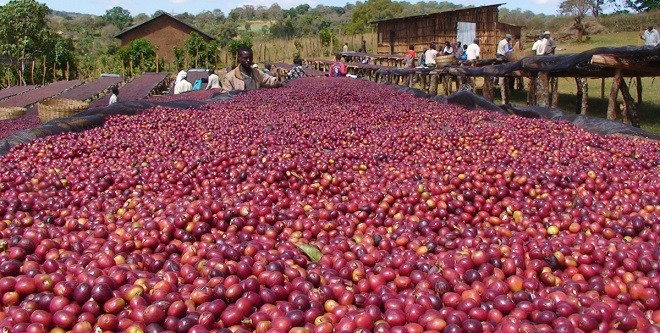
While the FDC supports merging consumptive agencies and entities with their parent ministries, we strongly oppose the Government’s unrealistic efforts to integrate the Uganda Coffee Development Authority (UCDA) back into the Ministry of Agriculture.

We believe that if this rationalization is successful, it will reduce UCDA to a mere desk within the ministry.

We urge the Government to prioritize the interests of coffee farmers and stakeholders. Given UCDA’s achievements—such as enhancing coffee quality and increasing exports to a record-breaking $1.14 billion (approximately UGX 6 trillion)—these gains should not be compromised.

We are concerned about the Ministry of Agriculture’s competence, especially given its record of mismanagement in key sectors. For instance, the fishing industry has suffered from maladministration, prompting the President to deploy the UPDF to oversee it. Likewise, the animal husbandry sector has faced challenges, including allegations of embezzling funds meant for foot-and-mouth disease vaccines.

The FDC’s opposition to the UCDA merger with MAAIF is based on the following key considerations:

AUTONOMY AND EXPERTISE: UCDA’s specialized focus on coffee development has led to improved regulation and quality, equipping coffee farmers with essential skills in planting, handling, harvesting, and storage. Merging it with the Ministry of Agriculture could dilute this expertise.

FARMER INTERESTS: UCDA’s efforts in promoting farmer registration, geo-location, and traceability should continue uninterrupted. We believe that MAAIF lacks the technical competence and capacity to handle these critical tasks.

ECONOMIC BENEFITS: Coffee exports are vital to Uganda’s economy. UCDA has already faced challenges due to underfunding, and placing it under the Ministry of Agriculture could further hinder its core functions and mandate, worsening rather than improving its impact.

OUR PROPOSAL:

1. Maintain UCDA’s autonomy to preserve its expertise and focus on coffee development. UCDA’s track record warrants greater funding, not a reduction in its mandate.

2. Strengthen partnerships between UCDA, the Ministry of Agriculture, and other stakeholders to improve coordination and resource allocation.

3. Prioritize farmer-centric policies that ensure fair prices, improved quality, and sustainable production practices.

By adopting a thoughtful and inclusive approach, the Government can balance rationalization needs with the interests of coffee stakeholders and Uganda’s economic growth. We urge coffee farmers to remain engaged in coffee production as we continue to advocate for the industry’s future.

DARING: Bobi Wine set to visit Kamuli in 3rd phase of NUP countrywide tour

0

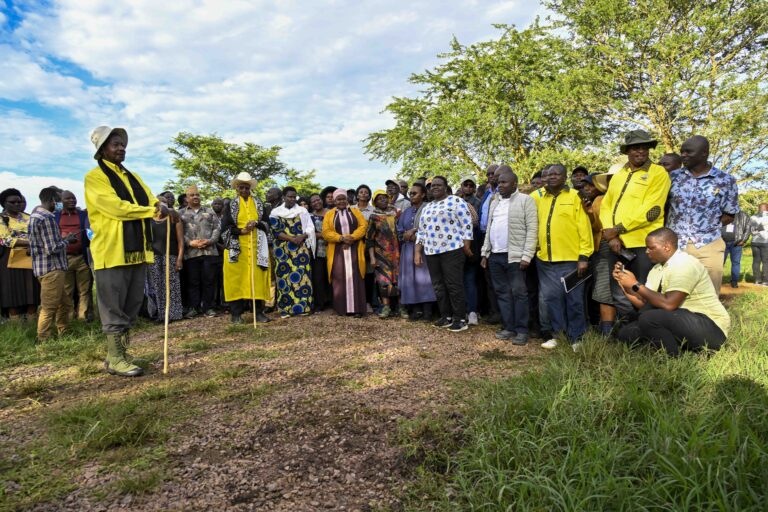
The president of National Unity Platform (NUP), Robert Kyagulanyi Ssentamu also known as Bobi Wine, will Thursday 7th November 2024 kick off phase three of the NUP countrywide tour in Kamuli, eastern Uganda.

The opposition political party said Bobi Wine, christened Ngobi by the people of Busoga, will lead the caravan to Kamuli and proceed to Abim and Soroti before heading to Kisoro the following week for the by-election.   

“We are coming your way to mobilise, agitate and charge you to organise for change,” NUP said ahead of the tour.

In May, government using police and military violently halted Bobi Wine’s procession into enter Kamuli town during the party’s second phase of the countrywide tour.

Police said the gathering was barred because of non adherence to set guidelines that led to public disorder, loss of business, malicious damage to property and dangerous driving.

In the previous week, NUP has been establishing Mobilisation Taskforce Committees at District and Constituency levels in Eastern Uganda, specifically in the sub regions of Teso, Sebei, Bugisu and Bukedi.

The party said the activity has been a tremendous success drawing bigger numbers of party supporters.

CERTIFIED: Ugandan company achieves milestone with API accreditation

0

As competition intensifies and the demand for certifications and accreditations in the oil and gas sector grows, it has become essential for both companies and their workforce to obtain these credentials. Certification not only builds industry trust but also enables organisations to compete at the highest level.

In Uganda, the lack of such accreditations has been a barrier, limiting local companies and workers from participating more extensively in the oil and gas industry. Since the Final Investment Decision (FID) in February 2022, the Petroleum Authority of Uganda (PAU) has approved contracts totalling approximately USD 7.16 billion, of which about USD 1.8 billion (or UGX 7 trillion) has been awarded to Ugandan companies.

This trend could shift significantly with the recent achievements of a local Ugandan companies getting international certifications and accreditations.

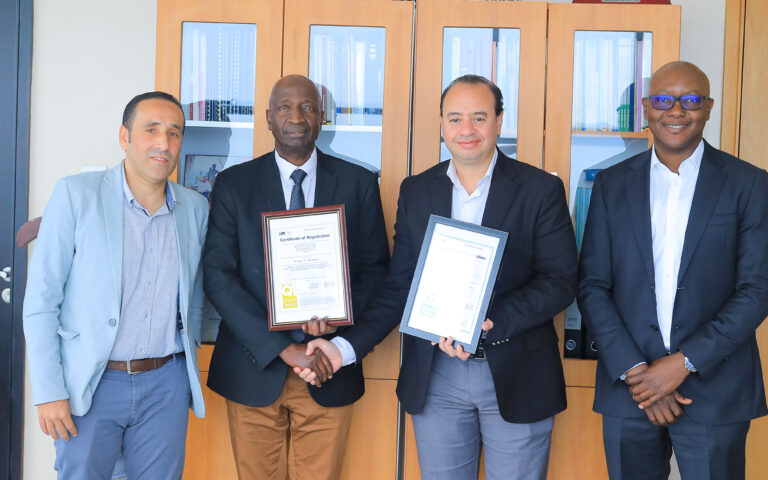
One such local company that has registered this milestone as thefirst domestically established company to get accredited by the American Petroleum Institute (API), the global leader in setting standards for the oil and gas industry is E&E Experts Co. (U) Ltd. The accreditation received by E&E Experts enhances its credibility both locally and internationally.

E&E Experts Co. (U) Ltd, a local Ugandan company specialising in drill pipes, casing, tubing, oil and gas supplies, inspection and audit services, chemical supply, steel structure manufacturing, technical consulting, spare parts, and flange manufacturing, has been awarded four API certifications. This accomplishment positions the company as a key player in the oil and gas sector, meeting internationally recognised standards.

These certifications also elevate the Ugandan oil and gas industry on the global stage, enhancing its competitive advantage. They demonstrate that Uganda’s local companies are advancing rapidly and competing favourably with international counterparts.

API standards are globally recognised benchmarks that promote consistent, safe, and reliable engineering and operational practices within the oil and gas industry. These standards ensure the safety, quality, and interchangeability of equipment and materials—ranging from drill bits to environmental protection systems.

By establishing clear guidelines, API standards help streamline operations, enhance performance, minimise risks, and ensure that materials meet internationally accepted safety and environmental protection criteria.

Boosting Local Competitiveness

During the presentation of the certificates to Mr. Ernest Rubondo, Executive Director of the Petroleum Authority of Uganda (PAU), E&E Experts’ Country Manager, Muhamed Mahmoud Raafat, emphasized the significance of the API accreditation for the company’s profile and competitiveness.

“Operational excellence, environmental compliance, and competitive advantage enable us to work globally, enhance our market competitiveness, streamline costs, and reduce operational complexity,” said Muhamed.

Mr. Rubondo praised the development, stating that it is a positive step for Uganda’s local content goals. With this accreditation, a Ugandan company can now not only serve the oil and gas industry within Uganda but also expand into the regional market, being the only local entity with the required certification.

Addressing Local Content Challenges

Many Ugandan companies have struggled to win tenders in the highly regulated oil and gas industry due to the lack of essential international certifications. As a result, non-local companies often secure contracts that could otherwise be fulfilled by Ugandan firms. This development, according to Mr. James Musherure, Senior National Content Officer at PAU, sets a new benchmark for local companies.

“Having a certified local company will encourage other Ugandan firms to seek similar international accreditations. These standards cover everything from human resource management to operational efficiency, safety, environmental compliance, and material quality,” Musherure noted.

He further emphasised that certifications like API are the minimum requirement for any company to earn trust and provide services in the oil and gas industry globally.

Challenges in Building Capacity

Mr. Muhamed shared that it took considerable time and effort for E&E Experts to build systems that comply with API standards. “You need to demonstrate excellent product quality, material standards, and client satisfaction. Investing in human resource training and technical upgrades is critical to meeting industry requirements,” he added.

However, the challenge remains that few local companies or individuals in Uganda are familiar with these international standards. Currently, E&E Experts has only one locally trained Quality Control and Quality Management expert, highlighting the need for more investment in building local capacity.

The company has established operations in Buliisa, where it supplies repair and material services to TotalEnergies E&P, COSL (CNOOC Uganda Ltd’s drilling service provider at the Kingfisher Project), and SLB, which provides drilling services for the Tilenga project. E&E Experts is also sharing its experience with local companies to guide them on achieving international certifications like API.

Wider Implications for Uganda’s Industry

Muhamed stressed the need to extend this training beyond the oil and gas sector, reaching other industries such as manufacturing and services. “This isn’t just an oil and gas challenge; the entire supply chain, including suppliers in other sectors, needs to meet these standards,” he said.

One of the major hurdles faced by local companies is the lack of capacity for equipment calibration and material certification. Most Ugandan suppliers do not meet API material certification requirements, leading to the importation of materials from certified suppliers abroad. This gap can negatively impact the environment and hinder effective mitigation in case of technical challenges.

Efforts to Close the Standards Gap

The Uganda National Bureau of Standards (UNBS) is mandated to ensure that all materials supplied in the country are certified, but this has not yet been fully implemented. The oil and gas sector, however, is working to bridge this gap. In 2020, UNBS and PAU signed a Memorandum of Understanding to develop these standards, but as PAU notes, building the necessary capacity is an ongoing process.

With E&E Experts’ certification, more local companies may now be motivated to pursue international accreditation to tap into opportunities in the oil and gas sector. However, the cost and maintenance of these certifications remain a significant challenge for many firms. To address this, the PAU is working with industry stakeholders to host quarterly supplier development workshops aimed at enhancing the capacity of local firms and encouraging them to obtain the necessary certifications to compete in the oil and gas sector.


STANBIC PMI: Ugandan business conditions improve in October

0

The latest Stanbic Purchasing Managers’ Index (PMI) data reveals a sustained expansion in Uganda’s private sector for the seventh consecutive month, as business activity and new orders continue to rise. The headline PMI for October recorded a value of 52.9, slightly down from September’s 54.2, yet still indicating positive growth in business conditions.

According to the data collected between October 10 and 29, 2024, the improvement in the Ugandan private sector is largely attributed to increased demand, prompting firms to ramp up their output and hire additional staff. This growth is supported by greater spending on advertising and enhancements in product quality, contributing to buoyant demand conditions across various sectors.

MulaloMadula, Senior Analyst at Stanbic Bank, commented on the findings, stating, “The latest PMI data for Uganda indicated a sustained expansion in the Ugandan private sector, marking the seventh consecutive month of growth. The persistent increase in output reflects favourable demand, prompting companies, particularly in the manufacturing sector, to hire more staff, even as backlogs of work declined.”

While firms reported a rise in both purchase and staff costs, leading to higher overall input prices, the ability to pass these costs onto consumers resulted in increased selling prices. This trend suggests a healthy demand environment, as all five monitored sectors experienced a rise in expenses. The survey highlighted that higher wage bills and raw material costs were significant factors driving inflation.

This research further highlights a positive demand outlook, where Ugandan businesses have also expanded their inventory levels, preparing for anticipated future growth.

Mulalo adds that despite the increase in costs, the overall business sentiment remains optimistic, with firms expressing confidence in continued demand trends and planned advertising spending.

“The persistent increase in output reflects favourable demand, prompting companies, particularly in the manufacturing sector, to hire more staff, even as backlogs of work declined. The October PMI results underscore the resilience of the Ugandan economy, with businesses benefiting from buoyant demand.” Mulalo said adding that the sustained increase in output is encouraging, and firms are optimistic about future growth, bolstered by planned advertising spending and expectations of continued demand. Moreover, the survey revealed rising input prices, as both purchase and staff costs saw increases, leading to higher selling prices.

However, the ability of businesses to pass these costs onto consumers suggests a healthy demand environment. Overall business sentiment remains positive, indicating that the private sector is likely to maintain its growth trajectory.

The data underscores the resilience of the Ugandan economy, with the PMI results indicating that the private sector is likely to maintain its growth trajectory in the coming months. As firms navigate the challenges of rising costs, their ability to adapt and respond to market demands will be crucial in sustaining this upward momentum.

The Stanbic PMI is compiled by S&P Global from responses to questionnaires sent to about 400 purchasing managers. The sectors covered by the survey include agriculture, mining, manufacturing, construction, wholesale, retail and services.

The PMI is a weighted average of the following five indices: New Orders (30%), Output (25%), Employment (20%), Suppliers’ Delivery Times (15%) and Stocks of Purchases (10%).

PEACE IN SUDAN: Museveni meets US special envoy for Sudan

0

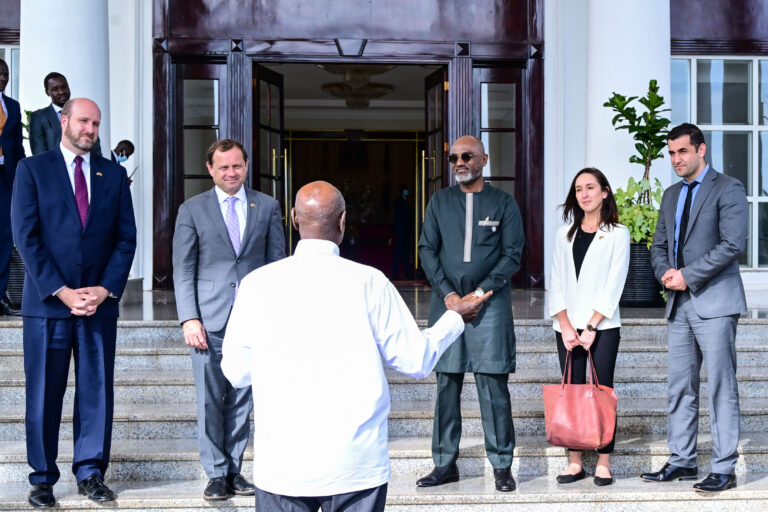
President Yoweri Kaguta Museveni met and held discussions with the US Special Envoy for Sudan, Tom Perriello at State House, Entebbe.

The envoy was accompanied by the US Ambassador to Uganda, William W. Popp.

Museveni and his guest discussed matters concerning security and how to end the conflict in Sudan.

Perriello thanked President Museveni for his key role in mediating the conflict where the President emphasised the importance of dialogue and reconciliation within the country.

The envoy further appreciated the President’s guidance and wisdom as far as the peace process is concerned.

“We came to seek your wise counsel and guidance on this matter,” he said.

The meeting which was attended by Uganda’s Permanent Representative at the United Nations, Ambassador Adonia Ayebare also discussed ways of implementing the African Union’s Peace and Security Council communique on Sudan.

BUSY PRESIDENT: Museveni’s PDM tour of Bukedi sub-region rescheduled 

0

The Presidential Press Unit (PPU) has released a statement inform the General Public that due to other pressing state duties, the Parish Development Model (PDM) assessment tour by President Yoweri Kaguta Museveni, in Bukedi Sub-Region has been rescheduled from November 6, 2024, to November 8, 2024, and will last for three days until November 10, 2024.

During the tour, the President will meet stakeholders including different categories of leaders, technical staff, selected model farmers and address a public rally.

Meanwhile, Museveni has assured the National Resistance Movement (NRM) Parliamentary Caucus that since coming to power in 1986, his government has been working for the socio-economic transformation of Ugandans.

“A country like Uganda is very rich, it has got a lot of national resources but the problem is that the population did not know how to use the national resources to live a good way; the modern way and that's why we have been advising them that they need to move on two fronts. Number one, free education for all and number two, prosperity /wealth creation for all,” he said.

The President made the remarks on 3rd November while meeting the NRM Parliamentary Caucus led by the Government Chief Whip, Denis Hamson Obua at his Kisozi farm in Gomba District.

Dj Dark – Chill Vibes

0

We woke reasonably late following the feast and free flowing wine the night before. After gathering ourselves and our packs, we headed down to our homestay family’s small dining room for breakfast.

Refreshingly, what was expected of her was the same thing that was expected of Lara Stone: to take a beautiful picture.

We were making our way to the Rila Mountains, where we were visiting the Rila Monastery where we enjoyed scrambled eggs, toast, mekitsi, local jam and peppermint tea.

We wandered the site with other tourists

Yet strangely the place did not seem crowded. I’m not sure if it was the sheer size of the place, or whether the masses congregated in one area and didn’t venture far from the main church, but I didn’t feel overwhelmed by tourists in the monastery.

Headed over Lions Bridge and made our way to the Sofia Synagogue, then sheltered in the Central Market Hall until the recurrent (but short-lived) mid-afternoon rain passed.

Feeling refreshed after an espresso, we walked a short distance to the small but welcoming Banya Bashi Mosque, then descended into the ancient Serdica complex.

We were exhausted after a long day of travel, so we headed back to the hotel and crashed.

I had low expectations about Sofia as a city, but after the walking tour I absolutely loved the place. This was an easy city to navigate, and it was a beautiful city – despite its ugly, staunch and stolid communist-built surrounds. Sofia has a very average facade as you enter the city, but once you lose yourself in the old town area, everything changes.

Clothes can transform your mood and confidence. Fashion moves so quickly that, unless you have a strong point of view, you can lose integrity. I like to be real. I don’t like things to be staged or fussy. I think I’d go mad if I didn’t have a place to escape to. You have to stay true to your heritage, that’s what your brand is about.

Leona Lewis – Bleeding Love (Dj Dark & Adrian Funk Remix)

0

We woke reasonably late following the feast and free flowing wine the night before. After gathering ourselves and our packs, we headed down to our homestay family’s small dining room for breakfast.

Refreshingly, what was expected of her was the same thing that was expected of Lara Stone: to take a beautiful picture.

We were making our way to the Rila Mountains, where we were visiting the Rila Monastery where we enjoyed scrambled eggs, toast, mekitsi, local jam and peppermint tea.

We wandered the site with other tourists

Yet strangely the place did not seem crowded. I’m not sure if it was the sheer size of the place, or whether the masses congregated in one area and didn’t venture far from the main church, but I didn’t feel overwhelmed by tourists in the monastery.

Headed over Lions Bridge and made our way to the Sofia Synagogue, then sheltered in the Central Market Hall until the recurrent (but short-lived) mid-afternoon rain passed.

Feeling refreshed after an espresso, we walked a short distance to the small but welcoming Banya Bashi Mosque, then descended into the ancient Serdica complex.

We were exhausted after a long day of travel, so we headed back to the hotel and crashed.

I had low expectations about Sofia as a city, but after the walking tour I absolutely loved the place. This was an easy city to navigate, and it was a beautiful city – despite its ugly, staunch and stolid communist-built surrounds. Sofia has a very average facade as you enter the city, but once you lose yourself in the old town area, everything changes.

Clothes can transform your mood and confidence. Fashion moves so quickly that, unless you have a strong point of view, you can lose integrity. I like to be real. I don’t like things to be staged or fussy. I think I’d go mad if I didn’t have a place to escape to. You have to stay true to your heritage, that’s what your brand is about.

How Nancy Reagan Gave Glamour and Class to the White House

We woke reasonably late following the feast and free flowing wine the night before. After gathering ourselves and our packs, we headed down to our homestay family’s small dining room for breakfast.

Refreshingly, what was expected of her was the same thing that was expected of Lara Stone: to take a beautiful picture.

We were making our way to the Rila Mountains, where we were visiting the Rila Monastery where we enjoyed scrambled eggs, toast, mekitsi, local jam and peppermint tea.

We wandered the site with other tourists

Yet strangely the place did not seem crowded. I’m not sure if it was the sheer size of the place, or whether the masses congregated in one area and didn’t venture far from the main church, but I didn’t feel overwhelmed by tourists in the monastery.

Headed over Lions Bridge and made our way to the Sofia Synagogue, then sheltered in the Central Market Hall until the recurrent (but short-lived) mid-afternoon rain passed.

Feeling refreshed after an espresso, we walked a short distance to the small but welcoming Banya Bashi Mosque, then descended into the ancient Serdica complex.

We were exhausted after a long day of travel, so we headed back to the hotel and crashed.

I had low expectations about Sofia as a city, but after the walking tour I absolutely loved the place. This was an easy city to navigate, and it was a beautiful city – despite its ugly, staunch and stolid communist-built surrounds. Sofia has a very average facade as you enter the city, but once you lose yourself in the old town area, everything changes.

Clothes can transform your mood and confidence. Fashion moves so quickly that, unless you have a strong point of view, you can lose integrity. I like to be real. I don’t like things to be staged or fussy. I think I’d go mad if I didn’t have a place to escape to. You have to stay true to your heritage, that’s what your brand is about.