Sunday, March 15, 2026
Home Blog Page 11

BUYENDE DISTRICT: Takozekibi breaks ranks with Dhamuzungu’s Team Tweyambe Beene, cites betrayal and endorsement of oppressors

0

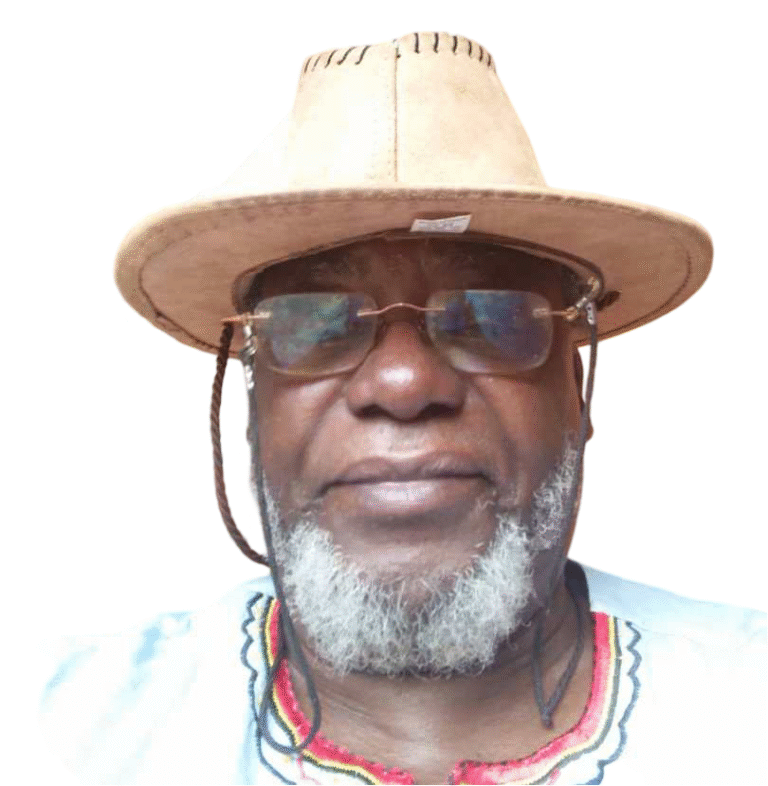
Former NRM parliamentary aspirant and political mobiliser David Takozekibi has officially severed ties with Team Tweyambe Beene, a social and political grouping in Budiope East, Buyende district, accusing its leadership of abandoning the ideals that originally united them and instead embracing individuals he links to past political violence in Budiope.

In a strongly worded statement, Takozekibi announced that he could no longer “lend [his] name or conscience” to the team’s current decisions—particularly the endorsement of Sarah Namulondo for Woman Member of Parliament (WMP) for Buyende District.

Takozekibi alleges that Namulondo has openly collaborated with “the very oppressors who spilled not only my blood, but the blood of many Badiope, including my own brother,” during earlier political clashes in the area.

“I stand for justice and fairness, not politics of survival,” he declared. “I refuse to align with any formation that rewards impunity or sanitises violence for political convenience.”

Rift Triggered by 2025 NRM Primaries

Takozekibi previously served as Head of the 2025 Geoffrey Dhamuzungu Campaign Team. Dhamuzungu, the Principal of Team Tweyambe Beene, had planned to run for the Budiope East MP seat but withdrew after the chaotic NRM primaries.

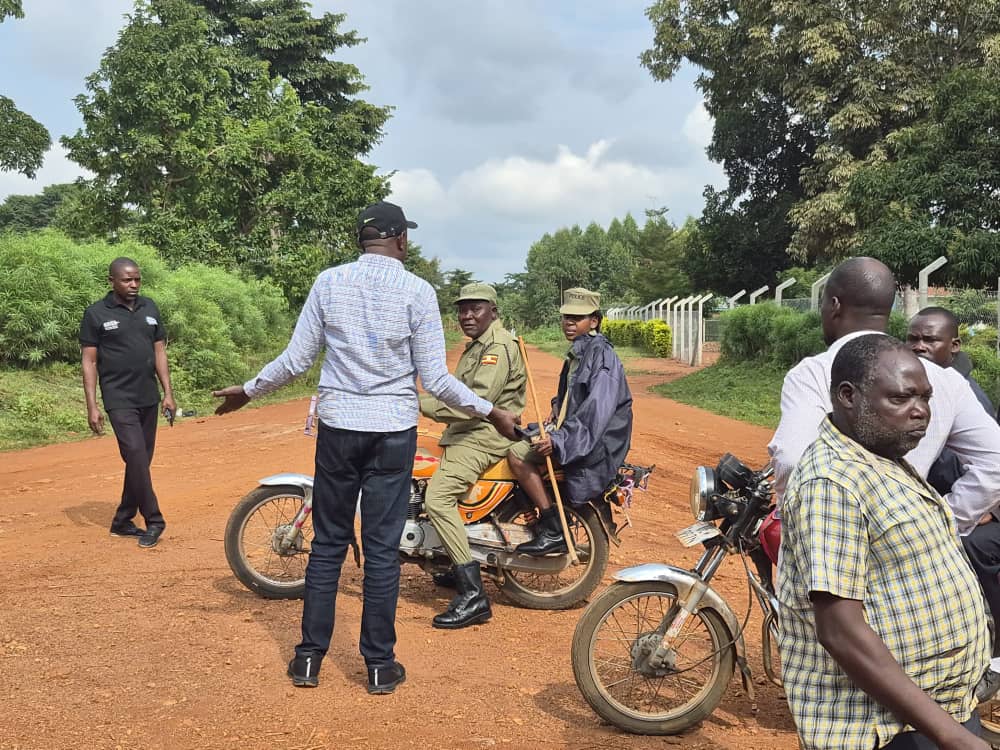
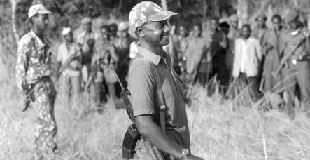
David Takozekibi confronts a roadblock manned by both the police and military in Bugaya sub county, Buyende district during the recently held NRM primaries.

The same seat is currently held by Moses Magogo, the FUFA President, who defeated Dhamuzungu in 2021 and is seeking re-election in 2026.

Takozekibi, who was a petitioner in the 2021 Budiope East NRM primaries, has remained active as a community advocate for democracy, rule of law, and economic empowerment.

Accusations Against Namulondo, Babalanda, Among and Magogo

In his statement, Takozekibi accuses Namulondo, now the NRM flag bearer for Buyende WMP, of working closely with Minister Milly Babalanda who is aspiring MP for Budiope West, Speaker Anita Among who is Moses Magogo’s wife and Moses Magogo, MP for Budiope East

According to Takozekibi, the trio played a role in orchestrating electoral violence across Buyende during the NRM primaries. Reports from the district indicated widespread vote rigging, bribery, intimidation, and clashes among rival camps.

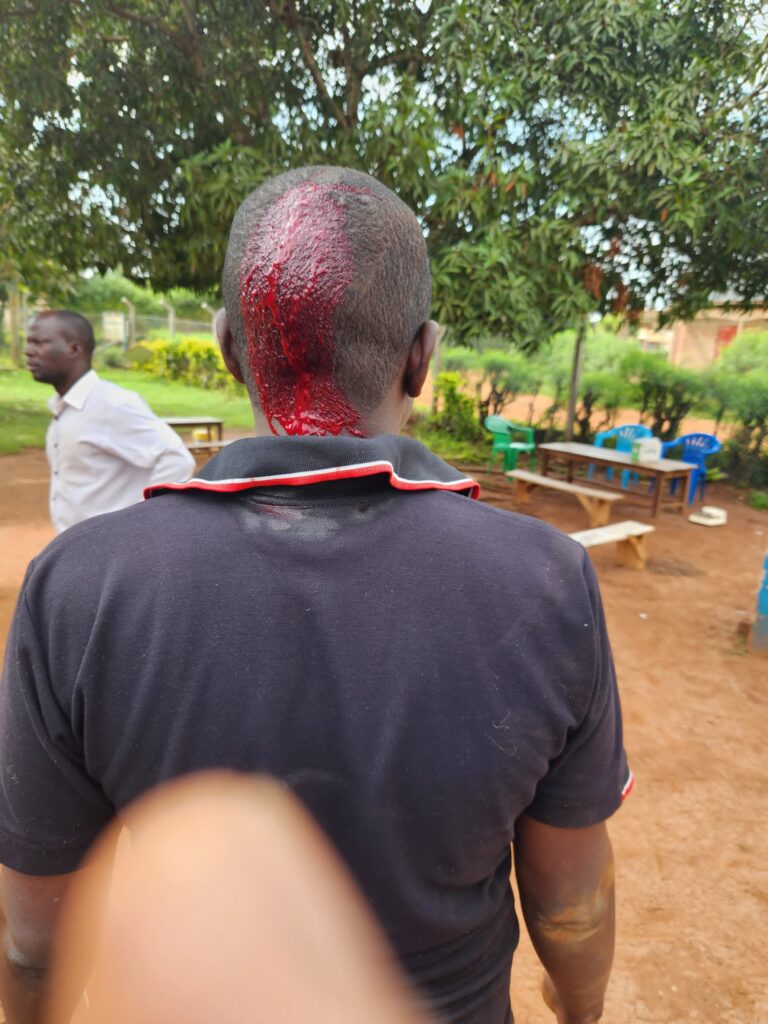
David Takozibi alleges that goons hired by the Speaker and his husband, Moses Magogo, and security personnel beat up his brother and driver, Daniel Bagire, shuttering his head.

He alleges that Team Tweyambe Beene’s endorsement of Namulondo amounts to legitimising the same political forces he believes are responsible for the unrest and bloodshed that affected his family and supporters.

A Fractured Political Landscape

Takozekibi’s departure further exposes the deep divisions within Buyende’s NRM structures following the contentious primaries. His statement is expected to stir debate in Budiope’s already tense political environment as both incumbents and new aspirants prepare for the 2026 general elections.

Despite stepping away from the team, Takozekibi maintains that he will continue championing the values he has always stood for: justice, fairness, and peaceful political participation.

MEDICAL SERVICES: Free health camp to boost community wellness at the 10th Olwekobaano Energy Expo 2025 in Kaliro

0

As anticipation builds for the 10th Olwekobaano Energy Expo 2025, organizers have announced that this year’s edition will feature an extensive Free Health Camp, aimed at improving the wellbeing of communities across Busoga.

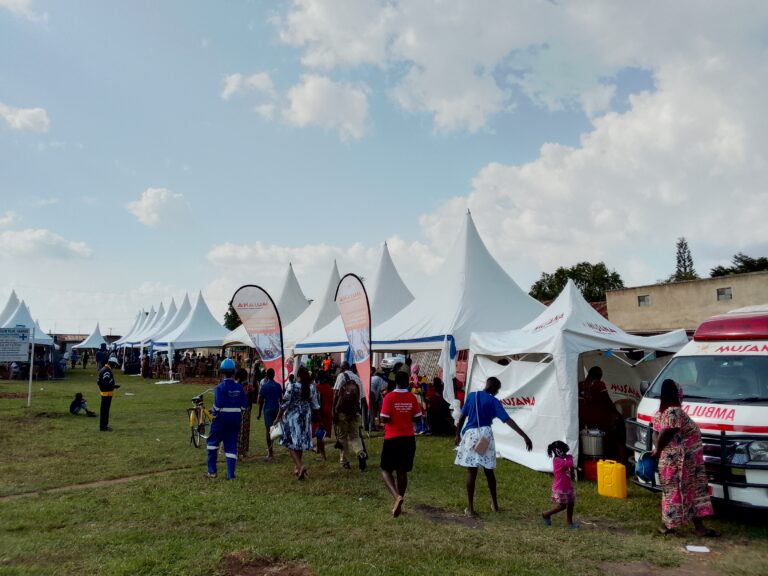
The camp, scheduled to run from December 12th to 15th at the Green Belt in Kaliro and the Kaliro Country Resort, is expected to attract thousands of residents seeking essential health services alongside the energy-focused exhibitions.

The initiative is part of Busoga Yaiffe’s broader commitment to integrating community health with sustainable development, ensuring that the benefits of the expo extend beyond technology and clean energy.

Julius Kiduka, District Health Educator, Kaliro District, who is leading the medical component of the event, emphasized the value of bringing accessible healthcare directly to the people.

“Many community members delay seeking medical care due to distance, cost, or lack of awareness. This free health camp is bridging that gap by offering diagnostics, treatment, maternal health services, and health education under one roof. It is a crucial step toward improving our district’s health outcomes,” Kiduka said.

He revealed that over 1000 people received medical services. “From that time, people have been asking me, when the medical camp is happening again. Now that the expo and the medical camp are returning this month, I call upon the people in Kaliro and surrounding to district to turn up in big numbers.”

Busoga Yaiffe President, Dr. Charles Mbalyohere, noted that health is fundamental to socio-economic progress, making it an essential pillar of the annual expo.

“Clean energy drives development, but so does good health. We introduced the free health camp to ensure that as we promote sustainable technologies, we also uplift the health and resilience of our communities. A healthy population is better positioned to adopt and benefit from modern energy solutions,” Dr. Mbalyohere explained.

Several organizations will partner with Busoga Yaiffe to deliver comprehensive medical services, ranging from general check-ups to specialized care.

One of the partners providing health services. For many residents who benefited from previous medical camps, the announcement has sparked optimism and gratitude.

Jane Namusubo, a mother from Kaliro, shared how the last health camp changed her family’s wellbeing:“I discovered my blood pressure was very high during last year’s expo. The doctors helped me before it became worse. I’m bringing my whole family again this year because these services save lives.”

Another beneficiary, Samuel Kibalya, a boda boda rider, praised the camp for offering services he otherwise could not afford. “The free eye screening helped me go back to work safely. I wouldn’t have paid for those tests on my own. The camp is a blessing to us,” he said.

With thousands expected to attend, organizers assure the public that the health camp will be well-equipped, staffed, and structured to handle large numbers efficiently.

As preparations intensify, the Free Health Camp remains one of the most anticipated components of the Olwekobaano Energy Expo 2025, reaffirming the expo’s role not just as a hub of innovation and clean energy, but as a catalyst for holistic community development.

DOMINANT DISPLAY: Busoga United FC Step Out of the Relegation Zone

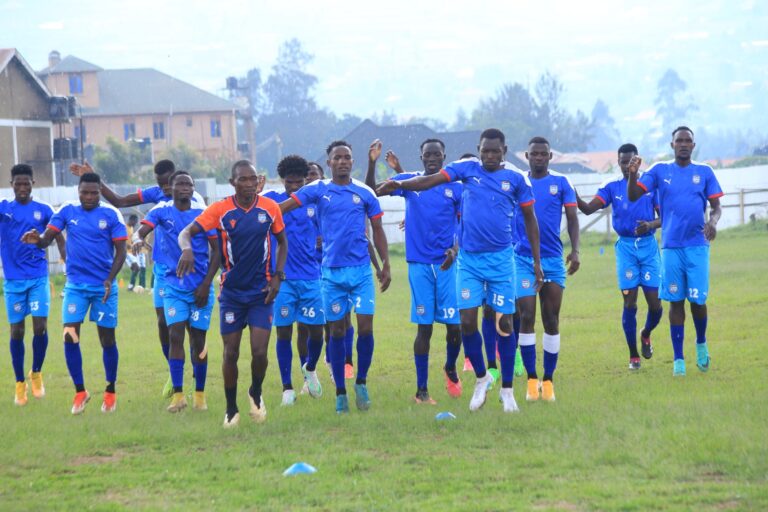
Busoga United FC finally registered their first win of the season after comfortably defeating Busia Young Stars FC 4–1 in their Match Day Four fixture at the FUFA Technical Centre in Njeru on Tuesday evening.

The Jinja-based side showed renewed spark and determination, with goals from Magumba Baker, Mugomba Franco, Waswa Danson, and Edrine Mukisa opall y sealing an emphatic victory and restoring confidence in their third-division campaign.

The win lifted Busoga United to 8th position on the 12-team log, pulling them out of the relegation zone. As of Wednesday morning, they sit just six points behind table leaders Amus College.

This breakthrough victory comes after a difficult start to the season. Busoga United opened their campaign with a 3–0 loss to Amus College, followed by a goalless draw with Held, a 2–2 draw against UCC, and a narrow 1–0 defeat to Iganga Young FC.

With momentum now shifting in their favour, Busoga United will hope to build on this performance as they enter a busy December schedule. Their next three fixtures are:

December 9th: Away vs IUIU Sports Club at Mbale City Stadium

December 16th: Home vs Walukuba Corporate FC

December 30th: Home vs JMC Hippos FC

The win over Busia Young Stars marks what could be a turning point in Busoga United’s push to climb the regional league standings

DELIVERANCE: Is the traditional clergy ready to be part of the people’s craving for a genuine liberation in Uganda?

0

By Oweyegha-Afunaduula

In this article, I exclude the Full Gospel groups and the Pentecostals or the so-called Savedees, and all the other religious groups that President Idi Amin banned. I exclude them because, for the last 40 years, these believers have been associated with the ruling National Resistance Movement (NRM) regime, which they believe is the reason why they exist and have survived religiously.

It should, however, be remembered by those, like Rev Dr Amos Kasibante, who were the first to attend the ideological and military instructions at Kyankwanzi, soon after President Tibuhaburwa Museveni captured the instruments of power in 1986 that the emergents from the bushes of Luwero agitated against Christianity, to which the majority of the citizens subscribed as their religious faith

It was not surprising, therefore, that along the way the National Resistance Movement/Army realized it was waging a losing battle against Christianity to which the absolute majority of Ugandans religiously belonged.  Today, the NRM government feels more comfortable with Christians than with Muslims. It has strategized to enhance its political capital by having close “spiritual-political ties with especially the Full Gospel Churches, Pentecostal Churches and other non-denominational religious groups. Some of the churches have distinguished themselves as highly religiooilitical.

At the forefront are Nabbi Daudi Isinga’s Universal Apostle’s Church of Righteousness and Aloysius Bugingo’s House of Prayer Ministries International.  Isinga and Bugingo have distinguished themselves as NRM religiooilitical activists behind the pulpit. Both have demonstrated that they are uncompromising supporters of President Tibuhaburwa Museveni and his son, Muhoozi Kainerugaba. They believe that if it is not Tibuhaburwa Museveni to be President then it must be Muhoozi Kainerugaba. They, therefore, believe what I called hereditary politics in another article.

Most other members of the non-denominational churches are not far from this belief system. They constitute a dependable political base for President Tibuhaburwa Museveni and his party. That is why I wrote an article titled “Role of Pro-regime Political Pastors in De-Democratisation of Uganda” published by Daily Monitor on 8 December 2024. 

Therefore, if Ugandans wanted change of leadership and governance of their country, it would be an uphill task to get the faifuls of the Full Gospel Churches, Pentocostal churches and other non-denominational churches participate effectively a struggle for genuine liberation without guns.

President Idi Amin Dada had banned a total of 27 Christian religious groups in the 1970s on the grounds that they were a security risk. Among the banned religious groups were the Seventh Day Adventist Church, the Salvation Army, the Uganda Baptist Church, the  Bahai, the Full Gospel Churches and the Pentocostal Chrches. He decreed that all Ugandans should religiously belong to the three denominational religious groups, then know as Roman Catholic Church, Anglican Church, Orthodox Church ( today known as Catholic Church of Uganda, Church of Uganda and Orthodox Church of Uganda) and the Islam faith.

There are some 2300 Full Gospel church groups and 243 Pentecostal church groups in Uganda today, but they all have their origins in the early 1960s. The Full Gospel churches can include nonpentocostal groups such as charismatic or non-denominational groups.

There are persistent claims that the President has pumped a lot of public money in these churches to establish or sustain some of them,  with the aim of expanding his political base. Many faithfuls who used to belong to the traditional faiths have flocked to them, mainly because their clergy spend a lot of their time and energy preaching about money and prosperity rather than spiritual salvation. Because of this, the faithfuls give a lot of money in form of offerings in the hope of becoming prosperous, but instead they make the clergy maintain  themselves among the wealthiest people in Uganda.

At one time during a Full Gospel Churches Annual Pastors Conference in Mpigi at which the President was represented by his Prime Minister, Robbinah Nabbanja, he said:

“I thank God for your remarkable journey of growth and multiplication as the Full Gospel in Uganda… I congratulate you upon your wonderful achievement, which is skin to Jesus”. He was happy with the wealth Creation attitude, which is universally present among them and is equivalent to his own multibillion shillings heavy – Operation Wealth Creation.

He reminded his audience that in the past there was an attempt to suppress the Balokole  (Savedees) Movement in Uganda. Without mentioning that in fact soon after capturing the instruments of power, his triumphant movement – National Resistance Movement (NRM) agitated against Christianity during the Mchaka Mchaka drills and lessons in Kyankwanzi ideological school. He told his audience that some religious leaders tried to decampaign the Pentocostal faith and advised government to ban Balokole churches that he refused.

The President thanked the pastors for preaching a holistic ministry that is concerned about both the physical and spiritual needs of the faithfuls. However, Jesus warned us that we cannot serve two masters; in this case the “physical” and the “spiritual”. In fact the tendency has been for the pastors to stress prosperity rather than spirituality, and in the process very many of them have fallen short of the glory of God.

What I am trying to tell you the readers of this article is that for many pastors the stance of President Tibuhaburwa Museveni on wealth Creation has rhymed well with the prosperity teaching of the nontraditional churches. And so, the President has had a lot of influence on them since he uses money as a political tool to get his ideas implemented by buying the consciences of many.

Pastors receive a lot of money from the functionaries of the NRM when they go for prayers. That moves the pastors to pray for the functionaries to become even more prosperous. The pastors never bother to find out whether the money offered was not got from corrupt ways. Yet we now know that almost 10 trillion shillings is lost annually through the corruption of thevgovernment officials at different levels of governance.

It is, therefore, unlikely that most of the pastors of the nontraditional churches will support anyone who wants change from President Tibuhaburwa Museveni to another leader. However, others like Pastor Male do not hide their wish for meaningful change from President Tibuhaburwa whom they accuse him of dishonesty because he said “The Problem of Africa is Leaders who overstay in Power” but he has overstayed for almost 40 years.

Therefore, the Clergy I am interested in this article are those of the Catholic Church of Uganda, the Church of Uganda, the Orthodox Church of Uganda, and the Islamic faith, generally.

The question is are they,vunlike the majority of the pastors in the nontraditional churches, ready for change in leadership and governance at all levels of governance of the country? I am asking this question because the majority of the clergy have chosen the conspiracy of silence concerning change in the country. They are silent on the issues that matter such as corruption, ethnicity, land grabbing, injustice and even imposed poverty.

Let me tell you a short story. One time in 1995, Dr. Igeme Katagwa of the then Faculty of Social Science at Makerere University, who later wrote a good doctoral thesis on “From Bushes to Community: Framework for Reintegration of Former Child Rebel Combatants in Northern Uganda”, invited me to address the Bishops of the Church of Uganda during their Colloquium at the Lweza Training and Conference Centre. The topic we agreed was “Linking Christianity, Development and Environmental Conservation Towards the 21st Century”  I accepted the invitation. 

Professor Wangoola Wangoola was to facilitate my talk. Bishop Cyprian Bamwoze, the late Bishop of Busoga Diocese, was to chaire the Talk.

The then Achibishop of the Church of Uganda, Livingston Mpalanyi Nkoyoyo (1995-2004) was in my audience Virtually all the Bishops of the Church of Uganda were present. Apart from Archibishop Nkoyoyo and Bishop Bamwoze,  Bishop Geresom Illukol of Teso (1935-2013), Dr Rev Nicodemus Engwalas Okile of Bukedi,Bishop Yoran Bamunoba of West Ankole and Bishop Luke Orombi were among those who attended my historic talk.

During my talk, I stressed the need for the church leaders to see how they could free the church from governmental influence, which is exercised  through the ritualic donations of vehicles from President Yoweri Museveni, as he was called then, to every new Bishop and Archibishop.

I said that the practice would make them silent when society needed them most to play their leadership role more effectively by talking about democracy, freedom, equity, justice and issues such as extrajudicial killings or bad laws that harm their sheep.

I told them that the boundary between religion and politics was very thin.

I said that there is a thin boundary between political leadership and spiritual leadership since they both aim at improving the quality of life of the citizens physically, spiritually and mindwise.

Let me repeat The Ten Million Dollar question: “Are the religious leaders of the traditional churches ready to participate in another liberation of Uganda, like many of them did between 1981 and 1986?”

Ugandans need another genuine liberation by Ugandans, for Ugandans with Ugandans of all stations, free of guns and tear gas, wheby all citizens will enjoy democracy, freedom and justice, and respect the National flag.

It seems to me that the clergy of the Catholic Church and of Islam are more ready to participate in another, more genuine liberation than their counterparts in the Church of Uganda.

For God and My Country.

Prof, Oweyegha-Afunaduula

Center for Critical Thinking and Alternative Analysis

CHILD POVERTY: New UBOS survey to guide Uganda’s child welfare and development agenda

0

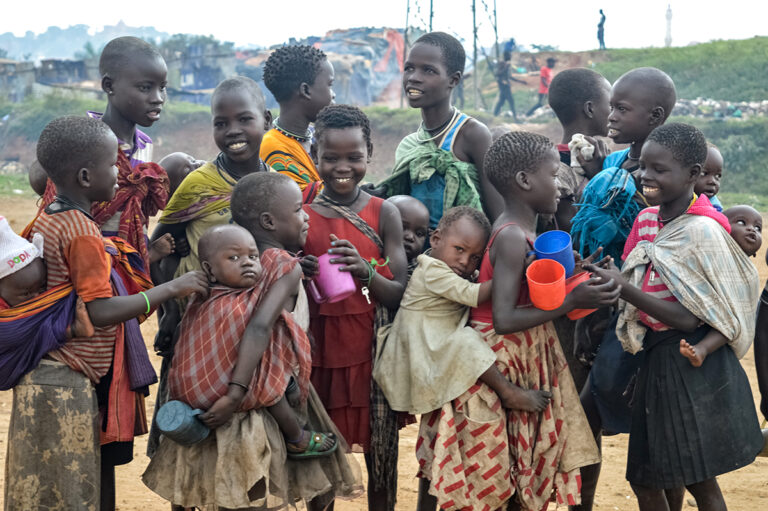
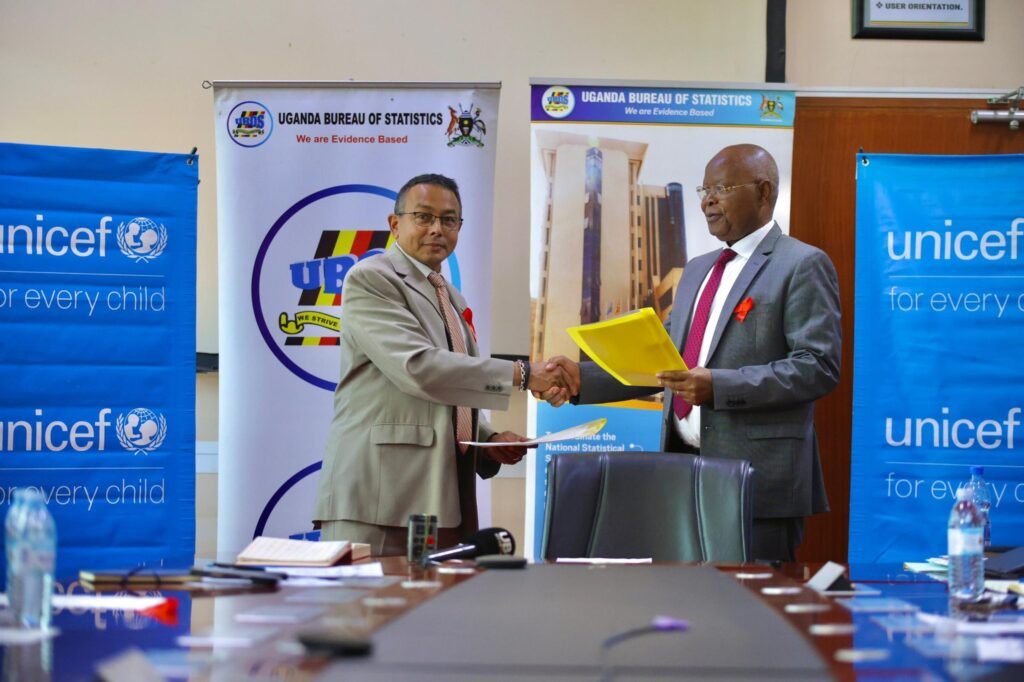
The Uganda Bureau of Statistics (UBOS) has signed a Memorandum of Understanding with UNICEF to kick-start Uganda’s first-ever Multiple Indicator Cluster Survey (MICS) 2026/27, marking a major step toward strengthening the country’s national statistical system and ensuring that every child is counted and included in the development agenda.

The partnership, formalized on Monday, will generate high-quality, inclusive data crucial for monitoring NDP IV, tracking Sustainable Development Goals (SDGs), and assessing progress on child rights across the country. Officials noted that better data will enable better planning—and ultimately better outcomes—for children and families.

Dr. Chris N. Mukiza, the UBOS Executive Director, highlighted the significance of the upcoming survey, noting that child poverty in Uganda remains persistent based on findings from a similar assessment conducted six years ago. “The MICS 2026/27 will play a critical role in updating this evidence to guide national planning,” he said.

Dr. Mukiza outlined the roadmap ahead, noting that 2026 will focus on preparatory activities, including the formation of technical teams, training, and fieldwork, leading to the completion and dissemination of the final MICS report in 2027.

The Uganda Bureau of Statistics signed a Memorandum of Understanding with UNICEF to kick-start Uganda’s first-ever Multiple Indicator Cluster Survey 2026/27

He also reaffirmed UBOS’s commitment to transparency and accountability throughout the process, citing the institution’s clean track record. “No coin will be lost during this survey. During the Census, there was no case of misuse of resources,” Dr. Mukiza emphasized.

UNICEF’s Representative to Uganda, Dr. Robin Nandy, applauded the launch, describing the survey as a milestone that places children at the center of national development priorities. “The Multiple Indicator Cluster Survey 2026/27 is designed to ensure every child is counted and no one is left behind,” he said.

Dr. Nandy noted that the data collected will guide national strategies, empower communities, and enable development partners and donors to channel support where it is needed most for children and families across Uganda. He emphasized the human story behind the statistics: “Behind each statistic is a human—a child who deserves to grow up healthy and educated, a mother seeking safe water and nutrition, and a community striving for a brighter future.”

Assuring full UNICEF support, Dr. Nandy reaffirmed commitment to the highest standards of data quality and integrity throughout the process. MICS has been conducted in more than 120 countries, with over 400 surveys completed globally since the 1990s, making it one of the world’s most authoritative sources of household-based data on women and children.

The successful launch of MICS 2026/27 sets the stage for a stronger, more inclusive future—one where data drives action to improve the lives of children and families across Uganda.

CAPACITY BUILDING: Kyabazinga urges tourism institute in Jinja to establish short-term courses for teenage mothers and vulnerable youths  

0

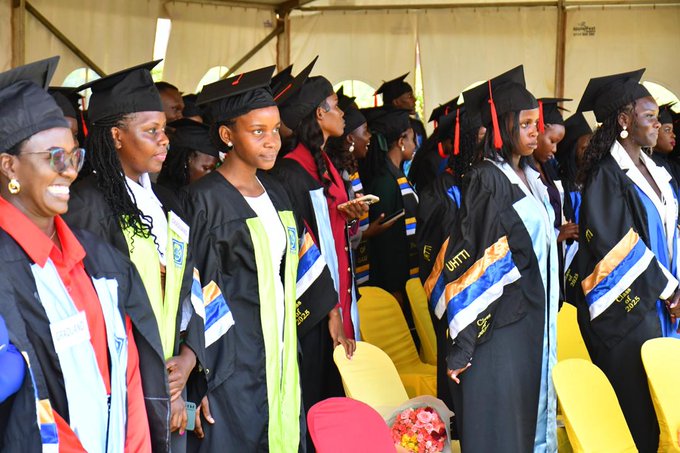
The Hotel and Tourism Training College (HTTC) in Jinja has been urged by the Kyabazinga of Busoga Kingdom, William Gabula Nadiope IV, to establish short-term courses specifically designed for teenage mothers and vulnerable youth. The potent call came during the college’s 16th graduation ceremony, held on Friday at its newly upgraded campus, where 366 students received certificates and diplomas in various hospitality and tourism disciplines.

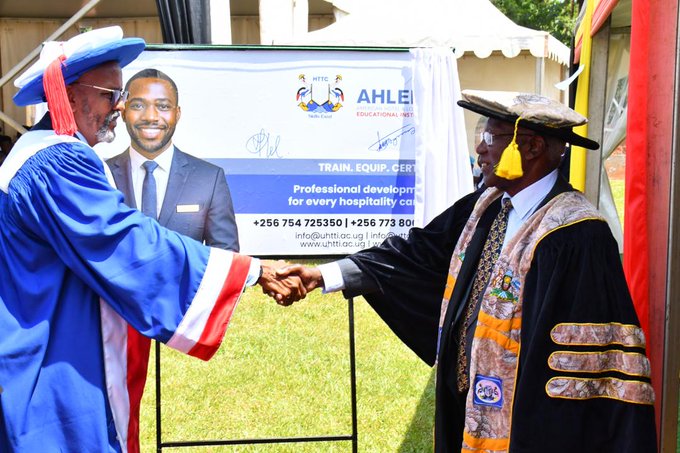
Delivering the keynote address on behalf of the Kyabazinga, Deputy Katuukiro Owek Alhaj. Ahmed Noor Osman emphasized the critical need for inclusive skilling initiatives. The monarch’s message highlighted the potential of such programs to offer a lifeline to marginalized young people, enabling them to gain employable skills and contribute positively to their communities.

The colourful event drew a distinguished array of attendees, including government officials, respected royal representatives, key development partners, and proud families, all gathered to celebrate the significant achievements of the graduates and the growing prestige of the institution.

A total of 366 students successfully completed their two-year programs at certificate and diploma levels. Notably, female graduates significantly outnumbered their male counterparts, with 284 women comprising 78% of the graduands, while 82 men accounted for the remaining 22%.

Deputy Katuukiro Owek Alhaj. Ahmed Noor Osman (L) represented the Kyabazinga at the graduation ceremony.

A significant 82 of these graduates benefited from an apprenticeship program, a collaborative effort funded by the Ministry of Tourism, Wildlife and Antiquities (MTWA) and implemented by the Uganda Hotel Owners Association (UHOA), alongside the Ministries of Gender, Labour and Social Development, Education, and HTTC itself.

Guest of Honour, Col. (Rtd) Hon. Tom Butime, the Minister of Tourism, Wildlife and Antiquities, reiterated the government’s unwavering commitment to bolstering the resource envelope for hospitality and tourism institutions nationwide.

“Our nation’s natural beauty, cultural heritage, and the warmth of our people are assets that, when combined with appropriate skills training, will stimulate economic growth,” Minister Butime stated, underscoring the sector’s pivotal role in national development.

Earlier, HTTC Principal Richard Kawere spoke of the college’s strategic advancements. He highlighted intensive curriculum reviews and collaborations aimed at ensuring that 80% of the course content is dedicated to practical skills acquisition, thereby guaranteeing that graduates possess industry-relevant competencies vital for success in the dynamic hospitality and tourism sectors.

The Kyabazinga’s directive has set a new potential direction for HTTC, encouraging the institution to broaden its reach and impact beyond traditional academic pathways, fostering a more inclusive and skilled workforce in Busoga and Uganda at large.

LONG GOOD READ: Why did Rwandese Tutsi refugees predominantly participate in the Luwero rebellion in Uganda?

0

By Oweyegha-Afunaduula

The combatants of Luwero called their rebellion liberation of Uganda and Ugandans. They also called it a revolution. However, it was an insurrection, orchestrated violence against the government in Kampala between 1981-1986.

It was a very successful insurrection because on 25 January 1986, it resulted in the capture of the instruments of power by the combatants, but not without leaving some 500,000 skeltons or skulls scattered, or temporary buried, in the soil of Luwero (Dr Kiiza Besigye, pers.comm.). There were claims by survivors that whole families of Uganda Peoples’ Congress (UPC) leaders in the Luwero Triangle, which was then made of 22 districts, were wiped, frequently by hacking their heads off with axes.

According to the then Kahinda Otafiire (now General), one of the combatants, they would wear UPC shirts to access their victims homes and then kill them. He revealed this during the burial of a UPC stalwart, Prof. Adoniya Tiberondwa, in Bushenyi on 24 December 2004.

My interest in this article is to analyse why Rwandese Tutsi refugees prominently participated (and actually commanded) the insurrection of what was called National Resistance Movement/Army (NRM/A in a country – Uganda – to which they did not belong and was their safe refuge they were abusing.

To begin the article, let me state that the refugees included so many people who are now citizens of Uganda by virtue of power and the Uganda Constitution 1995, which they made for country and concealed themselves under a supposedly new constitutional category of “indigenous people” it characterized as “Banyarwanda”.

By constitutionally creating this category of indigenous “nomadic pastoralists” in the Constitution of Uganda 1995, the designers of the constitution made them a natural identity with a natural belonging in Uganda just like the natural indigenous groups all of which have natural identity and natural belonging to the area that came to be known as Uganda.

They could, therefore, compete or share resources, jobs and opportunities with the natural indigenous people in the various indigenous groups that were recognized by the independence Uganda Constitution of 1962. However with decision-making power by virtue holding the highest office in the land it meant they could decide  who could share and by how much. We know that repeatedly the President those who did not support the NRM/A would not access the national cake at all.

It also meant that every Rwandese Tutsi in the Great Lakes Region could easily claim to be a Ugandan, be citizenized and access a Ugandan Passport and/or a National Identity Card, or even seek elective office in any part of the country. Many Ugandans fear all these are already happening. For example, many people with extraneous origin are being fielded by the NRM to represent the indigenous Ugandans in the Parliament of Uganda.

This was not surprising. Cross-border nomadic pastoralists neither recognize the physical international boundaries between countries (e.g., Rwanda/Uganda or DRC/Uganda), or have boundaries in their brains. It explains why they can easily move to areas where they have no historical, biological, ecological or cultural ties and claim identity, belonging and property, including land, at the expense of the natural owners – the indigenous peoples.

The NRM/A includes many people who saw themselves as nothing but Rwandese of Rwanda or of the Mulenge area of the Eastern region of present-day Democratic Republic of Congo (DRC). They had previously organized themselves as the Front for National Salvation (FRONASA) of Uganda, and later the Patriotic Resistance Army (PRA) of Uganda.

They had only one interest: using the physical space and resources (money, guns, etc) of Uganda to go back to where they came from (i.e., Rwanda and Mulenge in DRC. Among the prominent combatants were Fred Rwigyema and Paul Kagame. They composed from within the NRM/A what they called Rwandese Patriotic Movement/Army (RPA).

Some writings show that some NRM/A rebel leader, such as Yoweri Museveni (Tibuhaburwa Museveni), originally came from Mulenge in the DRC.  This could explain why Paul Kagame, who has been the President of Rwanda for the last 29 years, was categorical when he told the world that the Banyamulenge combatants of DRC, the M23,  did not come from Rwanda but Uganda. It could also explain why the President of Uganda of Uganda, Yoweri Tibuhaburwa Museveni, maintains such a high level of interest in Eastern DRC. He decidedecen without first consulting the Parliament of Uganda, to construct a road a road from the border with DRC to Goma, the main town of Mulenge.

Therefore, it is easy to see why hordes of refugees joined therebel outfit, NRA, and even expectedly assume commanding positions. The rank and file of the NRA, in their thousands, were Ugandans; some of them were criminals who escaped from prisons, while others were convinced by the propaganda of the NRA that the rebel force was liberating Uganda from the Northerners, or past regimes, and that kingdoms and kings would be restored once the NRA captured the instruments of power in Kampala.

Many, in their thousands, died in the bushes of Luwero.  Those who survived went on to become become the rank and file of the first army of Uganda after expelling the Uganda National Liberation Army (UNLA) of the Uganda National Liberation Front (UNLF) that removed President Idi Amin from power in 1979. Their foreign commanders became the commanders of the new army, which remained a rebel army outfit until the Uganda Constitution 1995 recognized it as the Uganda army under the label Uganda Peoples Defense Forces (UPDF).

Extremely few of the rank of the rebel NRA outfit rose through the ranks to become commanders alongside the foreign commanders. This is reflected in the UPDF where the commanders at different levels are predominantly from the immigrant population and some Bahima from the Western region of Uganda.  Therefore, from the same migrant ethnic group that captured the instruments of power in 1986 continues to dominate the commanding positions of the UPDF.  However, over time, even the rank and file of the UPDF became infested with large numbers of people from the immigrant group from Rwanda, Mulenge and the Bahima. There are unconfirmed reports that during the recruitment of soldiers in different parts of the country, people who cannot speak the local languages are transported there and recruited. Many think this explains the rising brutality of soldiers against Ugandans.

Today, many indigenous Ugandans believe, and are convinced, that the narrative that a revolution took place in Luwero, and that Uganda and Ugandans were liberated, was a well-crafted lie intended to ensure the NRA rebels gained foot and captured the instruments of power to empower and turn themselves into the new post-colonial rulers. There are claims that they are governing Uganda like a modern-day apartheid regime of black racists. Scientific research is needed to confirm or reject this.

Many indigenous Ugandans do not doubt anymore that the NRA rebels both captured the instruments ofpolitical power and conquered and occupied Uganda for reasons that had nothing to do with the citizens. Eventual the locals have been completely excluded from power and consigned to playing second fiddle to to the conquering and occupying group. The locals are satisfied when they serve as vice-presidents, prime ministers, ministers or heads of institutions. However, increasingly even that space of serving second fiddle is being lost to the members of the families or ethnic group of the rebels, who continue to characterize themselves as revolutionaries and liberators.

As expected, there are stillbmany Ugandans who believe the narrative of “revolutionaries and liberators”. They constitute the power base of the rebels of yesterday, although the latter claim their power base are the rural poor, whom they have manipulated for almost 40 years. Over this period, the rebels in power, who still posit themselves as the National Resistance Movement (or resistors) have captured everything conceivable. Most Ugandans now know that they (the rebels in power or the resistors) are not resisting neocolonialism, but Ugandans, and that in fact they are the new (black) neocolonialists.

They have captured all civic spaces and militarized them. They have captured all the natural resources. They have captured all state institutions They have captured the future of the country as well. Many Ugandans now understand the captors are using money, jobs, drink and their beautiful women to capture the country more firmly, even genetically. The more critical thinkers see schemes such as Operation Wealth Creation (OWC), Myooga and Parish Development Model (PDM), not as tools for conquering poverty but impoverishing communities as a long-term goal so that the people are continually conquered and the country is occupied more effectively the way the Boers did in South Africa. One school of thought believes that this is the case because the rebels and resistors in power have politically weaponized poverty against the people of Uganda, because their belief is that it is easier to rule when the people are poor. In fact the locals who become rich are made to sink into poverty as foreigners become richer and richer.

Weaponized poverty has now been institutionalized for building the selfishness and greed  of the ethnic group with and in power. Weaponized poverty turns many people into brutes and makes them make irrational choices such as selling their land at dehumanizing prices. It remoulds them into willing tools in the hands of the desperate.Weaponized poverty Isa concealed tool of genocide capable of killing people in greater numbers than guns can.

One strong school of thought believes that the laws that the liberators or revolutionaries, as they call themselves, have enacted over the years, contain no quality of liberation but the vices of oppression, repression and suppression of the indigenous Ugandans. Such laws include the Anti-Sectarianism Law, the Anti-Terrorism Act 2002, the Political and Other Organizations Law 2005 and the UPDF Act 2025.

The Anti- Sectarianism Bill  was first tabled  before the National Resistance Council (NRC), which was the legislative body of the NRM/A, in 1986, immediately after it captured the instruments of power, ostensibly, to combat tribalism.  However, over the years, the NRM/A itself showed seeds of discrimination based more on ethnicity than tribalism. For example, when it retrenched many Ugandans from their jobs in the early 1990s, arguing that they were dead wood, the emptied jobs were immediately almost exclusively by people belonging to the dominant ethnic group of the  leading combatants. One writer, Eric Kashambuzi, wrote in 2009, that the Anti-Sectarianism Law was conceived, not to combat sectarianism but to protect it. Indeed over the years, sectarianism has become the mainstay in governance and leadership of the country and it’s state institutions. One school of thought believes sectarianism now characterizes everything in which the former rebels are involved, and is being used as a tool to marginalize the indigenous Ugandans.

One school of thought believes the Anti-Terrorism Act, the Political and Other Organizations Act and the UPDF Act we’re innovated to generate fear and silence among the alternative leaders in particular and the general population in general so that the rebels in power are not adequately challenged while the perennially hold onto power in Uganda.

One thing is true. The sociopolitical environment the rebels in power have created in Uganda over the last nearly 40 years is very debilitating for the indigenous Ugandans and very disempowering in the medium and long term. It has made foreigners in Uganda manifest as if the country is theirs, while the indigenous people now manifest as if they are the foreigners in their own country. This is an affront, which may be reflected in future electoral processes.

There is a strong school of thought, which holds that the rebels in power in Uganda are using their advantageous vantage point they have created for themselves in the country to influence what takes place, or does not take place, in East Africa or the Great Lakes Region. According to the school, they have already influenced the expansion of the East African Community (EAC) from three countries ( Kenya, Tanzania and Uganda) to six or so countries (including Burundi, DRC, Rwanda, Somalia and South Sudan. The school insists that they want to include all the countries of the Great Lakes region in one Economic Block and go as far as including the countries of the Horn of Africa. However, the fear among the Bantu ethnic group is that the resulting entity would be numerically dominated by nomadic pastoralists, who are already in power in their countries. The more perturbed think, believe and are convinced the expanded economic region would  be politically dominated by Rwandese nomadic pastoralists in the same fashion they dominated their ancient Kitara Kingdom that spread over Kenya, Tanzania, Uganda, Malawi and parts of Zambia before the emergence of the Bunyoro Kitara Kingdom of the Babito.

For God and My Country.

Prof. Oweyegha-Afunaduula

Center for Critical Thinking and Alternative Analysis

INTERNATIONAL CONQUEST: Uganda’s She Cranes crowned undefeated Celtic Netball champions after crushing Wales

0

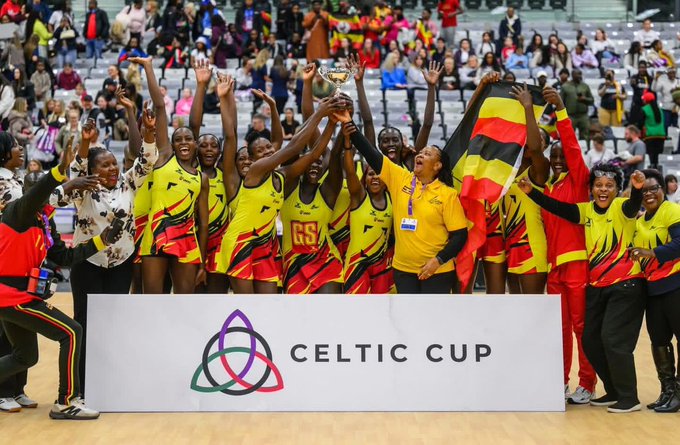
Uganda’s national netball team, the celebrated She Cranes, cemented their status as a global netball powerhouse by overwhelmingly clinching the 2025 Celtic Netball Cup at the Emirates Arena in Glasgow, Scotland, yesterday.

The She Cranes secured the invitational title with a flawless performance, culminating in a dominant 70-48 victory over the Welsh national team in the decisive final match.

Uganda ended the five-day tournament completely unbeaten, recording five crucial wins out of five games against a competitive international field.

Held from November 26th to 30th, the Celtic Cup brought together founding nations Northern Ireland, Scotland, and Wales, alongside high-profile invitational teams from Africa: Zimbabwe, Namibia, and the eventual champions, Uganda.

A Display of Dominance

The final against Wales was a clear demonstration of the She Cranes’ superior speed, tactical precision, and shooting accuracy. While Wales fought hard, the Ugandans quickly established an unassailable lead, showcasing the form that saw them sweep aside all opponents throughout the week.

The 70-48 scoreline reflects the sustained pressure applied by the champions across all four quarters.

This perfect run of results not only secures the Celtic Cup trophy but sends a strong message about Uganda’s trajectory in international netball as they continue to challenge traditional top-tier nations.

National Pride Resonates

The exceptional victory quickly sparked celebrations among the Ugandan diaspora and back home, with high-profile figures extending immediate congratulations to the victorious squad.

Charles Peter Mayiga, the Prime Minister of Buganda, highlighted the national significance of the team’s achievement. “I extend my heartfelt congratulations to the She Cranes upon their victory in the Celtic Cup in Scotland,” Mayiga said upon hearing the news of the victory. “Such are the moments when I am proud of being Ugandan!”

The 2025 Celtic Cup provided spectators in Glasgow with a showcase of elite-level, competitive netball, but ultimately, it was the skill and determination of the She Cranes that stood above the rest, etching their name onto the trophy as undefeated champions.

RENEWABLE ENERGY SOLUTIONS: Busoga gears up for the 10th Olwekobaano Energy Expo and Conference 2025 in Kaliro

0

Busoga region is set to host one of its biggest annual gatherings as preparations intensify for the 10th Olwekobaano Energy Expo 2025, scheduled for 12th–15th December at the Green Belt in Kaliro and the Kaliro Country Resort. The expo—now a decade old—continues to stand out as a flagship platform for advancing clean, affordable, and reliable energy solutions across communities in Busoga and beyond.

This year’s theme, “Taking affordable, reliable & clean energy to more people and places using strategic partnerships,” reflects the region’s commitment to accelerating energy access through innovation, collaboration, and community empowerment.

Speaking ahead of the event, Dr. Charles Mbalyohere, President of Busoga Yaiffe, who are the conveners of the expo, emphasized the growing importance of clean energy in transforming livelihoods across the region.

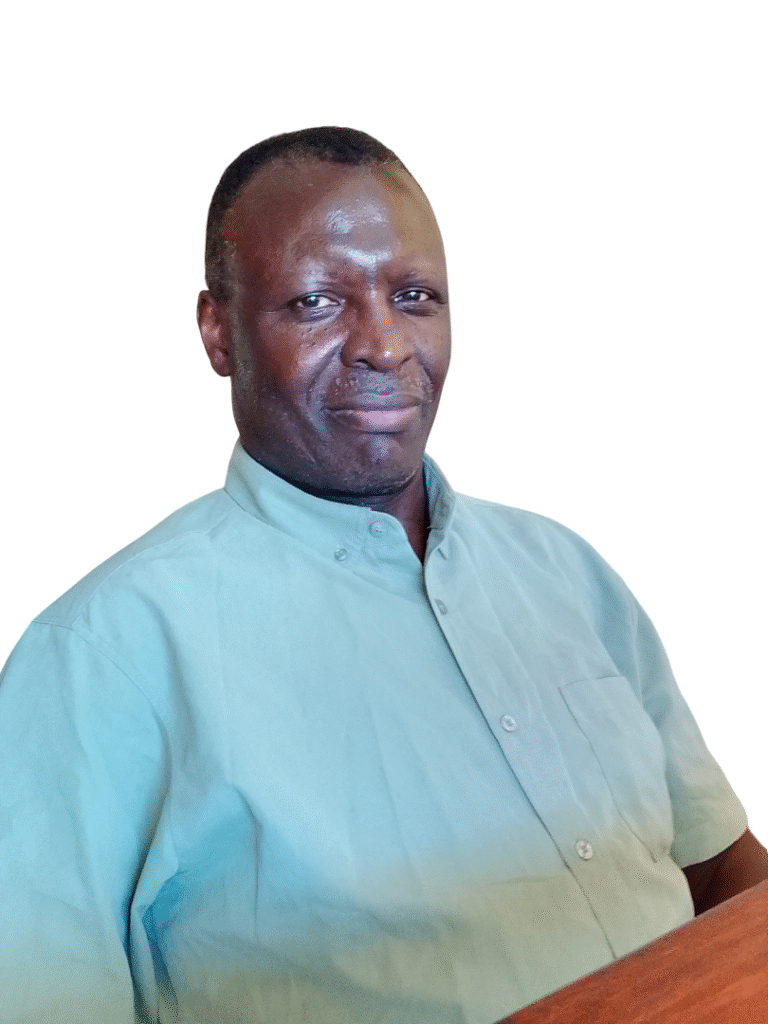
Dr. Charles Mbalyohere, President of Busoga Yaiffe

“The Olwekobaano Energy Expo has grown into a strategic hub for innovation and partnership development. Our goal is to ensure that every household, institution, and business in Busoga can access clean and reliable energy solutions. Once communities have energy, development follows naturally,” Dr. Mbalyohere noted.

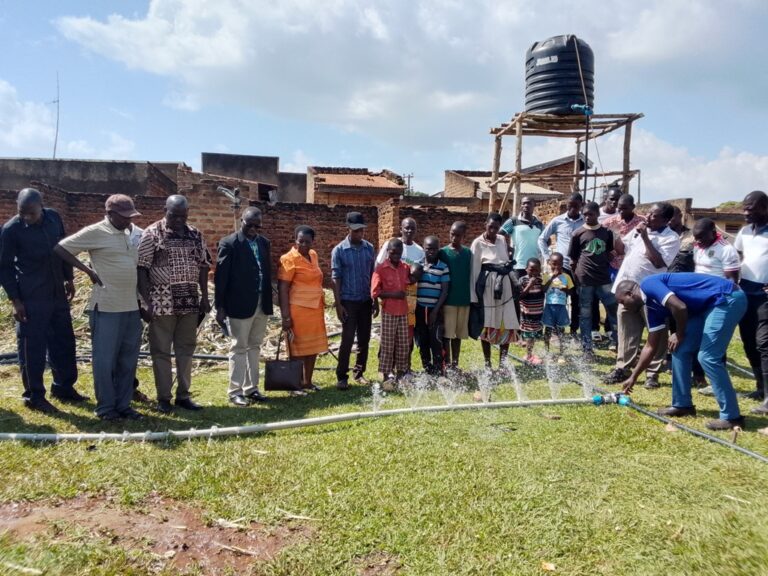
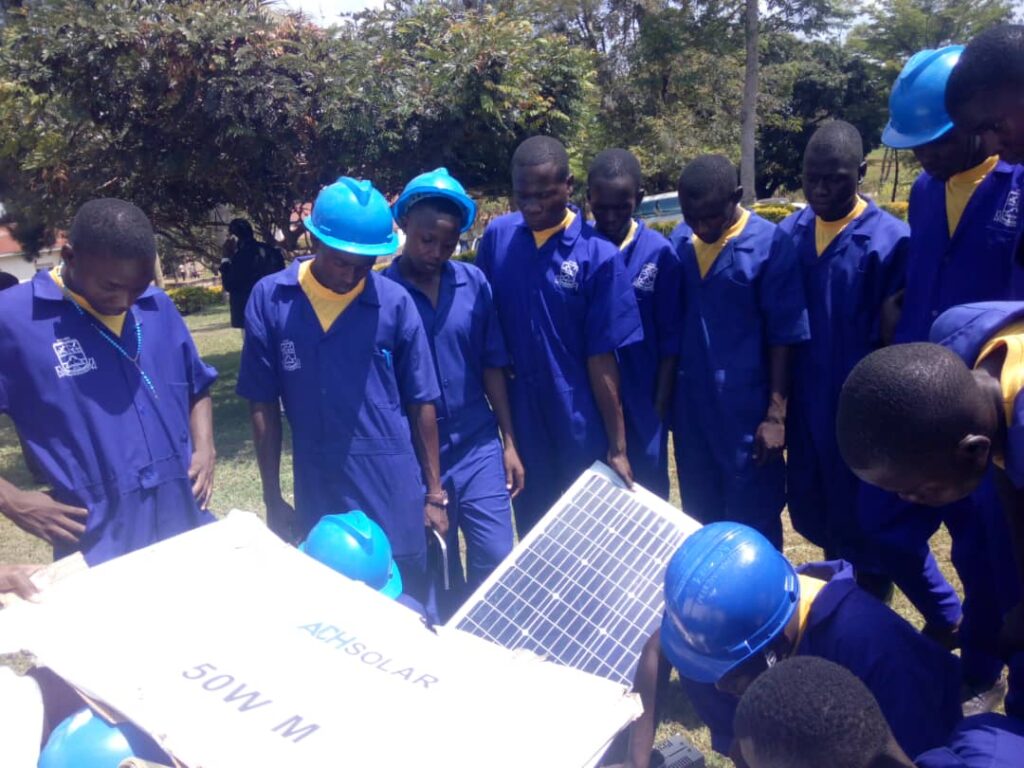
The expo will bring together stakeholders in electric mobility, regenerative agriculture, clean cooking technologies, and solar irrigation, sectors that have increasingly influenced economic and social transformation in rural communities.

The Kaliro District leadership, which is hosting the event for the second year running, expressed enthusiasm about the opportunities the expo brings to the district.

The Assistant Resident District Commissioner, Kiduma Rogers, highlighted the expo’s potential to boost both the local economy and environmental conservation efforts.

“I want to thank Busoga Yaiffe for coming to promote good farming practices and development in Busoga as a whole. The expo has helped to change the mindset of our people regarding proper and productive land use,” Kiduma said.

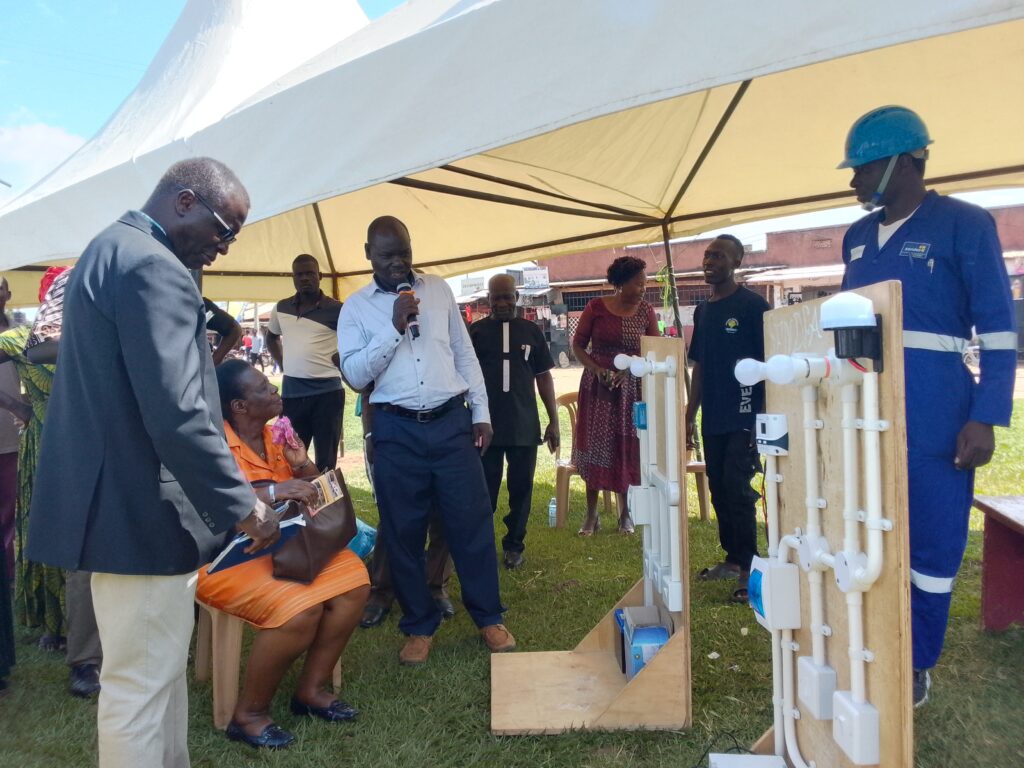
The expo offers a learning platform for stakeholders in the energy business.

“Kaliro is proud to be the home of this monumental expo. It has opened doors for our farmers, traders, and youth to explore modern technologies. We are committed to supporting initiatives that enhance clean energy adoption and improve livelihoods,” the Assistant RDC said.

“I want ask people coming to the expo and the conference to put into practice what they see and learn so as to improve on the household incomes,” he added.

Kaliro’s district’s Natural Resources Officer, Paul Diogo, echoed similar sentiments, emphasizing the environmental gains associated with clean energy innovations showcased at previous expos.

“As a district, we have seen firsthand how solar irrigation, clean cooking stoves, and other solutions reduce pressure on our natural resources. The expo is more than an event—it is an environmental education platform that shapes community behavior,” Diogo remarked.

“Every time we have the expo, our people get exposed and learn a lot. Many experts come to the expo. This gives our people a chance to witness and learn about renewable energy, energy saving technology, environmental conservation, Afforestation and reforestation among others,” 

The energy expo showcases different modern renewable energy solutions

Traders and exhibitors have also welcomed the return of the expo, highlighting its role in expanding market access for local innovators. Lillian Nambeya, a trader who exhibited at the 2024 and 2025 expos, shared her excitement for the upcoming edition.

“Last year’s expo connected my clean-cooking products to hundreds of new customers. It also allowed me to learn from other entrepreneurs. I look forward to even more engagement this year. The Olwekobaano Expo is a real game-changer for small businesses,” Nambeya said.

The 2025 edition will also feature a Free Health Camp, making the event not only a platform for innovation but also a community welfare initiative.

With strategic partners including Busoga Yaiffe, SEND’EA, NAP, The Open University, USEA, and several government and private sector actors, the 10th Olwekobaano Energy Expo promises to be the most impactful yet—bringing together innovators, policymakers, investors, and community members to chart a cleaner, smarter, and more sustainable energy future for Busoga.

JUST IN: Museveni’s rally pushes Busoga masaza cup final to 6th December

0

The Busoga Masaza Cup final has been postponed from Saturday, 29th November to Saturday, 6th December 2025, following disruptions caused by President Yoweri Museveni’s rally at Kyabazinga Stadium Bugembe on 21st November.

Owekitibwa Daniel Musota, the Deputy Minister for Sports in Busoga Kingdom, addressed the media at the Kingdom headquarters in Bugembe on Thursday morning, explaining the reasons behind the rescheduling.

“The inner perimeter fence and some stadium walls were damaged during preparations for the presidential rally, and even the goalposts were removed,” Musota said. “The pitch also needs time to recover before hosting the final.”

He expressed gratitude to the people of Busoga for warmly welcoming the President but acknowledged the challenges the rally created for the teams. “We feel for the teams that already had their players in camp. The seven-day postponement was unavoidable,” he added.

With the new date, Kigulu will face Luuka in the final, while Bugabula takes on Bukooli Namayingo in the third-place playoff, all set for 6th December at Kyabazinga Stadium Bugembe.