Sunday, March 15, 2026
Home Blog Page 13

Suudiman charged with criminal defamation over TikTok video attacking Museveni, Muhoozi, Mike Mukula

0

A Ugandan national residing in Boston, USA, is facing a charge of criminal defamation in the Nakawa Chief Magistrate’s Court following a private prosecution initiated over a controversial TikTok video. The video allegedly targeted President Yoweri Kaguta Museveni, General Muhoozi Kainerugaba, and Capt. Mike Mukula.

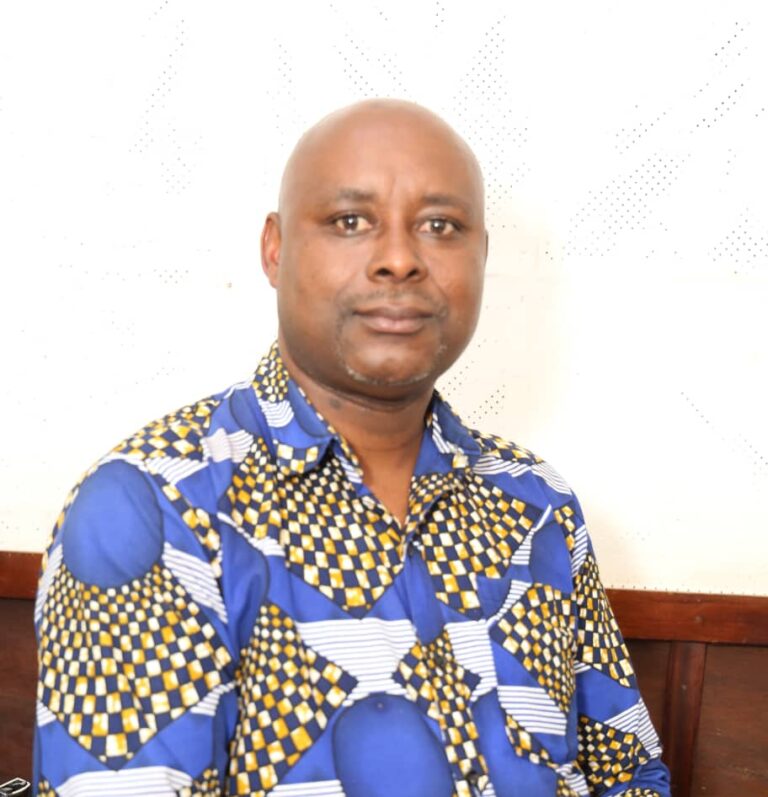
The accused, identified as Suudiman Lukwago, an adult male Ugandan resident of Boston City, has been formally charged with Criminal Defamation, contrary to Section 179 of the Uganda Penal Code Act.

The private prosecution, filed by Okello Joshua, alleges that Lukwago used the social media platform TikTok to propagate highly inflammatory and damaging falsehoods.

Allegations of High-Stakes Defamation

According to the charge sheet, Criminal Case No. NAK-00-CR-CO-0574-OF 2025, Lukwago allegedly committed the offense “on different dates in the month of October 2025 at Boston City.”

The particulars of the offense state that Lukwago “wilfully and unlawfully acted with a reckless disregard for the truth by recording a video on Tik-Tok referring His Excellency Yoweri Kaguta Museveni, General Muhoozi Kainerugaba and Capt. Mike Mukula as killers of the late Kenyan prominent politician Raila Amollo Odinga.”

The prosecution argues that this content was “defamatory in nature and lowered the image of the person of the president in the estimation of right thinking members of society.”

The inclusion of General Muhoozi Kainerugaba, Commander of the Uganda People’s Defence Forces (UPDF) Land Forces, and Capt. Mike Mukula, a prominent National Resistance Movement (NRM) leader, underscores the high political stakes of the alleged defamation.

The Role of Social Media

The use of TikTok as the medium for the alleged offense also emphasizes the ongoing struggles authorities face in controlling online speech and misinformation originating outside national borders.

The charge sheet was formally signed by the private prosecutor, Okello Joshua, on October 28, 2025, and is now awaiting official endorsement by the Chief Magistrate or Magistrate Grade One at Nakawa.

While the court process is only beginning, legal experts anticipate that the case will trigger complex cross-border legal maneuvering as the judiciary attempts to enforce Ugandan defamation law against a US-based commentator.

Criminal Defamation in Uganda carries penalties that can include imprisonment, although the Supreme Court is currently reviewing the constitutionality of certain aspects of the defamation laws in light of freedom of speech concerns.

No immediate comment was available from Suudiman Lukwago in Boston regarding the charge.

TECH VOTING: Electoral Commission receives first batch of Biometric Voter Verification Kits ahead of 2026 elections

0

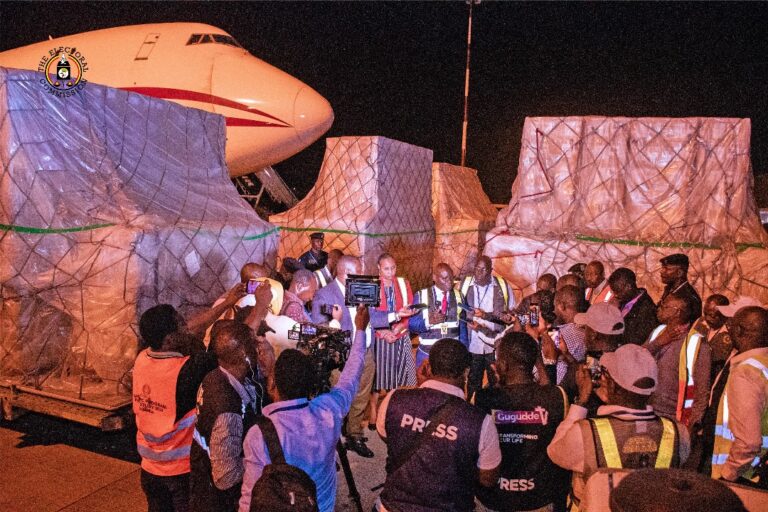
The Electoral Commission (EC), led by Chairperson Justice Byabakama Mugenyi Simon, has received the first batch of 60,000 Biometric Voter Verification Kits (BVVKs), marking a key milestone in preparations for the 2026 General Elections.

The kits, which arrived in the country last night through Entebbe International Airport, will be used to biometrically verify every voter before polling—a measure aimed at strengthening transparency, accuracy, and trust in Uganda’s electoral process.

Speaking at the handover, Julius Mucunguzi, the Head of Public Relations and Spokesperson at the Electoral Commission, said the kits represent a major step toward enhancing the integrity and credibility of the upcoming elections.

“Each voter will be biometrically verified before being issued a ballot paper. This will ensure the 100 percent application of the principle of ‘one man/woman, one vote’,” Mucunguzi said.

He added that the Commission remains committed to deploying technology that upholds fairness and transparency at every stage of the electoral process.

Justice Byabakama was accompanied by other Commissioners during the reception of the equipment. The EC is expected to continue receiving additional consignments of the BVVKs in the coming weeks as the country gears up for the 2026 polls.

Faras Uganda wins East Africa quality excellence award for most reliable ride-hailing service

0

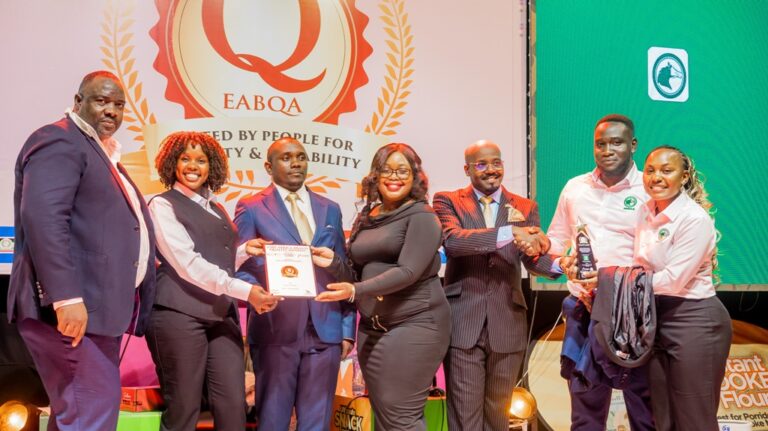
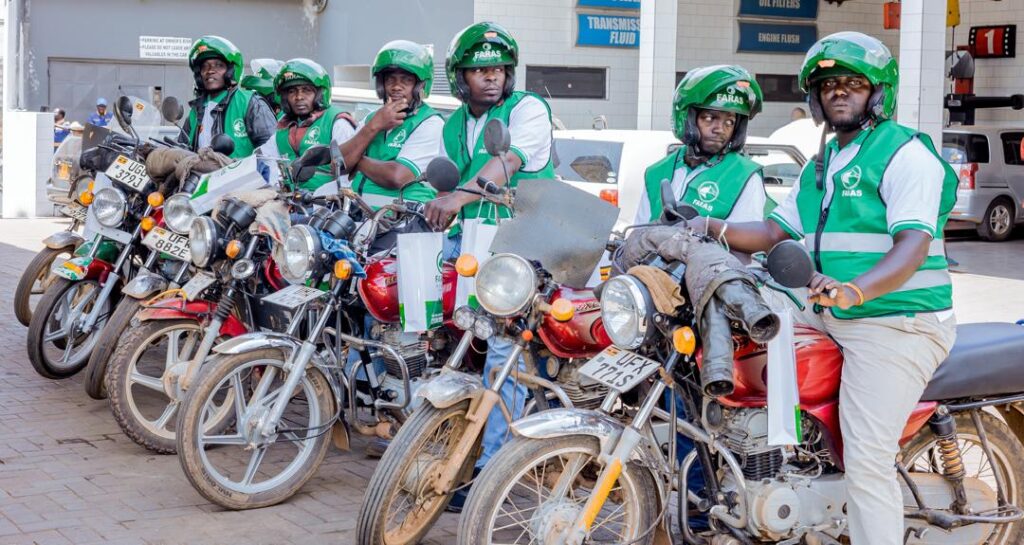
Faras Uganda, a leading ride-hailing services provider, has been honored with the Quality Excellence Award for the Most Reliable Ride-Hailing Service Provider in East Africa at the prestigious East Africa Brand Quality Awards (EABQA).

The recognition underscores Faras Uganda’s growing reputation for reliability, innovation, and customer satisfaction in Uganda’s fast-evolving transport and mobility sector.

Speaking after receiving the award, Mudhafar Hamad Kasaija, General Manager of Faras Uganda, said the accolade affirms the company’s commitment to delivering quality and dependable services.

“We promised our customers the best, and we are delivering just that,” Hamad said. “It is a good feeling to know that our efforts are recognized and that the people who use our services and technology are happy. This award is a testament to our promise and our continued commitment to innovation.”

Kasaija added that Faras Uganda is focused on enhancing user experience through technology-driven improvements.

“We further promise to innovate and improve our services and move with the times. At Faras Uganda, we are developing improved technology to give users of our ride-hailing app a new and better experience,” he noted.

The 5th East Africa Quality Brands Awards ceremony was held at the Golf Course Hotel in Kampala, bringing together leading companies, entrepreneurs, and innovators from across the region. The event celebrated organizations making outstanding contributions to economic growth, innovation, and quality standards in East Africa and beyond.

This year’s edition ran under the theme “Global Visionaries and Pioneers — Revolutionizing Quality Through Sustainable Innovation.” Winners were granted a Quality Mark, a regional badge of excellence that enhances competitiveness in African and international markets.

Patrick Nsubuga, Brand Ambassador of the East Africa Quality Brands Awards, emphasized that the initiative highlights the importance of sustainability and innovation in driving regional growth.

“At the heart of this celebration is trade — more than just the exchange of goods and services,” he said. “It’s a powerful tool for achieving the United Nations Sustainable Development Goals, ending poverty, protecting the planet, and ensuring peace and prosperity for all.”

The East Africa Brand Quality Awards recognize companies and individuals that consistently demonstrate leadership, integrity, and excellence in service delivery. The winners are selected through a comprehensive, independent market research survey assessing brand reputation, customer satisfaction, professionalism, and impact on job creation and regional development.

With this award, Faras Uganda joins a distinguished list of regional brands setting the benchmark for reliability and innovation in service delivery — a recognition that further cements its position as one of East Africa’s most trusted ride-hailing providers.

Faras Uganda marks Independence Day with a heart of giving at Sanyu Babies’ Home

0

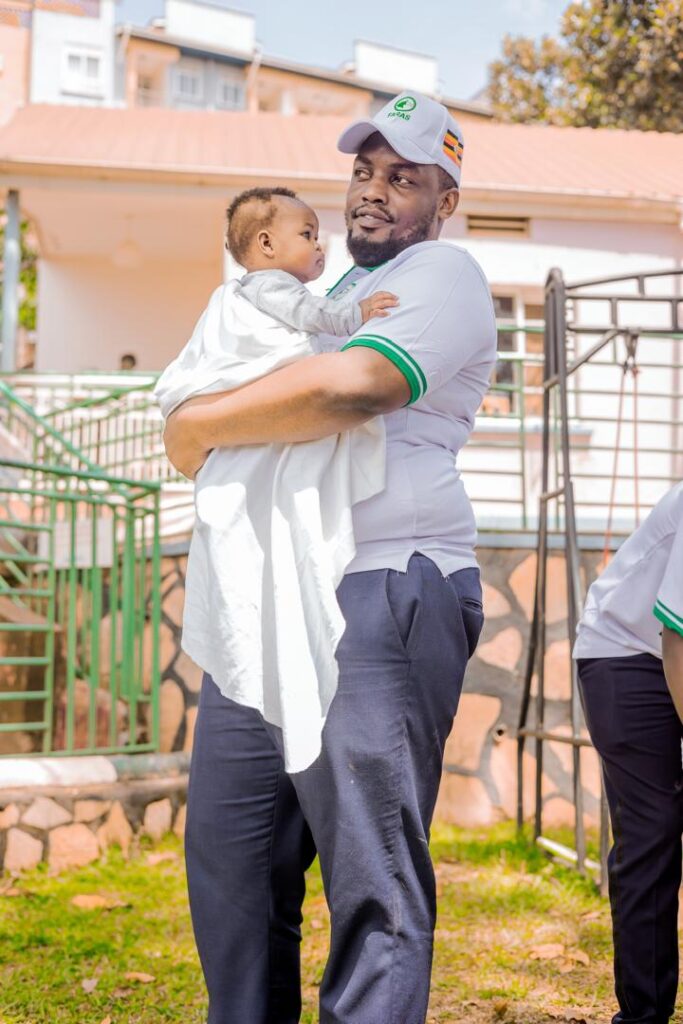
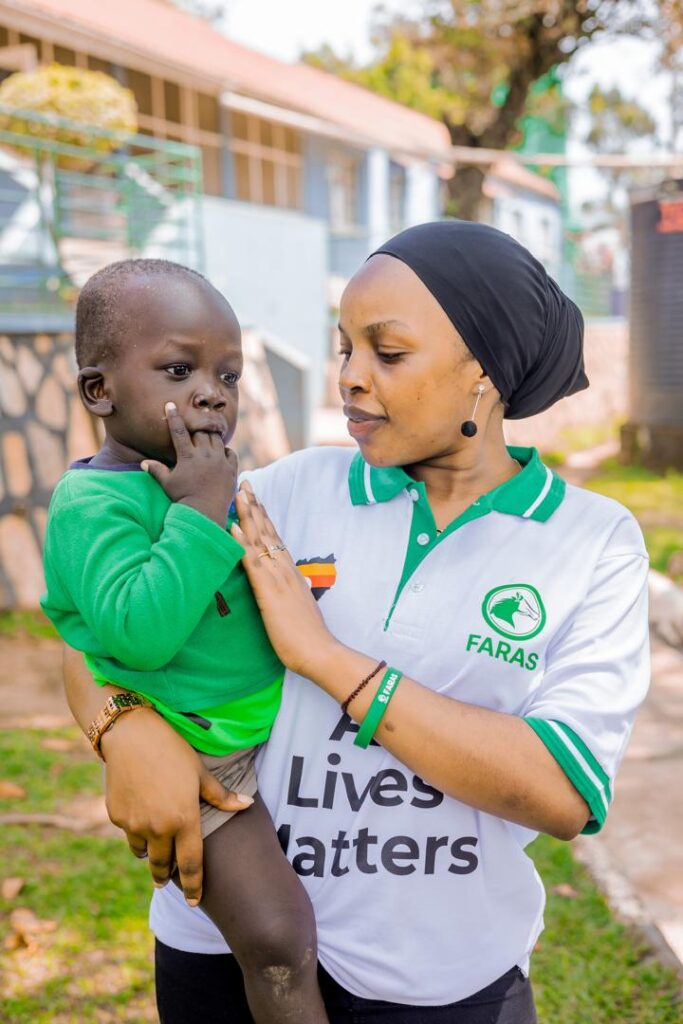
On Independence Day, 9th October 2025, Faras Uganda chose to celebrate freedom through compassion and community service with a heartwarming visit to Sanyu Babies’ Home, one of Uganda’s oldest child orphanages, established in 1929.

In the spirit of unity and giving back, the Faras Uganda team spent the day sharing love, smiles, and hope with the children and caretakers at Sanyu. The visit marked the launch of the company’s month-long “All Lives Matter” campaign, aimed at supporting vulnerable communities across Uganda.

“We have decided to come over here at Sanyu Babies’ Home to recognize the lives that are here,” said Mudhafar Hamad Kasaija, General Manager of Faras Uganda. “This is our way of giving. We are going to be giving back to the community, helping those in need, whether or not they are connected to our business. As long as someone needs help, we are here to lend a hand.”

The Faras Uganda team donated essential supplies, including food items and medicines, responding to the home’s most pressing needs. The contribution comes at a time when Sanyu Babies’ Home continues to face challenges in meeting daily operational costs such as medical care, food, and utilities.

Jessica Namilinde, a social worker at Sanyu Babies’ Home, expressed heartfelt gratitude for the gesture: “We are very happy that people from Faras Uganda decided to come and donate to our children. You have not only stopped at transporting people but also extended kindness to support these little ones. When you give to us, we can continue to serve the children better,” she said.

Namilinde noted that the home struggles to meet medical and nutritional needs for the babies and toddlers under its care. “Even if you cannot visit Sanyu physically, you can still support us from anywhere,” she added, encouraging the public to visit the organization’s website for donation details.

Through this Independence Day initiative, Faras Uganda reaffirmed its commitment to social responsibility, compassion, and national unity — values that reflect the true meaning of freedom: caring for one another and building a brighter future for all Ugandans.

ON FORM: She Corporate Top FUFA Women Super League Table After Four Games

0

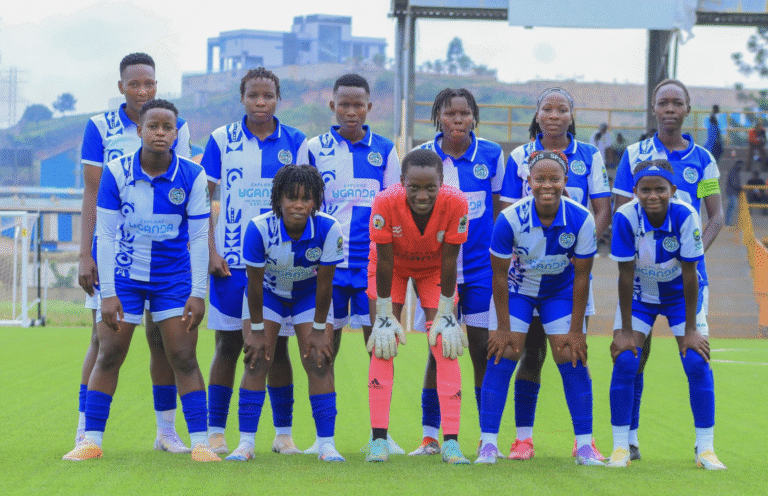
She Corporate FC, fondly known as The Sharks, are back to familiar territory at the summit of the FUFA Women Super League after Matchday Four. The 2022 champions currently lead the log with 10 points, tied with Kawempe Muslims Ladies FC, but separated by a superior goal difference of +7.

Under the stewardship of Burundian tactician Ininahazwe Belyse, She Corporate have been in impressive form—winning three matches and drawing once. The Nakawa-based side has so far scored eight goals and conceded only once, showcasing one of the league’s strongest defensive records this season.

In their most recent outing, the Sharks edged Amus College WFC 2-0 at the FUFA Technical Centre in Njeru on Sunday, a result that cemented their place at the top. Speaking after the match via the club’s official YouTube channel, one of their standout forward performers Kisakye Sandra expressed the team’s growing confidence and motivation.

“We feel happy and we are motivated,” Kisakye said, emphasizing the positive atmosphere within the camp

Elsewhere on Matchday Four, Olila HS WFC played out a goalless draw with Rines SS WFC, while St Noa Girls Zana FC shared spoils 2–2 with Makerere University WFC. Uganda Martyrs Lubaga WFC fell 0–1 to Kawempe Muslims, Asubo Ladies FC held Kampala Queens FC to a 2–2 stalemate, and She Maroons FC settled for a 0–0 draw against Lady Doves WFC.

Upcoming Fixtures – Matchday 5

Saturday, 1st November 2025

  • Amus College WFC vs Asubo Ladies FC – 10:00am, Amus Stadium Bukedea
  • Lady Doves WFC vs She Corporate FC – 10:00am, Katusabe Stadium
  • Kawempe Muslims LFC vs She Maroons FC – 10:00am, Kawempe Muslim SS Playground

Sunday, 2nd November 2025

  • Makerere University WFC vs Uganda Martyrs Lubaga WFC – 10:00am, Makerere University Grounds
  • Rines SS WFC vs St Noa Girls Zana FC – 10:00am, Kabaka Kyabaggu Stadium
  • Kampala Queens FC vs Olila HS WFC – 10:00am, MTN Omondi Stadium, Lugogo

With momentum on their side and confidence growing in camp, She Corporate will now turn focus to their next challenge away to Lady Doves WFC, as they aim to stretch their unbeaten run and maintain their top spot in the league.

BOXING GLORY: Bombers Call for Presidential Recognition After Zone 3 Glory

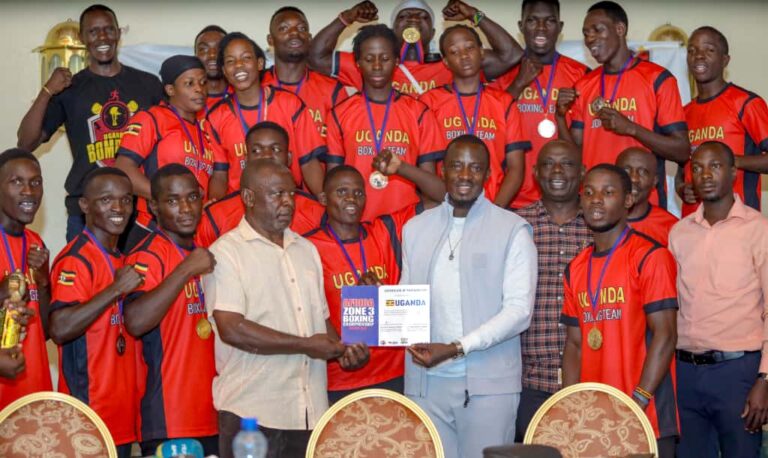
Uganda’s national boxing team, the Bombers, returned home on Sunday, October 26, 2025, to a heroic welcome after an outstanding display at the Africa Zone 3 Boxing Championship held in Kenya. The team collected an impressive 15 medals, finishing second overall behind Congo in the continental contest.

Out of 16 boxers who represented the country, 15 secured medals — a remarkable record that underlines Uganda’s growing influence in African boxing. The medal tally included 5 gold, 4 silver, and 6 bronze.

Gold medals were won by Fatima Nabikolo, Emilly Nakalema, Aziz Rigo, Kasimu Murungi, and Farhat Manirola. Brenda Muduuwa, Alfred Ojok, Edward Mukwaya, and Samuel Ochen took home silver, while Erina Namutebi, Livingstone Matovu, Alex Kanaabi, Emmanuel Tabule, Angel Katushabe, Jimmy Adriko, and Kato Kazibwe earned bronze.

To honor their stellar performance, Uganda Boxing Federation (UBF) president Moses Muhangi, who was recently nominated for the Kampala Central parliamentary seat, hosted the team at Grand Imperial Hotel. The event was graced by UBF executives, legendary boxing figure Don Lukanga, and other invited guests who commended the boxers for flying the national flag high.

Despite their joy, the boxers voiced a heartfelt request — they wish to present their medals personally to President Yoweri Museveni. They believe such recognition from the Head of State would not only honor their effort but also highlight the need for greater government support and improved training conditions.

The team is scheduled to officially hand over the medals to the National Council of Sports (NCS) early next week, but they hope a State House invitation can be arranged before then.

Focus now shifts to the 6th Islamic Solidarity Games in Riyadh, Saudi Arabia, where Uganda will be represented by Angel Katushabe, Fatuma Namakula, Jimmy Adriko, and Alfred Ojok.

The Bombers’ triumph in Kenya has once again reaffirmed Uganda’s position among the leading boxing nations in Africa, with the sport continuing to flourish under the stewardship of UBF president Moses Muhangi.

How Busoga College, Mwiri inculcated the values of discipline, time management and sociality

0

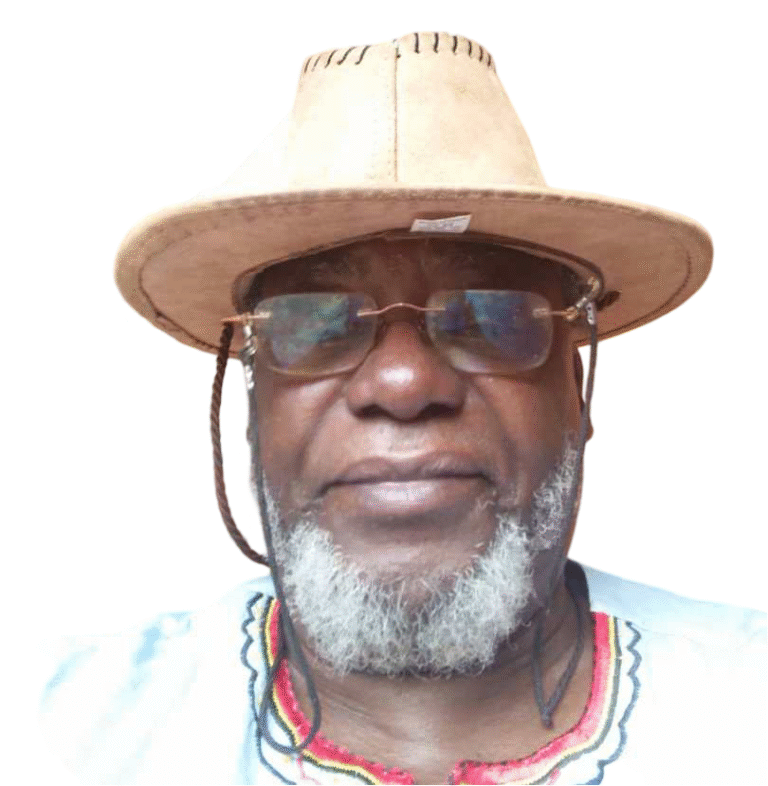
By Oweyegha-Afunaduula

Three years ago I wrote an article on Busoga College, Mwiri titled “Why Busoga College, Mwiri was always a unique school”. This time round I want to write about “How Busoga College, Mwiri Inculcated the values of Discipline, Time Management and Sociality”.

Having been founded in 1911, Busoga College Mwiri is 11 years older than Uganda’s oldest University, Makerere University founded in 1922. While Busoga College, Mwiri was founded to cater for the education of the children of chiefs, Makerere University was founded to endow those eho were lucky enough to be admitted to it with technical skills.

Therefore, while the two institutions were likely to value time and discipline they were bound to value sociality differently. Makerere University valued technical education while Busoga College Mwiri valued social development of individuals more.

Makerere University thus started off as a technomechanistic institution producing technomechanistic graduates. Indeed, with the passage of time, Makerere University has preserved its technomechanistic nature while hyping academicism and scholasticism at the expense of social and intellectual development of individual students and the academic staff. If you wanted to come face to face with an institution in Uganda, which has devalued social development and sociality in Uganda, Makerere University is there for you to critically assess.

As I stated in my opening paragraph, the focus of this article is on “How Busoga College, Mwiri Inculcated the values of Discipline, Time Management and Sociality” in its students. I spent 6 years at Busoga College, Mwiri (1966-1971) pursuing my O-Level and A-level education, having completed my primary education at Ikumbya Primary School in present-day Luuka District (1957-1963) and junior secondary education at Mwiri Primary School (1964-1965).

It was not all academic orientation at Busoga College, Mwiri. Academics was important, but there was a lot of emphasis on producing all-round graduates of the college that valued discipline, time management and growing up as socially-developed individuals with high levels of sociality. This could explain why the products of Busoga, College Mwiri since colonial times tended to dominate leadership all aspects of human endeavour wherever they ended up. They served humanity well in the past as much as they still do today. It was this exposure, for example, that enabled me to rise and become the first Ugandan to serve as Chair of a regional civic organization for 11 countries in the Nile Basin (i.e., Burundi, Democratic Republic of Congo, Egypt, Eritrea, Ethiopia, Kenya, Rwanda, South Sudan, Sudan, Tanzania, Uganda) – the Nile Basin Discourse (NBD).

Discipline

Discipline is critical because without it we cannot set and achieve goals, development good habits, overcome challenges, improve time management, enhance family and community growth and development, In one sentence we cannot be successful.

Time Management

The value of effective time management cannot be overemphasized. Time is the most important resource available to humanity but also the .ost abused resource.  If we know how to manage time we are able to priotise activities and tasks, accomplish more in less time, reduce stress, improve the balance of life and work and enhance the achievement of goals. Indeed if we cannot manage time we cannot manage anything else.

Sociality

Humans are essentially social beings. Therefore, sociality is critical to humans. Sociality is the ability to interact and connect with others. It creates opportunity for emotional support, emotional support, networking, broadening interactions among people from different backgrounds and cultures, improving mental health and preserving a sense of identity and belonging. Indeed we can see this among the former students of Busoga College, Mwiri far more in these days of internet and social media than was the case in the past. Beyond our Mwiri Old Boys Association (MOBA) there are many cyber based platforms enhancing interactions of Old boys beyond the physicality of Busoga College, Mwiri. They are supporting each other emotionally in times of crises across periods they were at the College.

My Role in Incalcating Discipline, Time Management and Sociality

I was lucky to play a critical role in incalcating discipline, time management and sociality within the college community during my time at Busoga, College, Mwiri as a school perfect, head of Hannibgton House, Perfect in a charge of the cafeteria, President of Cultural and Social Society, President of Dramatic Society and President of Debating Society. In all these roles I was a critical socialising agent. Indeed I continued to be a socializing agent beyond Busoga College Mwiri, even through my talents of leading, debating, teaching, and writing, all of which were shaped in the college.

How Discipline was Inculcated

Incalcating discipline in Busoga College, Mwiri was multifaceted. The college had a governance system that laid emphasis on leadership development at the level of Houses, whereof each House had a Head of House, with assistant Prefects and leaders called sub-lumpers who constituted the first line of leadership in the Houses. Besides, each House had a House Master and an Assistant House Master.

During my time at Busoga College, Mwiri the Houses were Coates, Hanninston, Nabikamba, Nadiope, Wako, Willis and Wilson. The leaderships in the Houses had to shape harmonious interactions, and develop the students into people who loved work – both academic and non-academic. The students were to be disciplined enough to do physical work such as cleaning the Houses,  washing their bedsheets and clothes, and to slash their house compounds  without being coerced to do so by the leaders. They had also to be disciplined enough to go to the cafeteria early and attend classes early without staying behind in their Houses. They had to participate in college quizzes, games and sports and represent their houses in debates and other extracurricula activities. Every morning all members from different Houses had to attend an Assembly at which the Head Perfect and Headmaster specifically would address students on different issues and matters. All academic staff had to attend the assembly and those with particular responsibilities addressed the Assembly. School uniform was mandatory at the Assembly and during all the time in the college and outside the college. Capital punishment was not part of the discipline system. Those who committed serious offenses would be suspended. Expulsion was extremely rare.

I do not remember if there were visiting days for the parents. All I remember is that parents would have to wait for end of time to pick their children. Most times the big ones would take themselves home. In 1966 a college lorry carried students to Jinja at the end of term from where they would get buses or taxis to their parents homes. Later the college acquired a bus that could take the students out. 

How Time Management was Incalcated

While what I have so far written about incalcation of discipline involved incalcating time management, what particularly was used to Incalcated time management was the school callender and the different time tables of the different classes to signify when particular lessons started and ended. Both teachers and students would strictly follow the time tables. What was integral to time table was a bugle – a small trumpet like instrument that produced a high pitched noise every end of lesson. Those days each lesson took 40 minutes. I think there was also a drum. When Dr John Balirwa, Dr. Charles Kawagga , Prof Fred Tusubira and I, among others, joined Busoga College Mwiri in 1966, the person who would sound the drum and bugle to announce the end of lessons and begining of others was called Odong. He was a Senior Two student. He went on to finish Senior Six at Busoga College, Mwiri in 1970, a year before we did.

How Sociality was Inculcated

In a way the governance structure of Busoga College, Mwiri was designed to maximize academic excellence in the school but also the sociality of students. When I and others joined Busoga College, Mwiri in 1966 the absolute majority of staff were white. However, there was really no apartheid in the college. There was a lot of interaction between the academic staff and student even extracurriculally. Each academic staff was responsible for a particular extracurricular activity. If a particular group of students went for an activity outside the college, the responsible member of staff would accompany them. Sports, games, quizzes, music and social and cultural activities were avenues for socilizing. The College allowed students to pursue their religious faith without hindrance and develop their sociality thereof.  It also allowed students to invite students from other schools to visit and socialize. There was a privately owned band, which became integral to the sociality of the school. It was owned and ran by two brothers, Martin Muyimbo and James Egulwa and many students of different educational levels were part of the band. Some have passed on while some are still alive and scattered all over the country and the world.

Punishment in Busoga College Mwiri was unique and intended to produce and shape students that valued time, belonging and sociality.  On the whole, punishment involved withdrawing the culprits from the rest of the college student community and confining him to the Main Hall for a presctibed amount of time depending on the severity of their offences. The offenders would be required to sit for one, two, three or more hours doing nothing, including movement. A perfect would sit in front of them, reading but keenly looking at the culprits to ensure they were sitting doing nothing. Usually the culprits became good social beings. Many would never want to be punished that way again. This way sociality was built and put on a firm foundation in the college.

Prof. Oweyegha-Afunaduula is a Conservation Biologist and member of Center for Critical Thinking and Alternative active Analysis


MAGOGO’S ADVANTAGE: Dhamuzungu withdraws from Budiope East race following family bereavement

0

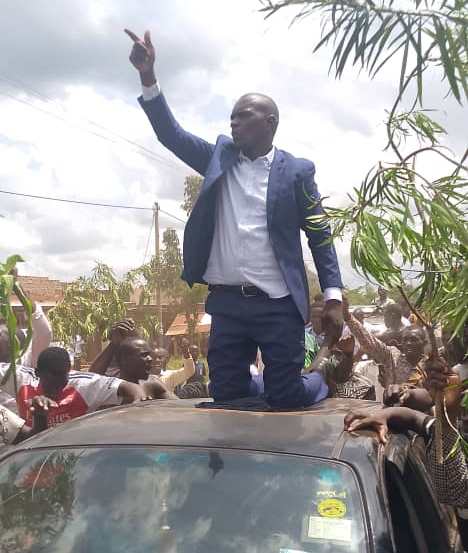
Former Member of Parliament for Budiope East, Dhamuzungu Geoffrey, will not participate in the upcoming Budiope East Constituency elections (2025–2031), his camp, Team Tweyembe Bene officially announced on Thursday 23rd October 2025.

The announcement comes amid the family’s ongoing preparations to lay Dhamuzungu’s father to rest. Geoffrey’s father, Dhamuzungu George Emmanuel, a former teacher, died early this week and scheduled for burying on Sunday, 26th October 2025, in Ngandho, Buyende district.

According to a statement released by Pangole Moses, the Chief Administrator of Team Tweyembe Bene, the decision for Dhamuzungu to quit the race was reached following a family meeting held in Kampala on Wednesday.

“Following our family meeting yesterday in Kampala and the current situation of bringing back our dad’s remains today, I hereby confirm that our candidate, Hon. Dhamuzungu Geoffrey, will not participate in the upcoming elections,” the statement read in part.

Pangole added that further details regarding the decision would be communicated on Sunday, after the burial of their father. He also appealed to supporters to remain calm and united as the team outlines its next course of action.

“We encourage all our supporters to remain calm and united as we prepare to share our next steps. Thank you all for your continued support and solidarity,” he stated.

The family and supporters continue to mourn the loss of their patriarch, whose remains were repatriated today. The burial is scheduled for the weekend.

Dhamuzungu, a prominent figure in Budiope East politics, was widely expected to contest against the incumbent and nemesis Eng. Moses Magogo in the forthcoming parliamentary elections.  His withdrawal marks a significant shift in the constituency’s political landscape.

Dhamuzungu’s withdraw from the race puts Magogo in a pole position to win the race. Nominations for the parliamentary seats are ongoing across the country. Magogo and Dhamuzungu were expected to nominate today at the district headquarters.  

Jinja Diocese mourns passing of Bishop Charles Martin Wamika at 72

0

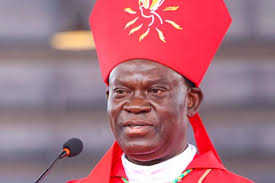
The Roman Catholic Diocese of Jinja is steeped in sorrow following the announcement of the passing of its beloved shepherd, Rt. Rev. Charles Martin Wamika, the Bishop Ordinary of the Diocese. Bishop Wamika passed, Wednesday, October 22, 2025, at approximately 4:00 PM (16:00hrs), at the age of 72.

The somber news was conveyed through an official announcement from the Bishop’s Office, signed by Fr. Gerald Muto, the Diocesan Chancellor. The announcement, addressed to the clergy, religious men and women, and the lay faithful in and outside the Diocese of Jinja, expressed “deep sorrow and Christian hope in the resurrection.”

“It is with deep sorrow and Christian hope in the resurrection that the Diocese of Jinja announces the passing on of our beloved shepherd, Rt. Rev. Charles Martin Wamika, Bishop of Jinja,” the statement read.

Bishop Wamika, born on August 12, 1953, dedicated his life to the service of the Church, leaving a significant legacy across two dioceses in Uganda. His episcopal journey began on October 18, 1993, when he was appointed Auxiliary Bishop of the Roman Catholic Archdiocese of Tororo by Pope John Paul II. He was consecrated a bishop in Tororo on February 19, 1994, concurrently serving as the Titular Bishop of Tacapae during his time as auxiliary.

His leadership in the Diocese of Jinja commenced on March 2, 2010, following his transfer by Pope Benedict XVI. He succeeded Bishop Joseph Bernard Louis Willigers as the local ordinary, a role he fulfilled with unwavering dedication for over 15 years until his passing.

The Diocese has called upon all clergy, religious, and the faithful to keep Bishop Wamika in their prayers. Details regarding the funeral program will be communicated at a later date.

Bishop Wamika’s passing marks a profound loss for the Catholic Church in Uganda, particularly for the faithful of the Jinja Diocese whom he served with profound commitment and spiritual guidance.

FRESH CALL: Uganda urged to ban lead paint as children remain at risk

0

As the world commemorates International Lead Poisoning Prevention Week (19–25 October), a Ugandan environmental organisation has raised alarm over the continued use of highly toxic lead-based paints in homes, schools, and playgrounds across the country.

According to WEMECO (Water and Environment Media and Communication Organisation), Uganda is still allowing the sale and use of paints containing dangerous levels of lead—despite international evidence linking the substance to serious and irreversible health problems in children.

“Lead exposure is robbing our children of their future,” said Peter Akugizibwe Araali, Executive Director of WEMECO. “Some paints sold on the Ugandan market contain up to 150,000 parts per million (ppm) of lead. That is 1,600 times higher than the internationally accepted safety limit of 90 ppm.”

A 2017 study of decorative paints available in Kampala revealed that 67% of tested brands exceeded the 90 ppm threshold, with many samples containing hazardous concentrations. Despite this, Uganda has yet to enforce regulations mandating lead-free paint production and sales, putting thousands of children at risk of lead poisoning.

“Uganda successfully eliminated lead from petrol. We have the capacity to do the same for paint,” Akugizibwe emphasized. “We cannot continue to allow our children to be exposed to something we know is toxic and entirely preventable.”

Lead poisoning in children is known to cause brain damage, learning disabilities, behavioural issues, stunted growth, kidney damage, and hearing loss. Health experts warn that even very low levels of lead in a child’s blood can significantly impair development.

“One two-year-old was recently hospitalised with severe abdominal pain caused by flaking lead paint in their home,” Akugizibwe revealed. “This is not just a statistic—it’s a child’s life permanently affected.”

WEMECO is calling on the National Environment Management Authority (NEMA) to adopt and enforce mandatory national standards for paint manufacturers, in line with the 90 ppm limit already implemented in neighbouring Kenya and being advanced by the East African Community.

“Safer alternatives already exist in Uganda. Some manufacturers are already producing non-toxic paints. What we need is clear regulation, enforcement, and accountability,” Akugizibwe said.

In a statement released for Lead Poisoning Prevention Week, WEMECO urged:

  • Parents to avoid cheap or peeling paints, regularly clean surfaces with wet methods, and repaint with certified lead-free products.
  • Manufacturers to cease production of lead-based paints immediately.
  • Regulators to establish a legally binding lead limit for all decorative paints sold and used in Uganda.

“Every wall in every school and every home should protect—not poison—our children,” said Akugizibwe.

The global theme for this year’s Lead Poisoning Prevention Week is “No Safe Level: Act Now to End Lead Exposure,” echoing what WEMECO calls a moral and public health imperative for Uganda.

WEMECO is being supported by the Lead exposure Elimination project [LEEP) to create awareness that aspire to bring to end the use of Lead.