Sunday, March 15, 2026
Home Blog Page 2

SUPPORTING THEIR OWN: Bukono Constituents and Namutumba Business Community back Namuganza’s speakership bid

0

By Joseph Sooka

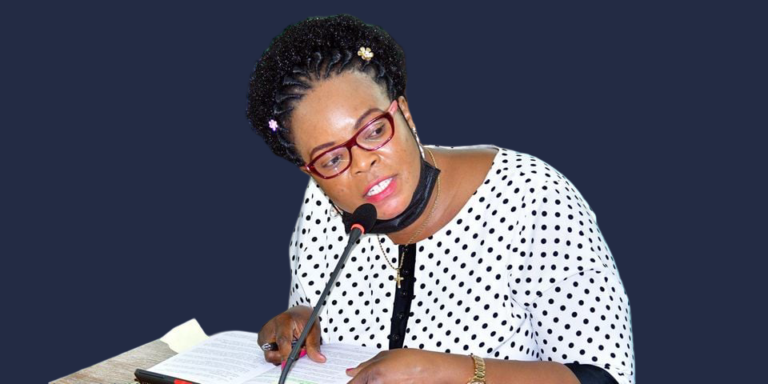
In a groundswell of support, the people of Bukono Constituency and the Namutumba District Business Community have thrown their weight behind Minister Princess Persis Namuganza’s decision to contest for the Speaker of the 12th Parliament position.

Residents of Bukono Constituency, Namutumba District, are ecstatic after their own legislator, Minister Princess Persis Namuganza, declared her intent to contest for the position of Speaker of the 12th Parliament, commending her decision.

 Speaking to the press, they stated that Namuganza’s decision is crucial as it showcases the constituency and Busoga at large to the country and the world, and this position comes with numerous benefits if she wins.

 Additionally, they have rallied all MPs from Busoga and the entire country to support Princess Persis Namuganza, aiming to restore transparency and dignity to Parliament.

Namuganza is one of the few MPs from Busoga capable of presenting issues affecting the sub region.

Her decision is vital as it will provide an opportunity to address our concerns. We’re praying for her success,” they stated.

Dorothy Nantambi, a councilor of Kibale Town Council in the same constituency, also expressed her joy after Princess Persis Namuganza’s decision to contest for the position of Speaker, rallying MPs to vote for her.

Ironic Princess Persis Namuganza wants to unseat the incumbent Annita Annet Among, and Norbert Mao who is also contesting.

The Namutumba District Business Community has also backed Namuganza’s decision to contest for the Speaker position, stating that it brings more opportunities and secures a bigger share of national resources for Busoga.

The community, led by District Chairman Kayongo Faizo, has echoed calls for MPs to vote for her.

REGIONAL INTEGRATION: East African Community agenda should be citizen driven

0

By Jumbwike Sam

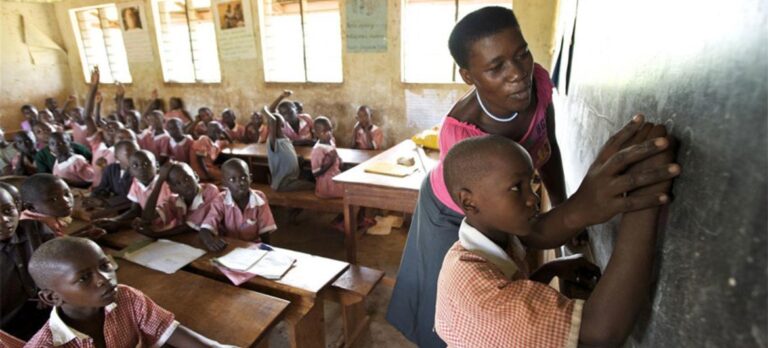
I went to various primary schools, but the time I spent at Hormisdallen School wasn’t just a stroke of good luck but a turning point that shaped my regional perceptions in addition to academic pursuits.

My cohort of 1998 had 5 Tanzanians: Eria Maraule Benego, Kevin Mpiana, Gembe Benjamin, Ibrahim Ahmed and Mariam Soji Batenga; 2 Rwandans: Mbanga Jacinta Sandra and Rutabingwa Richard; and 1 Kenyan: Nuru Ali Mulupilo.

These East Africans were bright, endowed with great talent, physique and a more enviable sense of attachment to their countries than us Ugandans. Our sitting arrangement was in order of height, with short ones at the front and tall ones at the back. Being the tallest Ugandan in the cohort, I found myself at the back with the East Africans.

My unique Jumbwike name, coupled with my un-Ugandan height, made me appear like a foreigner. When Mobutu Tseseko was overthrown by Laurent Kabila in Zaire in 1997, my fellow backbenchers quickly noticed my resemblance to Kabila and decided to call me a Zairean.

I learnt Swahili as my fourth language and some basic Kinyarwanda. Years later, these friends have turned out to be useful contacts whenever I visit or need anything from their countries.

At the revival of the East African Community, the forebearer envisioned a community with policies and programs that deepened the cooperation among partner states in political, social and cultural fields, research and technology, defense, security, legal and judicial affairs for their mutual benefit.

At the back of their minds were past mistakes that had led to the collapse of the community, like lack of strong political will and lack of strong participation by the private sector and civil society in the cooperation affairs.

Whereas some good strides have been made on the EAC political front, the critical participation of the citizens has remained minimal. Right from the structure of the treaty, all engagements are exclusively in the domain of heads of state under the summit, ministers and attorneys general under the council, permanent secretaries under coordination committees and appointed sectoral committees.

These state actors are at the forefront of signing protocols, attending summits and shaping policies that determine how goods, services and people should interact across borders.

Unfortunately, the ordinary Wananchi, the farmers, students, transporters, youth and marginalised communities like refugees, are rarely involved in meaningful ways that matter, and this exclusion undermines the foundation of the EAC.

The current practice where agreements are negotiated behind closed doors, announced at summits and disseminated in the media without any interrogation by the public has simply driven the community back to the old times. Regional integration must be anchored in the voices and experiences of the people who feel its effects most acutely.

The EAC will flourish not because state actors sign treaties, but because farmers, traders, students, and workers see tangible improvements in their lives and feel that they helped shape the policies that made those improvements possible.

It is time for the EAC to ensure that its citizens are not spectators but architects of its integration.

SYSTEM IN TRANSITION: Competency-Based Curriculum under spotlight as UNEB flags gaps in practical skills despite improved 2025 UCE results

0

As the Uganda National Examinations Board (UNEB) released the 2025 Uganda Certificate of Education (UCE) results, the headline figure was encouraging: 99.69 percent of candidates qualified for the certificate.

But beyond the impressive pass rate lies a deeper story—one that places Uganda’s Competency-Based Curriculum (CBC) under renewed scrutiny.

The 2025 cohort, the second to be assessed under the CBC framework, posted improved overall performance compared to 2024. More than 428,000 learners qualified for certification, while the proportion of those failing to meet minimum requirements dropped sharply from 1.9 percent last year to just 0.31 percent.

Yet UNEB’s detailed report reveals that while learners are performing better statistically, critical gaps remain in the very competencies the curriculum was designed to cultivate.

The Thinking Skills Test

The CBC model shifts emphasis from memorisation to application of knowledge in real-life situations. Grades are awarded across five achievement levels—A (Exceptional), B (Outstanding), C (Satisfactory), D (Basic), and E (Elementary)—based on both Continuous Assessment (20 percent) and final examination scores (80 percent).

Although most candidates attained Grade C (Satisfactory), examiners highlighted a recurring weakness in practical science subjects.

In Physics, Chemistry, and Biology practical papers, candidates were expected to interpret given scenarios, formulate hypotheses, conduct investigations, and draw conclusions linked to real-life contexts. While there were improvements compared to 2024, many learners still struggled to connect experimental results to everyday applications.

The report notes that some candidates failed to meaningfully interpret scenarios or demonstrate creative problem-solving—skills that form the backbone of the CBC approach.

For educators, this signals a transitional challenge: shifting classroom culture from content coverage to competency development.

Science Gains, But With Caveats

Performance in the sciences improved markedly. The percentage of learners scoring below the basic level declined significantly in Mathematics, Physics, Chemistry, and Biology.

However, UNEB also recorded 63 cases of examination malpractice, mostly in Mathematics and science practical papers. In several instances, there was evidence that candidates were supplied with experimental results by teachers to copy—undermining the authenticity of competency-based assessment.

The Board noted that the design of scenario-based questions makes malpractice more difficult, but warned that teacher interference threatens the integrity of the new curriculum.

Gender and Subject Dynamics

Female candidates outperformed males in English Language and Christian Religious Education, particularly at higher achievement levels. In Mathematics and the sciences, performance was largely comparable, with only slight differences at the top grades.

The results suggest narrowing gender gaps in traditionally male-dominated science subjects—an encouraging sign for STEM participation in Uganda’s education system.

Inclusion Expands Access

The 2025 examination cycle also highlighted inclusivity gains. A total of 708 Special Needs Education (SNE) candidates were registered, receiving tailored accommodations including Braille scripts, enlarged print, sign language interpreters, and extra time. Of these, 98.2 percent qualified for the UCE certificate.

Meanwhile, all candidates who sat the examinations from Uganda Government Upper Prison School, Luzira, and Mbarara Main Prison Inmates’ Secondary School qualified—underscoring education’s rehabilitative potential.

Candidate Perception: Fair but Demanding

A post-exam survey of more than 36,000 candidates across 118 districts revealed that 66.4 percent considered the examinations fair, while 28.8 percent found them difficult. Only 4.7 percent described them as easy.

Notably, 96.3 percent said the questions were within the syllabus, suggesting alignment between curriculum design and assessment.

The modal grade—C (Satisfactory)—corresponds closely with this feedback, indicating that the examination largely met its intended competency thresholds.

The Bigger Picture

The 2025 UCE results reflect a system in transition. On the surface, qualification rates are rising and absenteeism is declining. Beneath the numbers, however, lies a more complex narrative about pedagogical reform, teacher preparedness, and the challenge of cultivating higher-order thinking skills in a rapidly expanding secondary education system.

For UNEB and the Ministry of Education, the message is both affirming and cautionary: while the CBC framework is gaining traction, its success will ultimately depend on how effectively classrooms across the country embrace inquiry-based learning and real-world application.

The statistics show progress. The next test may well be whether Uganda’s learners can translate satisfactory grades into transformative skills beyond the examination room.

PROTÉGÉ TO POLITICAL RIVAL: Rebecca Kadaga accuses Milly Babalanda of electoral violence, demands probe into Buyende polls malpractices

0

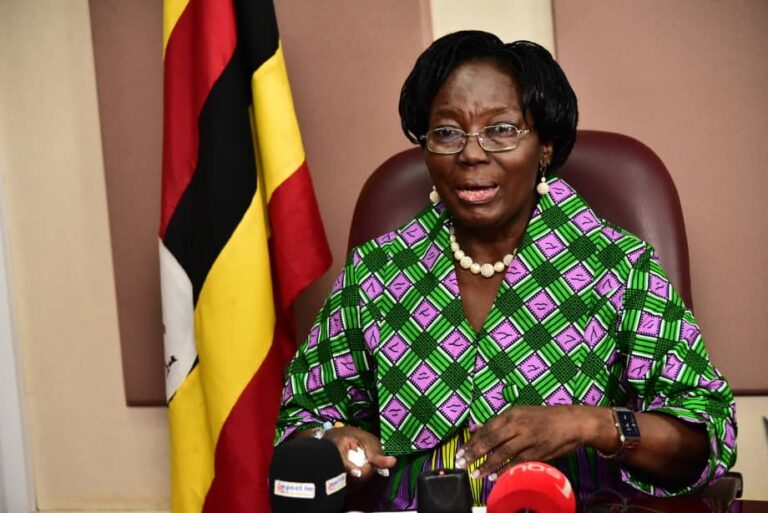
The First Deputy Prime Minister and Minister for East African Affairs, Rebecca Alitwala Kadaga, has launched a blistering attack on the Minister for the Presidency, Milly Babalanda, accusing her of orchestrating electoral violence and malpractice in Buyende District.

Speaking during a radio talk show aired across major stations in the Busoga sub-region, Kadaga expressed sympathy with residents of Budiope West, where Milly Babalanda stood for Member of Parliament and controversially won, alleging that the recent electoral process was marred by intimidation, violence, and abuse of power.

“I empathize with my people in Budiope because the things that happened to them during the election period, right from the NRM primaries, have never happened,” Kadaga said. “We used to vote peacefully and with love. You voted whoever you wanted and returned home.”

Kadaga alleged that Babalanda imported individuals, including Kampala-based famed kick boxer Moses Golola, to intimidate voters during the NRM primaries. It is alleged that Golola, in the company of tens of kanyamas, terrorized voters in Budiope West. At a recent press conference, Babalanda denied ever hiring these macho men.

“I was told Golola was beating up people. What was he doing in Buyende? He doesn’t vote there,” Kadaga charged. “After that, vote tallying was done at her home instead of the district headquarters.”

The Kamuli District Woman MP further alleged that the violence escalated during the general elections, claiming that firearms were used and voters were assaulted. She called for investigations into reports of beatings and killings in the district.

“During the general elections, she did worse. On beating people, she added guns and shooting people. I have been getting the news,” Kadaga said. “On the issue of beating up and killing people in Buyende, it needs to be investigated so that people get justice,” Kadaga said. “How do you go and beat a candidate because you want votes?”

Kadaga warned against what she described as growing impunity and abuse of power, suggesting that some leaders become overwhelmed after attaining high office. Kadaga urged Babalanda to “calm down,” cautioning against escalating political conflicts.

“When someone reaches a level they didn’t expect to reach, they run mad,” she remarked, in an apparent reference to Babalanda. “The wars you are starting, you won’t manage them,” Kadaga said in a message directed to Milly Babalanda.

She questioned Babalanda’s leadership capacity, alleging that ministry operations are handled by other officials and claiming that speeches delivered by the minister are prepared by aides.

“That person [Milly Babalanda], even the speeches, people write for her and she reads word for word. When you ask a question from the speech, she cannot respond.” “Someone in the ministry helps her to do research and write speeches. The person who runs the ministry is Farouk, not Milly.

Kadaga criticized Babalanda’s leadership style and questioned her performance in office, alleging that key decisions within the ministry are influenced by other officials.

“I want to know what she has done for the people of Busoga,” Kadaga said, urging a transparent assessment of development impact in the sub-region. “These are things I never mention, but since she has tickled me, I will speak out,” Kadaga said.

In a deeply personal revelation, Kadaga claimed she played a role in Babalanda’s early political career, recommending her for appointment as deputy Resident District Commissioner (RDC) in Busia despite lacking formal academic qualifications at the time.

She explained that she had previously forwarded mostly male names for RDC appointments but later sought to promote women from Kamuli. She said she wrote to the President recommending Babalanda for consideration. “That is how I thought of Babalanda. She didn’t have senior six, senior four or any certificate.”

“I wrote a recommendation to the President asking him to consider and appoint her. That is how Babalanda became deputy RDC,” Kadaga stated. “I am surprised that the person I picked from my village is the one attacking me,” she remarked.

The senior NRM leader also accused Babalanda of blackmailing fellow leaders and failing to deliver tangible development for the Busoga sub-region during her tenure as Minister for the Presidency.

“I want to know what she has done for the people of Busoga in the five years she has been in that ministry—just one thing, if it exists,” Kadaga said.

Despite expressing concern over public anger in Buyende, Kadaga commended voters for participating in the elections and urged calm, while warning that unresolved grievances could fuel further conflict.

“If there are not people pushing our people, there would be no problem to reconcile,” she noted.

Kadaga’s remarks underscore escalating tensions within the ruling party in Busoga, particularly in the aftermath of a hotly contested election season.

Her call for investigations, reconciliation and accountability is likely to fuel further political debate in the sub-region, as leaders grapple with questions of electoral conduct, governance and party unity.

Kadaga concluded by calling for a comprehensive post-election evaluation once the new government is formed, emphasizing the need to restore trust and ensure accountability.

UGANDA AFTER THE VOTE: What another Museveni term means for Ugandans and development partners

0

By Waiswa Michael Baluye

President Yoweri Museveni has been re-elected as Uganda’s president for a seventh term, extending his rule that began in 1986 and making him one of Africa’s longest-serving leaders. This re-election will shape Uganda’s future across political, economic, social, and international dimensions.

Here’s a clear breakdown of the most likely ways his continued leadership could develop (or affect) Uganda over the next years:

1. Political Landscape & Governance

Extended incumbency

Museveni’s victory extends his rule into its fifth decade, consolidating the political dominance of his party, the National Resistance Movement (NRM). This continuation can mean stability for allies within the government and outside it.

Democratic institutions and opposition space

Critics and analysts warn that democratic spaces may remain constrained despite all electoral institutions being in place. Opposition leaders talk of controversy over voting technology, and claims of irregularities. They say this could erode confidence in electoral and civic freedoms.

Civil liberties and youth engagement

Young Ugandans – who make up the majority of the population – face ongoing challenges, like unemployment and limited political voice. Without broader reforms, tension between government and youth populations could grow, especially if opportunities don’t improve.

2. Economic Development Prospects

Government’s economic vision

President Museveni has outlined ambitious economic goals, including transforming Uganda’s economy and leveraging resource development, such as beginning oil production and infrastructure projects. Investments are expected in railways, power, and education.

The government also continues programs like the Parish Development Model (PDM) to boost income generation at local levels.

Growth vs. structural challenges

Uganda’s economy has growth potential, particularly with oil revenues and regional trade, but it still battles youth unemployment, poverty, and reliance on external financing. Achieving high-value industrialization will require deep structural reforms and private sector strengthening.

Foreign investment and partnerships

Ongoing engagement with global partners — including China, Gulf states, and regional neighbours — may continue, especially around infrastructure and energy sectors. However, dependence on certain foreign debts or shifting investor confidence remains a risk.

3. Peace, Stability & Social Cohesion

Peace and security narrative

One of President Museveni’s long-standing messages has been that his leadership ensures relative stability in a region that has seen conflict. This narrative appeals to businesses and some citizens worried about disorder.

Potential for unrest

At the same time, if many feel their voices are excluded or if economic gains are uneven, there is potential for protests or social unrest, especially among young and urban populations.

4. International Relations

Regional and continental ties

Many African leaders and institutions have congratulated Museveni on his re-election, suggesting continued diplomatic engagement within the continent.

Uganda plays a strategic role in East Africa’s politics and economics, especially in trade, transport corridors, and involvement in peacekeeping.

Western engagement vs. authoritarian concerns

Western governments may express concern about democratic backsliding, which could influence aid, trade preferences, or diplomatic posture — though balancing that is Uganda’s strategic geopolitical interests.

Mr Waiswa Michael Baluye is the ONC coordinator for Buyende district

Kaliro ONC Coordinator warns headteachers against sending students home over school requirements

0

The Office of the National Chairman (ONC) District Coordinator for Kaliro, Wabwire Andrew, has issued a strong warning to headteachers of government-aided schools against sending students home over what he described as excessive “school requirements.”

In a statement released this week, Wabwire expressed concern that some school administrators are imposing heavy charges on parents, allegedly under the guise of school requirements, and denying learners access to education when payments are not made.

“When the NRM government came into power in 1986, it introduced free education at both primary and secondary levels to support children from underprivileged families and curb illiteracy,” Wabwire said. “It is unfortunate that some administrators have shifted from the spirit of this program.”

He cited reports indicating that in some government schools, parents are being asked to pay between Shs100,000 and Shs200,000 per child. According to him, students who fail to meet these payments are sometimes denied entry into school, leading to increased dropout rates.

Wabwire noted that for families with multiple school-going children, the financial burden can be overwhelming. “A parent with four children paying Shs200,000 per child would need Shs800,000 per term. This places unnecessary stress on families and creates frustration that is wrongly directed at government,” he said.

He emphasized that the government has already established measures to facilitate free education under the Universal Primary Education (UPE) and Universal Secondary Education (USE) programs, and no learner should be sent home due to inability to pay additional charges.

On the issue of school meals, Wabwire clarified that while parents may contribute towards lunch, failure to do so should not result in a child being denied access to school. “Education is a right, not a privilege,” he stated.

The ONC coordinator further revealed that some schools reportedly send students home on the first day of term over unpaid requirements — a practice he described as unacceptable and one that must cease immediately.

“As ONC, and in line with our 2026 slogan of ‘Protecting the Gains,’ we are committed to ensuring that all children benefit from the free education policy,” Wabwire said. He warned that failure by headteachers to comply with government policy would attract appropriate action in accordance with the law.

Education authorities in the district had not yet issued an official response by press time.

INTEGRATED KNOWLEDGE: Why Uganda needs the arts and social sciences towards the 22nd century

0

By Oweyegha-Afunaduula

Introduction

A dangerous and short-sighted intellectual apartheid is being engineered in Uganda today. The NRM regime, with President Tibuhaburwa Museveni as its most vocal proponent, has openly declared an unprincipled and deceptive war on the Arts and Social Sciences. This is not merely a policy preference for the natural sciences; it is a deliberate strategy of mind-shaping with profound consequences for our nation’s future as we march towards the 22nd Century.

The government’s stance is clear and damaging: they actively discourage students from pursuing Arts and Social Sciences, falsely claiming that only natural sciences can secure their future. This is propagated despite the reality of our digital age, where a software developer, a data analyst, a content strategist, or a systems manager can emerge from any field of study, provided they have critical thinking, creativity, and adaptability—skills honed supremely well in the Arts and Social Sciences.

The discrimination is institutionalized and financial. A PhD holder in a natural science discipline is valued—and paid—more by the state than a PhD in Political Science, Literature, or Social Work. This is not an accident of the market but a calculated devaluation. The regime’s “commitment to science” is visible in targeted funding, presidential directives, and the construction of specialized institutions, all while faculties of humanities and social sciences are starved of resources and morale.

The Strategy: Divide, Rule, and Repress

This strategy has insidiously polarized our universities, pitting knowledge worker against knowledge worker. It is a classic divide-and-rule tactic, creating an apartheid hierarchy of disciplines. The oppression is felt daily. When academics in the Arts and Social Sciences raise their voices against this discrimination, they are often suppressed by their own administrators, who increasingly act as extensions of the ruling class rather than defenders of academic freedom.

A cursory analysis of Makerere University’s leadership structure is revealing. One must ask: Who is the Chancellor? Who Vice-Chancellor? Who is the Chairman of the University Council? Who is the Chairman of the Appointments Board? And who are the members of the University Council and the Appointments Board?

From Diagnosis to Prescription: Building Uganda’s 22nd Century Knowledge Ecosystem

Having established the strategic folly and oppressive nature of the current policy, we must now turn to the blueprint for the future. Rejecting the apartheid of knowledge is the first step; the second, more crucial one, is actively constructing an educational and societal framework where the Arts, Social Sciences, and Natural Sciences are dynamically integrated. This is not a utopian ideal but a practical necessity for survival and thriving in the coming century.

1. Curriculum Revolution: From Silos to Synergy

The change must begin in our classrooms, from primary school to postgraduate study. We need a curriculum that:

· Promotes Problem-Based Learning (PBL) from Day One: Instead of teaching Biology, History, and English Literature in isolated periods, students should tackle projects like “The Health of Lake Victoria.” This would require scientific study of pollution, historical analysis of fishing policies and community displacement, economic assessment of livelihoods, and creative communication through writing or film to advocate for solutions. This mirrors the extradisciplinary reality of life itself.

· Mandates Cross-Registration in Universities: A medical student should take a course in Medical Anthropology. An engineering student should engage with Philosophy of Technology and Ethics. A literature student should understand the basics of environmental science. This breaks down the institutional barriers that currently enforce intellectual segregation.

2. Redefining “Productivity” and National Value

The regime’s bias stems from a narrowly economistic view of productivity. We must champion a broader definition of national value that includes:

· Social Cohesion and Peacebuilding: The work of historians, sociologists, and conflict-resolution experts in healing community fractures is as vital to national stability as any infrastructure project.

· Cultural Capital and Soft Power: Uganda’s global influence in the 22nd century will depend not just on its exports but on its cultural exports—its literature, music, philosophical thought, and ethical leadership. The Arts are the engine of this soft power.

· Governance and Institutional Integrity: Political scientists, public administrators, and legal philosophers are the architects and auditors of effective, just institutions. Devaluing them is an invitation to corruption and tyranny.

3. The 22nd Century’s “Wicked Problems” Demand Integrated Minds

Let us be specific about the challenges on the horizon that will scorn disciplinary narrowness:

· Climate Crisis Adaptation: While climate scientists model rainfall patterns, it is the social scientist who designs the fair social policy for climate migrants, and the artist who crafts the narratives that motivate collective behavioral change.

· The Fourth Industrial Revolution (AI, Biotechnology): Computer scientists will build AI systems. But without ethicists, linguists, and sociologists at the design table, we risk encoding our worst biases into algorithms that could devastate societies. The governance of biotechnology cannot be left to biologists alone.

· Urbanization and Future Cities: The engineer designs the smart city’s infrastructure, but the quality of life within it is determined by urban planners (geography), social workers, and the community artists who create public spaces that foster human connection.

4. Reclaiming Our Pre-Colonial Intellectual Heritage

As I alluded to earlier, this integration is not a foreign import. It is a return to our roots. In pre-colonial Ugandan societies, the “expert” was often an integrated thinker: a farmer who understood astronomy for planting, meteorology for weather prediction, botany for medicine, sociology for community leadership, and oral literature for preserving history and ethics. The colonial project dismantled this holistic knowledge system, replacing it with fragmented disciplines that served a bureaucratic and extractive administration. The current regime’s policy is, tragically, an extension of this colonial logic.

Conclusion: The Legacy We Choose

My father’s life—and my own trajectory—stand as testament to the power and resilience of the integrated mind. He was not a collection of fragmented roles but a whole person applying a symphony of skills and understandings to the challenges of his community. This is the model for the 22st-century Ugandan citizen.

Therefore, the call to action is clear. We must:

· Advocate for policy and funding parity at all levels of government and university management.

· Empower university senates and academic staff associations to resist political manipulation and champion curricular integration.

· Celebrate and fund research clusters that are inherently transdisciplinary.

· As parents and teachers, encourage young people to cultivate wide-ranging curiosity and to see knowledge as a web, not a series of isolated boxes.

The journey to the 22nd century has already begun. Will Uganda arrive as a fractured society led by technically proficient but socially and ethically myopic specialists, easily manipulated by power? Or will we arrive as an innovative, cohesive, and wise society, led by integrated thinkers who can navigate complexity with both technical skill and profound human understanding?

The answer lies in the choices we make today about the value we place on the Arts and Social Sciences. Let us choose integration over apartheid, wisdom over mere information, and reclaim the holistic intellectual spirit that has always been our true heritage.

*Oweyegha-Afunaduula is a natural scientist, academic, public intellectual, and former Secretary General of the Makerere University Academic Staff Association and former Chairman of the Nile Basin Discourse.

Prof Oweyegha-Afunaduula is a Conservation Biologist and member Center for Critical Thinking and Alternative Analysis

UCE RESULTS RELEASE: 2025 Uganda Certificate of Education exam results to shape policy and curriculum reforms, UNEB says

0

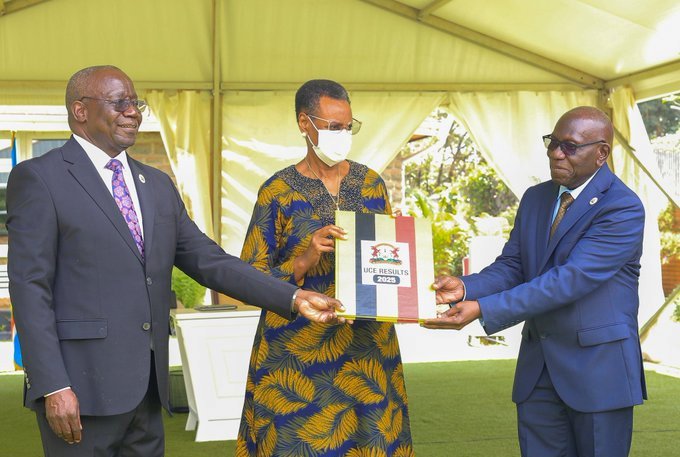
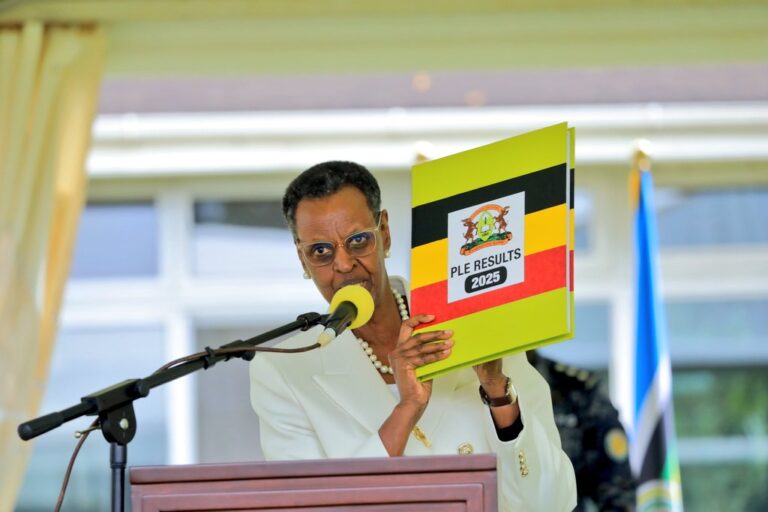
The 2025 Uganda Certificate of Education (UCE) examination results will be officially released tomorrow, February 13, 2026, by the Minister of Education and Sports, First Lady Mama Janet Museveni, at State House, Nakasero. The announcement was made by the Uganda National Examinations Board (UNEB).

The UCE examinations, taken by hundreds of thousands of students nationwide, are a critical milestone in Uganda’s education system, determining progression to advanced level studies and vocational pathways. The 2025 exams were conducted under stringent supervision to uphold fairness and maintain national standards.

UNEB has advised candidates and parents to access results through official channels, including the UNEB portal and authorized SMS services, cautioning against unofficial sources that may spread inaccurate information.

The release event is expected to be attended by top education officials, policymakers, and other stakeholders, reflecting the government’s commitment to transparent and credible examination processes.

The Ministry of Education has emphasized that the results will not only indicate individual performance but also provide insight into national trends in education, helping inform policy and curriculum improvements.

In recent years, the ministry has focused on enhancing teacher training, expanding access to quality learning materials, and modernizing science and vocational education to better prepare students for higher education and the workforce.

Candidates are encouraged to review their results carefully and seek guidance on next steps, as the outcomes will shape their academic and career trajectories.

DESTRUCTIVE TRIAD: How ecocide, ethnocide, and intellectual death are wrecking education in Uganda

0

By Oweyegha-Afunaduula

Abstract

Uganda’s education system, once a beacon of post-independence promise, is being systematically wrecked by three interlocking forces: Ecocide (the destruction of environmental understanding and belonging), Ethnocide (the erosion of cultural and collective identity), and Intellectual Death (the suffocation of critical thought and public scholarship). This article argues that under a Machiavellian state model, education has been reconfigured not for societal liberation or intellectual advancement, but as a tool for cheap labour production, political subjugation, and the consolidation of power for a ruling class. Through familial control, privatisation, curricular manipulation, and the militarisation of minds, the system cultivates dependency and a cadre of “educated fools.” Crucially, we also examine the paradoxical role of the Internet, social media, and Artificial Intelligence (AI) as both tools of this diminishment and, potentially, the essential instruments for a pedagogy of liberation in an increasingly globalized yet diminishing world.

1.0 Introduction: Redefining the Triad for a Digital Age

In our earlier analysis of healthcare as a theatre of concealed genocide, we delineated how systemic neglect weaponises policy. Applying the same lens to education in a hyper-connected era requires redefining our triad:

· Ecocide in Education: Not merely physical environmental destruction, but the pedagogical killing of ecological understanding. It is the cultivation of an “environmental psyche” that teaches students they are apart from nature, not a part of it. This breeds biocultural illiteracy, natural belonging illiteracy, and ecological belonging illiteracy, rendering citizens passive witnesses to land grabs. In a digital age, this illiteracy is compounded by a curriculum for the past, deliberately disconnected from the tools that could map and resist environmental plunder.

· Ethnocide in Education: The systematic dismantling of collective identity and communal values through schooling. It is achieved via privatisation and commodification, which atomises society, and the suppression of political discourse, severing education from critical consciousness. The “Machiavellian individualist merit approach” pits students against each other, eroding Ubuntu. Meanwhile, the globalizing force of the Internet presents both a threat of cultural homogenization and an unprecedented tool for cultural preservation and resistance.

· Intellectual Death in Education: The deliberate closure of intellectual space and the devaluation of intellectual capital. This is enforced by prioritising loyalty over competence, appointing NRM cadres to lead institutions, and militarising thought. It results in “inactivated public intellectuals” and “masses of educated fools.” Here, the control over knowledge is extended into the digital realm, where access to information is monitored, yet where AI and global networks also offer clandestine avenues for intellectual resurrection and global solidarity.

These three pillars are orchestrated through a Machiavellian framework where education is purely an instrument of power retention.

2.0 The Machiavellian Architecture: Familial Control and Political Weaponisation

The management of Uganda’s education sector exemplifies a patronage-based, neo-patrimonial state. President Tibuhaburwa Museveni’s direct and familial oversight—with the First Lady as Minister of Education and Sport—symbolises the sector’s repurposing for political ends. This “Presidentialism in education” ensures personalist initiatives trump systemic planning.

The underfunding of the Ministry, despite its high-profile leadership, is a strategic crisis that justifies privatisation and deceptive “seed schools.” This leads to Educational Apartheid: a two-tier system where quality is a commodity for the elite, and the majority are funneled into facilities designed for “education for cheap labour.” This model deliberately neglects to prepare students for a world shaped by the Internet and AI, instead producing workers for a diminishing globalized world of exploitation.

3.0 Ecocide: Cultivating Environmental Illiteracy in a Data-Rich World

The curriculum remains a primary tool for ecological disconnection. Teaching “Environment” as what merely “surrounds us” philosophically exiles the student from the ecosystem. This is compounded by the militarisation of environmental management, which disconnects indigenous societies from their stewardship knowledge.

The result is a citizenry ecologically illiterate, unable to comprehend the assault on land through grabbing. This is a profound failure in an age where satellite imagery and global databases could empower communities to protect their resources. The state’s model fosters ignorance about ecology and ecosystems, ensuring that the digital tools that could liberate environmental understanding remain unused, while the environmental psyche of separation is reinforced.

4.0 Ethnocide: Privatisation, Digital Homogenization, and the Struggle for Cultural Memory

The aggressive privatisation of education serves as a potent ethnocidal engine, transforming learning into a private transaction that negates communal values. The “money as the centrepiece” ethos promotes a ruthless individualist meritocracy.

Concurrently, fear and silence are enforced. Debates and genuine political education are suspended. However, this ethnocide now operates in the digital sphere. While the state suppresses local discourse, global social media and the Internet bombard youth with homogenizing, consumerist cultures. Yet, paradoxically, these same platforms are the new frontier of cultural resistance. Diasporas and cultural custodians use them to archive languages and practices, creating a digital counter-narrative against the ethnocide enacted by the formal system. The battle for identity is now fought on TikTok, YouTube, and in encrypted forums, as much as in the classroom.

5.0 Intellectual Death: Cadres, Corruption, and the Digital Battle for Minds

Intellectual death is institutionalised. Leadership is entrusted to NRM cadres, whose primary qualification is loyalty. Corruption, the state’s foundational bedrock, replaces meritocracy.

The massification of education without intellectual rigour produces “educated fools.” Knowledge is fragmented; universities resist interdisciplinarity and transdisciplinarity, making holistic education impossible. Into this void steps the digital world as both a threat and a salvation. The state views the Internet with a Machiavellian eye—a tool for surveillance and propaganda. Yet, it is also a leaky system. Students use VPNs to access banned scholarship; AI-powered tools can deconstruct state narratives and simulate complex ecological and social systems; online forums revive political education. The Internet becomes the expanded intellectual space, a digital commons where public scholarship can persist, albeit under threat. AI, rather than being harnessed for critical, contextual learning, is ignored or feared, perpetuating education for the past while the future unfolds online.

6.0 Synthesis and Liberation: Reclaiming Education in a Diminishing World

The destructive triad operates in synergy: Ecocide in the curriculum prepares the populace to accept physical ecocide. Ethnocide dismantles collective resistance. Intellectual Death ensures no critical vanguard emerges.

The result is education for dependency and despondency, engineered to produce a technically trained but critically neutered populace. It is education for the past in a digital age. However, a counter-narrative is embedded within the very technologies of globalization. The liberatory potential of the Internet, social media, and AI presents a profound contradiction to the state’s project:

· The Internet as Democratizer: It shatters the state’s monopoly on knowledge, allowing access to global journals, indigenous knowledge repositories, and real-time environmental data, directly countering biocultural illiteracy and intellectual death.

· Social Media as Counter-Public Sphere: It amplifies subaltern voices, exposes the deception of seed schools and corruption, and creates digital solidarity networks, challenging the fear factor and silence that underpin ethnocide.

· AI as Personalized Liberatory Pedagogy: If reclaimed, AI could curate transdisciplinary curricula, simulate the impacts of policy, preserve languages, and critically deconstruct hegemony, forcibly reintegrating knowledge and equipping minds to tackle wicked problems.

7.0 Conclusion: The Digital Frontier of the Struggle

The battle for Uganda’s education is no longer confined to dilapidated classrooms. It has expanded into the digital ether. The state’s Machiavellian model, focused on power retention, is inherently threatened by these technologies of connection and critical analysis. Therefore, the path to salvaging education requires a conscious, collective struggle to:

1. Seize Digital Tools: Train students and teachers in digital literacy, critical media analysis, and the use of AI for contextual problem-solving, not just rote learning.

2. Build Digital Archives: Systematically use digital platforms to preserve and teach indigenous knowledge and biocultural heritage, forging a digital shield against ethnocide.

3. Foster a Networked Intellectual Commons: Support platforms for uncensored public scholarship and debate, recreating the intellectual space suffocated in physical institutions.

4. Demand an Education for the Future: Challenge a curriculum of the past by integrating ecological digital tools and ethical tech studies, preparing citizens not for cheap labour, but for sovereign engagement in a complex world.

The Destructive Triad seeks to wreck education by disconnecting people from their land, their culture, and their own critical minds. The emergent, liberatory use of digital technology offers a triad of reconnection: Ecological Re-embedding, Cultural Re-membrance, and Intellectual Resurrection. The classroom is now everywhere; the curriculum must be rewritten by the people, byte by liberating byte.

For God and My Country.

Prof.  Oweyegha-Afunaduula is Conservation Biologist and member of Center for Critical Thinking and Alternative Analysis


WORLD CANCER DAY: We shouldn’t curtail the unique efforts of nascent cancer actors in Uganda

0

By Jumbwike Sam

As the world commemorates World Cancer Day today, it is clear to many people in Uganda that cancer is no longer a far-off threat but a reality in our homes, communities and towns. Cancer has claimed and continues to claim thousands of lives in Uganda, many of which would have been prevented through early detection, timely treatment and psychosocial support. 

Low awareness has consistently been shown as the precursor to late diagnosis and treatment because it delays people from seeking help for cancer-like symptoms. Lack of awareness about the curability of cancer has also had an impact on health-seeking behaviour towards cancer. Every cancer patient’s journey presents with its unique experience, with some struggling with diminished psychological well-being, increased stress, anxiety and depressive symptoms which require holistic approaches for meaningful, manageable and comprehensible experiences on their journeys. 

As we amplify this year’s theme, “United by Unique”, it is vital for us to remember that the fight against cancer can never be managed single-handedly but through concerted efforts with all benign stakeholders. It is without doubt that Uganda’s health system is already stretched with few specialists, low resources and geographical challenges for far-off communities to get to cancer centres.

In many contexts, NGOs are the first responders in the cancer fight. NGOs have been combing the hard-to-reach areas to extend community-based screening, interpreting information into local languages, supporting patients with transport and accommodation, and confronting the myths and stigma. Others have been providing palliative care where hospitals haven’t been able to. We must resist policy bottlenecks, practices and mentalities that suffocate other stakeholders in the fight and create a collaborative environment between the state and non-state actors. 

Lately, NGOs in Uganda are facing increasing regulatory hostilities and pressure in the name of traditionalism and national security. Whereas regulation and accountability are essential, unrealistic bureaucracy, delayed approvals and big fines from agencies like the Uganda Revenue Authority and the Uganda Registration Service Bureau have strangled organisations that are already operating on limited budgets. NGOs spend a lot of time and resources on navigating paperwork and paying fines, using their meagre resources that would have been spent on services.

Whenever NGOs are deregistered or suspended, programmes shut down. Community trust is disrupted by abrupt closures, and people in communities stop seeking care. The current rigid one-size-fits-all approach to NGO oversight is a huge setback for cancer NGOs that survive on individual supporters. Rather than suffocating innovation, there should be proportional regulation and open channels of dialogue with the critical entities in cancer care.  Regulators like the Uganda Cancer Institute should not look at NGOs as competitors but as partners that require trust, mutual respect and closer collaboration. Let us utilise this World Cancer Day to renew our commitment to collaboration and respect for everyone’s unique contribution to the cancer fight in Uganda.

The writer is a cancer activist and works at the Saam Salley Humanitarian Ad Agency.