
Thursday, May 21, 2026
Home Blog Page 3

ENVIRONMENTAL BANKRUPTCY: Why has Uganda become a dumping ground for wastes, including people?

0

By Oweyegha-Afunaduula

Introduction: A Nation Submerged in Pollution

Uganda’s environment is not merely trees, animals, and water. It has four inseparable dimensions: the ecological-biological, the socioeconomic, the sociocultural, and the temporal (time). Anything new introduced into this environment is, by definition, a pollutant — whether solid or non-solid, organic or inorganic. Its influence will register across one, several, or all four dimensions.

This article argues that Uganda has become a dumping ground for wastes — including human beings as solid pollutants — because of profound failures in knowledge systems, governance, and ethics. Unless we adopt team sciences (inter-, cross-, trans-, and extra-disciplinarity), we will continue generating complexities we cannot solve. The consequences are already existential, as history shows: when European human pollutants invaded the Americas, Australia, and New Zealand, the Red Indians, Aboriginals, and Maoris lost their lands and futures. They are now foreigners in their former lands. Uganda must wake up.

1. Who Are the Solid Pollutants of the Human Type?

· Cross-border refugees: People fleeing war, famine, or persecution from neighboring countries (e.g., South Sudan, DRC, Burundi, Somalia) who enter Uganda.

· Imported enforced refugees: People brought to Uganda under international relations agreements, including from Afghanistan and the USA. These are not fleeing Uganda’s neighbors; they are deliberately placed here.

· Internal refugees: Ugandans displaced by conflicts (e.g., Karamoja, Rwenzori), land grabs, floods, or landslides, forced to migrate to unfamiliar parts of the country.

All these are solid pollutants because they are physical human bodies entering an environment alien to them. Once they arrive, they interact with all four dimensions of Uganda’s environment — often without the host society’s conscious preparedness.

2. What Happens When Human Solid Pollutants Enter Uganda’s Multidimensional Environment?

Dimension Influence / Impact / Implication

Ecological-biological Deforestation for refugee settlements (e.g., Bidibidi, Kyangwali); pressure on water sources; introduction of new crop pests or livestock diseases; altered wildlife migration routes.

Socioeconomic Strain on health services, schools, and roads; inflation of local food prices; competition for casual labor; aid dependency; emergence of black markets.

Sociocultural Language barriers; inter-ethnic tensions; changes in marriage patterns; rise in gender-based violence in overcrowded settlements; erosion of host community traditions.

Temporal (time) Short-term humanitarian relief creates long-term structural problems (e.g., soil exhaustion, protracted camp populations, second-generation statelessness).

Example: In Kyaka II refugee settlement (Kyegegwa district), over 170,000 Congolese and South Sudanese refugees have lived for more than a decade. The ecological damage (firewood collection, wetland encroachment) and sociocultural friction (land ownership disputes) are now permanent features. Yet Uganda’s disciplinary education system has produced no team-based, long-term solution.

3. The Root Cause: Disciplinarity and Environmental Ignorance

Uganda’s education system remains rigidly disciplinary. It produces graduates who can solve small, simple problems for individual glorification — but cannot address wicked problems like pollution in all its dimensions.

We must distinguish the team sciences:

· Interdisciplinarity: Integrates methods from different disciplines to address a common question.

· Crossdisciplinarity: Views one discipline’s problem through the lens of another (e.g., physics informing biology).

· Transdisciplinarity: Works across disciplines and includes non-academic knowledge (community, indigenous).

· Extradisciplinarity: Does not presume disciplines exist at all. It starts from the problem itself and assembles whatever tools — from AI, big data, indigenous knowledge, art, spirituality — are needed.

Disciplinarity is a reason Uganda became a dumping ground. Why? Because disciplinary thinking cannot track a solid human pollutant across ecological, economic, cultural, and temporal dimensions simultaneously. Instead, it generates narrow solutions (e.g., “build more latrines”) that create new complexities (e.g., groundwater contamination, social conflict over latrine use). We spend more energy solving nothing.

4. Other Reasons Uganda Accepts Wastes

· Environmental bankruptcy: No national accounting of carrying capacity. We do not know how many human pollutants our environment can absorb.

· Environmental corruption: Officials accept bribes to permit waste dumping (e-waste, used clothing, defective vehicles).

· Environmental ignorance: Most citizens and leaders cannot read pollution impacts across four dimensions.

· Environmental manipulation: We project ourselves as “civilized” and “hospitable” to win foreign approval, even at our own expense.

· Political corruption & authoritarian decision-making: Refugee quotas and waste import permits are decided without parliamentary or public debate.

· International relations blackmail: Uganda receives “enforced refugees” from Afghanistan and the USA because saying “no” would mean losing aid or diplomatic favor.

· Craze for acceptance: We want to be seen as a generous nation, forgetting that generosity without boundaries is self-destruction.

· Power retention: Accepting human solid pollutants from powerful countries signals that we do not challenge global governance — and they will not challenge Uganda’s internal failed governance.

· Greed, deep state, and mafiasm: Behind-the-scenes deals import solid waste (e.g., second-hand polythene clothing, third-hand trucks) because someone profits. The public never sees the contracts.

5. Dumping in Africa: The Known and the Hidden

Africa has long feared nuclear waste dumping. But Uganda already suffers visible solid waste dumping:

· Second-, third-, fourth-hand vehicles: They clog soils, leak oil, and are abandoned in wetlands.

· Second-hand nylon and polythene clothing: These non-biodegradable textiles block drainage, enter food chains via soil and water, and release microplastics.

Example: Owino Market (Kampala) receives container loads of used clothes from Europe and China. Up to 40% are unsellable synthetic rags, which end up in landfills or burned, releasing dioxins. The ecological-biological and temporal dimensions are poisoned for decades.

6. Overall Long-Term Implications

Dimension Long-Term Outcome

Ecological Soil infertility, water toxicity, loss of biodiversity, microplastics in human blood and breast milk.

Socioeconomic Permanent underclass of camp-dwelling refugees; host communities impoverished; national debt from humanitarian appeals.

Sociocultural Loss of Ugandan identity; rise in xenophobia; breakdown of clan-based safety nets.

Temporal Irreversible changes: polluted aquifers take centuries to clean; second-generation refugees born in Uganda still denied citizenship; historical amnesia about who once owned the land.

History’s warning: When European human pollutants arrived in the Americas, the Red Indians were outnumbered and outgunned. Today, Red Indians live on reservations — foreigners in their own origin. When the same happened in Australia, Aboriginals lost sacred lands. In New Zealand, Maoris now fight for rights in courts. Uganda is on the same trajectory unless we act now.

7. Recommendations: From University to Extraversity

We cannot solve 21st-century pollution with 19th-century disciplinary universities. We need new institutions:

· Interversity: Problem-focused, integrating disciplines.

· Crossversity: Each problem viewed through multiple disciplinary lenses.

· Transversity: Academia + community + indigenous knowledge systems.

· Extraversity: No disciplines assumed. Uses Internet and AI as native tools — capable of multivariate, real-time analysis of pollutants across all environment dimensions.

Extraversity is crucial because AI does not think in physics, sociology, or biology silos. It sees patterns across all dimensions simultaneously. Uganda must begin pilot extraversities within five years.

8. Immediate Actions for Rulers and Non-Rulers

For rulers:

· Declare a national carrying capacity audit for human solid pollutants.

· Stop importing enforced refugees from outside Africa.

· Ban second-hand polythene clothing and defective vehicle imports.

· Replace Ministry of Education with Ministry of Team Sciences and Extraversity.

For non-rulers:

· Demand environmental literacy in all four dimensions.

· Reject the craze for being called “civilized” by former colonial powers.

· Organize community-based environmental courts to monitor waste dumping.

· Remember: When human pollutants take over, the original inhabitants become foreigners in their own land.

Conclusion: A Matter of Life and Death

Uganda is not poor in knowledge. We are poor in courage to abandon disciplinarity. Every day we delay, more solid human pollutants arrive — from South Sudan, from Afghanistan, from the USA. Each arrival reshapes our ecological-biological, socioeconomic, sociocultural, and temporal reality without our conscious consent. The Red Indians, Aboriginals, and Maoris cannot return their lands. Uganda still can. But only if we see pollution in all its dimensions, name human beings as solid pollutants when they arrive unplanned, and build extraversities to manage complexity with multivariate wisdom instead of univariate ignorance.
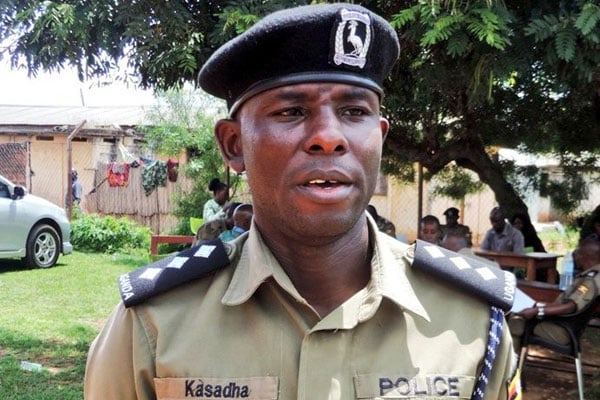
ARMED KILLERS: Police arrest two officers over fatal shooting in Bugiri

0

Police in Bugiri District have arrested two officers in connection with the fatal shooting of a 33-year-old man during an early morning operation in Buwunga Sub-county.

The suspects have been identified as Wagaba Innocent, the Officer in Charge of Buwunga Police Station, and Okwalinga Stephen, both attached to the same station.

According to the Busoga East Regional Police Spokesperson, Kasadha Micheal, the officers were arrested to assist with ongoing investigations into the incident.

The deceased, identified as Mugoya Alamanzani, was a resident of Nambale Village in Buwunga Sub-county.

Police say the incident occurred at approximately 4:40 a.m. while officers were attempting to arrest a suspect, Mugoya Nasiru, on allegations of assault.

“It is alleged that upon his arrest, the suspect raised an alarm which attracted his relatives and neighbors, who confronted the officers armed with pangas, sticks and stones in an attempt to rescue him,” Kasadha said.

In response, the officers reportedly discharged firearms to disperse the group. During the confrontation, Mugoya Alamanzani was fatally shot.

A team of detectives visited and documented the scene, recovering exhibits considered relevant to the investigation. The deceased’s body was later transported to Bugiri Hospital mortuary for a postmortem examination.

Police say investigations are ongoing to establish the full circumstances surrounding the shooting.

MONEY ALLOCATED: Buyende passes Shs40.6 billion budget to boost infrastructure and service delivery

0

By Zaidhi Mugabi

 Authorities in Buyende District have approved a Shs 40.6 billion budget for the 2026/2027 financial year, with a strong focus on improving infrastructure and enhancing service delivery across the district.

The District Chairperson, Kanaku Michael, said the budget prioritizes key development projects, including the rehabilitation of over 100 kilometres of roads to improve connectivity within communities.

Kanaku revealed that part of the funding will be used to procure standby generators for health facilities, including Bugaya Health Centre IV, and to fence selected health units to improve security and service efficiency.

In the education sector, the district plans to construct classroom blocks at Inuula Catholic Church-founded schools and other institutions, as well as supply at least 40 desks to improve the learning environment.

“Other government structures at schools and hospitals that are already operational will be renovated to provide a more conducive environment for users,” Kanaku noted.

As he prepares to leave office, Kanaku urged the incoming district leadership to ensure effective implementation of the budget, emphasizing the need for close monitoring of government programmes to maximize community benefits.

The budget also allocates funds to lower local governments, including town councils and sub-counties, to facilitate the opening of new access roads linking various villages.

Council committee reports presented during the session commended the effective utilization of funds received from the central government. However, they noted that inadequate financing has limited the district’s ability to fully achieve targets set for the 2025/2026 financial year.

Meanwhile, the outgoing District Speaker, Isabirye Kigozi, called on councillors who retained their seats in the recent elections to provide guidance and leadership to new members.

He urged them to act as vision bearers and ensure the effective execution of council duties for the continued development of the district.

PLANT-BASED REMEDIES: Legacy Natural Herbs Hospital introduces herbal treatment and home-based care in Uganda

0

A new player has entered Uganda’s growing alternative medicine sector following the official opening of Legacy Natural Herbs Hospital in the capital, Kampala, with its promoters promising herbal-based treatment for a wide range of health conditions.

The facility, whose main office is located at Cham Towers basement parking room 234, is an extension of the US-based Natural Medicinal Herbs Inc, a company its leadership says has built a reputation for treating numerous ailments using plant-based remedies.

In an interview with Busoga Times, the Chief Executive Officer, Mayanja David, described the expansion into Uganda as part of a broader effort to bring herbal medicine closer to communities seeking alternative or complementary treatment options.

“Human beings have relied on natural herbs for thousands of years,” Dr Mayanja said. “What I can confirm is that we treat several diseases using herbs. We do not add any manufactured or imported medicine.”

The hospital claims to handle a variety of conditions including infertility in women, Diabetes, High blood pressure, Cancer, enlarged prostate, and lifestyle-related addictions such as smoking and alcohol dependence. It also lists male reproductive health challenges among its treatment areas.

However, Dr Mayanja emphasized that the facility follows a structured intake process before administering herbal treatment. Patients are required to present existing medical reports from conventional hospitals, which are reviewed before any intervention is recommended.

“We first assess the patient’s medical reports and later transition them to herbal treatment,” he explained. “We cannot provide herbal remedies before understanding the current medical status of the patient.”

To reinforce diagnosis, the hospital says it works with established laboratories, including MBI, Imaging Center, and Ebenezer, where blood samples are analyzed to confirm conditions prior to treatment. Patient records are also maintained for ongoing monitoring and management.

According to Dr Mayanja, the herbal medicines are derived from natural plants and are primarily administered in powdered form. Preparation of these remedies is carried out at the institution’s facility in Kalagala along Gayaza Road.

The hospital’s pricing structure starts from UGX 50,000 for treatment, while consultation is set at UGX 10,000, positioning it as an affordable option for many urban residents.

Beyond herbal treatment, the organisation is also expanding into home-based healthcare through a sister initiative, Water Town Health Services. The service deploys qualified nurses and doctors to attend to patients in their homes, a model Dr Mayanja says is designed to reduce hospital congestion and ease the burden of transporting critically ill patients.

“It is not always ideal to move a sick person over long distances in search of care,” he noted. “We provide trained medical personnel who can manage patients from the comfort of their homes until recovery.”

The hospital reports growing uptake of its services and has announced plans to open additional branches across the country, signaling ambitions to become a significant player in Uganda’s alternative and community-based healthcare landscape.

The entry of Legacy Natural Herbs Hospital comes at a time when interest in herbal and complementary medicine is rising in Uganda, even as health experts continue to call for stronger regulation, scientific validation, and integration with conventional medical systems to ensure patient safety and efficacy.

KINGDOM CLAIMS FALSE: Bakenye leadership sets record straight on cultural institution formation

0

The Bakenye community has moved to dispel what it describes as “misleading and unfounded” reports suggesting that it is establishing a kingdom, clarifying instead that it is forming a lawful cultural institution grounded in Uganda’s constitutional framework.

In an official statement issued Wednesday by the Office of the Spokesperson of the Bakenye Cultural Union, the community said recent public discourse following the election of its first cultural leader, the Omugungumali Yaaya W’aBakenye, had sparked confusion about its intentions.

“The claim that the Bakenye intend to establish a kingdom is false, unfounded, and misleading,” the statement read.

The leadership emphasized that the institution is being formed in line with Article 246 of the Constitution of the Republic of Uganda (1995) and the Institution of Traditional or Cultural Leaders Act, 2011—legal provisions that recognize cultural leaders but explicitly limit their roles to non-political functions.

According to the statement, the new institution will not exercise administrative, legislative, or executive authority, nor will it engage in partisan politics. Instead, it is intended to serve as a custodian of the community’s cultural heritage, traditions, and identity.

“The office of the Omugungumali Yaaya W’aBakenye is a symbol of unity and cultural leadership, not political governance,” the statement noted.

The Bakenye leadership also underscored its commitment to operating within the legal boundaries governing cultural institutions in Uganda, including refraining from assuming state functions or operating as a political entity.

The formation of the institution is aimed at preserving the Bakenye people’s heritage and language, fostering unity among members of the historically dispersed community, and promoting social development, particularly among youth and women.

The statement further highlighted longstanding misconceptions about the Bakenye identity, noting that some members of the public have incorrectly referred to them as “Kenyans.” Leaders say the recent attention should instead be used as an opportunity to educate the public about the community’s roots and cultural distinctiveness.

They called on media houses and the public to exercise responsibility in reporting and information sharing by verifying facts and avoiding inflammatory narratives.

“The Bakenye are not forming a kingdom. They are lawfully establishing a cultural institution as provided for under the Constitution and laws of Uganda,” the statement emphasized.

The community described the initiative as peaceful and aligned with national values of unity in diversity, reaffirming its commitment to contributing positively to Uganda’s cultural landscape.

LAW MEETS LIVELIHOODS: The cost of demolishing Uganda’s informal urban economy

0

By Muteguya Denis

The recent wave of demolitions targeting unplanned structures in Uganda’s cities and municipalities has reopened a complex debate that sits at the intersection of law, governance, and socio-economic survival.

On one hand, the State is asserting its mandate to enforce planning laws and restore order in rapidly urbanizing spaces. On the other, thousands of ordinary citizens many operating kiosks and temporary structures—find themselves abruptly displaced, despite being active participants in the formal economy and even beneficiaries of government empowerment programs such as the Parish Development Model (PDM) and Emyooga.

This tension raises an important question: how should the law be applied in a way that preserves both urban order and human dignity?

The Legal Foundation of Demolitions

Uganda’s legal framework is clear and, in many respects, uncompromising. The Physical Planning Act prohibits any form of development without prior approval. Similarly, the Building Control Act requires that all construction be undertaken with valid permits and in accordance with approved standards. These laws empower authorities to issue enforcement notices, halt illegal developments, and, where necessary, demolish structures erected in contravention of the law.

From a strictly legal standpoint, therefore, the government is acting within its mandate. Structures built without approval, on road reserves, wetlands, or in violation of zoning requirements, have no legal protection. Courts have consistently upheld this principle, emphasizing that illegality cannot be cured by duration or usage.

However, the law also imposes procedural safeguards. Authorities are required to issue notices, allow time for compliance, and provide avenues for appeal. The Constitution further guarantees the right to fair administrative treatment, meaning that enforcement must not be arbitrary, selective, or excessively punitive.

The Political Context Behind Enforcement

While the legal basis is firm, the timing and intensity of enforcement are deeply political. For years, urban growth in Uganda has been characterized by weak enforcement, informal settlements, and a degree of state tolerance sometimes even tacit encouragement of unplanned development.

This historical laxity created a social contract of sorts. Citizens built, invested, and operated businesses under the assumption that the State would either regularize or ignore their activities. In many cases, local authorities collected trading licenses, market dues, and other taxes from these very structures now deemed illegal.

The recent shift toward strict enforcement can therefore be interpreted in multiple ways:

  • As a genuine attempt to restore order, improve urban planning, and attract investment;
  • As a response to public safety concerns, particularly after incidents of building collapse and flooding;
  • Or as a politically driven effort to demonstrate control, especially in fast-growing urban centers.

The challenge lies in the abruptness of this transition. Moving from tolerance to strict enforcement without a phased approach risks undermining public trust in state institutions.

The Paradox of Inclusion and Exclusion

Perhaps the most striking contradiction is the fate of individuals whose livelihoods have been destroyed, yet who are simultaneously beneficiaries of government poverty alleviation programs such as PDM and Emyooga.

These programs are designed to:

  • Promote financial inclusion,
  • Support small-scale enterprises,
  • And uplift households from subsistence to market participation.

Many kiosk operators and small traders fall squarely within this target group. They have accessed funds, started businesses, and contributed to local economies. Yet, the demolition of their operating spaces effectively reverses these gains.

This creates a policy paradox:

  • The State invests in empowering citizens economically,
  • While another arm of the same State dismantles the very platforms through which that empowerment is exercised.

The result is not merely economic loss, but also a sense of exclusion and disillusionment among citizens who perceive inconsistency in government action.

The Legal Position of the Affected Persons

Legally, the affected individuals face a difficult position. Payment of taxes or possession of a trading license does not legalize an illegal structure. The law distinguishes clearly between revenue collection and planning compliance.

However, this does not leave them entirely without recourse. Constitutional protections guarantee fair administrative action. If demolitions are carried out without adequate notice, without an opportunity to be heard, or in a discriminatory manner, affected persons may challenge such actions through judicial review.

There is also a broader administrative law principle of legitimate expectation. Where the State has, over time, allowed and even benefited from certain activities, individuals may reasonably expect a degree of fairness, consultation, or transition before drastic enforcement measures are taken.

While this principle does not validate illegality, it can influence how enforcement is carried out.

The Human and Economic Impact

Beyond legal arguments, the human consequences are significant. For many, kiosks and temporary structures are not merely physical assets but the foundation of daily survival. Their demolition translates into:

  • Immediate loss of income,
  • Inability to repay loans obtained under government programs,
  • Increased urban poverty and vulnerability.

At a macro level, widespread displacement of informal businesses can disrupt local economies and undermine the very objectives of inclusive growth policies.

A Balanced Approach

The current situation calls for a more calibrated approach that harmonizes legality with socio-economic realities.

A balanced strategy could include:

  • Gradual enforcement with clear timelines, allowing affected persons to regularize or relocate;
  • Designation of alternative trading spaces, especially for small-scale operators;
  • Integration of urban planning with economic empowerment programs, ensuring that beneficiaries have compliant spaces to operate from;
  • Strengthened public awareness on planning requirements to prevent future non-compliance.

Conclusion

The enforcement of planning laws in Uganda is both necessary and lawful. Uncontrolled urban development carries real risks, from environmental degradation to public safety hazards. However, the manner in which enforcement is carried out matters just as much as the legal basis behind it.

A State that seeks to empower its citizens economically must also ensure that its regulatory actions do not inadvertently dismantle those gains. The true test of governance lies not only in enforcing the law, but in doing so with consistency, fairness, and an appreciation of the lived realities of its people.

In the end, sustainable urban development will require more than demolitions. It will demand a deliberate effort to align law, policy, and livelihoods into a coherent and humane framework.

Mr. Denis Muteguya, Muzzukulu Regional Coordinator, Office of National Chairman (ONC)

Email: denismuteguya@gmail.com

ALLEGED FAKE CREDENTIALS:  Sande Clement Achoga petitions court challenging the election of Adidwa Abdu in Bukooli South County 

0

The quiet fishing communities and trading centers of Bukooli South County in Namayingo District are now at the center of a high stakes legal battle that could redefine the outcome of the January 2026 parliamentary elections, and raise deeper questions about electoral integrity in Uganda.

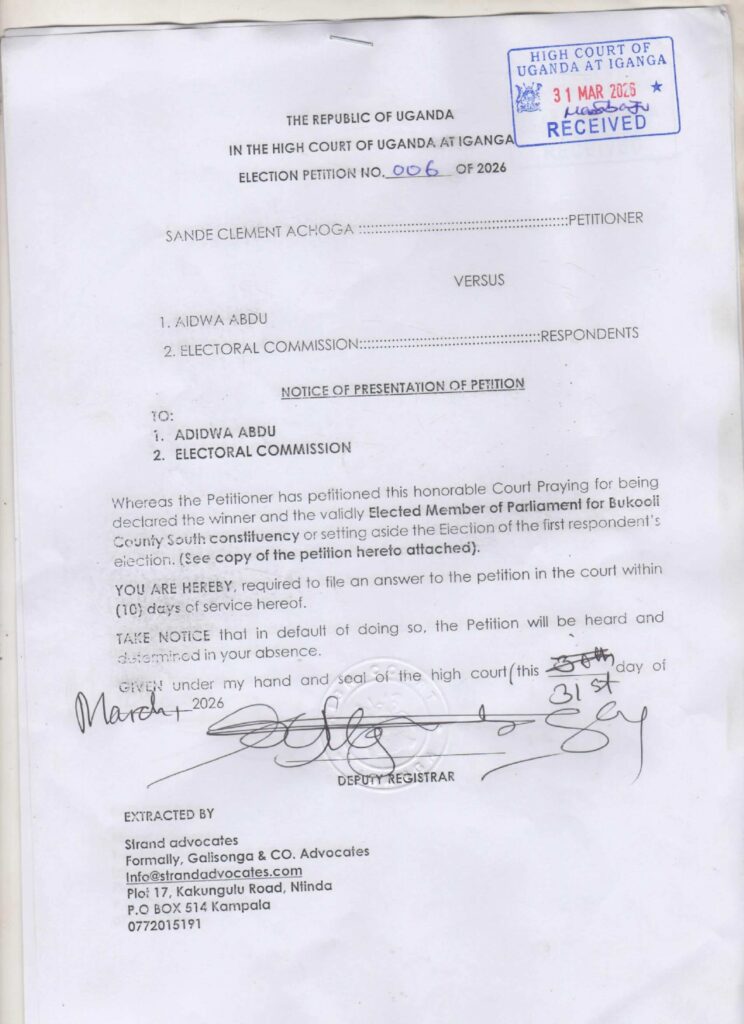
At the High Court of Uganda sitting in Iganga, a petition filed by National Resistance Movement (NRM) flag bearer Sande Clement Achoga, through his lawyer Muhussein Kyotaite of Strand Advocates, formerly Galisonga & CO. Advocates, challenges the victory of his rival, Adidwa Abdu.

The case, registered as Election Petition No. 006 of 2026, is shaping into one of the most closely watched post-election disputes in eastern Uganda.

Achoga, who emerged runner-up in the January 15 polls, is asking the court to either declare him the duly elected Member of Parliament or nullify the election of Abdu altogether. His petition accuses the MP-elect of fraudulent identity practices and lack of the minimum academic qualifications required to contest for Parliament.

Under Uganda’s electoral laws, particularly the Parliamentary Elections Act, a parliamentary candidate must possess an Advanced Level (A-Level) certificate or its equivalent. It is this requirement that now sits at the heart of the dispute.

In a detailed affidavit, Achoga alleges that Abdu used multiple identities to qualify for nomination. According to the petition, the respondent is said to have previously gone by the name “Barasa Ongeso Godfrey” before changing to “Adidwa Abdu” through a deed poll registered with the Uganda Registration Services Bureau in August 2020.

Barely a month later, the affidavit claims, another name change was registered, from “Namaani Grace” to “Adidwa Abdu”, raising what the petitioner describes as “fraudulent manipulation” intended to conceal the respondent’s true identity and academic background.

Further complicating the matter, Achoga cites correspondence from the National Identification and Registration Authority (NIRA), which allegedly confirms that “Namaani Grace” and “Adidwa Abdu” are two distinct individuals with different National Identification Numbers.

“These successive name changes were not innocent administrative actions,” the petition argues. “They were calculated moves to bypass legal requirements and mislead electoral authorities.”

Questions Over Academic Qualifications

The controversy extends to Abdu’s academic credentials. The petitioner claims that the MP-elect obtained a certificate of equivalence through a mature-age entry scheme administered by the Islamic University in Uganda and accredited by the National Council for Higher Education in May 2025.

Sande Clement Achoga, through his lawyer Muhussein Kyotaite of Strand Advocates, has gone to court challenging the victory of his rival, Adidwa Abdu.

However, Achoga contends that the certificate was acquired using a fraudulent identity and is therefore invalid.

He further references a 2021 report by the Criminal Investigations Directorate (CID), which allegedly concluded that Abdu had not attained education beyond Senior Two—far below the constitutional threshold for parliamentary candidates.

If proven, legal experts say, such findings could invalidate not only the respondent’s nomination but the entire election outcome.

Electoral Commission in the Spotlight

The petition also names the Electoral Commission of Uganda as the second respondent, accusing it of failing to conduct adequate due diligence before clearing and gazetting Abdu as the elected MP.

According to court documents, the Commission officially published Abdu’s victory in March 2026. Achoga now argues that this action effectively legitimized an ineligible candidate, thereby disenfranchising voters.

“This case is not just about one constituency,” says a Kampala-based election law analyst. “It raises broader concerns about the verification systems used by the Electoral Commission and whether they are robust enough to detect identity fraud.”

Election petitions in Uganda are often tightly contested and time-bound, with respondents required to file their defense within ten days of service. Failure to do so allows the court to proceed in their absence.

Beyond Bukooli South, the case reflects a growing trend of post-election litigation in Uganda, where candidates increasingly turn to courts to challenge outcomes rather than rely solely on political processes.

The dispute also touches on sensitive issues of identity, documentation, and access to education—factors that can significantly influence political participation in rural constituencies.

As the case unfolds, the High Court in Iganga will be tasked with examining documentary evidence, witness testimony, and the legal thresholds governing electoral disputes.

At stake is not only the parliamentary seat for Bukooli South but also public confidence in Uganda’s democratic processes.

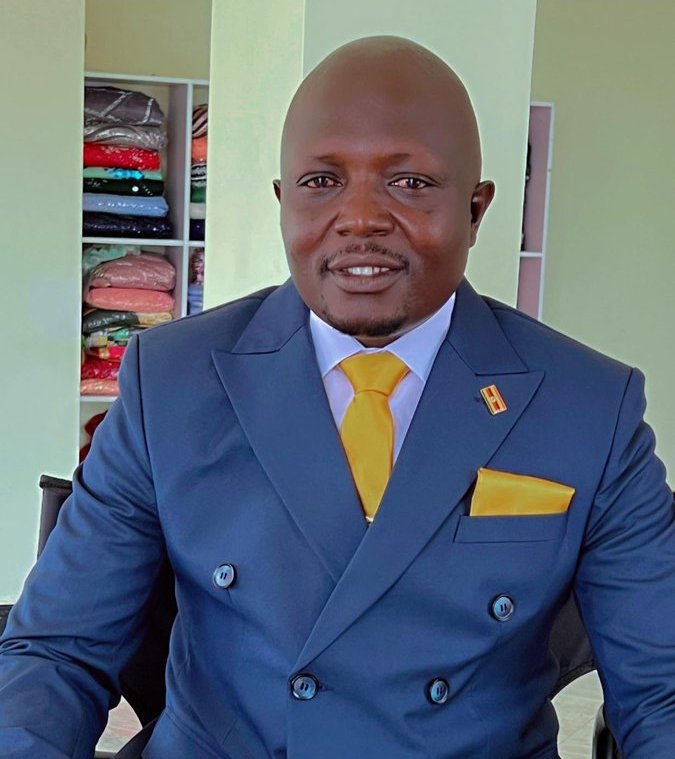
A LIFE OF HERITAGE & LEADERSHIP: Who Is Wasswa Sinini Moses, the inaugural cultural leader of the Bakenya Tribe?

0

In a historic moment for the Bakenye community, His Royal Highness Wasswa Sinini Moses emerged as the first formally recognized Cultural Leader, an achievement that has drawn national attention and admiration. But beyond the title lies a compelling story of heritage, resilience, leadership, and service.

Early Life and Cultural Roots

His Royal Highness Wasswa Sinini Moses was born on 11th January 1985 in Nanoko Village, Kibuku District, in Eastern Uganda. He was born a twin, an occurrence of deep cultural significance in many Ugandan traditions, often associated with blessing, distinction, and a unique life calling.

A proud son of the Bagulu Clan, he belongs to the Bakenye community, a people with rich cultural traditions rooted in fishing and water-based livelihoods. His life is deeply anchored in a lineage that reflects continuity, identity, and cultural pride.

He is the son of the late Yokana Musana, also known as Wunyi Mwavu, and Asio Jemima Loy, an Iteso by tribe. His paternal ancestry traces through generations of respected forefathers, including the late Mwavu Petero and the late Kitutwa Sitefano, while his maternal lineage connects him to both Iteso and Bakenye heritage.

This diverse background uniquely positions him as a unifying figure across cultural and ethnic lines.

Education and Leadership Formation

From an early age, Wasswa Sinini Moses demonstrated strong leadership qualities. He began his education at Nanoko Primary School, where he served as Head Boy before completing his Primary Leaving Examinations in 2001.

He later attended Alliance High School Kibuku and Alliance High School Soroti, where he served as Head Prefect, further cementing his leadership credentials.

His academic journey culminated at Kyambogo University, where he graduated in 2011 with a Bachelor’s degree in Water Resources Management. This field of study would later shape both his professional career and his contribution to community development.

Professional Journey and Entrepreneurship

After completing his studies, he navigated the challenges of employment with resilience, eventually venturing into business in 2013. He engaged in general produce trade across the Teso and Karamoja regions, earning recognition for his integrity and determination.

In 2018, together with his twin brother, Kato David, he co-founded Eastern Waterways (U) Ltd, a company focused on borehole drilling and improving access to clean water. As General Manager, he led the company for five years, overseeing impactful projects that benefited numerous communities.

In 2023, he founded Reliable Drillers, where he serves as Executive Director. Under his leadership, the company has created employment for over 50 Ugandans while continuing to provide vital water solutions.

In addition to his work in water resource management, he is actively involved in agriculture, particularly fish farming, contributing to food security and economic empowerment.

Commitment to Community and Culture

His Royal Highness has consistently demonstrated a deep commitment to community service, especially among Bakenye fishing communities. His initiatives have focused on improving livelihoods, promoting sustainability, and strengthening social cohesion.

His rise to cultural leadership is rooted in traditional legitimacy. Having served as the Bagulu Clan Head, he was eligible to contest for the highest cultural office within the Bakenye structure.

On 28th March 2026, at Serenity Gardens in Iganga, he was duly elected as the Cultural Leader of the Bakenye, marking a historic milestone for the community.

Faith and Family Life

Spiritually, Wasswa Sinini Moses was raised in an Anglican family and baptized at St. Luke Church of Uganda in Nanoko. In 2001, he experienced a personal transformation and became a born-again Christian, a faith he continues to practice actively.

He is a devoted family man, married to Asio Julian Betty of Ngora District. Together, they are blessed with ten children, reflecting a strong commitment to family values and responsibility.

A Leader for a New Era

Now entrusted with the mantle of cultural leadership, His Royal Highness Wasswa Sinini Moses stands as a symbol of unity, tradition, and progress.

His leadership represents a bridge between heritage and modernity, grounded in cultural authority while embracing development and innovation. For the Bakenye community, his election is not just a ceremonial achievement but a defining step toward identity, recognition, and collective advancement.

As the community looks ahead, he carries with him the hopes of a people ready to preserve their heritage while shaping their future.

A Beacon of Hope

From humble beginnings in Nanoko Village to the cultural throne, the journey of His Royal Highness Wasswa Sinini Moses is one of perseverance, vision, and service.

Today, he stands not only as a cultural leader but as a beacon of hope, pride, and unity for the Bakenye people.

GIVING CHILDREN A CHANCE: This rural school is quietly transforming education in Buyende

0

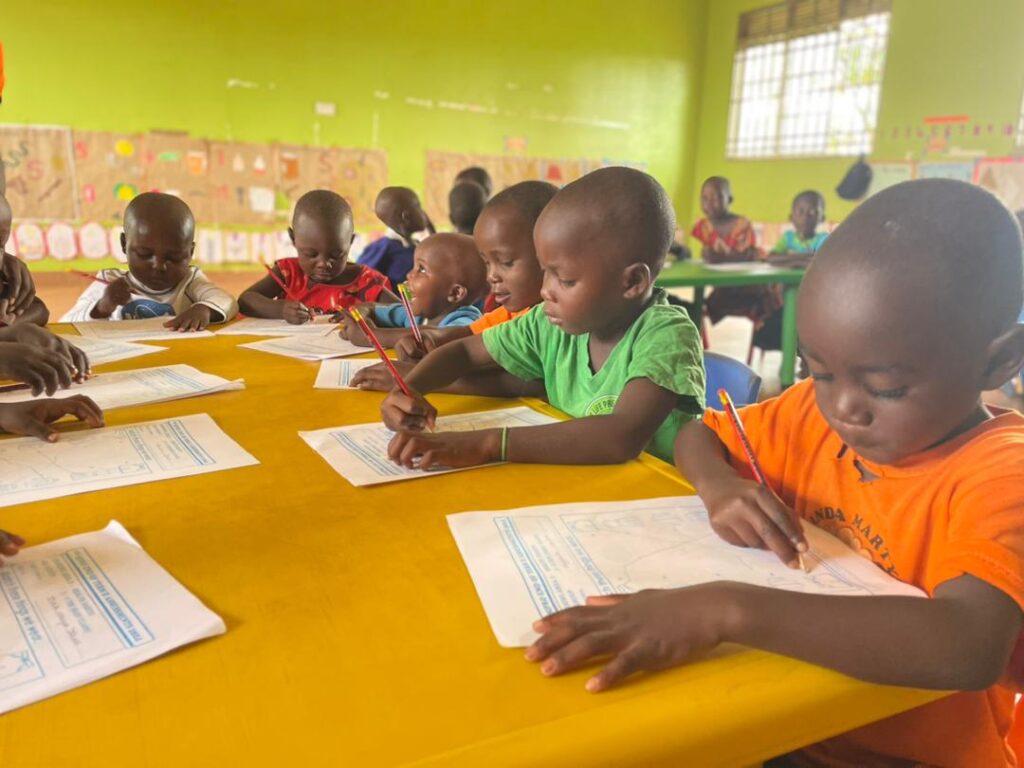
Deep in the rural community of Buwaidha, access to quality education was once a distant dream for many children. Today, that narrative is steadily changing, thanks to the growing impact of Newlife Academy School.

Led by Pr. Ronnie Zigwana, the overseer of the school and pastor at Newlife Church Buyende, the academy has become a beacon of hope for families who previously struggled to educate their children due to distance, poverty, and limited infrastructure.

A Lifeline for Rural Learners

Pr. Zigwana expressed gratitude for the financial support extended to the school, noting that it has significantly improved learners’ ability to attend classes consistently and access essential scholastic materials.

“Your contribution has made a meaningful difference in the lives of our learners. It has eased the burden on families and inspired a stronger commitment to education across the community,” he said in a message directed at the people of Buwaidha.

Many children in Buwaidha previously faced long journeys to distant districts such as Kampala, Jinja, Iganga, Kaliro, and Kamuli in search of better education. The establishment of Newlife Academy has now brought quality learning closer to home, saving families both time and financial strain.

Community at the Heart of the School

Beyond external support, the school thrives on strong community involvement. According to Pr. Zigwana, parents and local residents contribute through school fees, food supplies, and voluntary services.

“Some skilled individuals offer their talents by teaching and dedicating their time to support the children,” he explained.

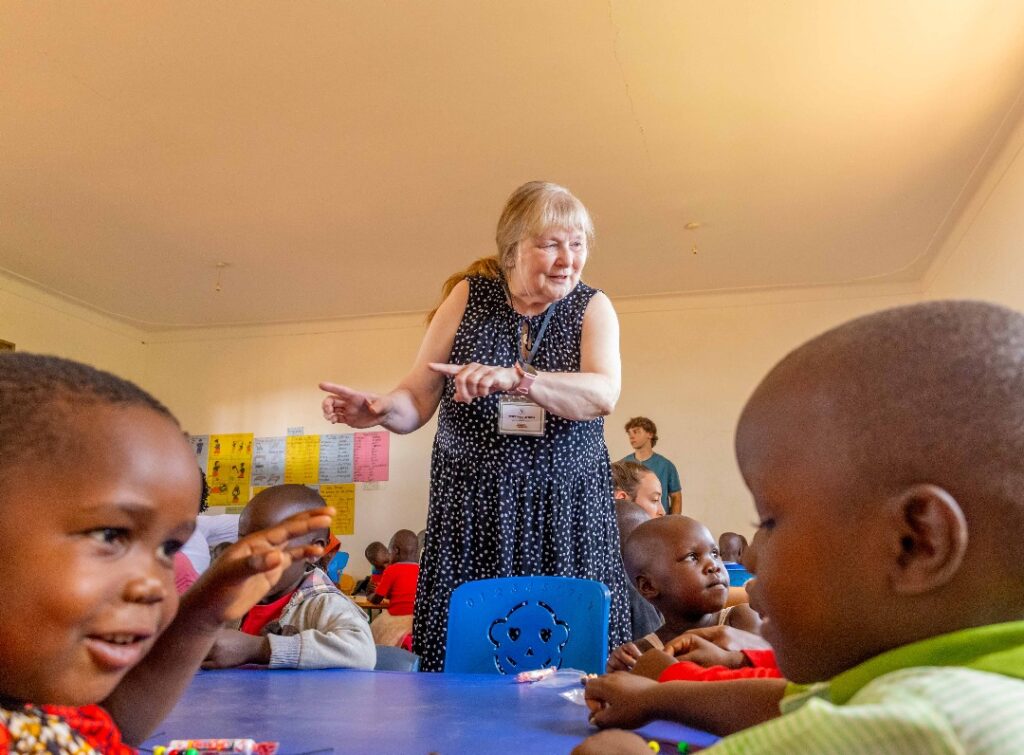
A team from Radford Baptist Church from Virginia, USA, visited Newlife Academy School in Buwaidha last year to conduct a health camp

This sense of shared responsibility has strengthened the bond between the school and the wider community, fostering an environment where education is valued as a collective investment.

Royal Boost to Education Development

The school’s growth received a significant boost in January 2023 when the William Wilberforce Nadiope Gabula IV, the Kyabazinga of Busoga, officially launched the kindergarten section at New Life Schools.

During the launch, the cultural leader urged local authorities and stakeholders in Buyende to support the institution’s mission of improving academic performance in the district.

Rising Enrollment and Renewed Hope

According to Eng. Gerald Isabirye, a director at the academy, the school has already made notable strides in addressing low school attendance in the area.

“Initially, we faced the challenge of low attendance, but now children from Buwaidha and neighboring villages are actively coming to school,” he said.

The steady increase in enrollment reflects a growing trust in the institution and a renewed enthusiasm for education among families.

Building a Brighter Future

As Newlife Academy continues to expand, its impact extends beyond the classroom. It is nurturing ambition, restoring hope, and equipping young learners with the tools they need to build better futures.

For the people of Buwaidha and the wider Buyende District, the school stands as a powerful example of what can be achieved through community collaboration, visionary leadership, and sustained support.

With continued investment and commitment, Newlife Academy is not just educating children, it is transforming a generation.

HONEST WEALTH CREATION: Bishop of Busoga Diocese, Prof. Grace Lubaale, calls for integrity and hard work to combat corruption

0

The Bishop of Busoga Diocese, Prof. Grace Lubaale, has called on Ugandans to rediscover the values of honest wealth creation, integrity, and hard work as a way of combating corruption and unethical conduct in society.

Speaking during a pastoral visit to the home of Col Allan and Harriet Kitanda in Butansi, Kamuli District, Bishop Lubaale expressed concern over the growing trend of glorifying individuals who acquire wealth through corrupt means.

“Nowadays, people praise those who are corrupt as being sharp and intelligent, forgetting that ill-gotten wealth is short-lived and often brings suffering to families,” Bishop Lubaale said.

The visit recognized the contributions of Col Kitanda, Vice Chairperson of Wazalendo Army SACCO, and Ms Harriet Kitanda, Secretary of the Rotary Club of Manyangwa Nakwero.

The Bishop warned that corruption erodes personal values and distances individuals from God, urging the public to remain steadfast in doing good rather than chasing quick and unethical gains.

“Let us not get tired of doing good and reaping honestly, instead of pursuing ill-gotten wealth and temporary status,” he cautioned.

Addressing the broader moral decline in society, Bishop Lubaale called for a comprehensive review of leadership systems, alongside moral and spiritual rehabilitation, to improve service delivery and responsible resource management.

He noted that corruption is not limited to high-profile scandals but also exists in everyday behavior.

“A parent who neglects their family, or a civil servant who fails to fulfill their duties but still earns a full salary, is as corrupt as a politician who diverts public funds,” he emphasized.

The Bishop further advocated for leadership systems that promote accountability, integrity, and inspirational service.

“We need leadership that builds legacies, restores ethics, and serves communities with honor,” he added.

He commended Col Kitanda for his humility, generosity, and commitment to community service and faith.

“He gives thanks to God, shares with the vulnerable, and remains connected to his roots. Such values attract blessings, recognition, and trust,” Bishop Lubaale noted.

On behalf of the family, Ms Harriet Kitanda called on the Church and other institutions to take an active role in addressing climate change, strengthening parenting, and promoting the productive use of time.

She also encouraged couples to support one another, reduce domestic violence, and prioritize quality time for raising children.

“We have supported each other to grow and serve with compassion. It is through such values that we believe God blesses us, even through challenges,” she said.

Kamuli District Chief Finance Officer, Alex Kifuse, praised Ms Kitanda for her humility and dedication to family and community, noting that her support has enabled Col Kitanda to care for vulnerable children and contribute meaningfully to society.

“Their family’s commitment to giving back to God and the community is truly inspiring,” Kifuse said.