Thursday, May 21, 2026
Home Blog Page 4

ENVIRONMENTAL ADVOCACY: Esuga Elderly Support Uganda joins Rotary in drive to protect Lake Victoria

0

By Zaidhi Mugabi

Esuga Elderly Support Uganda has partnered with the Rotary Club of Jinja in a major environmental conservation initiative aimed at protecting the endangered Lake Victoria basin. 

The initiative, themed “Protect Lake Victoria,” was highlighted during the Run for the Nile 2026, a national community event organized by the Rotary Club of Jinja and held in Jinja City.

Speaking at the event, the Deputy Executive Director of Esuga Elderly Support Uganda, Abubakari Shemaran Mayanja, said their participation reflects the organization’s continued commitment to community engagement, social responsibility, and environmental advocacy.

“By joining this national initiative, Esuga demonstrates its commitment to causes that extend beyond elderly support, actively contributing to efforts that safeguard Uganda’s natural heritage for future generations,” Mayanja noted.

The chief organizer of Run for the Nile 2026, Rotarian Ntembe Yasin, emphasized the urgency of protecting Lake Victoria, East Africa’s largest freshwater lake, in the face of growing environmental threats.

“We are increasingly experiencing environmental challenges such as global warming and climate change. We believe Lake Victoria is endangered, and it is time for us to act collectively to protect it,” Yasin said.

The event attracted a diverse group of participants, including community members, organizations, and development partners from across Uganda. All participants were united by a shared commitment to environmental conservation and the urgent need to safeguard Lake Victoria, a vital resource that supports livelihoods, biodiversity, and the regional ecosystem.

The initiative was coordinated under the broader network of the Rotary Club of Uganda, providing a strong platform for advocacy, collaboration, and public awareness.

Esuga Elderly Support Uganda reaffirmed its commitment to promoting environmental protection, unity, and sustainable community development across Uganda.

Nile Luxe Hotel rolls out affordable Easter Weekend packages with dining and adventure experiences

0

Holidaymakers planning their Easter getaway have a reason to look forward to the season as Nile Luxe Hotel unveils a comprehensive lineup of festive offers combining luxury accommodation, curated dining, and exciting outdoor adventures.

Located in the heart of Jinja, the hotel is inviting guests to “Enlighten Your Easter Holidays” with a carefully designed program running throughout the Easter weekend.

Easter Dining Experiences

The hotel has also introduced a variety of affordable dining packages to suit different tastes throughout the Easter holiday. Guests can indulge in a “Taste of Uganda” experience on Good Friday (April 3) at UGX 40,000 per person, followed by a Barbecue Special Platter on Saturday (April 4) at the same price.

On Easter Sunday (April 5), visitors are treated to a Special Easter Lunch Buffet at UGX 45,000 per person, while the celebrations wind down on Easter Monday (April 6) with a Brunch Platter at UGX 40,000 per person, served from 11:00am to 4:00pm, offering a perfect blend of flavor and festivity.

The culinary experiences are designed to showcase both local and international flavors, giving guests a memorable festive dining experience.

Accommodation Rates

To complement the Easter program, Nile Luxe Hotel is offering competitive room rates tailored to suit individuals, couples, and families seeking comfort and value during the holiday.

The packages include a Standard Room (Single) at UGX 120,000, a Standard Room (Double – up to 2 pax) at UGX 150,000, and a Deluxe Room (2 pax) at UGX 200,000. Guests looking for more space can opt for a Deluxe Twin Room at UGX 250,000, while families are catered for with a Family Room (Triplet) at UGX 300,000 and a Family Room (Double) at UGX 280,000, ensuring a variety of options to meet different accommodation needs.

The hotel emphasizes comfort, elegance, and personalized service, ensuring guests enjoy a relaxing stay during the holiday period.

Adventure and Exploration in Jinja

Beyond the hotel experience, visitors can explore some of Uganda’s most iconic attractions including the Source of the Nile and Bujagali Falls. Thrill-seekers can also engage in activities such as rafting, kayaking, tubing, quad biking, zip-lining, and nature walks.

According to the hotel management, the Easter packages are tailored to provide a complete holiday experience blending relaxation, gastronomy, and adventure.

“With these offers, we are giving our guests not just a stay, but a full Easter experience that captures the beauty and excitement of Jinja,” management noted.

With demand expected to surge, guests are encouraged to book early to secure their preferred packages.

INVESTING HOME FIRST: National Resistance Movement secretary general Richard Todwong rallies Ugandans in South Africa to return and invest in Uganda  

0

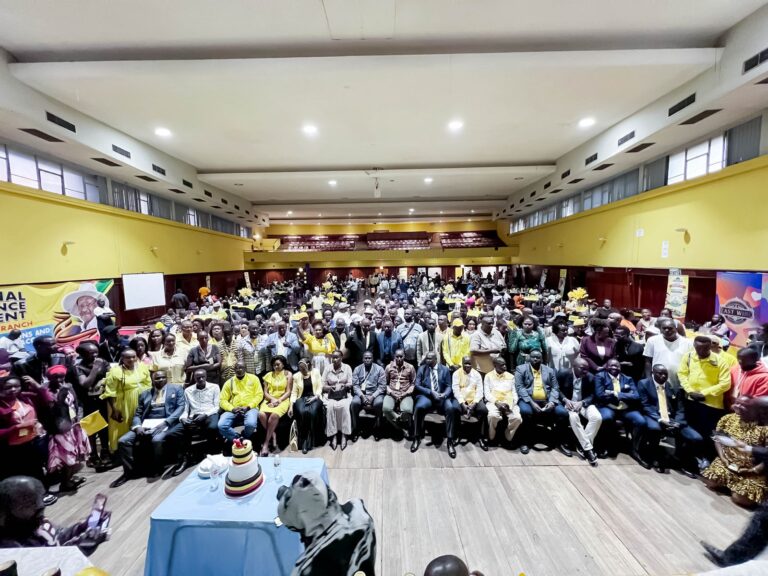
The Secretary General of the National Resistance Movement (NRM), Richard Todwong, has urged Ugandans living abroad to take advantage of investment opportunities back home, emphasizing that Uganda’s peace and security provide a strong foundation for profitable ventures.

Todwong made the remarks over the weekend while representing President Yoweri Kaguta Museveni at NRM South Africa victory celebrations and the launch of the Uganda Diaspora SACCO in Cape Town.

“I advise you to take the many opportunities at home and invest back home. The peace and security we have in Uganda can make you invest in Uganda and make good returns,” Todwong told the media on his return.

He underscored that the government is now focusing on household-level economic transformation, with deliberate efforts to move subsistence farmers into the money economy and support vulnerable groups to become productive.

“The NRM Government is now focusing on household improvements. We want all subsistence farmers to join the money economy and all the vulnerable groups to be supported to become productive,” he said.

Todwong encouraged diaspora Ugandans to organize themselves into Savings and Credit Cooperative Organizations (SACCOs), noting that such structures would enable them to benefit from government support.

“I invite those in the diaspora to take that advantage. They should form SACCOs through which government can put its contributions,” he added.

He also cautioned against unproductive engagements, urging Ugandans abroad to focus on initiatives that directly contribute to development, while stressing that Uganda’s governance framework is inclusive.

“You don’t need to be a member of NRM to succeed in Uganda. Our governance processes and policies are open to all Ugandans,” he said.

The event also featured the Deputy Head of the State House Diaspora Unit, Henry Wabyona, who represented the unit and highlighted the growing importance of Ugandans abroad in national development.

Wabyona congratulated the NRM on what he described as a resounding electoral victory, attributing it to sustained public confidence in the party’s leadership and vision. He also commended the NRM Chapter in South Africa for mobilising support and maintaining patriotism among Ugandans abroad.

He noted that the diaspora remains one of Uganda’s most valuable national assets, contributing significantly through remittances, investments, and knowledge transfer.

“Through remittances, investment, knowledge transfer and international networks, you continue to make a significant contribution to our economy and communities back home,” Wabyona said.

According to him, Ugandans abroad remit approximately $1.6 billion annually, supporting families, businesses, and national development.

Wabyona also welcomed the launch of the Uganda Diaspora SACCO, describing it as a critical platform for mobilising savings and promoting collective investment among Ugandans living abroad.

The event was attended by several senior officials, including Uganda’s Ambassador to South Africa, Paul Amoru, and other government and party representatives, such as Eng Jonard Asiimwe, the NRM Vice Chairperson for Western Region, underscoring the growing focus on engaging the diaspora as a key pillar in Uganda’s socio-economic transformation agenda.

BAKENYE MAKE HISTORY: How WhatsApp conversations united the Bakenye and got them a cultural leader

0

By Wabwire Andrew

For decades, the Bakenye, an indigenous fishing community in eastern Uganda, lacked a centralized cultural institution or formally recognized leadership. That changed on Saturday, March 28, 2026, when the Bakenye community elected His Royal Highness Waiswa Moses Sinini of Nanoko, Kibuku District, as their first cultural leader—a milestone three years in the making.

A Community Without a Voice

The Bakenye have long preserved their identity through clan structures, communal living, and a deep connection to lakes and wetlands. Yet, unlike many other Ugandan communities, they lacked a unified voice at the national level, leaving members without clear representation or formal recognition.

“It was frustrating explaining who we are without pointing to central leadership,” said one participant, reflecting the long-standing challenge the community faced.

Digital Beginnings

The transformation began in early 2023 with modest online discussions. On May 11, 2023, the Bakenye launched the Bakenye Community Link (BCL), a digital platform that quickly attracted over 500 members. Intense debates—sometimes serious, sometimes humorous—gradually shifted toward the idea of creating structured leadership.

By October 28, 2023, the first major physical gathering took place in Kampala, leading to the election of a National Committee tasked with overseeing the formation of the cultural institution. By February 2024, the committee had been formally sworn in.

Building Institutions

Over the next year, the committee undertook nationwide consultations, engaged government institutions, and drafted governance documents. By the end of 2024, the Bakenye had developed key cultural symbols, including a constitution, anthem, flag, and emblem.

Observers began to notice the growing national visibility of the Bakenye leadership. “These people are no longer just mobilizing—they are building something real,” remarked one attendee.

Clans at the Centre

A major milestone came in December 2024 when clan heads and representatives were formally integrated into the process. Recognizing that legitimate cultural leadership must be grounded in clan structures, clans began electing leaders and contributing to the constitutional framework.

The Defining Moment

By 2025, the Bakenye Constitution was adopted, governance structures solidified, and initiatives like fisheries sub-committees, SACCOs, and national engagements were launched.

Finally, on March 28, 2026, delegates gathered at Serenity Gardens, Iganga, to ratify clan heads, form a General Assembly as an Electoral College, and elect a cultural leader.

Following deliberations and voting, Waiswa Moses Sinini was declared the Cultural Leader of the Bakenye, a moment marked by applause, ululations, and visible relief.

More Than an Election

For the community, the election represented far more than a ceremonial milestone. “It is a victory of unity and persistence,” said an elder. “We have moved from scattered voices to one recognized identity.”

Looking Ahead

With a cultural leader now in place, the Bakenye are poised to strengthen institutions and implement the structures developed over the past three years.

From informal WhatsApp discussions in 2023 to a formal cultural institution in 2026, the Bakenye story underscores the power of vision, organization, and collective determination.

“When people come together with purpose, even long-delayed dreams can become reality,” one leader reflected.

PAY AS YOU EARN: Finance minister Henry Musasizi denies PAYE hike, raises tax threshold to ease burden on low earners

0

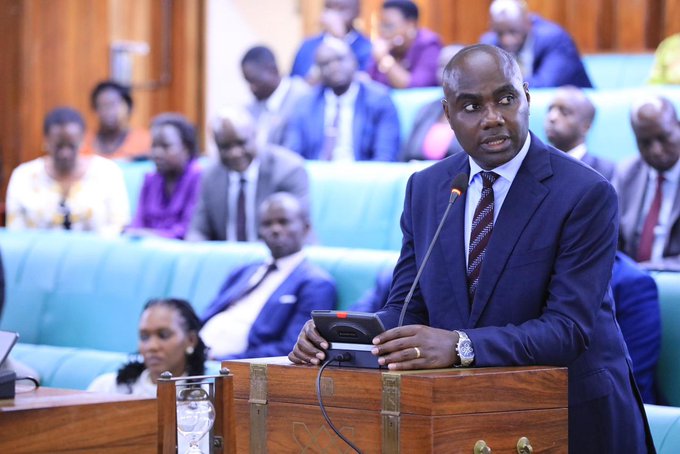
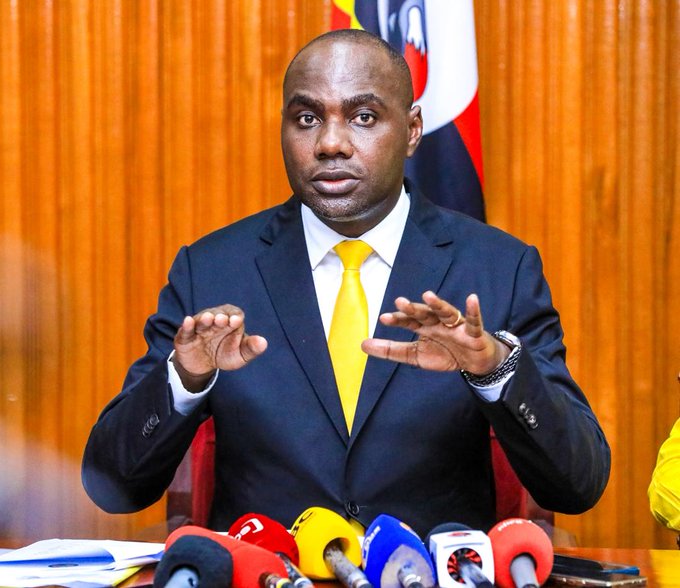
Minister of State for Finance, Henry Musasizi, has dismissed media reports claiming that the Pay As You Earn (PAYE) tax rate was set to increase from 15% to 40%, describing such claims as false. Instead, he confirmed that the government is proposing an adjustment to the PAYE threshold, which will benefit low-income earners.

Musasizi explained that the current PAYE threshold of UGX235,000 will be raised to UGX335,000, meaning individuals earning below UGX335,000 will no longer pay PAYE.

“The thresholds have been, the lowest category has been UGX235,000. Now we are proposing to start from UGX335,000. In other words, we have exempted all those people who earn below UGX335,000. They will now be exempted. The lowest individual category paying tax will begin from UGX335,000 and above,” Musasizi said during a briefing at Parliament.

He further clarified that individuals earning more than UGX120 million per year (or UGX10 million per month) will continue to be taxed at the top rate of 40%, while those earning below UGX10 million per month will continue to pay normal rates.

“Instead of increasing tax, we are favoring those who earn little. For instance, someone earning UGX300,000 who was previously paying PAYE will now be exempt,” he said.

The Minister noted that this proposal will cost the government UGX96 billion, emphasizing that the move is designed to support low-income earners.

“This is mainly to favor those earning little. Those above UGX10 million will continue paying 40%—which is what I pay as a member of Parliament because my salary is above UGX10 million,” Musasizi added.

The adjustment is part of the government’s broader fiscal measures for the 2026/27 financial year, aiming to ease the tax burden on lower-income earners while maintaining revenue from higher earners.

TOTAL RESOURCE ENVELOPE: National Resistance Movement MPs support budget priorities, phased salary enhancements for teachers announced

0

The National Resistance Movement (NRM) Parliamentary Caucus has endorsed the Government’s 2026/27 budget priorities, which include a UGX200 per litre fuel price increase, enhanced salaries for arts and primary school teachers, and funding for major infrastructure and development projects.

Minister of State for Finance, Henry Musasizi, revealed that the Uganda Revenue Authority (URA) is expected to collect UGX44.5 billion in taxes to fund the UGX84.209 trillion budget for the upcoming financial year. The total resource envelope represents an increase of UGX11.6 trillion from FY 2025/26, which stood at UGX72.76 trillion.

“The draft budget estimates, which we shall present to Parliament next Wednesday, contain a total resource envelope of UGX84.209 trillion, out of which UGX44.5 billion is expected from tax revenue,” Musasizi said, warning that Ugandans should expect higher fuel prices as part of the fiscal measures.

At a press briefing following the NRM Caucus meeting, Hamson Obua, Government Chief Whip, said the caucus discussed budget priorities covering peace and security, roads, electricity, railway projects, AFCON 2027 preparations, scientific innovation, restocking of Teso, Lango, and Acholi regions, as well as salary enhancement for primary school teachers, secondary school arts teachers, and security personnel.

On teacher salary enhancements, Musasizi confirmed that the increase will be implemented in a phased manner, costing taxpayers UGX2.5 trillion over four years. “This financial year we have provided 25%. We will continue 25% each year until salaries are harmonized with other science teachers. For primary school teachers, we have already provided UGX550 billion of the total UGX2.5 trillion,” he said.

The Minister further revealed that other public servants, including Chief Administrative Officers, UPDF officers, and assistant commissioners, will also benefit from salary enhancements. “Chief Administrative Officers in districts are now earning UGX12 million, up from UGX1.8 million previously. We will continue enhancing salaries in phases until all levels are aligned,” Musasizi added.

The 2026/27 budget aims to balance resource mobilization with strategic investments in infrastructure, security, education, and social services, signaling a year of significant public sector reforms and economic adjustments.

GOVERNMENT CHIEF WHIP: Here is why the National Resistance Movement is backing the National Sovereignty Bill 

0

The National Resistance Movement (NRM) Parliamentary Caucus has formally endorsed the Government’s proposal to table the National Sovereignty Bill 2026, aimed at regulating foreign financial inflows to Uganda and safeguarding the country’s sovereignty.

The announcement was made by Hamson Obua, Government Chief Whip, during a press briefing at Parliament following the NRM Caucus meeting held at State House Entebbe.

Obua explained that the bill seeks to operationalize Article 1, Sub-article 1 of the Constitution of the Republic of Uganda, which vests all sovereign power in the people. He said the legislation complements existing laws while ensuring that foreign funds entering the country serve legitimate purposes and do not undermine national sovereignty.

“The proposed bill reinforces standard practice. We were colonized by the British, and the UK had similar legislation. We are not reinventing the wheel. This bill regulates foreign financial inflows so they are for legitimate reasons and not harmful ones,” Obua said.

He added, “We want sovereignty 100% and to secure it through this law. These are four good reasons why Government, through Cabinet, has approved this bill.”

Responding to questions on why the NRM Parliamentary Caucus supported the legislation, Obua emphasized, “It is for your sovereignty, my sovereignty, and the sovereignty of the people of Uganda, as envisaged under Article 1, Sub-article 1 of the Constitution. Nothing less, nothing more.”

The National Sovereignty Bill 2026 is expected to be tabled in Parliament in the coming session, setting the stage for debates on the regulation of foreign financial inflows and the protection of Uganda’s economic and political independence.

EDUCATION FOR THE REAL WORLD: Cornerstone University positions itself as ‘transformational’ institution to tackle skills crisis

0

At a time when concerns are mounting over the quality and relevance of university education in Uganda, Cornerstone University Uganda has set out an ambitious plan to redefine higher learning through a model focused on skills, mentorship, and purpose-driven education.

In a press statement delivered on Monday at the university’s campus in Kampala, the Vice Chancellor, Dr Richmond Wandera, said the institution was founded in response to deep-rooted gaps in the country’s education system.

A System Under Pressure

Dr Wandera pointed to a growing disconnect between academic qualifications and workplace readiness, noting that many graduates leave university without the ability to apply what they have learned.

“Across our country, many university graduates are leaving institutions without two critical things: real-world skills and clear career direction,” he said. “They have information but not always the competence to apply it. They have qualifications but not always the guidance to translate them into meaningful impact.”

This, he added, has contributed to a wider crisis in higher education, where students struggle to find direction even after completing their studies.

Rising Dropout Rates

The Vice Chancellor also highlighted the challenge of student retention, citing data indicating that university dropout rates in Uganda range between 15 and 30 percent, and in some cases even higher.

“Students are entering the system but many are not completing it,” he said, raising concern about the long-term impact on the country’s human capital development.

According to Wandera, these realities prompted a fundamental question: what kind of university does Uganda need today?

From Information to Transformation

Cornerstone University’s answer, he explained, is to shift from an “informational” model of education to a “transformational” one.

“As I have said before, we are not building an informational university—we are building a transformational one,” Wandera stated.

The university’s approach is anchored in competence-based learning, ensuring that students acquire practical, job-ready skills, alongside intentional mentorship designed to provide clarity, discipline, and purpose.

Through what the institution calls “The Cornerstone Way,” students are guided beyond academic instruction to develop personally and professionally.

“Education must not only prepare people for exams, it must prepare them for life,” he emphasized.

Expanding Academic Frontiers

Currently, the university offers programmes in Theology, Christian Ministry, Applied Business Administration, Social Work, and Information and Communication Technology. However, it has announced plans to significantly expand its academic portfolio in August 2026.

New programmes will include Law, Education, Computer Science, Cyber Security, Accounting and Finance, Digital Marketing, Journalism, Film and Television Production, and Digital Media with Artificial Intelligence—fields that reflect both current market needs and future industry trends.

Financial Accessibility

Recognising the economic challenges faced by many Ugandan families, the university has introduced a 25 percent tuition discount for all incoming students. The move is aimed at improving access to higher education while also ensuring that students are able to complete their studies.

“This is part of our commitment to ensure that students are not only able to start but are supported to continue and complete,” Wandera said.

Producing ‘Solutionists’

At the heart of Cornerstone University’s philosophy is the goal of producing what it terms “solutionists”—graduates equipped to solve real-world problems and contribute meaningfully to society.

The institution traces its roots to over 15 years of mentorship and leadership development through the Pastors Discipleship Network, which Wandera described as the foundation upon which the university has been built.

A New Vision for Higher Education

As Uganda’s higher education sector continues to expand, questions around quality, relevance, and student outcomes remain central. Cornerstone University’s model signals a deliberate attempt to address these concerns by aligning education more closely with real-world demands.

“Our commitment is to build a university that is not just different in name, but different in experience, in approach, and in outcome,” Wandera said. “A university that does not simply graduate students but forms them into people the world is urgently looking for.”

With its focus on transformation rather than information, the university is positioning itself as part of a new wave of institutions seeking to reshape the future of education in Uganda and beyond.

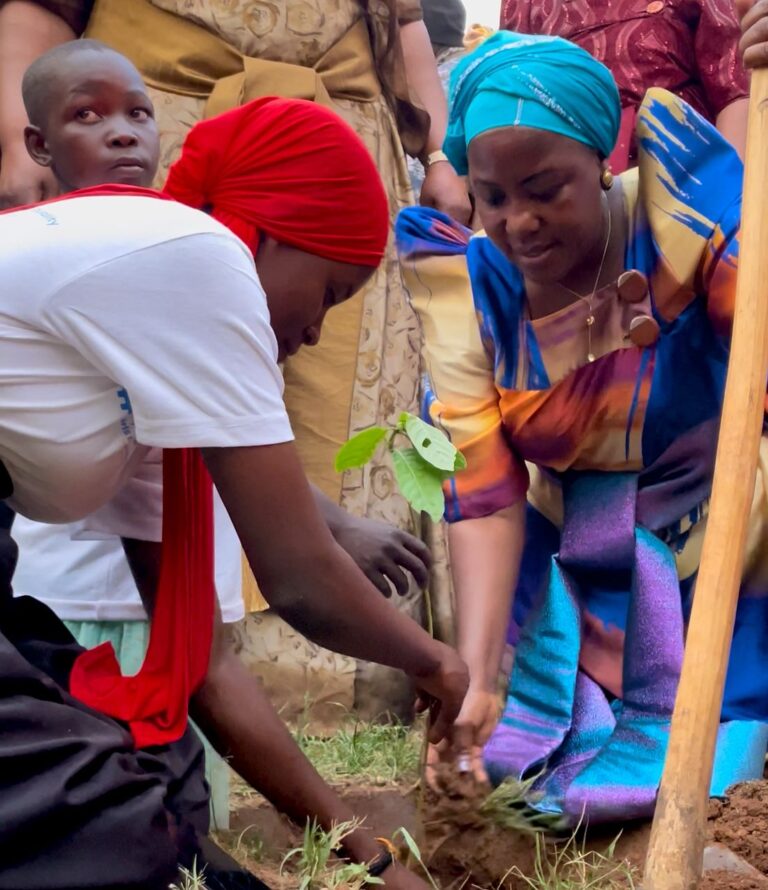
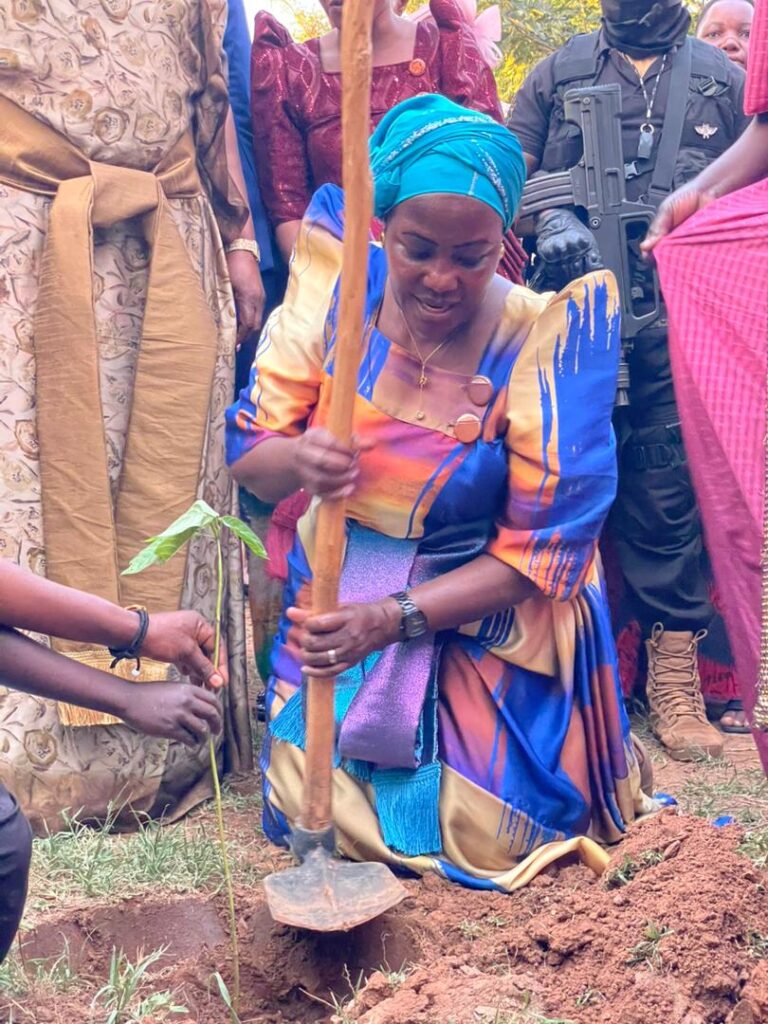
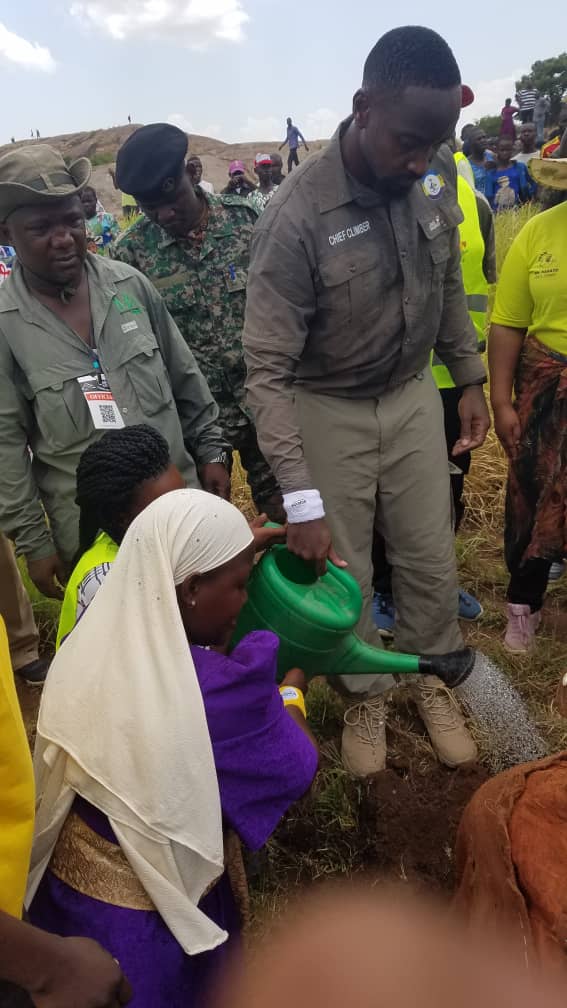
CONSERVING THE ENVIRONMENT: Buyende Woman MP-elect Sarah Namulondo pledges to expand tree planting drive

0

By Zaidhi Mugabi and Ali Lukomo

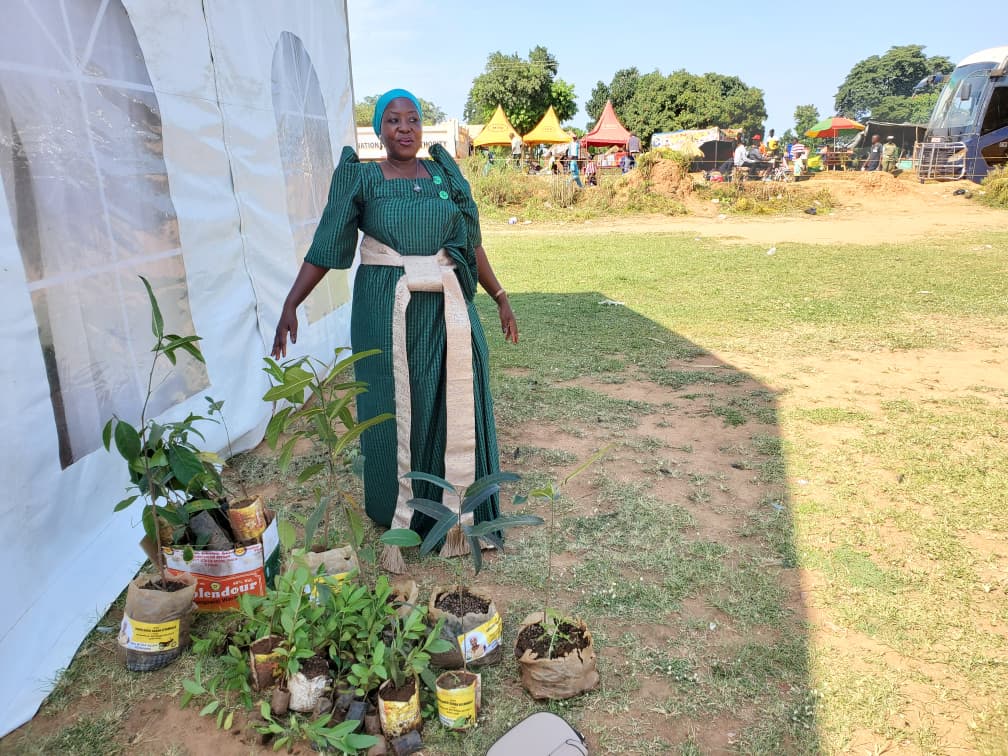
Woman Member of Parliament-elect Namulondo Sarah has pledged to sustain and expand her environmental conservation initiative throughout her term as the Woman MP for Buyende District.

Namulondo, who is set to be sworn in on May 15, said promoting environmental conservation, particularly tree planting, will remain a top priority. “Making our country green, and Buyende in particular, is my top priority,” she said.

She explained that the initiative began in 2021–2022, with efforts focused on planting trees and distributing seedlings to schools, hospitals, sub-county and district headquarters. The program later expanded to reach individuals, community leaders, and wider local communities.

“Since then, we have come a long way. This has become our niche as Team Sarah. We focus on vegetable farming and tree planting, with the goal of making Buyende a greener district,” she noted.

Namulondo highlighted a key milestone in the campaign, recalling a tree-planting event held together with the Kyabazinga of Busoga at Kagulu Rock, which symbolised growing support for the initiative.

Her conservation efforts come at a time when the effects of climate change are becoming increasingly evident across the district. Residents are experiencing prolonged dry spells, delayed and shorter rainy seasons, and significant loss of vegetation.

At Kakooge Landing Site, community members reported that the last rainfall was received in December last year. Since then, the area has experienced cold conditions accompanied by strong winds.

According to the area chairperson, Muzamiri Mugabi, widespread destruction of tree cover due to settlement and farming has worsened the situation. “Most of the trees have been cut down, which has affected rainfall formation,” he said.

Buyende District Chairperson Kanaku Michael emphasized the need for sustainable environmental practices.

TRADE ORDER IMPLEMENTATION: Innocent Ugandans doing business are now paying the cost of failing to enforce existing laws by authorities

0

By Baluye Michael Waiswa

When laws exist but are not consistently enforced, society gradually develops what can best be described as a “false normal.” In such a situation, people begin to shape their behavior not according to what the law prescribes, but according to what is practically tolerated. Over time, this disconnect, between written law and lived reality, produces serious consequences for governance, public trust, and social order.

1. Normalization of Non-Compliance

When rules are rarely or selectively enforced, citizens begin to perceive them as optional rather than binding. What was once clearly illegal slowly becomes socially acceptable – not because the law has changed, but because there are no visible consequences for breaking it.

This normalization is dangerous because it weakens the moral authority of the law. Individuals and businesses alike begin to operate outside legal frameworks, often justifying their actions by pointing to widespread non-compliance.

2. Erosion of Trust in Institutions

Inconsistent enforcement undermines confidence in public institutions. Citizens may start to believe that authorities are either incapable of enforcing the law, deliberately selective, or even corrupt.

Over time, this perception erodes respect not only for a specific regulation but for the entire legal system. When people lose faith in institutions, compliance becomes voluntary rather than obligatory, and governance itself is weakened.

3. Unequal Application of the Law

Non-enforcement is rarely uniform. Some individuals or groups may still face penalties, while others continue to operate without consequence. This creates a perception of injustice, favoritism, or discrimination.

Such inequality fuels resentment and deepens social divisions, as people begin to question whether laws are applied fairly or manipulated to serve particular interests.

4. The Shock of Sudden Enforcement

When authorities eventually decide to enforce the law strictly, the shift often feels abrupt and disruptive. To the public, it may appear as though something previously “allowed” is suddenly being criminalized.

This “enforcement shock” can trigger confusion, economic disruption, and resistance—especially for those whose livelihoods have been built around long-standing non-compliance.

5. Backlash Against Authorities

The result of sudden enforcement is often public backlash. Communities may accuse enforcement agencies of harassment or mistreatment, even when those agencies are simply applying existing laws.

This reaction is rooted in expectation. Years of inaction create an informal understanding that the law will not be enforced. When that expectation is broken, enforcement is perceived not as justice, but as a crackdown.

Why the Backlash Happens

The issue is not just about the law itself, it is about expectations. When enforcement is inconsistent, people build habits, systems, and even entire livelihoods around that inconsistency.

As a result, when enforcement begins, it disrupts established ways of life. What authorities see as restoring order, communities may experience as sudden and unjust interference.

The Deeper Problem: Inconsistency

At its core, the real challenge is not enforcement, but inconsistent enforcement.

Effective legal systems are built on three key pillars:

•        Predictability – People should know what to expect and plan accordingly.

•        Fairness – Laws must apply equally to all.

•        Consistency – Rules must be enforced steadily over time.

Without these elements, even legitimate enforcement efforts can appear oppressive or politically motivated.

A Balanced Path Forward

Authorities have a clear responsibility to enforce laws, but this must be done in a way that maintains public trust and minimizes unnecessary disruption. This includes:

•        Clearly communicating enforcement intentions in advance

•        Applying laws consistently and transparently

•        Allowing reasonable adjustment periods when shifting enforcement practices

At the same time, communities also bear responsibility. Citizens and businesses must strive to comply with existing laws, even in environments where enforcement appears weak.

Conclusion

Inconsistent enforcement creates a dangerous gap between “law on paper” and “law in practice.” When that gap suddenly closes, conflict becomes almost inevitable.

Sustainable order, therefore, lies not just in making laws but in enforcing them consistently, fairly, and predictably.

Mr. Baluye Michael Waiswa is the ONC Coordinator, Buyende District