
Wednesday, March 18, 2026
Home Blog Page 24

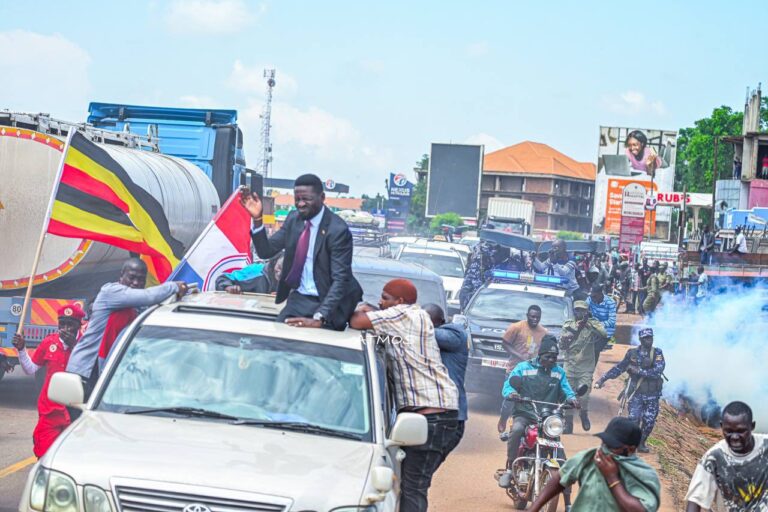
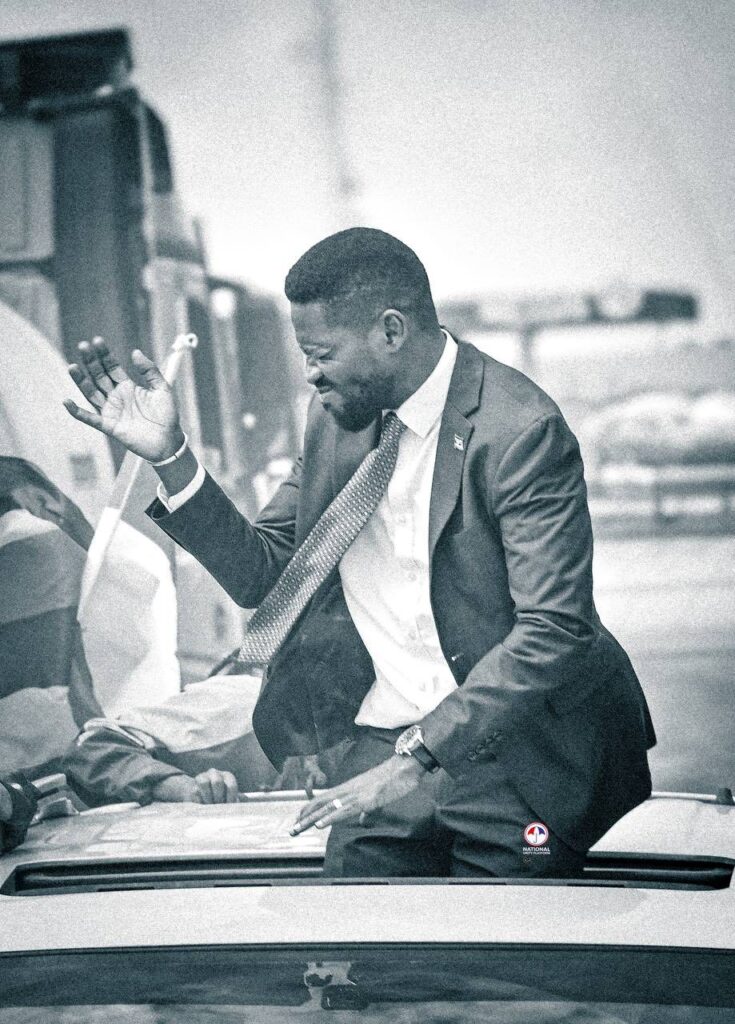
RESILIENCE AND COMMITMENT: A little bit of teargas as Bobi Wine unveils National Unity Platform’s eastern region headquarters in Iganga

0

The National Unity Platform (NUP) today officially unveiled its new Eastern Region Headquarters in Iganga District, a strategic move the party says was achieved through a year of meticulous and secretive construction to circumvent anticipated interference from the current government.

Party President Robert Kyagulanyi Ssentamu, popularly known as Bobi Wine, led senior party officials and Members of Parliament at the groundbreaking ceremony in the heart of Iganga Town, Busoga Sub-region. The party hailed the milestone as a testament to their resilience and commitment to establishing a lasting presence across Uganda.
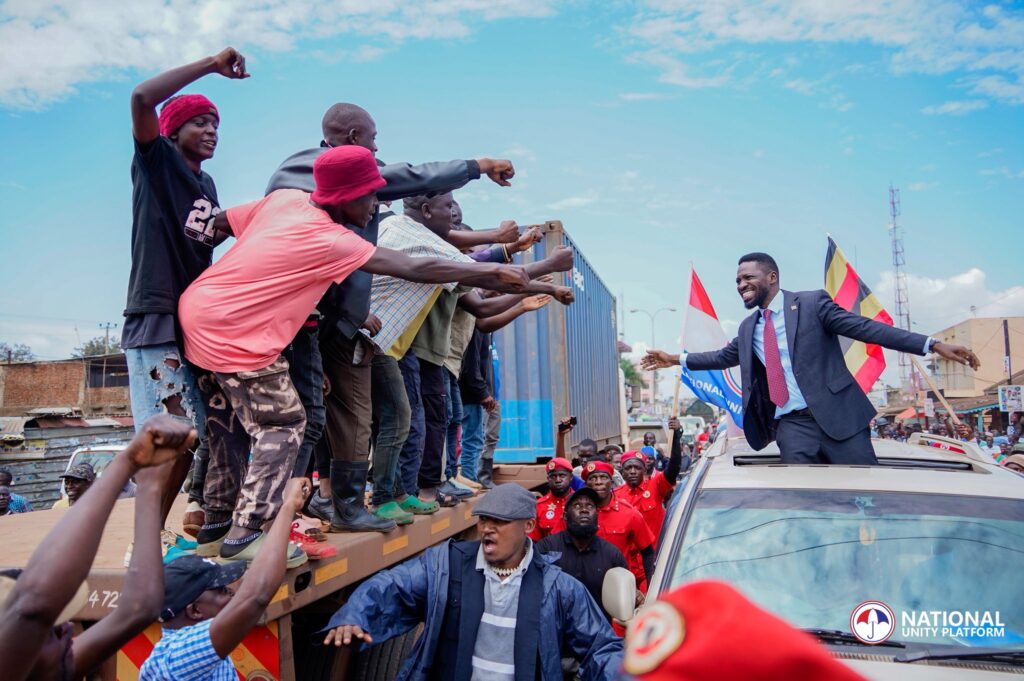
Speaking at the event, Bobi Wine expressed immense satisfaction, revealing the clandestine nature of the project. “We purchased this land over a year ago, and started constructing our Headquarters,” he stated. “I am thankful that up until this morning, nobody except those who needed to know, got to know that it was us building in that place.”

He further detailed how the secrecy was a deliberate tactic to avoid obstruction. “No wonder, the police showed up asking why we chose to surprise them with a visit,” Bobi Wine recounted. “Well, because if they had known, they would have done everything possible to frustrate us. I am very grateful to our leaders and officials who worked tirelessly towards this day.”
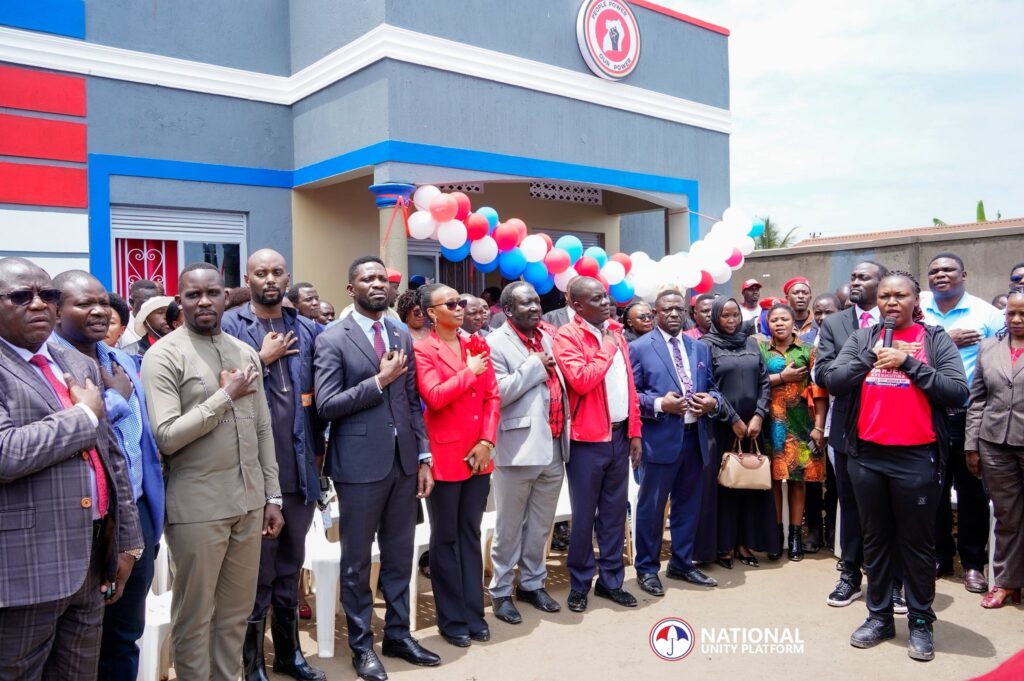
The NUP leadership emphasized that the new regional hub would serve as a crucial base for coordinating their activities. “The Regional Headquarters will coordinate our revolutionary activities in the entire region and be the center for coordination of our various efforts,” Bobi Wine affirmed, adding that it is “testament to our commitment towards building a Party that will live beyond us!”

The party used the occasion to reiterate its commitment to addressing the historical marginalization of the Eastern region. NUP stated that the region has “for so long been marginalized by the current regime and deprived of a thriving economy that would sustain her people.”
In line with their manifesto, the NUP envisions “an inclusive economic approach where resource allocation shall be decentralized to other regions so that they have a fair share of the national cake.” This, they believe, will be achieved through the active participation of “change hungry citizens.”

NUP Secretary General David Lewis Rubongoya echoed the sentiment of defiance and trust among party members. “Today we launched the NUP Regional Headquarters for Eastern Uganda. This is not just an office – it is a base,” Rubongoya stated. “It is a point of contact between the National Headquarter and the great people of Eastern Uganda.”
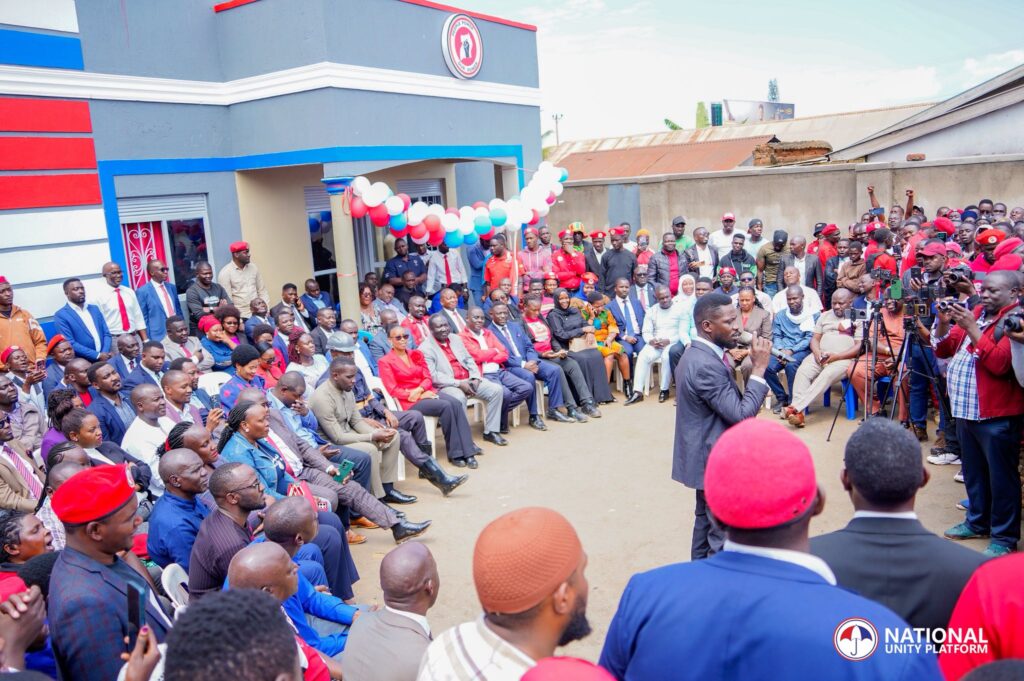
He commended the unwavering loyalty of those involved in the project, noting, “to see that none of them revealed this to our detractors for over a year is a sign of great trust and commitment to the cause.”

The opening of the Iganga headquarters marks a significant step in NUP’s strategy to bolster its grassroots presence and organize its operations across Uganda, signaling a determined effort to mobilize support in a region it believes has been historically neglected.
ASSIGNMENT: Museveni charges NRM delegates to lead fight against corruption, drive service delivery and economic integration

0

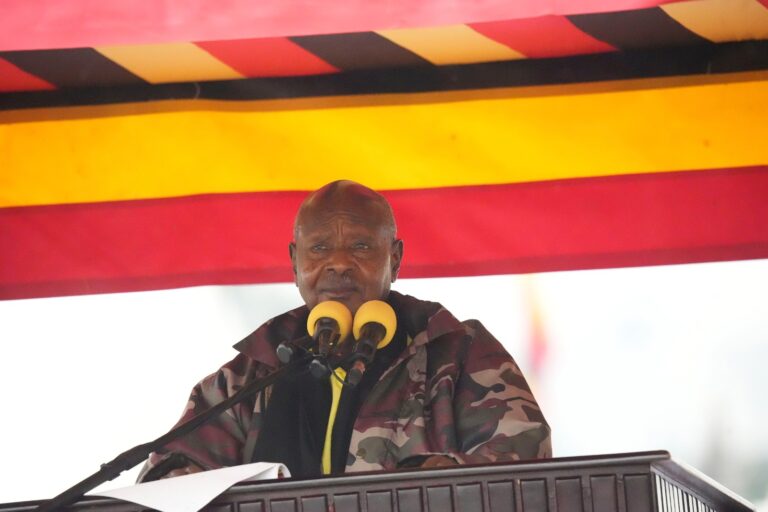
President Yoweri Museveni has called upon National Resistance Movement (NRM) delegates to take a forefront role in combating corruption at the local government level and ensuring that essential government services effectively reach the populace. The President delivered this directive while addressing delegates and his team at Kololo Independence Grounds on Monday.

In his comprehensive address, President Museveni provided an overview of Uganda’s remarkable economic progression, highlighting its expansion from $3.9 billion in 1986 to an impressive $66 billion today. He further articulated the nation’s ambitious goal of achieving high middle-income status, aiming for an economy worth $500 billion.

The President detailed Uganda’s economic journey through five distinct phases: minimum recovery, expansion of production, diversification, value addition, and the current emphasis on the knowledge economy. He cited recent innovations, such as the locally manufactured Kira electric buses, internal vaccine production, and computer manufacturing, as tangible evidence of the country’s progress and potential in the knowledge sector.

Museveni underscored the critical need for all Ugandans to fully integrate into the money economy. “In 2013, 68% of homesteads were outside the money economy. Today, 67% are in, but 33% remain out. Every family must produce for both food and cash,” he stated, urging a concerted effort to bring the remaining households into the economic mainstream.

Shifting his focus to governance, President Museveni directly tasked the NRM delegates with the responsibility of eradicating corruption, particularly at the grassroots level. He issued a stern warning against bribery in local government recruitment processes and implored citizens to actively hold their leaders accountable for service delivery. “Don’t allow corrupt people to undermine your progress. Stop those who steal public funds or take bribes,” he asserted.

The President also urged leaders and citizens to ensure the proper maintenance of roads, monitor the performance of the police in fighting crime, and safeguard the integrity of free education in government schools. He expressed deep concern that despite significant government funding, some schools continue to levy illegal fees, thereby frustrating and disadvantaging poor families.

On the critical issue of healthcare, Museveni decried the rampant theft of medicines from public hospitals and called upon communities to actively expose and apprehend wrongdoers. He reiterated the foundational importance of safe water access, quality education, and accessible healthcare as pillars for improving general welfare and prosperity.

President Museveni concluded his address by encouraging Ugandans to collectively fight poverty, corruption, and crime, while simultaneously embracing education, healthcare, and clean water as indispensable pathways to national prosperity.

Adding to the President’s call, NRM Secretary General Richard Todwong reminded delegates of the paramount importance of prioritizing the party above personal interests. He urged members to foster unity, emphasizing that internal competition should never escalate into enmity. “We are members of a family. Focus on the bigger picture of the party—the mission, objectives, and goals—rather than personal ambitions,” Todwong advised.

HEALTHCARE ACCESS: Busoga Kingdom urges shift to preventive medicine, hails Kabukye Trust’s new diabetes care center

0

The Busoga Kingdom has lauded the Kabukye Trust for its pioneering efforts in combating Non-Communicable Diseases (NCDs) and promoting healthcare access, particularly with the recent launch of the Bright Life Medical Center’s ‘Sugarwise Warriors Diabetes Care’ in Kabukye, Kamuli Municipality. The Kingdom underscored the urgent need to transition from curative to preventive medicine as NCDs become increasingly prevalent.

During the launch event, Busoga Kingdom Prime Minister Joseph Muvawala highlighted the alarming trend of changing disease profiles, with NCDs now taking center stage in the region. He emphasized that the Kingdom and government must support innovative healthcare models to reduce the growing disease burden.

“Our lifestyles and eating habits make us prone to many silent diseases coupled with the fact that we are lazy to seek medical checkup. It is imperative that we shift from curative to preventive medicine and practices to ease the disease burden,” Muvawala challenged the attendees.

He urged Kabukye Trust to pilot a school-based diabetes campaign, focusing on rural areas, self-management, and education. This initiative, he said, should aim to reach all children, ensuring they are sensitized, tested, and can access early preventive treatment and care.

Muvawala also encouraged the Trust to partner with Busoga Kingdom and the National Population Authority to harness technology and promote home-based care for diabetes patients.

“Your vision, mission, and goal resonate in line with the Busoga Anthem call to fight poverty, disease, and ignorance and working towards a healthier community and population,” Muvawala stated, pledging the Kingdom’s support.

“The Kingdom has found a ready, expertise, and willing partner for healthcare. The national Population Programs are equally another partner, so let us popularize this Program and let it reach communities and schools.”

Adding a poignant personal dimension, Margaret Kazungu, a Board Member of Kabukye Trust, shared her experience caring for her late diabetic husband, Dr. David Kazungu. She advocated for improved motivation for healthier behaviors, transformed patients’ self-efficacy, and crucially, “a buy-in for a coordinated approach to diabetes prevention and care in rural Uganda.”

Kazungu revealed that the Medical Center stands as a tribute to Dr. Kazungu’s legacy, a “gift to all children and Sugarwise Warriors.” She expressed a larger dream to develop the facility into a modern rural access point for Diabetes, Sickle Cell, and High Blood Pressure patients.

She also counselled the importance of a vegetable-rich diet, light suppers, and regular exercise for a healthier life. The facility, which has already managed 52 children with diabetes, offers Essential Care, Enhanced Care, and Premium Care packages customized to affordability.

Allan Kiwanuka, CEO of Kabukye Trust, outlined the charity’s expansive vision, emphasizing its core values of evidence-based innovations, client-centered swift action, excellence, and sustainable impact.

“We initially started with the Happy Mathematics Development Hub before taking on The Targeted Learning Difference, Diabetes Care, Sickle Cell Disease, Skin Neglected Tropical Diseases (Leprosy), and creating stronger futures uninterrupted- Preventing Child Sexual Abuse,” Kiwanuka revealed, showcasing the Trust’s diverse commitment to community well-being.

He acknowledged the crucial support from partners including Type 1 Diabetes Community Fund Guernsey, Overseas Aid Committee, Allan & Nesta Ferguson Education Opportunity Fund, and the Ministry of Foreign Affairs of Faroe Island, all of which are coordinated and implemented by the Kazungu Family Kabukye Trust in Uganda.

Highlighting the urgency of their mission, Kiwanuka presented startling figures on diabetes prevalence. According to the IDF Diabetes Atlas, 369,000 adults (20–79) are living with diabetes in Uganda in 2024, with 46,000 in Busoga alone.

These numbers are projected to rise to 1.2 million by 2050, a trajectory he believes can be contained through timely and accurate screening, well-contextualized nutrition, education, exercise, diet, and self-management.

Kiwanuka detailed the challenges: “The problem is that adults fear high costs, struggle with management, and face severe complications. The children miss school, often ill, and dying too young, while the at-risk groups lack knowledge and skills to prevent diabetes and live healthy. Worse still, mothers have limited access to screening and support, risking their own health and their babies.”

To tackle this, Kabukye Trust has developed specialized ‘Sugarwise’ teams: Sugarwise Starlets for children living with diabetes, Sugarwise Warriors for adults, Sugarwise Pathfinders for those at risk, Sugarwise Queens for pregnant mothers with gestational diabetes, and Sugarwise Angels for health workers and care companions at home.

The collaboration between Busoga Kingdom and Kabukye Trust represents a significant step towards a healthier future for the region, prioritizing proactive health management and community empowerment in the face of rising NCD challenges.

SILENCED: No host Nation standing as giants reach last four

0

Full Quarter Final Results:

Kenya 1(3)-1(4) Madagascar

Tanzania 0-1 Morocco

Uganda 0-1 Senegal

Sudan 1(4)-1(2)Algeria

The TotalEnergies African Nations Championship (CHAN) PAMOJA 2024 has delivered its biggest twist yet — all three co-hosts have been knocked out at the quarter-final stage, leaving continental heavyweights to battle for glory.

On Friday, 22nd August, Kenya’s campaign ended in heartbreak at Moi International Stadium after a 1-1 draw with Madagascar. The Harambee Stars, backed by a raucous Kasarani crowd, were seeking their first semi-final in 38 years but fell 4-3 on penalties. Alphonce Omija’s miss proved costly as Toky Rakotondraibe converted the decisive kick to send the islanders through.

Later the same day in Dar es Salaam, Morocco edged co-hosts Tanzania 1-0 at the Benjamin Mkapa Stadium. The Atlas Lions, winners in 2018 and 2020, showed their pedigree and kept alive hopes of a third crown as the Taifa Stars bowed out.

Saturday, 23rd August, brought more East African despair. At Mandela National Stadium in Kampala, defending champions Senegal knocked out Uganda 1-0. Oumar Ba’s second-half strike proved enough to quieten a passionate 35,000-strong crowd, ending the Cranes’ best-ever CHAN run.

In Zanzibar, Sudan shocked 2022 finalists Algeria in a penalty shootout after a 1-1 draw at Amaan Stadium. The Desert Hawks triumphed 4-2 from the spot, becoming the only group winners to survive the quarters.

With the dust settled, the semi-final line-up is set:

Madagascar vs Sudan at Benjamin Mkapa Stadium, Dar es Salaam – 26th August

Morocco vs Senegal at Mandela National Stadium, Kampala – 26th August

The elimination of Kenya, Tanzania and Uganda means the co-hosts will now only watch as the continent’s giants chase glory.

CHAN 2024: Uganda Cranes eye history as they clash with defending champions Senegal in CHAN quarterfinals

0

The Uganda Cranes stand on the cusp of history, with just 90 minutes separating them from a first-ever semi-final berth at the TotalEnergies African Nations Championship (CHAN) 2024. They face a colossal challenge in defending champions Senegal this Saturday, August 23rd, 2025, in a highly anticipated quarterfinal clash at the iconic Mandela National Stadium, Namboole.

Uganda enters the blockbuster encounter brimming with confidence, having impressively topped Group C with seven points from four matches. This remarkable group stage performance has set the stage for a defining moment in Ugandan football, as the Cranes aim to finally break their quarter-final jinx and advance beyond the last eight of the prestigious tournament.

However, standing in their way are the formidable defending champions, Senegal, a team head coach Morley Byekwaso acknowledges will be a tough nut to crack. “We are playing a well-organised team that has been in the tournament for a long time,” Byekwaso stated, adding, “We have played them in friendlies, and we know their strengths. The Senegalese are very physical.”

Despite the challenge, Byekwaso expressed confidence in his squad, highlighting discipline and composure as Uganda’s key weapons. “Every team has weaknesses,” he asserted. “This is no longer the group stage; mistakes at this level can cost us dearly. The boys are well-prepared both physically and emotionally, so we are good to go.”

The Cranes tactician emphasized the strategic approach for Saturday’s make-or-break tie. “We must be disciplined as we are facing a disciplined team. We will focus on minimising mistakes and forcing them into errors. That is how we will create scoring opportunities.”

Crucially, the Cranes will have the immense backing of their home crowd at Namboole. “We also have the advantage of playing in front of our home fans, and we know how much they expect from us. The boys are aware of this, and they are ready,” Byekwaso continued, issuing a passionate plea for massive support.

“This is a tournament where every team is strong, but playing at home gives us a boost. Our fans have been incredible, pushing the team until the last whistle. We call upon them once again to rally behind us. Together, we can achieve great things.”

The sentiment is echoed within the playing squad, with midfielder Joel Serunjogi expressing the team’s unwavering resolve. “Everyone is happy and focused. We have learned from the group stage that we must never give up. It is an honour to represent the country, and I will give my all on Saturday,” Serunjogi affirmed, joining his coach in calling for fan presence. “I thank our fans for standing by us, and I call upon them to come in big numbers. We will not disappoint—we want to win.”

As the clock ticks down to Saturday, the air in Namboole is set to be charged with anticipation. For the Uganda Cranes, it’s more than just a football match; it’s a date with destiny, a chance to etch their names into the annals of Ugandan football history.

THE NILE POLITICS: President Museveni must finish the Egyptian job before retirement

0

By Jumbwike Sam

In his 1992 Journal Article, Constructivist Alexander Wendt postulates that anarchy is what states make if it, that is to say, the way states conduct themselves towards each other is dependent on the signification they construct about them. Wendt argues that states can be friends instead of enemies, that anarchy does not exist until states interact with each other and that changes in identity and interests can reconstruct the international political system.

While on a 3-day working state visit to Egypt, the Ugandan President, Yoweri Museveni offered a detailed chronology of the history of the interaction between Uganda and Egypt to the delegations at the expanded session. He narrated how Uganda and Egypt have been historically linked by the Nile since time immemorial and how Ugandans always referred to Egypt as the land of many gardens (Misiri).

He dispelled the categorization of Uganda as landlocked country because it has a water link to the Mediterranean which was previously used by voyagers from Alexandria to Uganda. He reminisced about the historical importance of Egypt in Africa’s liberation from colonialism under the Pan African Leader Abdel Nasser who facilitated freedom fighters like John Kale from Uganda’s first Political Party, the African National Congress, to set up a coordination base in Cairo during the anti-colonial struggle.

He also highlighted his cordial engagements with past Egyptian leaders like Hosni Mubarak and Boutross Boutross Ghali. He expressed disappointment over the low volume of trade between Uganda and Egypt that stood at only USD$ 133 million which was not reflective of the historical attachment of the two countries.

The Hydro Politics of the Nile Basin from a Constructivist’s View

To a lay man, River Nile in nothing beyond an ordinary stream of water with that flows throw different countries before pouring into the Mediterranean. Long before the formation of the modern states in Africa, each community along the Nile enjoyed un interrupted usage to the river without any external control.

The competition for trade along the Mediterranean instigated interest in establishing the source of the Nile as it was presumed that whoever controlled the Nile would have an edge on controlling the trade along the Mediterranean. Thus started the global path of attaching political meaning to the Nile where control over it became the ultimate symbol of dominance.

The 1929 and 1959 Nile Water Agreements between Egypt and colonial Britain recognized Egypt’s rights over the Nile and gave it hegemonic status before the upstream Nile countries gained independence. These agreements imposed obligations on upstream countries and nothing on Egypt. Uptodate, the Nile is a symbol of life and death, and Egypt keeps threatening the upstream countries against tampering with the flow of Nile with war. All activities by upstream countries on the Nile are perceived as a threat to Egypt’s survival.

Museveni outmaneuvers attempts to make him a Quisling for Egypt’s Hegemonic interests

President Museveni’s long stay in power has enabled him to fraternize with different Egyptian leaders like Hosni Mubarak, Mohammed Morsi and the former UN General Secretary Ghali Boutross.  For all the years that he has stayed in power, General Museveni’s position about the Nile has been that its problems are beyond agreements and documents in Egypt’s possession.

In his view, the underdevelopment and backwardness in the upstream Nile countries are the biggest risk to the Nile because people are ignorant and end up misusing land and water bodies by invading wetlands which are tributaries to the Nile and his remedy to the Nile problem is through social economic transformation such that there is a shift from dependence on agriculture to industry thus reducing encroachment on catchment areas.

Recently, the current Egyptian President Field Marshal Abdel Fattah El-Sisi invited Uganda’s General Yoweri Museveni with the hook of providing financing to support southern Nile Basin Countries.

Armed with a framework for the formation of a joint Egypt-Uganda Business Council to boost investment in construction, energy and pharmaceuticals, President Sisi held bilateral discussions with his experienced counterpart. President Museveni let the cat out of the bag on proceedings in their closed meeting where he strongly objected to Egypt’s insistence on the entrenchment of its historical rights over the Nile.

President Museveni revealed that his position in the meeting was one of prioritizing the needs of all the upstream Nile countries like prosperity for all, electricity for all, irrigation for all and access to water for consumption for all.

Why It Is Now or Never for Upstream Nile States

According to General Museveni, the problem between Egypt and the upstream Nile states is not as big as it looks, but it is Egypt’s insistence on colonial rights that is complicating the relationship. In his brotherly appeal to President El Sisi, General Museveni requested Egypt to consent to the Cooperative Framework Agreement which guarantees equitable distribution and utilization of the Nile Water Resources that has already been ratified by the upstream countries of Uganda, Rwanda, Ethiopia and Tanzania.

It is not a guarantee that the upstream Nile basin will have a statesman of Museveni’s caliber with consistency over the Nile basin vision in the next 40 years as the case has been, neither is it certain that Egypt will have leadership with cordial relations to Uganda like HE El-Sisi. Now is the perfect timing to realign the Nile basin relationship with Egypt from Enemy to friend with recognizable interest from both ends.

NOT THEM: Victoria Sugar factory exonerated by NEMA, local authorities, in Luweero environment pollution row

0

The Victoria Sugar Factory, recently embroiled in allegations of severe environmental pollution, has been officially exonerated by Uganda’s National Environment Management Authority (NEMA).  

For weeks, media reports have amplified whispers from residents of dark smoke, contaminated water, and persistent coughs linked to the factory. But NEMA, alongside local leaders and factory management, maintains that Victoria Sugar is being unfairly targeted, suggesting a campaign of misinformation.

Speaking on Thursday, NEMA spokesperson Naomi Namara dismissed the accusations against the sugar company. “Pollution has been reported in that area where Victoria Sugar is located, but it’s not coming from the factory,” Namara stated, adding, “Our inspectors are already on the ground to trace the actual culprits, and action will be taken.” This statement not only cleared Victoria Sugar but deepened the mystery of the pollution’s source.

Inside the factory gates, officials expressed strong indignation. Nasif Ismail, Victoria Sugar’s head of operations, suggested the allegations stem from industrial rivalry. “These are allegations by self-centered people, mostly our competitors, aiming to tarnish our name,” he argued.

Ismail emphasized the factory’s compliance, noting, “We are fully compliant with NEMA regulations. We even installed pollution monitoring equipment directly linked to NEMA’s control center.”

He also highlighted a geographical discrepancy, pointing out that initial complaints reportedly came from Yandwe 1 village, while the factory is situated in Ndibulungi, where he claims residents live without issues.

The Luweero District Natural Resources Officer, Teopista Gateese, echoed NEMA’s stance and the factory’s defence. As a key local environmental monitoring official, she stated, “We have not come across this dark smoke being cited. It is disappointing when leaders spread wrong information without consulting technical offices like mine.”

Gateese recalled similar past allegations against the factory that proved false, though she pledged to join NEMA in fresh investigations if necessary, urging complainants to approach her office before resorting to media.

The narrative remains sharply divided among local residents. Godfrey Mukasa, who resides in Ndibulungi, the village housing the factory, dismissed the allegations outright. “I live right next to the factory. I can tell you these allegations are false. I’ve never experienced any problem with it,” he asserted.

Conversely, in neighboring Yandwe 1 village, previous media reports quoted residents painting a grim picture of contaminated water sources, smoke-induced coughs, and dark stains on their clothes.

This stark contrast fuels suspicions on both sides: are competitors orchestrating a smear campaign, or are specific communities truly bearing the brunt of environmental degradation from an as-yet-unidentified source?

The ongoing dispute highlights the delicate balance between industrial growth and environmental protection in Uganda. As more factories emerge in districts like Luweero, the tensions between corporate investment, regulatory oversight, and community welfare are set to intensify.

For now, NEMA stands firm in its exoneration of Victoria Sugar. However, until inspectors definitively identify the real source of pollution affecting parts of Luweero, the questions – and the suspicions – among villagers and stakeholders are likely to persist.

BAN ON BIZINDALO: UCC launches nationwide crackdown on illegal radio broadcasting, citing security risks and interference

0

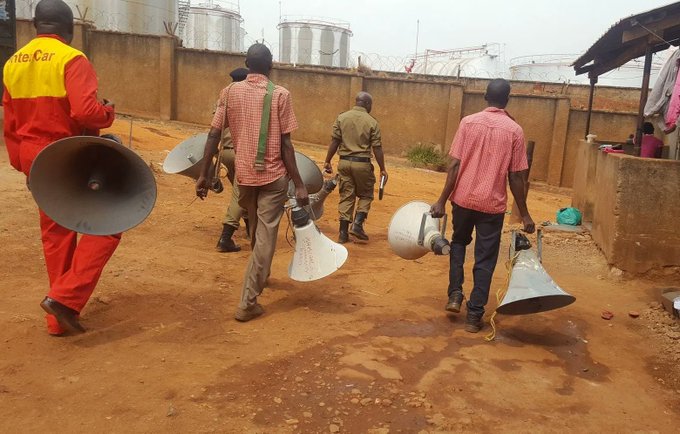
Uganda Communications Commission (UCC) has launched a comprehensive nationwide enforcement campaign to curb the proliferation of illegal and unauthorised radio broadcasting and megaphone operators.

The regulatory body is taking stern action against individuals and entities operating without the requisite licences or official frequency assignments, citing significant threats to public safety, national security, and the integrity of the communications sector.

In a recent statement, the UCC highlighted that the unlawful establishment and operation of broadcasting services are causing severe consequences across the country.

These include harmful interference to legitimate, licensed broadcasters, disruption of essential services such as aviation and national security communications, and ultimately jeopardising public safety.

The commission underscored that such activities undermine the orderly development and integrity of Uganda’s vital communications sector.

Furthermore, the UCC noted that some of these rogue stations are not only operating illegally but are also transmitting content that directly contravenes Section 31 of the Uganda Communications Act and the Minimum Broadcasting Standards outlined in Schedule 4 of the same Act.

The Commission has warned offenders that non-compliance constitutes a criminal offence, attracting severe penalties.

Citing sections 26, 27, and 31 of the Uganda Communications Act, the UCC is granted the authority to shut down illegal operations, seize broadcasting equipment, and prosecute individuals engaged in unauthorised broadcasting.

Penalties include prosecution, potential imprisonment, and the permanent forfeiture of all seized broadcasting apparatus.

Enforcement operations have already commenced in a number of districts, with actions reported in Sheema, Lamwo, Kamwenge, Kiryandongo, Bunyangabu, and Amolatar. The UCC confirmed that additional regions are slated for similar actions in the coming weeks as part of its ongoing efforts.

The Uganda Communications Commission has urged the public to actively support these vital enforcement efforts. Their cooperation is crucial in upholding the integrity of Uganda’s airwaves, protecting national security interests, and ensuring that the nation’s broadcasting industry operates strictly within the confines of the law.

Navigating the Capital Crossroads: Essential Loan Options Unveiled for Businesses and Individuals.

0

In today’s dynamic economic landscape, access to appropriate capital is a critical lifeline, empowering businesses to pursue growth and equipping individuals to overcome unexpected financial challenges. While the myriad of lending options can initially appear daunting, understanding the distinct purposes and considerations of various loan types is paramount to making informed financial decisions.

A recent overview highlights several pivotal loan categories, shedding light on their unique roles in fostering economic stability and progress.

Fueling Growth: The Role of Business Loans

At the heart of entrepreneurial success lies the business loan. These financial instruments provide the necessary capital for a wide spectrum of activities, from launching a budding startup and expanding existing operations to acquiring essential equipment, managing inventory, or simply covering day-to-day operational expenses. Common forms include traditional bank loans, lines of credit, and term loans, which typically require a robust business plan, a solid credit history, and often collateral.

“For entrepreneurs, securing the right business loan isn’t just about accessing funds; it’s about seizing opportunities, mitigating risks, and investing in innovation,” explains a financial expert. “It directly impacts their long-term viability and competitiveness in the market.”

Government-Backed Support: The Advantage of SBA Loans

A distinct and highly beneficial category within business financing is the SBA loan, backed by the U.S. Small Business Administration. Crucially, these are not direct government loans but rather loans issued by approved lenders, like banks, with an SBA guarantee. This guarantee significantly reduces the risk for lenders, making them more willing to finance small businesses that might not qualify for conventional loans.

SBA loans are renowned for their favorable terms, including lower down payments, longer repayment periods, and competitive interest rates. They manifest in various programs, such as the popular 7(a) loan (for general business purposes), CDC/504 loans (for major asset purchases like real estate and equipment), and microloans (smaller amounts for startups and growing businesses). Eligibility typically requires businesses to meet specific size standards, operate for profit, and demonstrate a sound business purpose, making them crucial drivers of entrepreneurship and job creation.

A Safety Net: Emergency Loans for Unexpected Crises

Life’s inherent unpredictability often necessitates rapid access to funds, creating a demand for emergency loans. These solutions are designed to provide immediate relief during unforeseen circumstances for both individuals and small businesses. For individuals, this could mean urgent medical bills, unexpected home repairs, or sudden job loss. Businesses might leverage emergency loans to cover immediate operational gaps caused by natural disasters, sudden market shifts, or critical equipment failure.

The defining characteristic of emergency loans is their speed of approval and disbursement. While sources vary (personal loans, lines of credit, or specific disaster relief funds), lenders often streamline the application process. However, borrowers should be aware that the urgency can sometimes translate to higher interest rates or stricter repayment terms compared to planned financing.

Bridging the Gap: Bad Credit Loans

For individuals or businesses with less-than-perfect credit scores, accessing traditional loans can be a significant obstacle. Bad credit loans cater specifically to these borrowers, who may have a history of missed payments, defaults, or high debt, making them appear riskier to conventional lenders.

Options often include secured loans (requiring collateral), co-signed loans (where another person with good credit guarantees the loan), or loans from specialized alternative lenders. While these offer a vital pathway to necessary funds, borrowers should anticipate higher interest rates and potentially stricter terms to offset the increased risk. Financial advisors stress the importance of carefully reviewing all terms and conditions, urging applicants to use these loans responsibly as a stepping stone to rebuild credit.

High-Cost, Short-Term: The Nature of Payday Loans

Among the various loan types, payday loans are distinguished by their accessibility and their controversial nature. These are short-term, high-interest unsecured loans, typically for small amounts, intended to be repaid on the borrower’s next payday, often without a credit check. They are frequently sought by individuals needing immediate cash flow to bridge a gap until their next salary arrives.

While offering rapid access to funds, the significant drawback of payday loans is their extremely high Annual Percentage Rates (APRs), which can often reach the triple digits. This makes them one of the most expensive forms of borrowing and, if not repaid promptly, can lead to a vicious cycle of debt. Financial experts generally advise against payday loans unless there are absolutely no other alternatives, emphasizing the critical importance of understanding the full cost and potential pitfalls before committing.

Making Informed Choices

Navigating the diverse landscape of lending requires careful consideration of one’s specific needs, current financial health, and repayment capacity. Whether seeking capital to propel a business forward, addressing an unforeseen emergency, or working to rebuild credit, understanding the nuances of each loan type is paramount. Borrowers are strongly encouraged to research thoroughly, compare offers from multiple lenders, and prioritize sustainable financial solutions to secure their economic future.

EYE ASSISTIVE DEVICES: Kaliro residents see clearer future as distribution of glasses donated by Evidence Action and Clinton Health Access Initiative begins

0

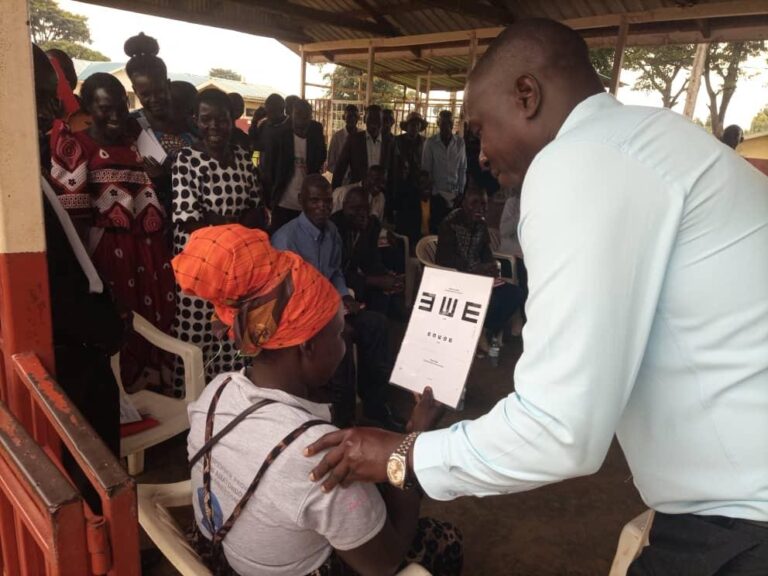
Residents in Kaliro District, particularly those aged 40 years and above experiencing vision difficulties, received free reading glasses, marking a significant step towards increasing access to assistive technologies at the community level.

The initiative aims to dramatically improve the quality of life, independence, and productivity for thousands across the region.

The distribution process in Kaliro is being meticulously carried out by dedicated Village Health Teams (VHTs), who conduct simple yet effective “near vision tests” to assess individual needs and provide appropriate prescriptions.

This localized approach ensures that the aid reaches those who need it most, directly within their communities.

The immediate impact of the program is already evident in personal stories. One of the first beneficiaries, a woman who previously struggled immensely with daily tasks due to her deteriorating eyesight, shared her profound relief.

She recounted her inability to insert a thread into a needle or read her cherished Bible – activities now restored to her with the aid of the reading glasses. Her improved quality of life underscores the transformative potential of this intervention.

This vital support stems from a substantial donation received by the Ministry of Health in July. Dr. Olaro Charles, the Director General Health Services, on behalf of the Ministry, accepted 25,000 pairs of reading glasses from Evidence Action and an additional 16,200 pairs from the Clinton Health Access Initiative (CHAI).

These 41,200 pairs are designated for distribution through health facilities across the Bukedi and Busoga sub-regions, with Kaliro District being among the first to roll out the program.

The assistive devices are specifically targeted at persons with disabilities, particularly middle-aged individuals (40 years and above) suffering from presbyopia or other forms of near vision loss.

By providing these glasses, the initiative seeks to enhance their ability to engage in essential daily activities such as reading, writing, sewing, cooking, and counting money. This directly contributes to greater independence and productivity for the beneficiaries.

The Ministry of Health emphasizes that this support comes at a crucial time as Uganda strengthens its rehabilitation and assistive technology services. The program is a testament to the nation’s commitment to ensuring inclusivity and an improved quality of life for all Ugandans, fostering a society where age or vision challenges do not hinder participation and well-being.