
Friday, May 22, 2026
Home Blog Page 23

FORTY-YEAR PRESIDENCY: President Museveni’s nomination for 2026 and the debate for the nation’s future under his unending rule

0

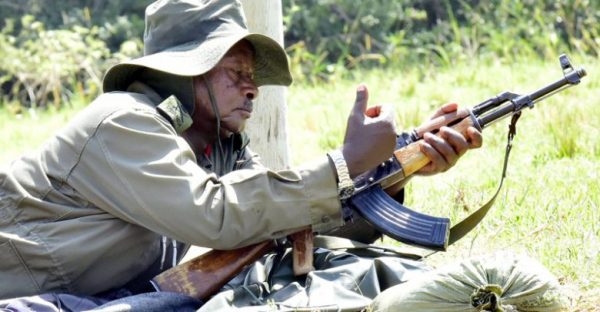
President Yoweri Kaguta Museveni will, on Tuesday, September 23, be nominated as a presidential candidate for the 2026 general elections. The nomination comes as he marks 40 years at the helm of Uganda, a tenure that has made him one of Africa’s longest-serving leaders. His bid raises fresh debate on what value his continued presidency adds to the country and where it may present challenges.

His name on the ballot is no surprise; it has been there since 1996. The real question is whether Uganda, in 2026, still needs Museveni and his political machinery.

When Museveni came to power in 1986, he was hailed as a liberator who ended years of chaos. He stabilized a fractured country, opened up the economy, and gave Ugandans hope that politics could be practiced differently. Those gains are real and remain part of his legacy. Today, Uganda boasts more roads, more electricity, and a stronger regional footprint than it had in the 1980s.

But that legacy is being overshadowed by the cost of overstaying. By scrapping presidential term and age limits, Museveni turned what could have been a heroic exit into an endless pursuit of power. Uganda has become a textbook case of personal rule, where state institutions bend to the survival of one man and one party. What should be a democracy has, in practice, become a managed competition where the outcome rarely surprises.

Since taking power in 1986, Museveni has been credited with bringing relative peace and stability after years of conflict. His government liberalized the economy in the 1990s, attracting foreign investment and donor support, while infrastructure projects in energy, roads, and health facilities have expanded under his watch.

Regional and Security Contributions

Regionally, Museveni has positioned Uganda as a key security player. The Uganda People’s Defence Force (UPDF) has been central in peacekeeping missions in Somalia and South Sudan, giving Uganda influence and international leverage. This role strengthens Uganda’s diplomatic weight and reassures donors who view Museveni as a reliable security partner. Yet, the militarization of politics at home, from policing protests to expanding the role of the army in civilian affairs, blurs the line between stability and authoritarian control.

Economic Growth vs. Debt Burden

Under Museveni, Uganda has moved from a fragile post-conflict economy in the late 1980s to faster, more diversified growth in recent years. Growth has averaged solid rates in the 2010s and early 2020s, and the IMF/World Bank project continued expansion — the IMF and World Bank put real GDP growth around the 6% mark in 2024–25, supported by services, industry and rising investment in oil and mining.

The government’s heavy push for big infrastructure (rail, roads, oil pipeline, refinery, power, large projects) has been financed by substantial borrowing. Uganda’s public debt has climbed sharply in the last few years, with finance ministry reports highlighting large increases in domestic borrowing and a rising debt-to-GDP ratio; officials have signalled efforts to rein in domestic borrowing, but debt servicing now squeezes the fiscal space for health, education and social protection.

Democracy and Governance

Museveni’s defenders argue that he has provided political stability in a region often plagued by conflict. Uganda has avoided the coups and mass unrest seen elsewhere, and the National Resistance Movement (NRM) remains deeply entrenched nationwide.

On the other hand, four decades of dominance have weakened Uganda’s institutions. Term limits were removed, succession plans remain unclear, and state resources are routinely deployed to consolidate power. This raises concerns about governance quality and the risks of a personality-driven state. The value Museveni adds in terms of stability is offset by the democratic stagnation his prolonged rule has fostered.

Human Rights and Civic Freedoms

When Museveni came to power, he promised to end the abuses of past regimes. In the early years, there was genuine improvement in security and human rights. Yet, over time, Uganda has witnessed shrinking civic space, media crackdowns, arbitrary arrests of activists, and laws criticized internationally for targeting minorities.

However, his long stay in power has drawn criticism from both domestic and international observers. Constitutional amendments that scrapped presidential term and age limits have been cited as setbacks for Uganda’s democratic trajectory. Opposition groups and civil society actors often raise concerns about the independence of state institutions and the fairness of elections.

Uganda’s human rights record has also been questioned, with reports of restrictions on assembly, media freedoms, and political organizing. While the economy has grown over the years, critics point to persistent rural poverty, high youth unemployment, and corruption as enduring challenges.

The human rights picture is equally troubling. Opposition rallies are broken up, activists are jailed, and media freedoms remain constrained. Young Ugandans — who make up more than 75 percent of the population — have never known another leader, and many see their aspirations for change repeatedly deferred. The promise of jobs, prosperity, and genuine political participation often feels out of reach.

When Museveni came to power, he promised to end the abuses of past regimes. In the early years, there was genuine improvement in security and human rights. Yet, over time, Uganda has witnessed shrinking civic space, media crackdowns, arbitrary arrests of activists, and laws criticized internationally for targeting minorities.

The government frames its tough approach as necessary for stability, but for many Ugandans — especially the youth — the erosion of civil liberties has undercut Museveni’s once-revolutionary credentials. The value of his presidency here is increasingly questioned, as repression undermines both domestic trust and Uganda’s international standing.

Human-rights watchdogs and foreign governments report an increasingly restricted civic and media space, reprisals against critics, and legal measures that institutionalize discrimination. Human Rights Watch and Amnesty flag government crackdowns on free expression, arbitrary arrests of protesters and activists, and laws that have tightened restrictions on sexual minorities and dissent. The U.S. State Department’s country human rights report similarly lists negative developments. These trends have reputational and practical costs — ranging from aid conditionality to investor reputational risk and diaspora mobilization.

The Road Ahead

Supporters argue that Museveni’s experience and track record in maintaining stability make him the best candidate to guide Uganda through regional security threats and to manage its upcoming oil economy. Opponents counter that a leadership transition is overdue, warning that extended rule risks weakening democratic institutions and limiting political renewal.

As the 2026 elections approach, Museveni’s nomination sets the stage for yet another contest between continuity and change. The coming months will test how Ugandans weigh the achievements of the past four decades against the demands and expectations of a young and fast-growing population.

Does Uganda Still Need Museveni?

The value Museveni brought in the 1980s and 1990s — security, stabilization, and reconstruction — is undeniable. But today’s Uganda faces different challenges: youth unemployment, climate change, public debt, governance reforms, and the need for leadership renewal.

For some, Museveni’s experience and regional stature remain an asset. For others, his long rule has become an obstacle to democratic deepening, institutional growth, and generational leadership. The central question is no longer whether Museveni can govern, but whether Uganda’s long-term development is best served by continuity under him or by a managed political transition.

Museveni’s 40-year rule left Uganda with visible economic and infrastructure gains and with continuity many voters value. But it also leaves the country at a crossroads: continued centralization and an eroded civic space risk converting short-term delivery into long-term political and institutional fragility. Whether Uganda “still needs” Museveni depends on whether his stewardship can be paired with serious, irreversible institutional reforms that protect rights, checks and balances, and fiscal sustainability. Without those reforms, another term would likely deepen trade-offs between order and liberty — and raise the costs of future transitions.

As he seeks to add another five years to his 40 already in power, Uganda faces a defining question: is continuity under Museveni a safeguard, or is it the single greatest barrier to the country’s democratic and developmental future? For many Ugandans, the answer is increasingly clear.
POLITICAL TENSIONS: Bobi Wine’s nomination delayed in what NUP calls a deliberate plot to shield Museveni

0

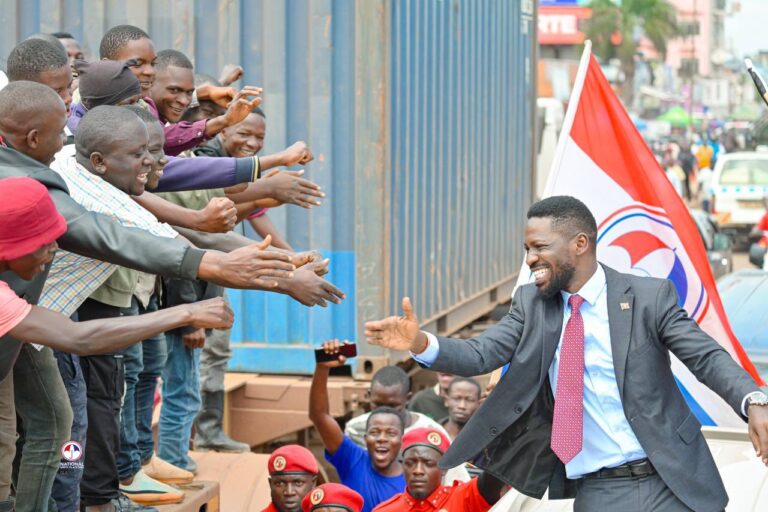
The Electoral Commission has confirmed that National Unity Platform (NUP) president Robert Kyagulanyi Ssentamu, aka Bobi Wine, will be nominated for the 2026 presidential elections on Wednesday, September 24, at 2:00 p.m., a move the opposition party has slammed as a calculated attempt to protect President Museveni.

Bobi Wine, who had earlier booked Tuesday, September 23, at 10:00 a.m. for his nomination, accused the regime of cowardice and manipulation after the EC shifted his schedule.

“As predicted by many Ugandans, the ridiculous claims about us not submitting enough signatures was intended to push our date of nomination. The cowardly regime did not want us to be nominated on the same day as Museveni,” Bobi Wine charged.

Though the EC eventually issued him a Certificate of Verification confirming he had fully met the legal requirement of verified signatures across two-thirds of Uganda’s districts, it still postponed his nomination to a day later — and in the afternoon.

According to Bobi Wine, the timing was deliberately chosen to sabotage NUP’s campaign program.

“Pushing it to 2:00 p.m. is clearly intended to frustrate our plans to have two rallies because the first one was meant to begin at midday. But nothing will stop the revolutionary cause,” he vowed.

NUP Secretary General Lewis Rubongoya echoed the accusations, stressing that the EC’s maneuvers had little to do with signatures and everything to do with politics.

“It was never about the signatures. It was all about ensuring Bobi Wine does not nominate on the same day with Gen. Museveni. They don’t want us to hold our scheduled rallies. But Wednesday 2:00 p.m. it is — so help us God,” Rubongoya declared.

In anticipation of such tricks, the opposition party revealed that it had already booked Katwe Grounds and Kaala Playground in Nateete for both dates to ensure supporters gather in solidarity.

The development has once again raised questions about the independence of the Electoral Commission and heightened political tensions ahead of the 2026 elections, with NUP insisting that state institutions are being used to tilt the playing field in favor of President Museveni.

NEEDED ADJUSTMENTS: Electoral Commission reschedules parliamentary nominations, sets dates for presidential campaigns

0

The Electoral Commission (EC) has announced changes to the nomination dates for candidates in the forthcoming Parliamentary Elections, including Special Interest Groups (SIGs) such as Youth, Persons with Disabilities, Workers, and Older Persons.

Originally scheduled for 15th–16th October 2025, the nominations will now be held from 22nd–23rd October 2025 at the offices of respective District and City Returning Officers.

According to the EC, the adjustment was made to accommodate Uganda’s hosting of the Non-Aligned Movement (NAM) Mid-term Review Conference, which takes place on 15th–16th October 2025. The international event is expected to draw government officials, legislators, and representatives from NAM member states and international agencies.

“Given the national focus and institutional involvement required for this international engagement, the Commission has adjusted the nomination period to facilitate efficiency and participation,” the statement read in part.

Presidential Campaigns Cleared to Begin

The EC also confirmed the timetable for the Presidential Elections roadmap. Nominations for presidential candidates will take place on 23rd–24th September 2025 at the Commission headquarters in Lubowa, Wakiso District.

This will be followed by a harmonisation of campaign programmes between 25th–27th September 2025, with official campaigns set to run from 29th September 2025 until 12th January 2026.

Parliamentary and local government campaigns, including those for SIG representatives, will begin later—from 10th November 2025 to 12th January 2026.

Polling for Presidential, Parliamentary, and Local Government Elections is scheduled for the period 12th January – 9th February 2026, in line with Article 61(2) of the Constitution.

Key Adjusted Programme

•        Presidential Nominations: 23rd–24th September 2025

•        Harmonisation of Campaigns: 25th–27th September 2025

•        Presidential Campaigns: 29th September 2025 – 12th January 2026

•        Parliamentary & SIG Nominations: 22nd–23rd October 2025

•        Parliamentary & Local Gov’t Campaigns: 10th November 2025 – 12th January 2026

•        Polling Period (All Elections): 12th January – 9th February 2026

The Commission called on all aspirants and stakeholders to take note of the revised programme and to conduct themselves in an orderly, peaceful, and lawful manner throughout the electoral process.

READY FOR THE BIG TASK: Electoral Commission finalizes preparations for 2026 presidential nominations

0

The Electoral Commission (EC) has confirmed that the nomination of candidates for the 2026 Presidential Elections will take place on Tuesday, 23rd and Wednesday, 24th September 2025, at its head office grounds in Lubowa, Makindye-Ssabagabo Municipality, Wakiso District.

The two-day exercise will run from 10:00 am to 4:00 pm and will see aspiring presidential candidates present themselves before the Commission for scrutiny.

Strict Nomination Requirements

According to the EC, any person seeking to run for president must be a citizen of Uganda by birth, a registered voter, and at least 18 years of age. Candidates are required to present certified copies of academic qualifications showing they attained a minimum of Advanced Level education or its equivalent.

In addition, aspirants must demonstrate support from at least 100 registered voters drawn from not less than 98 districts or cities, representing two-thirds of the country’s administrative units.

Other requirements include a non-refundable nomination fee of Shs 20 million, proof of voter registration, recent passport-size photographs, and appointment of an official campaign agent. Independent aspirants will also be expected to select a campaign symbol.

Campaigns are scheduled to begin on September 29, 2025, immediately after the nomination exercise.

Tight Access Controls

The Commission emphasized that the nomination venue will only be accessed by invited and accredited persons. Each aspirant will be allowed a maximum of 20 persons, and only two vehicles, each carrying no more than 10 passengers, both of which must display Police-issued stickers.

The EC warned candidates against mobilizing large crowds or staging processions, stressing that such activities are prohibited during the exercise.

“The Commission strongly warns aspirants from mobilizing supporters to accompany them to and from the nomination venue, as processions are not permitted during this exercise,” the statement read in part.

For the incumbent President, who is also an aspirant, the law allows him to use facilities attached to his office.

Meanwhile, the Uganda Police Force has released traffic guidelines for routes leading to and from the nomination grounds in Lubowa.

Post-Nomination Plans

Upon successful nomination, candidates will be given an opportunity to address the public through the media at a designated center at the venue. The EC advised those intending to launch their manifestos to do so in line with public assembly and traffic laws.

The Commission assured the public that the programme has been designed for efficiency, noting that lists of supporters have already been verified in advance.

Call for Calm and Order

The EC concluded by urging all aspirants, agents, and supporters to respect the guidelines to ensure a smooth, peaceful, and safe nomination exercise.

MONUMENTAL EFFORT: The Vine Uganda’s independence health camps bring smiles and vital treatment to over 5,000 people

0

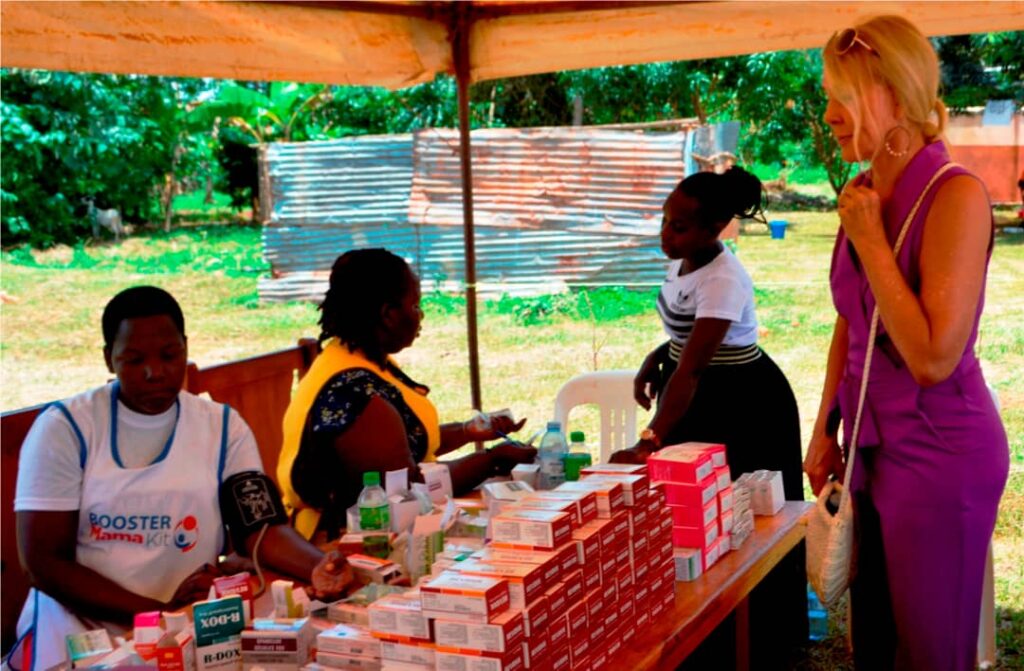
The Vine Uganda has brought a wave of smiles, improved health, and renewed hope to over 5,000 Ugandans through its recent “Independence Health Camp” treatment initiatives, offering crucial free healthcare and support across remote communities.

The latest camp, held at Kitayunjwa Seed School grounds, witnessed a staggering 2,115 patients receiving essential medical treatment. This monumental effort follows a previous successful camp in Butansi, which served 2,227 individuals, bringing the total number of direct patient treatments to over 4,300. Additionally, more than 600 people received other vital services, pushing the overall reach comfortably past the 5,000 mark.

Gari Meacham, President of The Vine Uganda, expressed profound humility and surprise at the overwhelming public demand and response, despite short notice.

“We are humbled that we are witnessing overwhelming need for healthcare services and people are willing to come for medical treatment… We expected and planned for 1,500 but on the ground and site we got extra 1,000 whom we couldn’t send back and more were flocking meaning the disease burden is high, real and can’t be ignored,” she stated, emphasizing the critical impact of free health outreaches for impoverished communities.

Meacham highlighted the holistic approach of the camps, addressing both physical and spiritual well-being. Beyond medical treatment, the initiatives included spiritual guidance, distribution of menstrual hygiene management products like AfriPads, provision of household supplies to boost lives, and children’s sports kits. She also called for media partnership to amplify stories of hope and positive impact.

The camps offered crucial free healthcare and support across remote communities.

Richard Mwogereze, Executive Director of The Vine Uganda, further underscored the critical need for more accessible health services in villages. He recounted the astonishing scene at the Kitayunjwa camp: “By 6 am people were already at the camp venue and by 8 am over 1,000 had lined up for the various services making it a day of extra effort.”

Mwogereze warned that without such free clinics, people are forced to rely on “herbalists, traditional birth attendants and unqualified services from drug shops and clinics which make diseases drug resistant,” thereby worsening public health outcomes. He called for increased health services and centers at the village level to reduce the prevalent disease burden.

The initiative received strong commendation from Kamuli District’s health officials. Moses Lyagoba, the District Health Officer in charge of Child and Maternal Health, praised The Vine Uganda for “complimenting government efforts towards healthcare and fulfilling the cardinal mission they signed for during the Organization’s registration.”

Lyagoba emphasized that these free medical camps serve as “eye openers to the health care system planners to extend and strengthen health services to health centers at the village levels where the Village Health Teams are so as to improve health seeking behavior, reduce distance, increase availability of drugs and personnel.” He advocated for an increase in village health service centers, reliable drug supply, and a shift towards preventive rather than solely curative outreach programs.

For beneficiaries like 89-year-old Matilda Kagona, the camps were a beacon of hope. “It was like God had seen her plight,” she remarked, noting the no-cost, thorough check-up – including blood pressure and other ailments – a level of attention she contrasted with typical government services.

The overwhelming turnout and critical demand observed at these health camps highlight the profound impact of accessible, free medical care in rural Uganda. The Vine Uganda’s efforts continue to illuminate urgent public health needs while delivering vital services that genuinely transform lives, one smile and healthy body at a time.

SHOCK: Butembe FC miss knockouts for the first time since 2016

0

Saturday 20th September Results

Butembe 0-0 Busiki

Bukooli Namayingo 1-0 Kigulu

Sunday 21st September Fixtures

Budiope vs Bukono

Bunhole bunhanumba vs Bugweri

Defending champions Butembe suffered a shock elimination from the 2025 MTN Busoga Masaza Cup, failing to make it out of the Nhendha group for the first time in the tournament’s history.

On Saturday, Butembe were held to a goalless draw by 2023 winners Busiki at Mafubira Primary School playground, a result that left both sides stranded with 6 and 7 points respectively. The stalemate confirmed Kigulu and Bukooli Namayingo as the two teams advancing to the quarterfinals, each finishing on 9 points.

This marks the first time since the cup’s inception in 2016 that Butembe have failed to reach the knockout stages. The side has been one of the tournament’s most consistent performers, with a decorated history that includes:

2016 – Quarterfinals (lost to Bunha on penalties).

2017 – Champions (their maiden trophy).

2018 – Finalists (lost to Kigulu on penalties).

2019 – Quarterfinalists (lost to Bukooli North 2-0).

2020 & 2021 – Tournament cancelled due to COVID-19.

2022 – Group winners, reached knockouts.

2023 – Finalists (lost to Busiki).

2024 – Champions (beat Bukono 1-0 in the final).

Meanwhile, Kigulu and Bukooli Namayingo now shift focus to the quarterfinals. With both sides tied on 9 points, Kigulu advanced as group leaders on superior goal difference, while Bukooli Namayingo finished second. Kigulu are most likely to face Bugweri, while Bukooli Namayingo are set to take on Bukono, depending on the final fixtures of the Mawembe group on Sunday, September 21. Both teams will play their quarterfinal ties on Saturday, October 4, 2025, with Kigulu kicking off at midday and Bukooli Namayingo following later at 4pm.

Butembe’s early exit stands out as the biggest upset of this year’s edition, leaving the race for the 2025 Masaza crown wide open.

PROTEST VOTE TEST: Bobi Wine, Electoral Commission clash raises fresh doubts over 2026 poll credibility

0

With just days to the official close of presidential nominations, tensions between the National Unity Platform (NUP) and the Electoral Commission (EC) have once again thrust Uganda’s election credibility into the spotlight.

On Friday evening, the EC formally notified NUP leader Robert Kyagulanyi, better known as Bobi Wine, that his submitted list of supporters had fallen short of legal requirements in at least 18 districts. The letter, signed by EC chairperson Justice Simon Byabakama, concluded that while Kyagulanyi had presented signatures from 130 districts, only 80 met the threshold.

The ruling effectively places Bobi Wine’s nomination bid in jeopardy, unless he can urgently supply fresh endorsements before the September 24 deadline.

A Familiar Battlefield

For Bobi Wine and his supporters, the Commission’s move is not simply procedural. It is political.

“This is incompetence and partiality at its peak,” Kyagulanyi said in a statement. “We submitted more than enough signatures, but they are just trying to frustrate us. Security operatives have been intimidating our supporters into disowning their signatures, and the EC is complicit.”

Such accusations are not new. In the 2021 election cycle, NUP repeatedly accused the EC of operating as an appendage of the ruling National Resistance Movement (NRM). The latest dispute fits into a long-running narrative that the Commission cannot be trusted to referee fairly when President Museveni’s incumbency is at stake.

Protest Vote and the Politics of Fear

NUP frames these obstacles as evidence that the regime is rattled by what Kyagulanyi calls the “protest vote” — the groundswell of support from citizens disenchanted with four decades of NRM rule.

Analysts note that the EC’s handling of nomination procedures will likely shape public confidence in the polls. “When the Commission is seen to delay communication or reject signatures without full transparency, it feeds into opposition claims of bias,” says a Kampala-based political commentator. “This erodes trust in the process before campaigns even begin.”

A Contest Beyond Signatures

The controversy is not just about paperwork. It is about momentum. For Bobi Wine, securing nomination is the first test of whether the state will allow a genuine contest in 2026. Any perceived hurdle becomes a rallying point for his supporters, who see their struggle less as an election and more as a movement for liberation.

NUP has already called on registered voters in the affected districts to flock to its Makerere-Kavule headquarters on Saturday morning to re-submit signatures. The party is also mobilizing supporters for two major rallies immediately after nomination, setting the stage for a direct face-off with Museveni, whose camp will hold its post-nomination event at Kololo.

The Bigger Question

For the EC, the episode underscores the delicate balancing act it faces: enforcing the law while trying to maintain legitimacy in the eyes of an increasingly skeptical public. Each procedural dispute chips away at that legitimacy.

As Uganda edges closer to the 2026 elections, the battle over signatures is less about numbers than about narratives — and which of the two leading contenders, Museveni or Bobi Wine, can convince the public that they are the rightful custodian of the people’s will.With just days to the official close of presidential nominations, tensions between the National Unity Platform (NUP) and the Electoral Commission (EC) have once again thrust Uganda’s election credibility into the spotlight.

On Friday evening, the EC formally notified NUP leader Robert Kyagulanyi, better known as Bobi Wine, that his submitted list of supporters had fallen short of legal requirements in at least 18 districts. The letter, signed by EC chairperson Justice Simon Byabakama, concluded that while Kyagulanyi had presented signatures from 130 districts, only 80 met the threshold.

The ruling effectively places Bobi Wine’s nomination bid in jeopardy, unless he can urgently supply fresh endorsements before the September 24 deadline.

A Familiar Battlefield

For Bobi Wine and his supporters, the Commission’s move is not simply procedural. It is political.

“This is incompetence and partiality at its peak,” Kyagulanyi said in a statement. “We submitted more than enough signatures, but they are just trying to frustrate us. Security operatives have been intimidating our supporters into disowning their signatures, and the EC is complicit.”

Such accusations are not new. In the 2021 election cycle, NUP repeatedly accused the EC of operating as an appendage of the ruling National Resistance Movement (NRM). The latest dispute fits into a long-running narrative that the Commission cannot be trusted to referee fairly when President Museveni’s incumbency is at stake.

Protest Vote and the Politics of Fear

NUP frames these obstacles as evidence that the regime is rattled by what Kyagulanyi calls the “protest vote” — the groundswell of support from citizens disenchanted with four decades of NRM rule.

Analysts note that the EC’s handling of nomination procedures will likely shape public confidence in the polls. “When the Commission is seen to delay communication or reject signatures without full transparency, it feeds into opposition claims of bias,” says a Kampala-based political commentator. “This erodes trust in the process before campaigns even begin.”

A Contest Beyond Signatures

The controversy is not just about paperwork. It is about momentum. For Bobi Wine, securing nomination is the first test of whether the state will allow a genuine contest in 2026. Any perceived hurdle becomes a rallying point for his supporters, who see their struggle less as an election and more as a movement for liberation.

NUP has already called on registered voters in the affected districts to flock to its Makerere-Kavule headquarters on Saturday morning to re-submit signatures. The party is also mobilizing supporters for two major rallies immediately after nomination, setting the stage for a direct face-off with Museveni, whose camp will hold its post-nomination event at Kololo.

The Bigger Question

For the EC, the episode underscores the delicate balancing act it faces: enforcing the law while trying to maintain legitimacy in the eyes of an increasingly skeptical public. Each procedural dispute chips away at that legitimacy.

As Uganda edges closer to the 2026 elections, the battle over signatures is less about numbers than about narratives — and which of the two leading contenders, Museveni or Bobi Wine, can convince the public that they are the rightful custodian of the people’s will.

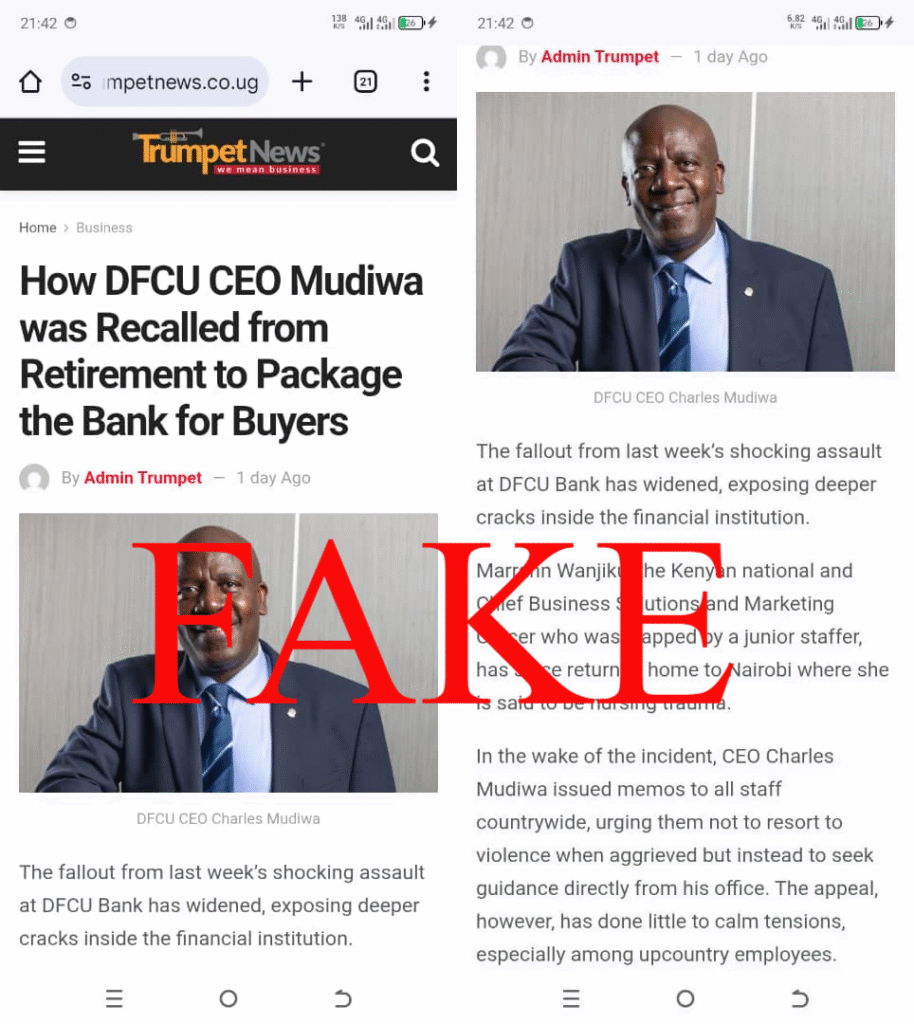
WITHOUT BASIS: dfcu Bank dismisses “baseless and misleading” allegations

0

dfcu Bank has moved to reassure its customers and stakeholders following what it described as the circulation of “unfounded stories” aimed at creating unnecessary concern.

In a statement issued Friday, the bank said the allegations making rounds were “without basis and should be treated with the contempt they deserve.”

This news report by Trumpet News has been flagged by dfcu Bank as fake and misinformation.

“Our focus remains on delivering secure, reliable, and innovative financial services to support individuals, businesses, and communities across Uganda,” the statement read.

The bank urged the public to rely only on official communication from dfcu and to disregard information from unverified sources.

dfcu also reminded customers that it is regulated by the Bank of Uganda and that all deposits are protected by the Deposit Protection Fund of Uganda up to UGX 10 million.

SIGNIFICANT BOOST: 120 health workers graduate in Kamuli School of Midwifery and Nursing bolstering regional healthcare and launching platinum jubilee

0

The healthcare sector in Uganda, particularly within the Busoga region, is set to receive a significant boost following the graduation of 120 new health workers from the Kamuli School of Midwifery and Nursing.

The momentous 10th graduation ceremony, held recently, also marked the historic launch of the institution’s Platinum Jubilee, celebrating decades of dedicated service in health professional training.

The diverse cadre of graduates includes 20 individuals who earned a Diploma in Midwifery (Extension), 3 with a Diploma in Nursing (Extension), 93 receiving a Certificate in Midwifery, and 4 in Certificate Nursing.

These new professionals are poised to fill critical gaps in healthcare delivery, particularly in rural and underserved communities, enhancing access to essential medical and maternal care.

During a solemn mass sermon delivered by Vicar General Monsignor Ben Wakabi, on behalf of Busoga Catholic Diocese Bishop, Charles Martin Wamika, the graduates were reminded of the profound responsibility that comes with their profession.

The Monsignor underscored that theirs is a calling to save lives, emphasizing the crucial need for humility and compassion when interacting with patients.

Principal Sr. Regina Atimo echoed these sentiments, urging her graduating students to embody commitment and dedication as they step into the professional world.

“Go out to be committed, dedicated staff as ambassadors and beneficiaries of holistic excellence,” she challenged them, highlighting the school’s ethos of comprehensive care and ethical practice.

She encouraged them to uphold the values instilled during their training and serve as exemplary representatives of the institution.

Beyond the graduation, the event was historic as the institution simultaneously launched its Platinum Jubilee, celebrating 75 years of dedicated service in training healthcare professionals.

This milestone underscores the school’s enduring legacy and its continued contribution to national health development, having shaped countless nurses and midwives who have served across the country.

The influx of these 120 skilled health workers is expected to significantly bolster healthcare services across the region, improving patient outcomes and access to essential care, while the Kamuli School of Midwifery and Nursing looks forward to another era of excellence and continued service to the nation.

COUNTDOWN: Three slots left as Busoga masaza cup groups hit final bend

0

Wednesday 17th September

Bukooli Bugiri 0-2 Luuka

Thursday 18th September

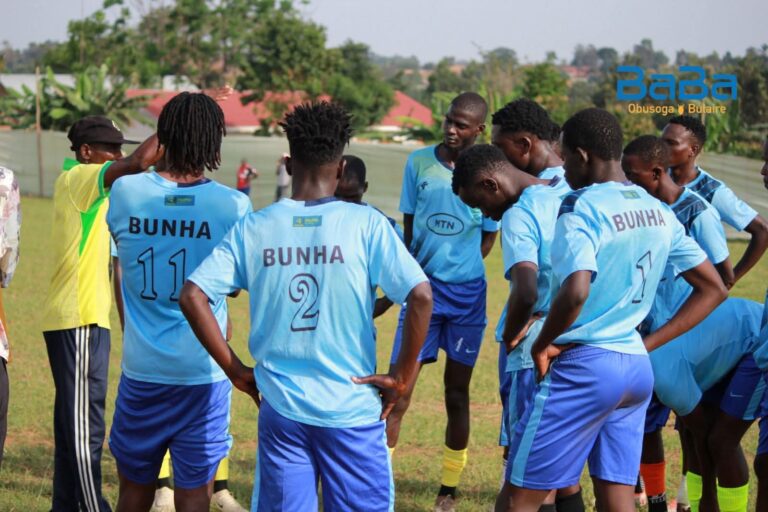
Bunha 1-0 Bulamoogi

Saturday 20th September

Butembe vs Busiki at Mafubira primary school

Bukooli Namayingo vs Kigulu at Namayingo primary school

The 2025 Busoga Masaza Cup group stage is edging towards a thrilling climax, with Bunha becoming the latest team to book a quarterfinal place after a 1-0 victory over Bulamoogi at Wembley Stadium in Mayuge town on Thursday evening. Mutebe Karim’s decisive strike sealed Bunha’s progression and left the Kagulu group finely poised.

Attention now shifts to the group’s last fixture between Bulamoogi and Buzaya, scheduled for Thursday, September 25th at Bulumba Ginnery. The clash will determine who joins Bunha in the last eight: Buzaya need at least a draw to advance, while Bulamoogi must win to survive.

So far, five teams have secured quarterfinal berths—Bugabula, Bunha, Luuka, Bukono, and Bugweri—leaving only three slots to be decided in the coming days.

Luuka sealed their qualification earlier this week with a 2-0 triumph over Bukooli Bugiri at Hindocha Primary School in Bugiri on Wednesday. Their final group fixture against Bugabula will only decide top spot, with both teams already assured of passage.

The Nendha group also promises high drama this Saturday, September 20th, with two crucial ties: Butembe face Busiki at Mafubira Primary School, while Bukooli Namayingo host Kigulu at Namayingo Primary School.

The qualification race is still open:

Kigulu (9 pts): Need only a draw to go through.

Busiki (6 pts): Must beat Butembe; a draw could suffice if Bukooli Namayingo lose.

Bukooli Namayingo (6 pts): Require victory over Kigulu to confirm their place.

Butembe (5 pts): Must beat Busiki and hope Kigulu either draw or defeat Bukooli Namayingo.

A scenario where Bukooli Namayingo and Busiki both win would leave three teams tied on nine points, making goal difference the deciding factor.

Eliminated teams so far include Bukooli Bugiri, Budiope and Bunhole Bunhanumba, who failed to muster enough points.

With the quarterfinal line-up almost complete, the Busoga Masaza Cup heads into its most decisive phase.