
Wednesday, March 18, 2026
Home Blog Page 32

TENTERHOOKS: NRM primaries set amidst familiar fears of violence and electoral malpractice

0

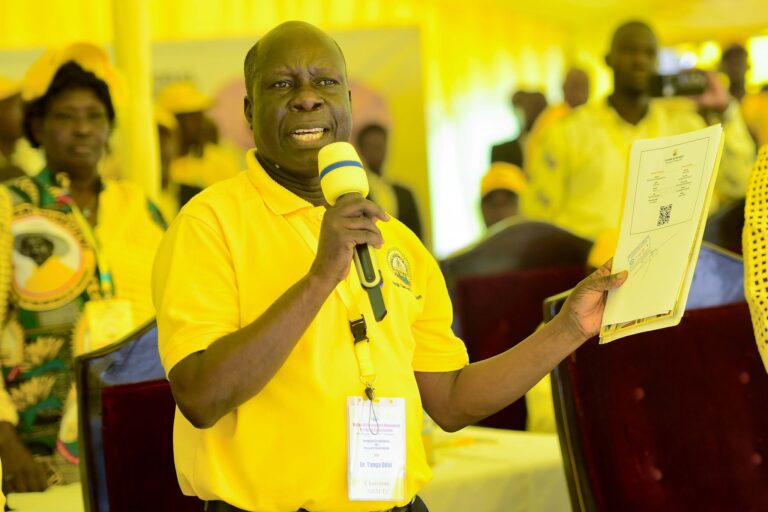
As the National Resistance Movement (NRM) prepares for its highly anticipated primary elections tomorrow, July 17, 2026, to select flag bearers for the 2026 general elections, a dark shadow hangs over the process: the party’s well-documented history of electoral violence, vote rigging, and outright theft. The ongoing campaigns have already been marred by incidents of lawlessness, raising critical questions about the NRM’s commitment to democratic principles and the integrity of its internal processes.

Is NRM a Violent Political Party?

While the NRM officially espouses democratic ideals, the pervasive nature of violence and malpractice during its internal elections has led many observers to question whether it has become an inherent characteristic of the party’s political culture. Critics argue that the repeated patterns of intimidation, voter bribery, ballot stuffing, and even physical assaults are not isolated incidents but rather symptoms of a systemic problem.

The high stakes involved in securing the party’s flag, often seen as a direct path to victory in many constituencies due to the NRM’s dominance, fuels aggressive competition. This, combined with perceived impunity for perpetrators and a winner-take-all mentality, creates an environment where candidates and their supporters resort to illicit means to gain an advantage. It’s less about the party’s ideology being violent and more about a political system and internal party discipline that have evidently failed to curb electoral thuggery.

How NRM Electoral Violence Undermines Democracy

The repercussions of such electoral misconduct extend far beyond the party’s internal affairs, deeply eroding the foundations of Uganda’s nascent democracy.

Erosion of Trust: When primaries are marred by violence and fraud, they undermine public trust in the entire electoral system, not just the NRM’s internal processes. Voters become disillusioned, deterred from participating, and lose faith in the legitimacy of their representatives.

Disenfranchisement: Violence and intimidation directly suppress voter turnout. Citizens, fearing for their safety, may choose to stay home, effectively disenfranchising themselves. Candidates who might genuinely represent the people’s will can be intimidated out of the race.

Weakening the Rule of Law: A consistent failure to prosecute electoral offenders fosters a culture of impunity. When those who break electoral laws face no consequences, it sends a message that illegal actions are permissible, further weakening the rule of law in the broader society.

Setting a Dangerous Precedent: The NRM, as the ruling party, sets the tone for the nation’s political landscape. If its internal elections are plagued by violence and malpractice, it normalizes such behaviour, making it harder to condemn or prevent similar incidents in national general elections.

Undermining Internal Party Democracy: A party that cannot conduct fair internal elections risks alienating its own members, stifling internal dissent, and preventing genuine leadership from emerging. This ultimately weakens the party itself and its capacity to serve the nation.

Can NRM Avoid Violence?

For tomorrow’s polls, the NRM faces an immense challenge to break from its past. While the party leadership has often issued stern warnings against malpractices, their effectiveness has been limited by a perceived lack of decisive enforcement. With violence already reported during the campaign period, the prospects of a completely peaceful and fair process appear slim without a drastic, last-minute intervention.

Avoiding violence tomorrow would require an unprecedented level of commitment from the party’s top echelons – including clear, unambiguous directives against any form of electoral crime, swift and visible action against perpetrators, and robust security deployment that is genuinely impartial. However, the deeply entrenched nature of these issues makes immediate, radical change difficult.

How NRM Can Avoid Violence in Its Electoral Process

For the NRM, or any dominant political party, to genuinely purge violence from its electoral processes, a multi-faceted and determined approach is essential:

Genuine Political Will and Leadership: The most crucial factor is an unequivocal commitment from the very top leadership to stamp out violence and malpractice, regardless of who the perpetrators are. This commitment must translate into action, not just rhetoric.

Strict Enforcement and Sanctions: Implement clear, enforceable disciplinary measures for those found engaging in violence, rigging, or intimidation, regardless of their political standing or perceived influence. Impunity must end, and high-profile prosecutions would send a powerful deterrent message.

Transparent and Accountable Processes: Ensure voter registers are clean and publicly accessible, voting materials are secured, and results tabulation and transmission are open to scrutiny by all stakeholders. The internal electoral commission must be perceived as truly independent and impartial.

Impartial Security Forces: Deploy security personnel who are well-trained in crowd control, electoral law, and human rights. Crucially, they must act professionally and impartially, protecting all participants and upholding the law rather than being seen as partisan enforcers.

Effective Internal Dispute Resolution: Establish credible internal mechanisms for candidates to lodge complaints and resolve disputes peacefully before they escalate into violence. These mechanisms must be seen as fair, timely, and binding.

Civic Education and Sensitization: Educate party members, candidates, and the public on the importance of peaceful and fair competition, emphasizing that elections are a contest of ideas, not physical prowess.

De-escalation Strategies: Develop rapid response teams and communication channels to address potential hotspots and de-escalate tensions before they erupt into violence.

Post-Election Audits and Reviews: Conduct thorough post-election reviews to identify weaknesses and prosecute offenders, ensuring continuous improvement and accountability.

Tomorrow’s NRM primaries are more than just an internal party affair; they represent a significant test for Uganda’s democratic journey. The ability of the NRM to conduct a credible, peaceful, and fair election will send a powerful message about its commitment to democratic values, both internally and to the nation at large. Failure to do so risks further entrenching a culture of impunity and undermining the very principles upon which legitimate governance is built.
MONEY RELEASED: How government will spend UGX17.2 trillion released for Q1 of FY2025/26 by finance ministry

0

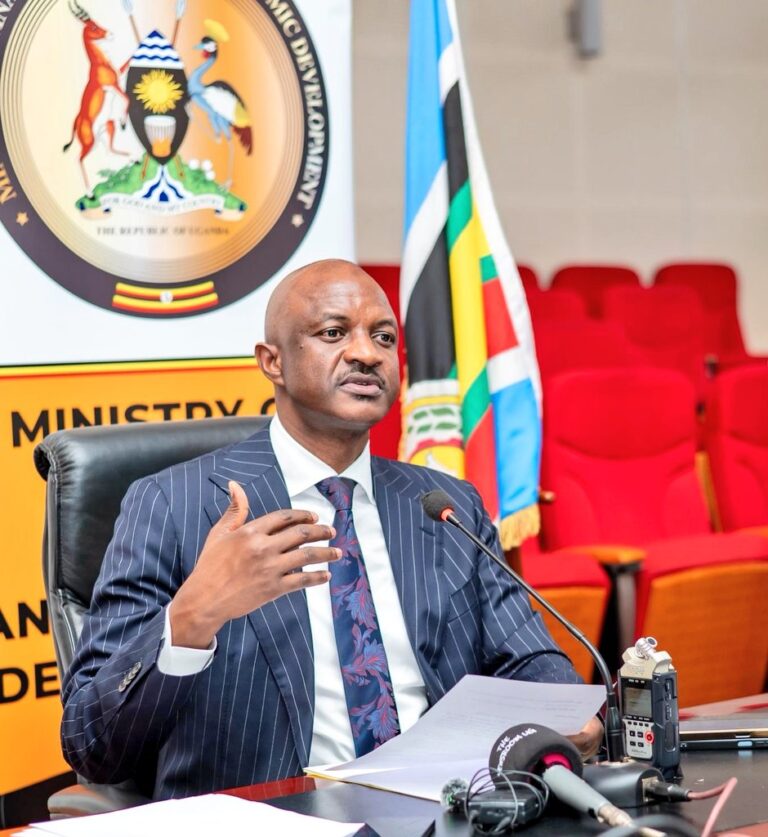
Ministry of Finance, Planning and Economic Development has released Shs 17.18 trillion for the first quarter (July–September) of the Financial Year 2025/26, representing 23.7% of the approved national budget. The announcement was made on Tuesday during a press briefing by Ramathan Ggoobi, the Permanent Secretary and Secretary to the Treasury.

The Q1 release follows the approval of a Shs 72.38 trillion national budget aimed at supporting Uganda’s Ten-Fold Growth Strategy, with significant focus on Agro-industrialization, Tourism, Mineral development, and Science, Technology and Innovation (ATMS), along with the security and infrastructure sectors.

Economic Resilience and Growth Outlook

Ggoobi highlighted Uganda’s continued economic resilience, with real GDP growth averaging 6.9% in the last financial year and projected to reach 7% in FY 2025/26. In nominal terms, the economy expanded to Shs 226.34 trillion (USD 61.3 billion), up from Shs 203.71 trillion in FY 2023/24.Inflation remains within the Bank of Uganda’s 5% target, standing at 3.9% in June 2025. Meanwhile, the Uganda Shilling appreciated by 1.3% against the US dollar during the same month, attributed to increased exports, remittances, and offshore investments.

Export Surge and Reduced Trade Deficit

Uganda’s export earnings grew significantly, with Q3 FY 2024/25 exports reaching USD 2.6 billion — a 39.1% increase from the previous year. This was driven by higher volumes and global prices of commodities like coffee and cocoa. The trade deficit narrowed to USD 461.15 million, down from USD 757.48 million the previous year.

Foreign direct investment rose to USD 785.79 million in Q3, marking a 26.3% increase, while remittances surged to USD 304.48 million. International reserves improved to USD 4.3 billion, equivalent to 3.8 months of import cover.

Sectoral Allocation of Q1 Funds

The Q1 expenditure limits are divided among key sectors as follows:

Security: Shs 719.12 billion to Ministry of Defence; Shs 130.73 billion to Uganda Police; Shs 108.38 billion to State House.

Infrastructure: Shs 1.08 trillion to Ministry of Works and Transport, including Shs 942.90 billion for contractor payments. The Ministry of Energy received Shs 420.76 billion, and Kampala Capital City Authority was allocated Shs 148.32 billion.

Human Capital Development:

* Ministry of Health: Shs 262.88 billion

* Ministry of Education and Sports: Shs 143.75 billion

* Public Universities and institutions: Shs 157.73 billion

* National Medical Stores: Shs 173.96 billion

* Ministry of Gender, Labour and Social Development: Shs 118.23 billion

* Uganda Cancer and Heart Institutes: Shs 80.18 billion

* Referral hospitals: Shs 40.99 billion

* Local Governments: Shs 382.03 billion

ATMS Programmes:

* Agro-industrialization: Shs 215.28 billion

* Tourism: Shs 20.5 billion

* Minerals and Oil & Gas: Shs 26 billion

* Science and Innovation: Shs 139.13 billion, including Shs 33 billion for artists

Revenue Agencies: Uganda Revenue Authority (Shs 114.9 billion), URSB (Shs 9.71 billion), National Citizenship & Immigration (Shs 40.43 billion), and UNBS (Shs 26.44 billion).

Accountability Measures

Ggoobi urged Accounting Officers to prioritize timely payments to avoid arrears, ensure all contracts are executed in Ugandan Shillings, and refrain from unauthorized recruitments. He also emphasized the importance of convening Finance Committee meetings to align spending with approved budgets. “Our main objective is to promote technical efficiency by ensuring all government institutions deliver better services to Ugandans at the lowest cost,” said Ggoobi.

BOBI WINE: “We must build a country where the law serves the people” because “no one is ever safe in a lawless nation”

0

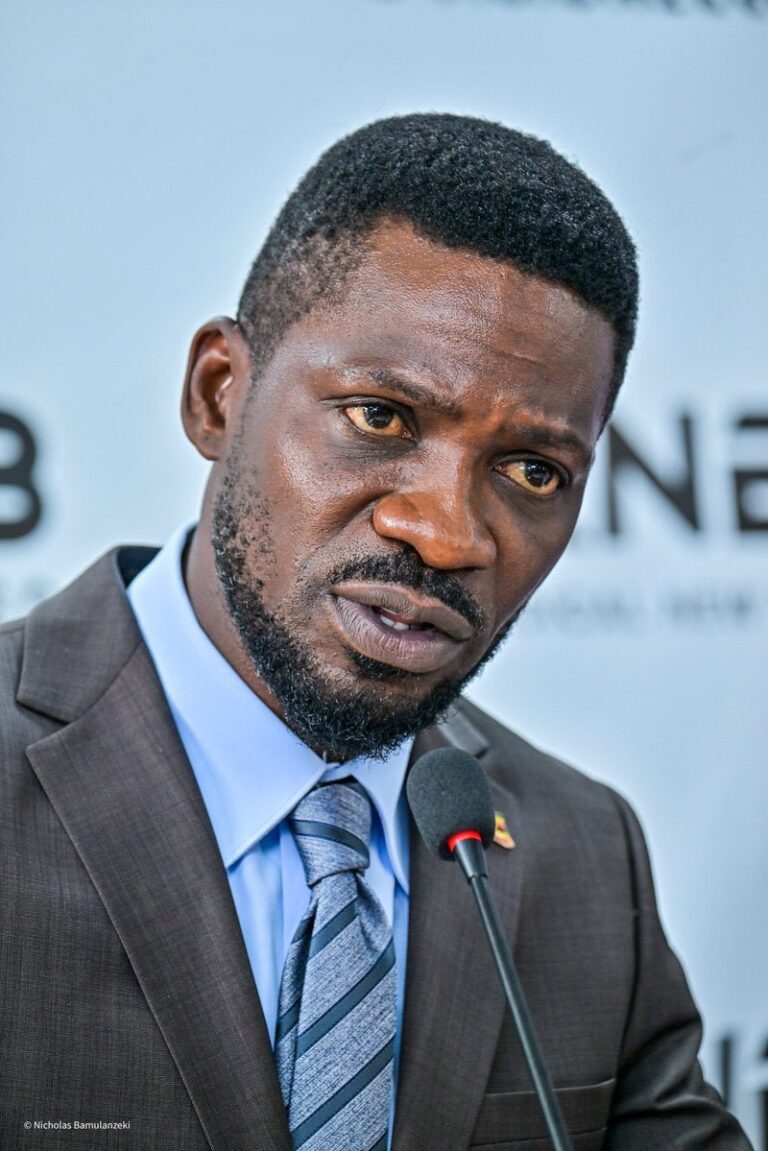
In a powerful address to the Uganda Law Society (ULS) on Tuesday morning, Robert Kyagulanyi Ssentamu, also known as Bobi Wine, the president of the National Unity Platform (NUP), issued a clarion call to the nation’s legal fraternity: to reorient the justice system to serve the populace rather than entrenching existing power structures.

Kyagulanyi’s keynote speech was an unequivocal demand for lawyers to reclaim their foundational role in building a just society. He stressed that their specialized training and profound knowledge place them at the very heart of this objective, warning that “their inaction amidst oppression makes them complicit.” Underscoring the perilous nature of a compromised legal system, he invoked the chilling example of former Chief Justice Ben Kiwanuka, stating, “No one is ever safe in a lawless nation and we have the example of none other than former Chief Justice Ben Kiwanuka to demonstrate that.”

The NUP leader used the platform to deliver a scathing critique of Uganda’s judicial system, accusing it of actively contributing to the country’s alarming prison congestion. He highlighted a pervasive pattern where suspects’ rights are systematically abused, and they are then remanded without proper trial, effectively turning the courts into instruments of detention rather than justice.

Kyagulanyi boldly denounced what he termed “judicial cowardice masked as ‘legal doctrine’,” behind which judicial officers have, since independence, repeatedly “hidden to sanitize and legitimize military dictatorship, fraudulent elections and human rights abuses.” This, he argued, has eroded public trust and perpetuated cycles of impunity.

A significant portion of his criticism was directed at specific legal doctrines that he believes have been weaponized to subvert democracy. He specifically critiqued the ‘Political Question Doctrine’ and the ‘Substantiality Test,’ which he noted the Supreme Court has on numerous occasions relied upon to dismiss what he described as “mind-bending evidence of vote rigging and electoral violence against dictator Museveni.”

Kyagulanyi dissected the absurdity of the ‘Substantiality Test,’ explaining its detrimental impact on electoral justice: “Even when the judges know that any single act of rigging, however big or small, was done precisely to alter the final result; even when they know that no one rigs an election for the sake of rigging it but to win it; and even when they know that State-led electoral malpractice undermines the credibility of the entire process and result, they still go ahead to say it was not ‘substantial’.”

He concluded with a poignant observation about the underlying motivation for such rulings: “In other words, they would rather feel ‘safe’ than uphold their judicial oath.”Bobi Wine’s address served as a powerful reminder of the immense responsibility vested in the legal profession. His appeal to the Uganda Law Society is a direct challenge to its members to choose courage over comfort, and to actively champion the rule of law as a shield for the people, not a sword for those in power. The future of Uganda’s democratic aspirations, he implied, hinges significantly on their response to this critical call.

LUUKA DISTRICT: “Prioritize our future, end abuses,” children petition government

0

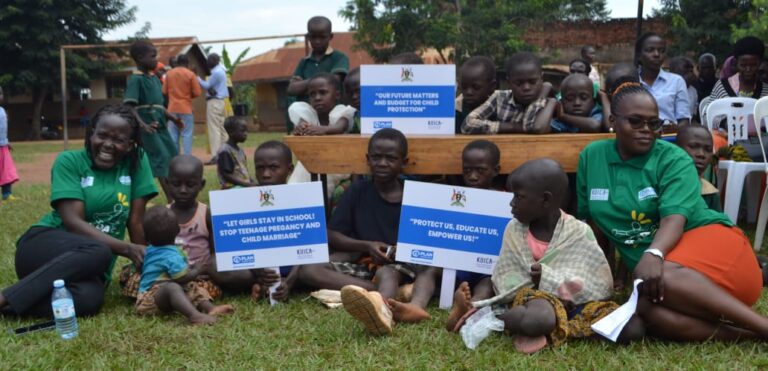
Children in Luuka District have formally petitioned the government, both local and national, demanding urgent prioritization of their needs in planning and budgeting, and a concerted effort to combat rampant child abuses. The powerful plea was made during the recent Day of the African Child celebrations held at Nakabugu Primary School, under the poignant theme: “Planning and Budgeting for Childcare and Protection.”

The event served as a critical platform for young voices, highlighting the pressing need for districts to integrate children’s welfare, including adolescent-friendly, gender-responsive, and inclusive sexual reproductive health services, into their core planning and budgeting processes.

Speaking through the Nakabale Primary School Children’s Advocacy Club, the young petitioners articulated their aspirations and demands with clarity and conviction. “As children we want to grow up healthy, educated and safe to achieve our dreams and full potentials. We therefore demand that during planning and budgeting whether at home, district or national levels, please prioritize children’s needs to secure and protect our future,” they asserted in their collective presentation.

Among the critical issues highlighted in their petition were the escalating rates of teenage pregnancies, defilement, and early marriages. The children tragically pointed out that these abuses are often perpetuated by parents who view their daughters as “economic assets,” negotiating their futures away for financial gain.

Their demands extended to strengthening community protection systems and legal frameworks to safeguard them from violence and exploitation. The children also called for a fundamental shift in harmful community and cultural practices, alongside the provision of basic necessities such as mid-day school meals, scholastic materials, and essential sanitary pads for girls, which are crucial for their continued education and well-being.

Reinforcing the urgency of the children’s plea, Vincent Njeho, a Project Officer with Plan International KOICA, urged leaders, parents, and communities to heed their cries. “The future of children matters. Let us focus, listen and respond to the children’s inner voices for protection, education and empowerment and collectively fight off these vices of teenage pregnancies, early marriages and other forms of child abuse until we are all equal,” Njeho passionately raised.Responding to the impassioned pleas, Luuka LCV Chairperson Simon Wakaze acknowledged the validity of the children’s concerns and pledged government support. Wakaze conceded that while Uganda possesses “adequate legislations” for child protection, the primary challenge lies in weak implementation and enforcement.

He highlighted existing governmental structures, stating that “we have designated structures with all vice chairpersons designated as secretaries for children.” Wakaze also revealed that Plan International, through KOICA, has facilitated the development of a children’s by-law specifically addressing child labor and teenage pregnancies in the district. Furthermore, he assured the children that the local government has this financial year “at least put provisions for children welfare to help them stay in schools and curb child labor,” demonstrating a budgetary commitment to their safety and education.

The Luuka children’s petition serves as a powerful reminder of the imperative to center young voices in development discourse. It underscores the broader challenge to districts to prioritize child-friendly, gender-responsive, and inclusive services in their planning and budgeting processes, ensuring a healthier, more protected future for the nation’s youth.

KADAGA’S FUTURE: Is Moses Magogo’s retirement advice a loving gesture or a political strike?

0

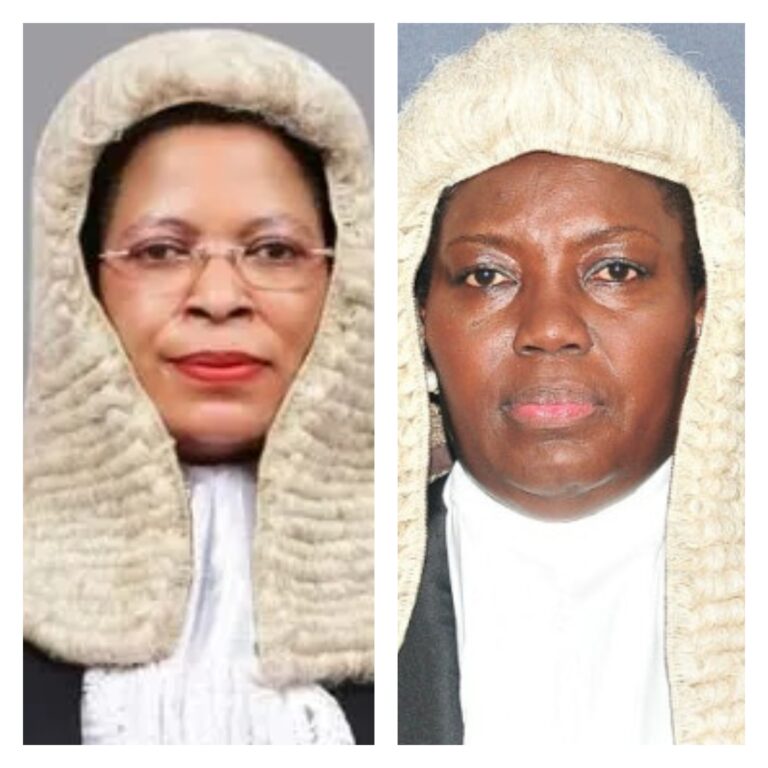
In a move that has sent ripples through Busoga’s political landscape, the Member of Parliament for Budiope East, Eng. Moses Magogo, has publicly advised people close to former Speaker of Parliament and Kamuli District Woman Member of Parliament, Rebecca Alitwala Kadaga, to encourage her to retire from active politics. Magogo’s unvarnished comments, made during a talk show on Baba FM in Jinja, have sparked debate, particularly given the escalating political rivalry involving his wife, the current Speaker, Anita Annet Among.

Magogo’s take is framed as compassionate counsel. “A person who loves Kadaga like me would advise her to rest and become an advisor! Those who don’t love her are the ones encouraging her to stay in active politics,” he asserted, suggesting that Kadaga is now ripe to become an advisor instead of contesting for political office at a national level.On the surface, Magogo’s statement could be interpreted as a genuine concern for a long-serving, highly decorated political figure. Rebecca Kadaga has been a towering presence in Ugandan politics for decades, serving as Speaker of Parliament for ten years and holding various ministerial positions before that. Her extensive experience naturally lends itself to an advisory role, often seen as a dignified way for seasoned politicians to transition out of the cut-and-thrust of electoral politics.

However, this advice cannot be viewed in isolation from the intense political undercurrents currently at play within the ruling National Resistance Movement (NRM) party. Moses Magogo’s wife, Anita Annet Among, is locked in a heated contest with Rebecca Kadaga for the influential NRM Central Executive Committee (CEC) second Vice Chairperson (Female) position. This pivotal party election is set to take place in August, and both women have already kicked off nationwide campaigns, often exchanging subtle – and sometimes not so subtle – jibes in their tactical approaches to woo voters.

In this context, Magogo’s “loving advice” takes on a distinctly strategic flavour. By suggesting Kadaga should retire and assume an advisory role, he implicitly argues that her time as an active competitor for high-level political office, particularly within the NRM party structure, should come to an end. This would, by extension, clear the path for new leadership, including potentially his wife, Anita Among, in the CEC race.

The NRM CEC is a powerful decision-making body within the party, and securing a position there translates directly into significant political influence and proximity to the party chairman, President Yoweri Museveni. For both Kadaga and Among, winning this seat is crucial for consolidating their power bases and shaping the future direction of the party.

Magogo’s comments, therefore, can be seen as a calculated move in this political chess match – an attempt to influence public perception and perhaps even sway party delegates by framing Kadaga’s continued active campaigning as an act encouraged by those who “don’t love her,” implying it’s against her best interests or legacy. It subtly suggests that her era of direct electoral competition might be drawing to a close, making way for a new generation of leaders.

The “interesting take” here lies in the duality of Magogo’s message. Is it truly a heartfelt recommendation for a veteran politician to enjoy a graceful exit, or is it a sharp, strategic jab aimed at weakening an opponent in a high-stakes political battle? For many observers, given the direct familial link to one of Kadaga’s main rivals, the latter interpretation holds significant weight. As the August party elections draw nearer, such tactical pronouncements are likely to become even more frequent, underscoring the fierce competition shaping the future of Uganda’s political elite.

A CALL TO ACTION: Dhamuzungu champions youth Talent, unity at a concert in Bugaya, Budiope East

0

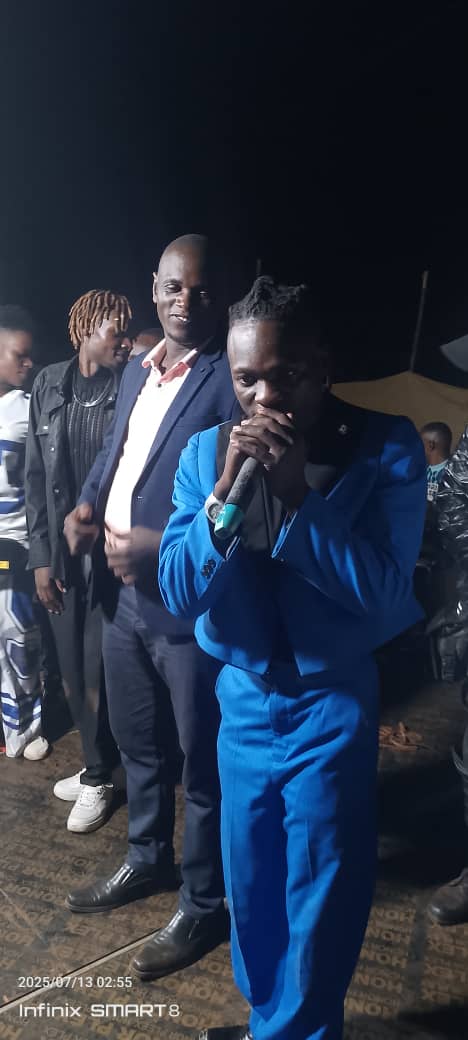
In a powerful display of community leadership and commitment to youth development, Dhamuzungu Geoffrey, the former Member of Parliament for Budiope East, has called for increased talent development and unity among the youth.

His impassioned plea came during the Ndimugwagwa concert, a vibrant event organized by local music sensation Isima Mbago, popularly known as Pawa Magic, held at Butaswa trading center in Bugaya sub-county, Buyende district.

Addressing a enthusiastic crowd, Dhamuzungu, renowned as the principal for Team TWEYAMBE BEENE, emphasized the critical role of grassroots support in fostering young talent.

He appealed to the public to consistently support their own sons and daughters who emerge with unique talents, asserting that such support, whether financial or moral, is a potent weapon against poverty and a deterrent against negative social habits plaguing the youth.

“It is through our collective support that these young talents can flourish,” Dhamuzungu stated.

“When we invest in their abilities, we are not just investing in an individual; we are investing in a future free from the shackles of poverty and the dangers of idleness.”

Demonstrating his commitment, Dhamuzungu personally extended a tangible gesture of solidarity, handing over Uganda Shillings Five Hundred Thousand to Pawa Magic.

This act served as a clear sign of his dedication to supporting youth talents and encouraging their entrepreneurial spirit.

Beyond community engagement, the former legislator also extended a direct challenge to his fellow politicians.

He urged them to join hands in the active promotion and funding of youth projects across various disciplines, including football, netball, athletics, music, dance, and drama.

His call highlights the need for a collaborative approach between leaders and the community to create sustainable pathways for youth empowerment.

Dhamuzungu was flanked by Mbiira Mugabi Eric, the NRM Chairman for Kamuli Municipality, who echoed similar sentiments.

Mugabi also urged the community to embrace hard work as a cornerstone for a brighter future. He too demonstrated his commitment by contributing Uganda Shillings One Million to Pawa Magic, further solidifying the message of leadership support for local talent.

The Ndimugwagwa concert served not only as an entertainment hub but also as a platform for a crucial discussion on youth empowerment and the collective responsibility of the community and its leaders in nurturing the next generation.

The appeals from Dhamuzungu and Mbiira Mugabi underscore a growing recognition of the untapped potential within Uganda’s youth and the urgent need for strategic investment in their talents for national development.

MTN BUSOGA MASAZA CUP 2025: Full first round fixtures, results, and home grounds

0

The 2025 edition of the MTN Busoga Masaza Cup kicked off over the weekend in thrilling fashion, with exciting clashes and big wins already lighting up the tournament. Busoga times brings you a comprehensive look at fixtures, results, and confirmed home grounds for each of the 14 participating chiefdoms.

Fixtures & Results
Matchday 1 – Saturday, 12th July 2025
Budiope 0–2 Bukono
Venue: Irundu Township Church of Uganda Primary School Grounds

Matchday 1 continues – Saturday, 19th July 2025
Butembe vs Kigulu
Namagera Town Council Grounds

Bukooli Bugiri vs Bugabula
Hindocha Primary School Playground

Bunha vs Buzaya
Buluba Hospital Grounds

Sunday, 20th July 2025
Busiki vs Bukooli Namayingo
Kisiki College, Namutumba

Bunhole Bunanhumba vs Bugweri
Bugade Primary School Grounds

Matchday 2 – Saturday, 26th July 2025
Bukooli Namayingo vs Butembe
Namayingo Primary School Grounds

Bugweri vs Bukono
Busesa Primary School Playground

Kigulu vs Busiki
Iganga Saza Ground

Match day 2 continues, Sunday, 27th July 2025
Budiope vs Bunhole Bunanhumba
Irundu Township COU Primary School

Luuka vs Bukooli Bugiri
Busalamu Primary School Playground

Bulamogi vs Bunha
Kasokwe Primary School Playground

Matchday 3 – Saturday, 2nd August 2025
Busiki vs Butembe
Namutumba Primary School Playground

Bukono vs Bunhole Bunanhumba
Ivukula Subcounty Playground

Bugabula vs Luuka
Kamuli Municipal Stadium

Matchday 3 continues – Sunday, 3rd August 2025
Buzaya vs Bulamogi
Lwanyama Primary School Grounds

Kigulu vs Bukooli Namayingo
Iganga Saza Ground

Bugweri vs Budiope
Busesa Mixed Primary School Grounds

All matches begin at 4:00 PM.

Confirmed Home Grounds for Each Team
Butembe – Namagera Town Council Grounds

Bukono – Ivukula Subcounty Playground

Kigulu – Iganga Saza Ground

Bunha – Buluba Hospital Grounds

Busiki – Kisiki College & Namutumba Primary School

Buzaya – Lwanyama Primary School Grounds

Bugabula – Kamuli Municipal Stadium

Bugweri – Busesa Primary School Grounds

Bunhole Bunanhumba – Bugade Primary School Grounds

Bukooli Bugiri – Hindocha Primary School Grounds

Bukooli Namayingo – Namayingo Primary School Grounds

Luuka – Busalamu Primary School Grounds

Bulamogi – Kasokwe Primary School Grounds

Budiope – Irundu Township COU Primary School Grounds

Group Standings (After Matchday 1)
Nhendha Hill Group
Butembe

Busiki

Kigulu

Bukooli Namayingo

Mawembe Hill Group
Bukono – 3 pts

Bunhole Bunanhumba – 0 pts

Bugweri – 0 pts

Budiope – 0 pts

Bukowe Hill Group
Bugabula

Luuka

Bukooli Bugiri
(All yet to play)

Kagulu Hill Group
Buzaya

Bulamogi

Bunha
(Games coming up)

The MTN Busoga Masaza Cup continues to be a festival of local talent, pride, and competition. With fixtures lined up every weekend, fans are guaranteed more thrilling action. Follow Busoga Times for daily updates, match reports, and fan highlights and engagements.

Uganda mourns the passing of legal titan and constitutional champion, Justice Professor George Kanyeihamba

0

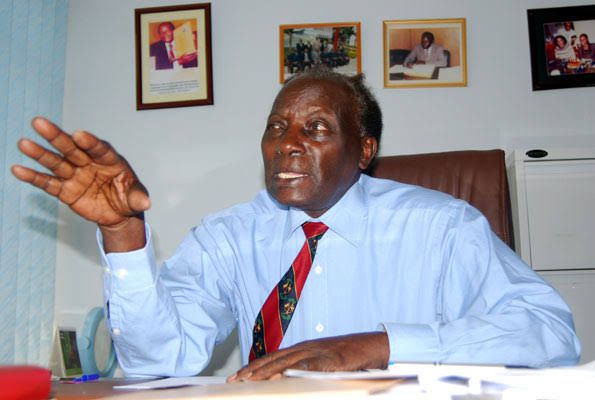
Uganda is in mourning following the passing of Justice Professor George Kanyeihamba, a towering figure in the nation’s legal and academic landscape. Widely revered as one of Uganda’s most distinguished jurists, a relentless advocate for constitutionalism, and an inspiring mentor, Justice Kanyeihamba’s illustrious career, spanning decades, was marked by an unwavering commitment to justice, human rights, and the rule of law.

Born George Wilson Kanyeihamba on August 11, 1939, in Kinaba, Kinkizi District, Kigezi Region, he was the last-born of eleven children. His academic journey began at various local institutions including Hamurwa Church School, Nyaruhanga Anglican Church Primary School, Nyakatare Church School, Kigezi High School, and Busoga College Mwiri, before progressing to Norwich City College and then a Bachelor of Laws from Portsmouth University.

A scholar of immense repute, Justice Kanyeihamba held a PhD in Law from the University of Warwick, awarded in the 1970s, underscoring his profound legal scholarship. His alma mater further honored his contributions to the legal field by bestowing upon him an honorary Doctor of Laws (LLD) in 2008.

As a revered Professor of Law, he shaped countless minds, imparting not only legal knowledge but also a deep sense of ethical responsibility and the courage to uphold justice. His academic contributions, particularly in constitutional law, were immense, authoring influential texts and articles that remain foundational to legal discourse in Uganda and beyond.

His appointment to the Supreme Court of Uganda in 1997, where he served with distinction until his retirement in November 2009, was a testament to his legal prowess, profound integrity, and independent spirit. On the bench, Justice Kanyeihamba was known for his incisive judgments, his unwavering commitment to the principles of the constitution, and often, his courageous dissenting opinions. These opinions frequently championed individual liberties, good governance, and accountability, cementing his reputation as a voice of reason and principle, particularly during challenging times.

Beyond the judiciary and academia, Justice Kanyeihamba’s service to the nation was extensive and impactful. He played a critical role in shaping modern Uganda, notably by chairing the Legal Committee of the Constituent Assembly, which was instrumental in drafting the landmark 1995 Constitution – a foundational document for the nation’s governance. His extensive public service also included holding key ministerial portfolios as Minister of Commerce, Minister of Justice, and Attorney-General, as well as serving as a Member of Parliament.

Throughout these roles, he consistently advocated for democratic reforms, the strengthening of legal institutions, and was a fearless critic of injustice and an outspoken proponent of human rights, never shying away from speaking truth to power.

Justice Professor George Kanyeihamba’s legacy is etched deeply in the jurisprudence of Uganda, the minds of his countless students, and the principles he tirelessly upheld. He will be remembered not only for his intellectual brilliance and legal acumen but also for his moral courage, profound integrity, and unwavering dedication to the service of his nation.

Uganda has truly lost a national treasure, a dedicated public servant, and an intellectual giant whose contributions will forever resonate in the halls of justice and academia. Justice (rtd.) Prof. George Kanyeihamba’s legacy of integrity, intellectual rigor, and tireless dedication to the rule of law will be profoundly missed by the legal fraternity, the academic community, and the people of Uganda. His contributions have left an indelible mark on the nation’s legal and political landscape.

He is survived by his beloved family, to whom we extend our deepest condolences during this period of immense loss.

BUSOGA SUBREGION: The decisive battleground in high-stakes NRM CEC race between Kadaga and Anita Among

0

The race for the National Resistance Movement (NRM) Central Executive Committee (CEC) Second Vice-Chairperson (Female) seat has narrowed down to a fierce contest between veteran politician Rebecca Alitwala Kadaga and rising star Anita Annet Among. But beyond the national political arena, the true battleground, and indeed the political and emotional backbone for both candidates, lies firmly within the Busoga Sub-Region.

This pivotal sub-region, a political hotspot known for its historical oscillations, is seen as a litmus test for internal party solidarity and a critical source of political endorsement. Both contenders are leveraging Busoga’s unique dynamics to solidify their bids, making it the central stage where their narratives, development agendas, and allegiances will either be affirmed or challenged.

The “Mama Busoga” Factor

Rebecca Kadaga’s campaign is deeply rooted in her long-standing connection to Busoga. Born in Kamuli, she boasts decades of representation as the Kamuli District Woman MP, cultivating deep local roots. Accurately branded “Mama Busoga,” Kadaga is renowned for her ability to rally the sub-region, from grassroots zones like Mbulamuti to district levels.

Her influence extends to tangible initiatives, including voter register integrity drives, polling station oversight, and championing national infrastructure projects such as the critical Jinja–Buyende corridor. In Busoga, Kadaga is more than just a candidate; she embodies the incumbent voice of authority, viewed by many local leaders as an anchor of stability.

Strategic Swing Region

Busoga’s political history reveals a tendency to swing, a characteristic that makes it a critical battleground for the NRM. The 2021 general elections saw a significant shift, with 8 of 11 districts in the sub-region reportedly shunning President Museveni – a result that sent ripples through NRM strategists. This outcome was largely attributed to internal disunity and perceived weaknesses in party structures.

Kadaga’s message to the region heavily emphasizes unity, with her advocates arguing that sidelining her from key decision-making forums risks further disenfranchising Busoga and widening existing rifts. For the NRM, Busoga is not merely a geographic entity; it is a crucial litmus test for internal solidarity and the party’s ability to garner political endorsement ahead of future elections.

Development Agendas

Both candidates have tailored their campaigns to address the pressing development needs of Busoga, promising tangible improvements to livelihoods.

Kadaga’s Blueprint: Kadaga has championed economic corridor initiatives, such as the tarmac roads connecting Jinja and Buyende, alongside advocating for infrastructure to boost youth employment. Her work has extended to spearheading grassroots economic activities, including Village Voter Registration (VVR) drives, agricultural mentorship programs, and local dialogues aimed at addressing insecurity.

Among’s Promise: Anita Among, while not originally from Busoga, has campaigned vigorously across districts like Bugiri, Iganga, and Mayuge, focusing on poverty alleviation and uplifting local livelihoods. Significantly, she has promised to extend the successful model of her Bukedea Comprehensive School into Busoga and has committed to the reopening of Busoga University in August – projects with immense local appeal. Among has also been lauded for her efforts in fostering inclusion, notably bringing former FDC leaders into the NRM fold, signaling a focus on unity and broader local conversion.

Regional Representation & Identity

The contest also revolves around the crucial aspect of regional representation and identity within the NRM. Kadaga’s supporters contend that her removal from the CEC would effectively disenfranchise Busoga, diminishing its national voice and influence.

Conversely, Among’s backers portray her as the “next-generation leader” with a broader, cross-regional appeal and a unique capacity to bridge the legislature with the party structures. The significance of Busoga’s representation is so profound that there has even been speculation about President Museveni considering an affirmative CEC slot specifically for the sub-region, regardless of the outcome of this particular race.

Rivalry Reflected in Sub-Regional Politics

The competition between Kadaga and Among transcends personal ambition, mirroring deeper ideological and factional divides within the NRM – specifically, between an emphasis on traditional loyalty (Kadaga) and calls for modernization and change (Among).

Kadaga has openly criticized alleged defections and sabotage by Among’s camp. In turn, critics accuse Kadaga of employing intimidation and divisive tactics to maintain her control. Among’s campaign has notably focused on strategic alliance-building, successfully converting prominent former FDC figures and convening district chairpersons, in a concerted effort to reassemble and fortify the NRM structure across Busoga.

Why Busoga Matters So Much

Electoral Leverage: Internal polls suggest Busoga’s NRM allegiance remains largely undetermined. The candidate who secures dominance in this sub-region stands to significantly influence the broader CEC balance of power.

NRM’s Credibility: The cohesion and unity within Busoga serve as a crucial bellwether for the NRM’s rural strength and its overall preparedness for the pre-2026 election period.

Strategic Visibility: Busoga’s historical under-representation has fueled persistent calls for an improved voice at the national level, a sentiment both candidates are deftly leveraging to validate their bids.

Final Word

Busoga isn’t merely a region; it is a microcosm of the NRM’s future. For Rebecca Kadaga, it represents loyalty, a long-standing legacy, and political survival. For Anita Among, it symbolizes transformation, unity, and forward momentum.

Their high-stakes battle for the Second Vice-Chairpersonship is, at its core, a profound contest for who gets to define Busoga – its narrative, its developmental trajectory, and its voice – within the ruling party.

This race is far more than a local skirmish; it could ultimately determine whether Busoga remains anchored in its historical roots or pivots toward a rebranded future under new leadership.

“LET ME DO MY JOB” – Coach Isa Kifuuwa slams interference after Budiope’s loss to Bukono in MTN Busoga Masaza Cup

0

Emotions ran high at Irundu Township Church of Uganda Primary School Grounds on Saturday as Budiope FC fell 2-0 to Bukono FC in the opening match of the 2025 MTN Busoga Masaza Cup. But the headlines after the final whistle weren’t just about the scoreline — they centered on Budiope head coach Isa Kifuuwa’s explosive post-match remarks.

The match, which followed a colorful official opening by His Majesty the Kyabazinga of Busoga, Dr. William Wilberforce Kadumbula Gabula Nadiope IV, was attended by a host of dignitaries including the Busoga Katukiro Dr. Joseph Muvawala, FUFA President Eng. Moses Magogo, and Sports Minister Owek. Prince Amin Bbosa Nkono, alongside officials from MTN Uganda and other football stakeholders.

Bukono Takes Charge

Bukono dominated the game with organized and clinical play. Emmanuel Nabola scored the opener in the 61st minute, and substitute Abel Muwola sealed the win with a stoppage-time strike.Reagan Mpande, wearing jersey number 14 for Bukono, was named Man of the Match, taking home a Kabode smartphone courtesy of the tournament sponsors MTN Uganda.

Kifuuwa Unleashes Frustration

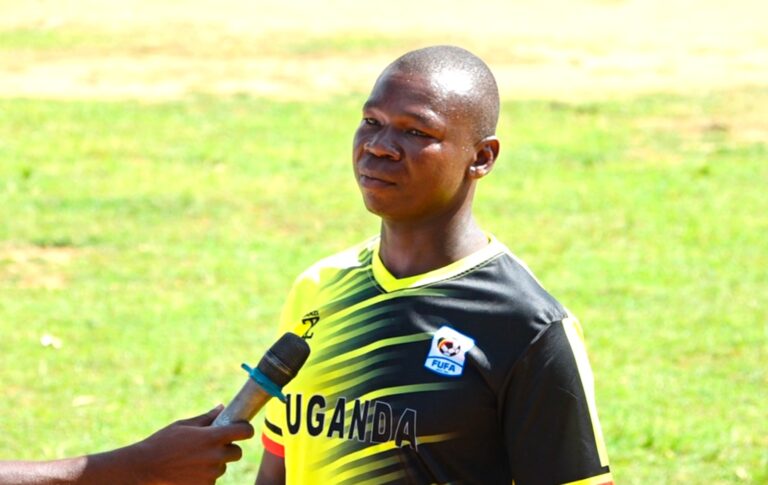
Following the defeat, Coach Isa Kifuuwa didn’t mince his words during a tense post-match interview. “Yes, it’s true we lost, but I need time and freedom to do my job. People hired me as coach but still want to dictate which players I use. That’s not how a team should operate,” he said firmly.

He also pointed to what he described as consistently poor officiating whenever Budiope plays. “That center referee again! Every game he handles involving Budiope ends in controversy. Today, we lost — but not fairly.”

Kifuuwa added that limited preparation time with his squad was also a factor in the poor performance. “I haven’t had enough time to train these boys together. But next game, with more control and preparation, expect a better result.”