Tuesday, March 17, 2026
Home Blog Page 52

ELECTORAL HISTORY IN UGANDA: What does it mean pushing a succession agenda simultaneously with organizing elections?

0

By Oweyegha-Afunaduula

The only extremely peaceful general elections that I ever observed in Uganda were those organised by the British Colonial Government in April 1962.

I was in Ikumbya Primary School in present-day Luuka District.In his effort to grow and develop my political attitudes my father, Charles Afunaduula Ovuma Ngobi Isabirye, decided that I should have an early impression of how peaceful elections are organized.

He took me to different polling stations in the then Luuka County of Busoga. What I immediately saw was that at every polling station a makeshift structure was erected in which the ballot box was placed.

The polling agent had a chair on which he sat, and a book of ballot papers and another of people who were to vote. There was one policeman to keep law and order.

I now remember that the policeman was a local administration policeman. The policeman searched the voter (s) to ensure they carried only the ballot paper given to them by the polling agent.

Whoever finished voting either stayed around or left to go and preoccupy himself or herself with other engagement. There was no thought of votes being reshuffles or pre-ticked ballot papers being stuffed in the ballot boxes. Every voter went into the makeshift structure alone and came out empty handed after voting.

The parties that were competing in the elections were the Democratic Party and the Uganda Peoples Congress. Members of the parties interacted well amongst themselves. The conclusion I made in my growing mind was that elections were supposed to be non-violent and peaceful. I grew up thinking that all future elections would be like those would be non-violent and peaceful.

The only elections I observed again were those organized by the National Resistance Movement government since 1996. I was not there when the elections were organised by the Uganda National Liberation Front (UNLF).

So the only elections I know are those of 1962 and 1996 to the present. One characteristic and recurrent feature of NRM organised is state-inspired violence.

Virtually all the elections, even by-elections have been violent. The most state-inspired violence in a by-election was that organised by NRM in North Kawempe Constituency.

Although I did not hear of deaths, which was the case in my Luuka District in 2020, when National Unity Platform (NUP) Presidential candidate, Ssentamu Kyagulanyi, was prevented from campaigning by State-inspired violence. This resulted in numerous people being killed, maimed and kidnapped. Many families claim they have not seen their people since then.

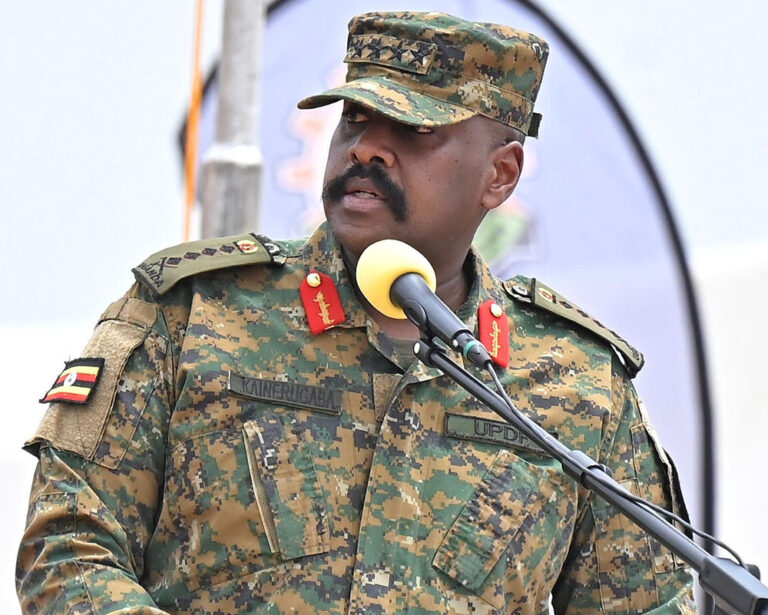
Uganda is being prepared for the 2026 Presidential and Parliamentary elections, simultaneously with the idea of General Muhoozi Kainerugaba succeeding his father in monarchical fashion.

The cardinal question is: Will the 2026 elections take place,and will they be as violent or more violent than the North Kawempe by-election?

A parallel question is: What does it mean pushing a succession agenda simultaneously with organising elections?

For God and My Country

.

SAVING A TRADITION: Bakenye meeting in Buyende to devise ways of reclaiming fishing rights

0

A high-profile meeting convened by the National Committee for the Formation of the Bakenye Cultural Leadership is sitting in Buyende at the district headquarters on 22nd March 2025 for the purposes of forming a subcommittee that will follow up on President Yoweri Museveni’s promise of recognising Bakenye as the indigenous fishers of Uganda.

The Buyende district LC5 chairperson, Michael Kanaku, one of the prominent Bakenye in the country, told Busoga Times in an interview that Museveni previously pledged to empower the Bakenye to lead Uganda’s fishing sector.

In a letter to all Bakenye, Musisi Jackson Igga, the Chairperson of the National Committee for the Formation of Bakenye Cultural Leadership, said this subcommittee will play a critical role in preparing Bakenye to engage with Museveni in May 2025, as part of the President’s commitment to empowering them to lead Uganda’s fishing industry.

This subcommittee will engage directly with the President’s office and other key stakeholders, advocating for both the fishing sector’s development and the broader interests of the Bakenye people.

Joel Kiraire, one of the young Bakenye who is expected to attend the meeting, told Busoga Times in an interview that he expects the meeting to task the elected committee to advocate and advise the government on the way forward as the cabinet is looking at returning the lake to the fishers.

Setup of the subcommittee

The subcommittee will consist of the Chairperson, who will be the overall leader of the team; Vice-Chairperson; Secretary-General; Treasurer; Regional Representatives (5 positions); Elders’ Representatives (2 positions); Fishing Sector Representatives (5 positions); Legal Advisors (2 positions); Women’s Representative (1 position); and Youth Representative (1 position).

Others are the Religious Leaders’ Representatives (2 positions); Political Leaders’ Representatives (2 positions); Business/Entrepreneurial Leaders’ Representatives (2 positions); Cultural and Heritage Representatives (2 positions); Social Affairs Representative (1 position); Public Relations Officer (1 position); and Coordinator of Youth and Women’s Affairs (1 position).

Musisi encouraged participants to prepare for the elections to fill these positions, saying, “It is crucial to elect individuals who are passionate, knowledgeable, and capable of advocating for the Bakenye community at all levels.

The subcommittee shall be responsible for advocacy, consultation, follow-up, advisory role, coordination, proposing sustainable solutions, expansion of membership, and creation of special task forces/subcommittees.

Army on the lake is not the solution

Kanaku said that the president (Museveni) has had a struggle on the lake for many years without success. “He has tried to use Ministry of Agriculture, Animal Industry and Fisheries (MAAIF); things have failed. MAAIF worked with the Beach Management Units (BMUs); things were not working very well. He thought he would use the army; things are failing to work,” he stated.

“Ever since the economics of fishing demanded that even somebody who knows nothing about fish can get any gear to get fish from the lake and get money, things turned bad. There is now almost total extinction of fish in the lakes. Even people who don’t eat fish are fishing for commercial purposes, not because of their love and respect for fish and the lake.

Kiraire grieved that much as the army was brought on lakes to protect and conserve fish from bad fishing that threatened depletion of fish, it has done more harm than good to the people who earn their livelihood from water bodies. He said that many of the Bakenye have lost lives during the army operations. The total shutdown of fishing has rendered our people jobless; they have experienced the highest level of poverty, he added.

Bakenye, the tribe

Kanaku explained that the Bakenye are a tribe recognised in the constitution of Uganda. He revealed that Buyende has the highest population of Bakenye in the whole country. It is only in Buyende district where you get a whole parish when the population is 90% Bakenye – the parish of Ikanda, he noted.

He further revealed that Bakenye are traditionally fishmongers; they grew up with fish, eating fish, and they love fish. The Bakenye have two big organisations – the Bakenye Isaanga Development Association (BIDA) and the Bakenye Community Link (BCL). He said that at some level the two groups looked like competing, but now they are harmonising to work together.

He noted that the Bakenye people are spread across different parts of the country after being dispersed by previous insurgencies like the Teso rebellion.

Kiraire notes that the Bakenye have lacked a voice in terms of leadership, something that has cost them so much. “This is the main reason why we are organising to have a cultural leadership for the first time in the history of Bakenye. We hope that this cultural head will help us revive and restore and give direction to our cultural norms and values that have shrunk over the years,” he said.

“Even red ants organise themselves and have a leader or leaders. Why not us, the Bakenye, who have existed for over 230 years since our migration from Buganda during the Kabaka Jjungu and his brother Semakokiro war?”

“We are worried about the anticipated extinction of our language – Lukenye – since many of us live in the dominant tribes of Baganda, Basoga, Bateso, Bagwere, Banyore, etc. When you have no language, you have no tribe. The preservation of our language is key and very important, and we ought to create leadership to help see our language survive.”

LETTER TO MUSEVENI: Residents write to the President complaining about politicizing of education sector in Mayuge district

0

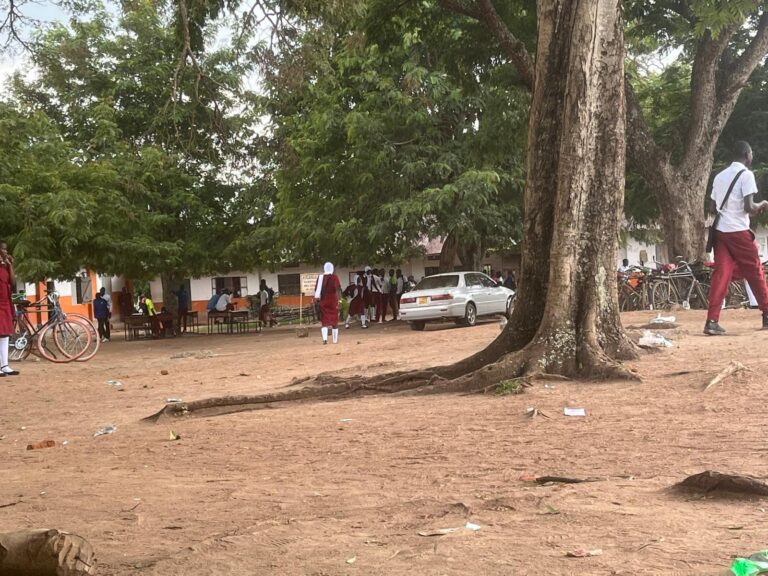
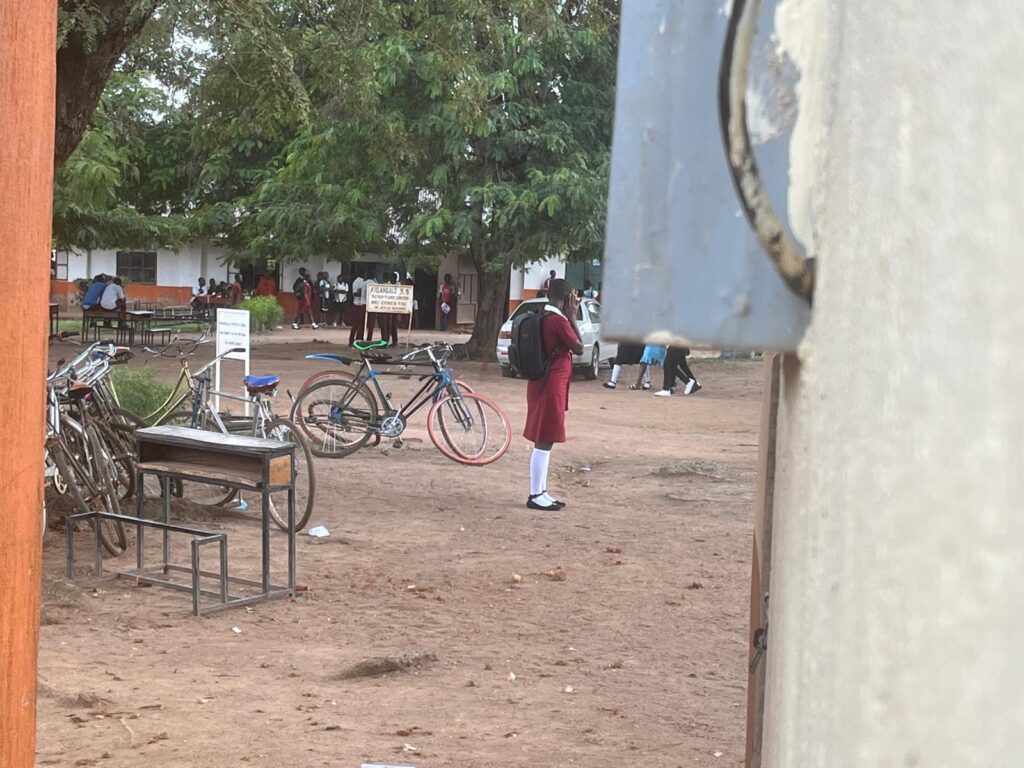
In a desperate move to save their school from being ‘killed’ by politics, residents of Kigandalo Sub County led by Kamya Musa, the former LC3 chairperson, have written to President Yoweri Museveni seeking his intervention to prevent Kigandalo Secondary School from becoming a hostile environment for both students and staff due to politicking. 

In the letter to the President dated 17th March 2025, Kamya reveals that Kigandalo Secondary School poses ‘a serious threat to the educational environment and the integrity of our community’ because the ‘school administration has increasingly become politicized, creating a hostile environment for both students and staff.’

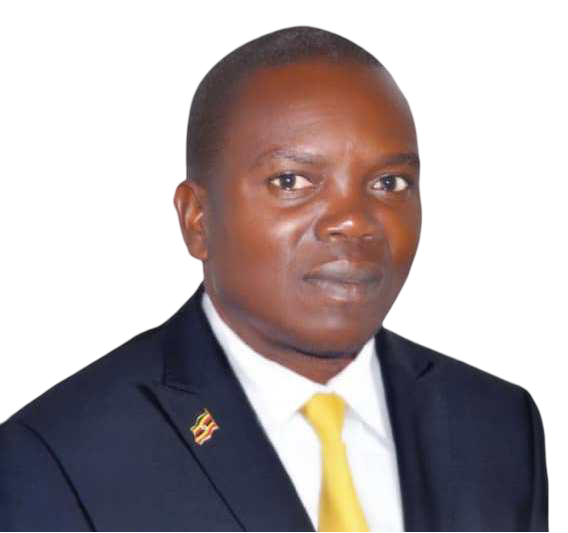
“Teachers are reportedly using classroom time to promote the political agenda of the incumbent, Hon. James Kubeketerya (MP Bunya East County), pressuring students to show their support. This has resulted in the suspension of students who do not align with his views, fostering an atmosphere of fear and intimidation,” the letter to the President authored by Kamya reads in part.

Adding: The implications of this politicization are dire. It not only undermines the educational mission of the school but also stifles independent thought and critical discussion among students. Education should empower young minds to think freely and engage with diverse perspectives, not coerce them into conformity with political ideologies. This situation may lead to a generation of students who are less equipped to become informed, active citizens.”

Further adding: “Moreover, the pressure on teachers to “worship” Hon. Kubeketerya in order to retain their positions exacerbates the problem. This creates a toxic work environment where educators cannot focus on their primary responsibility—providing quality education. The morale of the staff is likely to diminish, leading to decreased performance and increased turnover, which further harms the students’ learning experience.”

Kamya urged the President to take swift action to address this troubling situation at Kigandalo Secondary School. “It is imperative that the administration is reminded of the importance of maintaining a non-political, educational environment where all students and staff feel safe and respected,” he wrote, and then thanked the country’s leader for his ‘attention to this important matter.’

The letter, Kamya wrote on behalf of Concerned Citizens Bunya East county was copied to the Minister for Education and Sports, the District Education Officer (DEO) of Mayuge district, the LC5 of Mayuge district, the Resident District (RDC) of Mayuge district,  the Mayuge District Police Commander, the LC3  Kigandalo Sub County, the Board and the PTA fo Kigandalo Secondary School. 

THANK YOU EMMA: Emmanuel Okwi announces retirement from international football

0

By Musa Kikuuno, Busoga Times

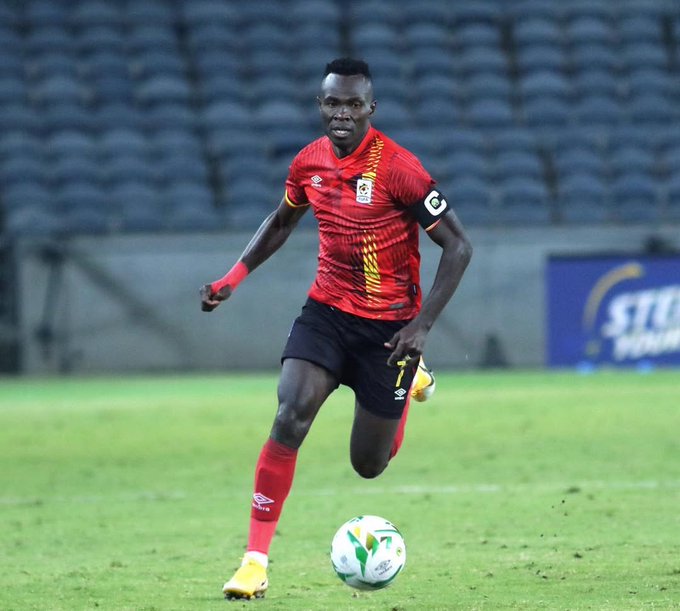
Ugandan footballer Emmanuel Arnold Okwi has officially announced his retirement from international football after an illustrious 16-year career with the Uganda Cranes. Okwi, 32, confirmed the news on his social media pages, expressing gratitude for the opportunity to represent his country and for the memories created along the way.

During his career, Okwi earned 95 caps for Uganda, scoring 28 goals, the most by any Ugandan footballer. He featured prominently at the 2019 Africa Cup of Nations (AFCON), netting two goals—one against DR Congo and another against Zimbabwe. His leadership skills were also on display after he was named captain following the retirement of goalkeeper Denis Onyango in 2021.

Okwi’s journey with the Cranes began in 2009, and since then, he has been a key player for the national team. Reflecting on his international career, Okwi said, “Representing my country on the international stage has been a fulfilling dream that came true. Donning the Uganda Cranes shirt always left a special feeling, and captaining our team was an absolute privilege and honour.”

He also expressed excitement for the future of Ugandan football, citing the upcoming CHAN tournament in East Africa later this year and the AFCON 2027 as pivotal moments for young footballers to shine. “An exciting new era for Ugandan football is coming up with East Africa hosting the CHAN later this August and subsequently the AFCON 2027 with many young footballers coming up.”

In his heartfelt statement, Okwi thanked his family, fans, and coaches, especially Bobby Williamson, who handed him his debut. “I believe it is time for me to bow out and pave the way for our talented young football players,” Okwi concluded.

At club level, Okwi currently plays for Rwanda’s AS Kigali, with a career spanning several top clubs including SC Villa, Simba SC (Tanzania), Young Africans (Tanzania), Etoile du Sahel (Tunisia), SonderjyskE (Denmark), Al Ittihad (Egypt), Al Zawra’a, and Erbil SC.

Okwi’s career began at SC Villa in 2008 before moving to Tanzanian giants Simba SC in 2009 for US $40,000. His sharp eye for goal quickly made him a standout player. This form attracted attention from Tunisian club Etoile Sportive du Sahel, who offered a record transfer fee of US $300,000 for his services. However, the deal was scampered when the club failed to pay the transfer fee to Simba SC, forcing Okwi to return to SC Villa.

Okwi’s move from Simba SC to rivals Young Africans (Yanga SC) sparked protests in Tanzania, adding fuel to the fire of his already high-profile career. Nevertheless, Okwi continued to impress, making his debut for the Uganda Cranes in 2009. His performances were key in the 2010 CECAFA Cup, where he finished as the second-highest scorer, netting four goals in five games.

Over the years, Okwi has played for numerous clubs abroad, showcasing his talent across the globe. His career has spanned seven different clubs outside Uganda, including stints at Simba SC, Yanga Africans, Etoile Du Sahel, SønderjyskE, Al Ittihad, and Kiyovu FC. Currently, Okwi plays for AS Kigali in Rwaanda. His international career with Uganda Cranes has been equally impressive, with 28 goals in 96 appearances.

Okwi’s best year came in 2013, when he netted five goals in just 10 appearances for Uganda. He also had a standout performance at the 2017 Africa Cup of Nations (AFCON), scoring two vital goals against DR Congo and Zimbabwe. Okwi’s last international goal came on 29th March 2022, when he scored in a 2-4 loss to Uzbekistan during the 2022 Nowruz Cup.

Okwi’s legacy as one of Uganda’s finest forwards will remain well-documented in the annals of the nation’s football history. His contributions to Uganda Cranes will forever be remembered as a blend of dedication, passion, and leadership.

How militarised personalist parties undermine democratisation: Uganda’s National Resistance Movement in perspective

0

By Oweyegha-Afunaduula

Politics is becoming increasingly personalized. Even in democracies leaders are taking on outsized influence relative to the parties that support (CNAS, 2024). The result is democratic backsliding.

“While many have pointed to populism or polarization as the source of democratic decline, The Origins of Elected Strongmen takes a different approach, arguing that the real culprits are the modern political parties that have become personal fiefdoms (Anne Applebaum cited by CNAS, 2024).

Today’s democracies are being dismantled from within, typically at the hands of democratically-elected incumbents (Frantz, Kendall-Taylor and Wright, 2024).

Unfortunately, most members of the personalist parties are unlikely to know what is actually going on as their interest is more the goodies, money and jobs that the strong leaders give them to stupefy them. Where and how the goodies and money are acquired is not their concern.

Personalist parties are those where the leader has more control over the party than other senior party political elites. Leaders backed by personalist parties are more likely than other leaders to undermine impartial state administration (Li and Wright, 2023).

Political elites in these parties have careers closely tied to the leader, are unlikely to normatively value an impersonal bureaucracy, and lack collective action capacity independent from the leader. Therefore, personalist parties are less likely than other parties to restrain leaders from undermining impartial state administration (Li and Wright, 2023).

Party personalism has been defined as “parties that leaders create or control as vehicles to advance their personal political careers”. Personalism is conceptually distinct from. party system institutionalisation. Personalism undermines party organisation, growth and development while putting the party squarely at the mercy of the leader.

Party personalism implies that leaders have more relative power within the party than other political elites. The leaders of highly personalist parties are not only more likely to have created them, but these leaders also tend to control party nominations and funding resources.

If some leaders have a preference for undermining democratic institutions, including the bureaucracy, to consolidate their own power, then, in expectation, some leaders will attempt to undermine an impartial state bureaucracy.

We do not need to know ex ante which elected leaders have these (potentially idiosyncratic) preferences to undermine democracy, including the state bureaucracy, to observe some leaders undermining democratic institutions once in office ((Li and Wright, 2023). Democratic backsliding is a constant possibility.

Political parties tuned to promoting family hegemony of strong leaders have also been called Authoritarian Successor Parties (Loxton, 2016), which operate more as breeding grounds for hereditary politics to exclude other organised political entities from power.

They end up excluding the majority of the citizens from effective leadership and governance of their countries, thereby being reduced to onlookers in their own countries. The leaders they elect end up serving the interests of the authoritarian personalist leader to enhance his personal power over everything -politics, economy, society, natural resources, the future of the country and even life and death of the citizens.

The top leaders are the beginning and end of everything. They enhance their powers over the Executive, Parliament and Judiciary. The national budgetary processes put the interests of the leaders first before the citizens are considered. Through the policies the leaders prefer, they prescribe genocide; for example, through impoverishing policies and policies that devalue the health care of the citizens.

All investments in the countries of personalist leaders are in their hands. It will not be easy to know who the investors are. In many cases the investors are themselves, members of their families, their kith and kin and those connected to their power.

Usually this is the case because the powers that be work hard to reduce the stature of the State of elected officials to what is called Deep State – of unelected officials, many nominated by the powers that, many in the military, many in powerful families. Members of the Deep State are insidious, unaccountable and non-transparent, although what they do is funded by taxpayers’ money at the expense of public social services.

This article seeks to use the National Resistance Movement (NRM) as a militarised personalist party that has been tuned by its supreme leader to enhance his personal power over Uganda, its resources and its institutions for personal actualisation and gratification, and by extension build a family hegemony, which makes nonsense of democratisation in the country.

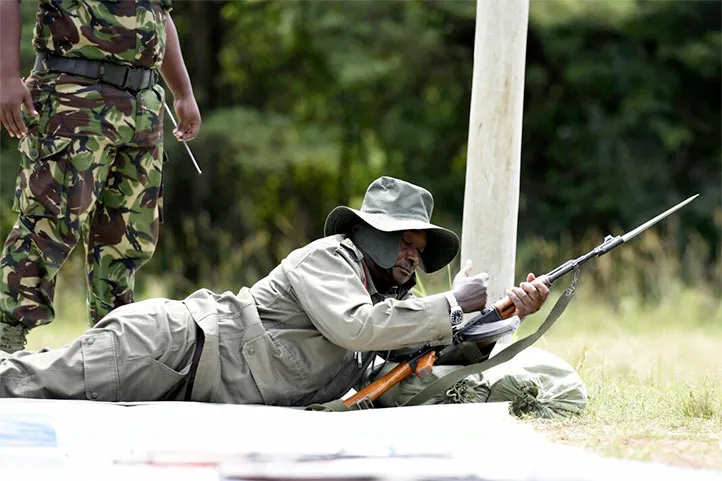
NRM, for nearly 40 years since it captured the instruments of power using its armed wing, the National Resistance Army (NRA), has remained a militarised party because even if NRA was constituionalised in 1995 as the new army of Uganda and given a new name -Uganda Peoples Defense Forces (UPDF) it remained politically and militarily-intertwined with the NRM. President Tibuhaburwa Museveni who was the political and military Supremo of the NRM/A has, since the promulgation of the Uganda Constitution 1995 made by the NRM/A, Commander in Chief.

The Uganda Constitution 1995 sought to create a personalist leader when it invested all power and authority in the President, whom it also immunised from being tried in the Courts of Law for any criminality while in power. We now also know that the President has used his constitutional status, and now personalist power, to erode the constitutional independence of the Parliament of Uganda and the Judiciary of Uganda.

The NRM Parliamentary Caucus has under the supremacy of President Tibuhaburwa Museveni’s leadership high-jacked the legislative processes of The Parliament of Uganda. When the President wants anything of interest to him to go through The Parliament of Uganda, he routinely summons the NRM Caucus to State House Entebbe or his Kyankwanzi Ideological School to panel beat fine-tune them to his interests.

Another way the personalist power of the President, constitutionally entrenched has undermined The Parliament of Uganda and, for that matter, democracy, is to retain military representation of 10 people, who identify themselves with NRM and can never vote against what the President or the NRM government wants. In most cases the Military Members of Parliament never speak but wait to vote.to boost NRM positions on different matters. It is as if they are in Parliament to intimidate MPs so that they legislate under fear.


With regard to the Judiciary of Uganda, it is now known that the personalism of NRM, through its chairman, has direct control over the Judiciary – its appointments and processes. We have heard of Orders from Above (OFA) influencing what the judges do, thereby undermining justice and democratic justice administration. As if this is not long ago the President declared that he would appoint NRM cadres as Judges. And he has done it.


Ido not need to overemphasise the fact that Executives processes have been completely consumated by the personalist choices of President Tibuhaburwa Museveni. For example, when the President wanted Uganda’s coffee and the construction of Lubowa hospital to be in the hands of an Arab-Italian woman, Enric Penete, Cabinet approved without question.

When he wanted billions to be given to a Somali woman to erect Atiak Sugar, When he wanted obnoxious laws such as the Sectarianism Law, Anti-Terrorism law and Political and Other Organisations Law, to incapacitate the Opposition, and thereby control the democratic process, Cabinet approved. The Parliament of Uganda, dominated by the NRM Caucus had no option but to the needful.


Personalist NRM and personalist President Tibuhaburwa Museveni have undermined institutionalisms and weakened and de-professionalised institutions, thereby undermining development, transformation and progress of Uganda in the 21st Century.


Currently, personalist NRM and personalist President Tibuhaburwa Museveni have strategised to change the Uganda constitution 1995 on the UPDF Act so that jointly they ensure that the military can go on trying civilians legally un like before when they did it illegally.

Also, the two -the NRM and its chairman have for long strategised to make hereditary politics, where by heads of families holding big offices in government are, replaced by their children. This has been most pronounced in The Parliament of Uganda.


There is strong collective belief that President Tibuhaburwa Museveni has strategised to ensure that his son, the Chief of Defense Forces (CDF) Muhoozi Kainerugaba replaces him as the President of Uganda. A not small section of the Uganda population believes that the President has already left some of his powers to be exercised by his son. However, belief is not necessarily the truth.

Time, the best judge, will reveal the truth. Let me hope that I have been able to demonstrate how the personalist NRM and the personalist President Uganda jointly pose a great threat to democratisation in Uganda.


For God and My Country.


Further Reading
CNAS 2023). Democracy under Threat: How the Personalization of Political Parties Undermines Democracy. CNAS, February 28 2023. https://www.cnas.org/press/press-release/democracy-under-threat-how-the-personalization-of-political-parties-undermines-democracy Visited on 17 March 2025 at 20:03 pm EAT
CNAS (2024). New Book The Origins of Elected Strongmen How Personalist Parties Destroy Democracy from Within. CNAS, June 17 2024 https://www.cnas.org/press/press-release/new-book-on-the-origins-of-elected-strongmen-how-personalist-parties-destroy-democracy-from-within Visited on 17 June 2025 at 20:13 pm EAT.
Eric Frantz, Andrea Kendall-Taylor and Joseph Wright (2024). The Origins of Elected Strongmen How Personalist Parties Destroy Democracy from Within. Oxford, https://www.psu.edu/news/liberal-arts/story/book-explores-how-elected-strongmen-weaken-democracy Visited on 17 March 2025 at 20:08 pm AT
James Loxton (2026). Authoritarian Successor Parties Worldwide: A Framework for Analysis. Working Paper 411 June 2016. Kellog Institute for International Studies. Exploring Democracy and Human Development. https://kellogg.nd.edu/sites/default/files/old_files/documents/411.pdf Visited on 17 March 2025 at 2035 pm EAT.
Li, J., & Wright, J. (2023). How Personalist Parties Undermine State Capacity in Democracies. Comparative Political Studies, 56(13), 2030-2065. https://doi.org/10.1177/00104140231169014 (Original work published 2023)

BEAUTY WITH PURPOSE: Miss Tourism queens emulate Kadaga by donating to physically handicapped children in Kamuli

0

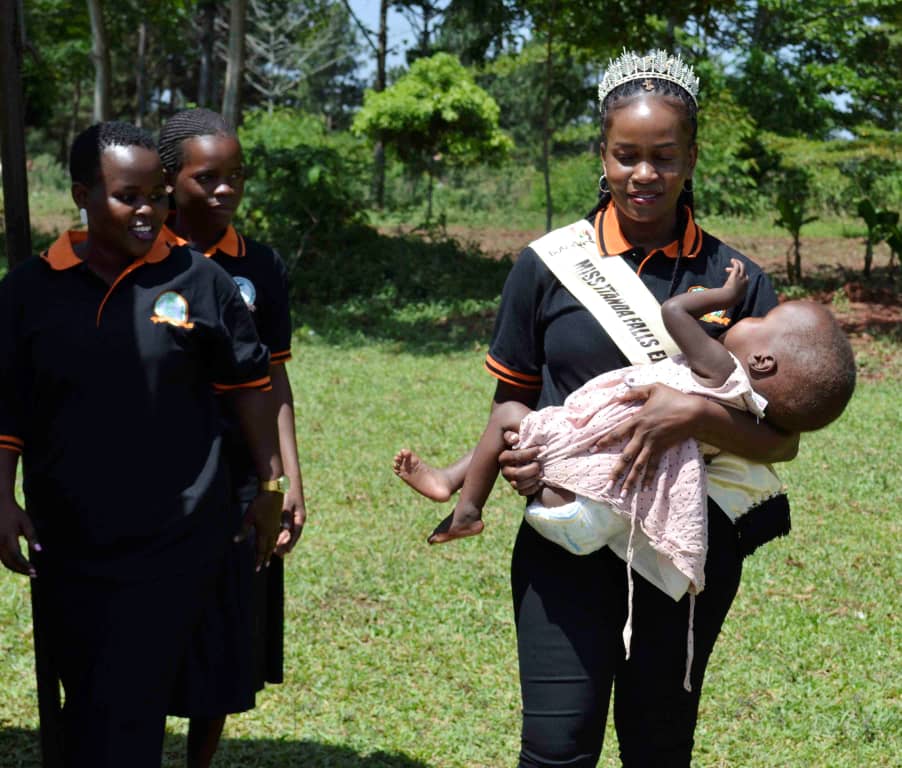
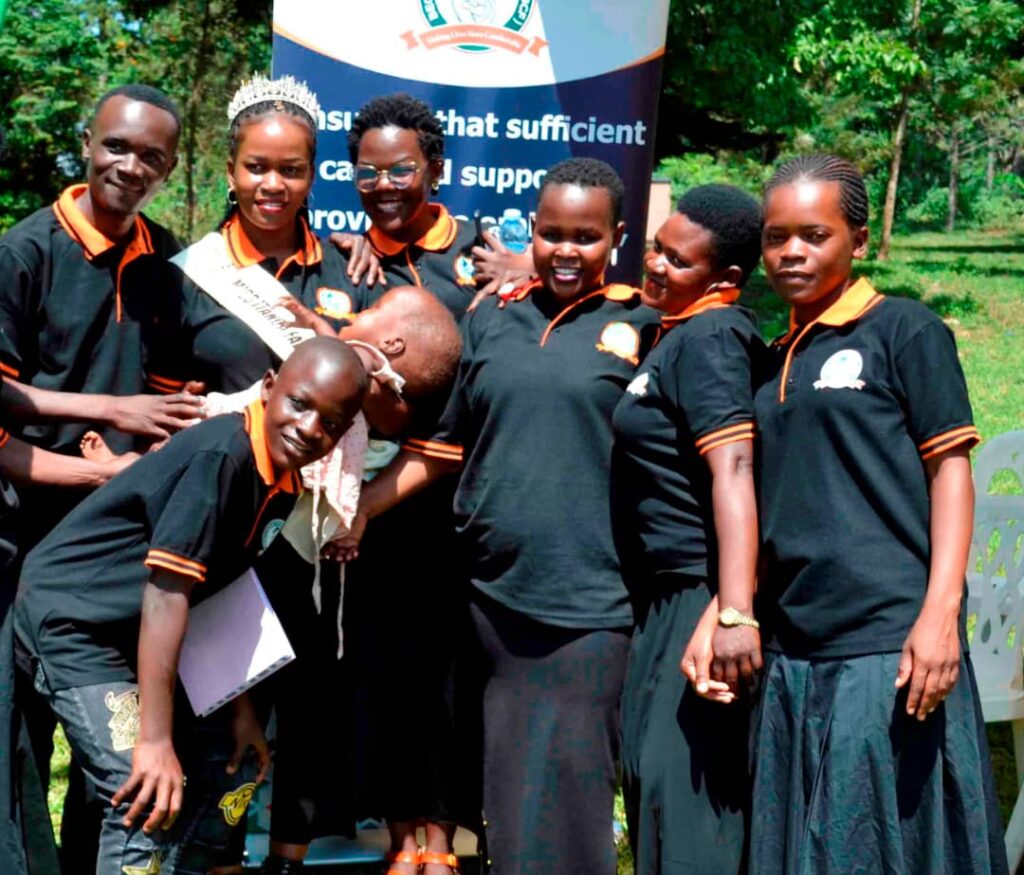
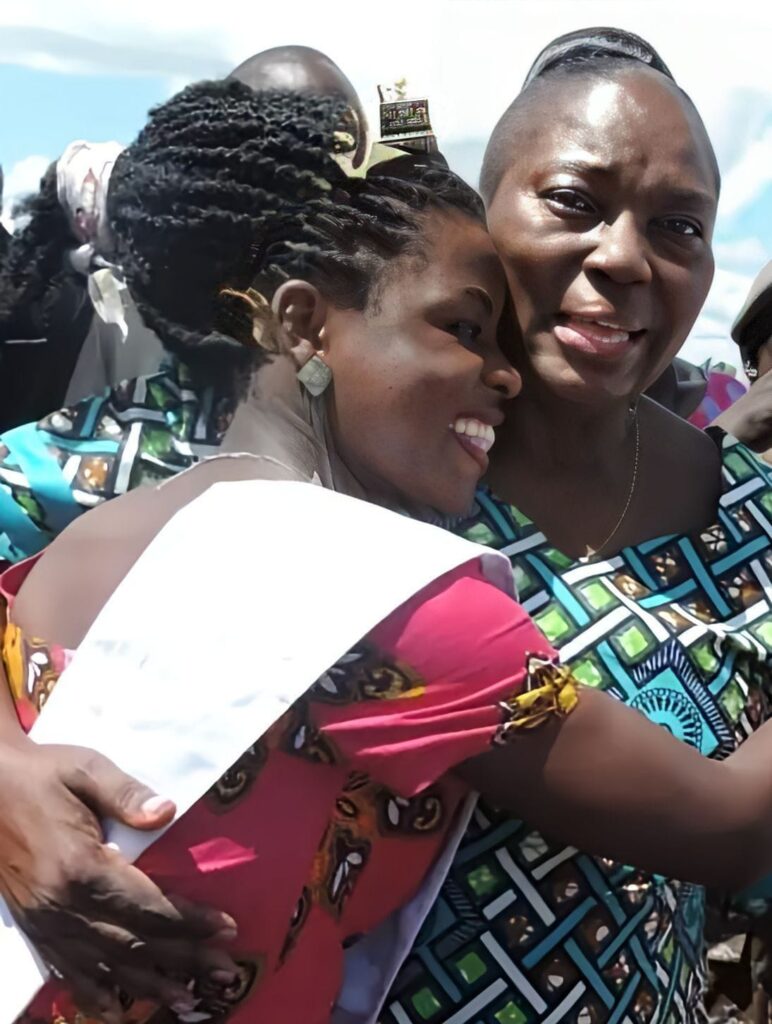
Busoga beauty queens have vowed to carry on with the legacy of former Parliament of Uganda Speaker Alitwala Rebecca Kadaga’s legacy of giving services to the vulnerable children and empowering women.

Former Miss Tourism Busoga 2017, Rebecca Alitwala Mubezi, now the CEO of Becky’s Child Foundation, and Miss Tourism Busoga 2023/4, Rashidah Nabiryo, say Kadaga inspired and mentored them to prioritise giving back to the less privileged folks as a tool for social empowerment.

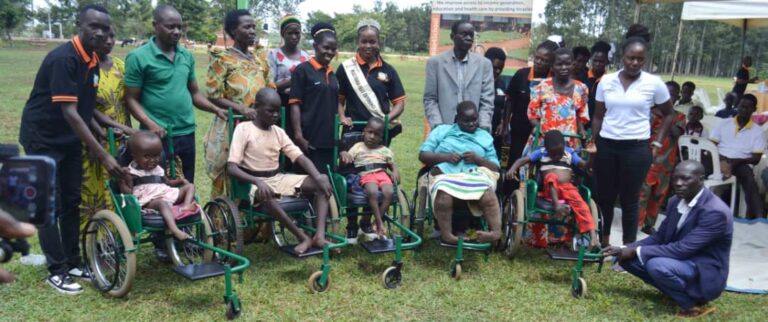
Nabiryo recalled Kadaga’s counsel that they should practically show ‘beauty with a purpose’ by giving back to society to merit God’s blessings. And on Monday, March 17, 2025, Becky’s Child Foundation handed over wheelchairs, blankets, and nutrition food packages and conducted a health camp for hydrocephalus and physically handicapped children at Kamuli District headquarters.

“We were always witnessing Mama Kadaga give attention, honour, and priority to people with albinism, people with disabilities, and the little girls. When she crowned us as Busoga beauty queens, we were anointed and deeply touched. Becky’s Child Foundation, as an initiative, is testimony to her impactful legacy,” Nabiryo said.

Without support and inspiration from Kadaga, the beauty queens note that many girls would have dropped out of school and ruined their lives in bad early marriages, but with her endless efforts and passion, she lifted many girls through education scholarships and exposure and gave them platforms like the Miss Busoga Tourism beauty pageant. Nabiryo said they are indebted to sustain her legacy by helping other girls and the vulnerable children.

Kamuli District leaders commended Becky’s Child Foundation for championing children’s health and girls’ empowerment.

They observed that unlike most NGOs, which come in the guise of helping people but end up exploiting them, working in isolation and being opaque in their operations, Beckys Child Foundation has demonstrated physical accountability in broad daylight and transparency in the identification of beneficiaries.

“We as a district acknowledge and appreciate the way Becky’s Child Foundation is operating, cooperating, and coordinating to reach out to the real vulnerable. We have seen NGOs work in an opaque manner, disappear into the communities, and fade away, but Becky’s Child Foundation has complimented government programs, identified the needy, and come in fast,” Mitala Moses, the Assistant CAO, said.

The Deputy RDC, Adonia Mafumu, who handed over the humanitarian assistance to the families, said the blankets and nutrition packages are timely in regard to the onset of the rains and the fact that most children are malnourished.

“On behalf of the government, we would like to congratulate this organisation for targeting public welfare and affirmative action and getting to give smiles and hope to the marginalised and vulnerable section, thus putting the resources maximally where they are needed most in the service of the people as we give them a conducive working environment,” he said.

On behalf of the CEO of Becky’s Child Foundation, Rebecca Alitwala Mubesi, Board Member Monica Innhesiko called for compassion and empathy to make the lives of the vulnerable and less privileged more comfortable and worth living.

“We at Beckys Child Foundation believe in sharing the little and reaching out with love, care, and hope. There is nothing more comforting than knowing someone out there cares and feels for you,” she said.

She urged carers to help the children now attend school regularly since they have been provided with mobility.

DOMESTIC VIOLENCE: Man cuts wife to death in Kamuli district

0

Police in Kamuli are hunting for a 40 year old man identified as Bukusuba Alex for allegedly cutting his wife to death, Kasadga Michael, the Regional Spokesperson for Busoga North reveals.

According to Kasadha, deceased has been identified as Mukoda Masitula 24 , born of Mulimira village, Kasolwe Parish in Kagumba Sub-county in Kamuli district.

Kasadha details that the incident occurred at Bakusekamajja zone, Naluwoli Parish, Butansi Subcounty in Kamuli district.

“We have so far established that the deceased married Bukusuba in August last year upon divorce from the previous marriage. The two have been having issues of domestic violence up to the time the murder occured,” he said.

“Prior to the incident, the sister to the deceased advised her to temporarily leave the suspect over violence which she did.

“It was yesterday the 13/3/25 at around 10:00am that she went back to pick some of her belongings. At around 01:00pm while she was still there, the suspect rung the mother in law warning that he was going to do something bad to her.

“The mother pleaded with him to let her go back, but in vain. At around 08:00pm information started circulating that someone had been killed prompting police action.

“A team of police officers led by DPC visted the scene.The body taken to Kamuli general hospital mortuary for postmortem.

“Further investigations are ongoing to establish more facts.”We condemn the gruesome act on the deceased and appeal to the couples to always seek marital advice or legal redress where need be other than resorting to violence.”

KAWEMPE NORTH BY-ELECTION: Is it a test run for 2026 or a glimpse into Uganda’s political turmoil?

0

By DaglousBakinyumya  

K

awempe North by-election has come to a point of tension , However it has  scars left on Uganda’s democratic process which will linger. What was meant to be a simple electoral exercise quickly turned into a battleground of brutality, intimidation, and suppression?The events that unfolded raise worrying and  disturbing question: Is Uganda heading towards an even bloodier 2026 General Election? If a mere by-election could trigger such levels of violence, what should Ugandans expect when the stakes are higher?

A War Zone, Not a By-Election

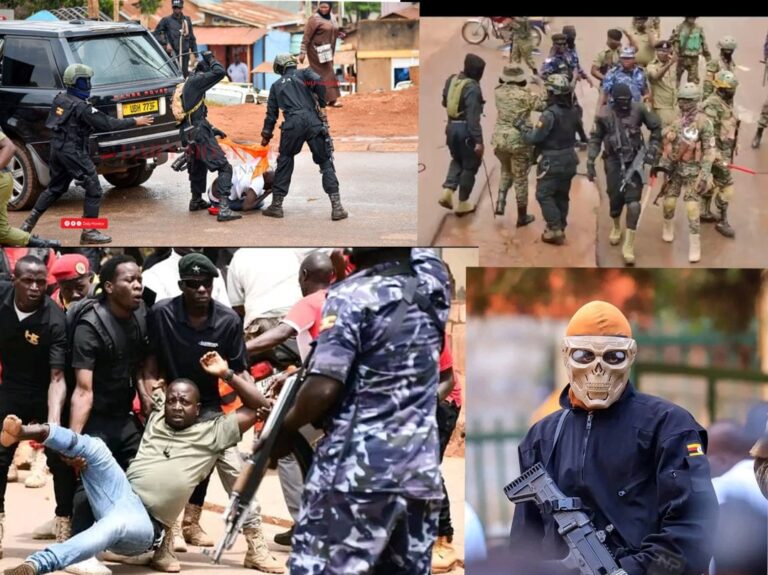
Kawempe North by-election is marred by shocking levels of state-sponsored brutality. Instead of a peaceful democratic process, it became a show of force by security agencies determined to control the outcome by any means necessary. Armed security personnel swarmed polling stations, turning the exercise into a military operation rather than a civic duty. Reports of ballot stuffing, voter intimidation, and arbitrary arrests flooded social media, exposing the deepening crisis in Uganda’s electoral process.

Journalists, as usual, bore the brunt of this state violence. Several were physically assaulted, their equipment deliberately damaged, and their rights blatantly disregarded. The press, which serves as the fourth state or watchdog of democracy, is treated as an enemy of the state. Cameras were smashed, memory cards confiscated, and reporters left nursing wounds inflicted by those sworn to protect citizens.

One of the most disturbing incidents involved a well-known journalist who was not only beaten but had their camera shattered beyond repair. The officer responsible for the attack did not offer any justification—just brute force meant to silence the media. Such incidents are becoming far too common, raising fears that 2026 might be the bloodiest election Uganda has ever witnessed.

A System That Thrives on Fear and Bloodshed

Uganda’s elections have never been truly free and fair, but the Kawempe North by-election has exposed a dangerous trend. Violence is no longer a last resort—it is now the primary strategy. The government’s message is clear: dissent will be crushed, opposition will be silenced, and the press will be muzzled.

The disturbing part is that this brutality is not just targeted at politicians but at ordinary citizens too. People who turned up to vote were met with tear gas and batons. Those who attempted to document the chaos faced the wrath of an unaccountable security force. The ruling regime is no longer interested in even pretending to uphold democracy. Instead, it is banking on fear, hoping that the sight of bloodshed will discourage people from participating in future elections.

If security agencies can act with such impunity in a by-election, one can only imagine the horrors that wait in 2026. Will Uganda’s streets be littered with the bodies of those who dare to demand change? Will journalists be hunted down and silenced for simply doing their job? The writing is on the wall, and it is terrifying.

Where Is Uganda Headed?

The brutality witnessed in Kawempe North is a grim reminder that Uganda’s democracy is hanging by a thread. The country is steadily slipping into a dictatorship where elections are mere rituals, and violence is the tool used to maintain power. The 2026 General Election will not be a contest of ideas but a war of survival.

What is even more worrying and disturbing is the silence from those who should be holding the government accountable. Where are the voices of condemnation? Where is the outrage from international organizations? Where is the justice for the journalists whose equipment was broken and whose rights were trampled upon? Uganda is being conditioned to accept bloodshed as part of the electoral process, and that is a dangerous precedent.

A Call to Action

Ugandans must not wait until 2026 to resist this escalating brutality. Civil society, opposition parties, and the media must unite to demand accountability now. Every journalist assaulted, every voter intimidated, and every voice silenced is a step closer to complete authoritarian rule.

The international community must also wake up. Statements of concern are not enough. The Ugandan government must be pressured to end police brutality, protect journalists, and ensure that future elections are conducted in a free and fair manner.

As we reflect on the horrors of the Kawempe North by-election, we must ask ourselves: How much blood must be shed before Uganda reclaims its democracy? If nothing is done, 2026 will not be an election—it will be a massacre. The time to act is now.

Daglous Bakinyumya is a Political TV Producer and TV Host – @BDouglasPaapa

TRUSTED PLAYERS: Pros dominate Uganda Cranes squad for World Cup qualifiers

0

By Musa Kikuuno, Busoga Times

Uganda Cranes head coach, Paul Joseph Put, has announced a 26-man squad for the upcoming World Cup qualifiers against Mozambique and Guinea. The team will face Mozambique in Cairo, Egypt, on Thursday, March 20th, before hosting Guinea four days later at the Mandela National Stadium in Kampala.

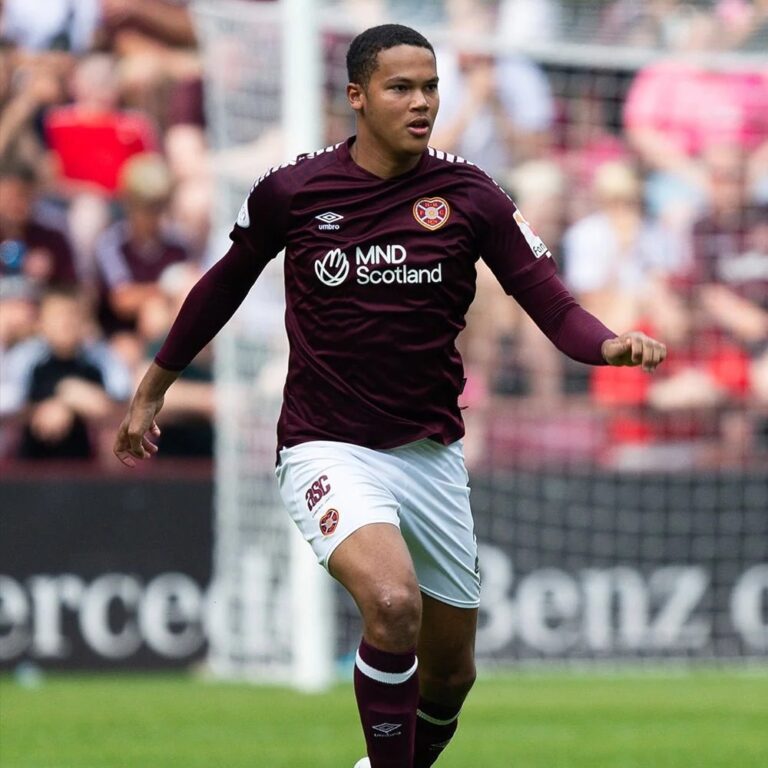
Among the notable inclusions is Toby Peter Sibbick, the Wigan Athletic defender, who returns to the Cranes setup for the first time since March 2024. The English-born Ugandan, who made his debut for Uganda in a 2-2 draw against Ghana in Morocco last year, has been in impressive form in the League One and brings much-needed experience to the defence.

Sibbick, born in Isleworth to a Ugandan mother and an English father, has expressed his pride in representing Uganda and is eager to contribute to the national team’s World Cup aspirations.

In addition to Sibbick, Libya-based striker Shaban Muhammad also makes a return to the squad after being sidelined for the last four Cranes games due to injury. Muhammad, a key figure for Uganda in previous campaigns, will add attacking depth to the team as they aim for vital points in the qualifiers.

Other fresh faces include Enock Ssebagala, who earns his first call-up following strong performances with NEC FC in the Uganda Premier League. Midfielders Abdul Karim Watambala of Vipers and Rogers Torach also make their return to the fold after some time away from the team.

Coach Put confirmed the absence of defender Elio Capraddosi, who was ruled out due to an injury picked up at his club, Citadella AC in Italy. Despite this setback, the squad is brimming with talent and ready to push for qualification to the 2026 FIFA World Cup.

The Cranes are currently sitting fifth in Group G with six points, tied with Guinea and Botswana. Algeria and Mozambique lead the group with nine points, while Somalia remains winless. With crucial fixtures ahead, Uganda will be hoping to close the gap on the top teams and continue their push for World Cup qualification.

The team will enter camp on Friday, March 14th, before traveling to Egypt, where foreign-based players will join the squad for final preparations.

As the Cranes prepare for these important qualifiers, the squad is hopeful that their blend of experienced players and exciting new talent will help secure the much-needed victories to keep their World Cup dreams alive.

Full Squad:

Goalkeepers:

Isima Watenga (Golden Arrows, South Africa)

Alionzi Nafian (Mechal, Ethiopia)

Joel Mutakubwa (BUL FC)

Defenders:

Elvis Bwomono (St. Mirren, Scotland)

Gavin Kizito (KCCA FC)

Bevis Mugabi (Anorthosis Famagusta, Cyprus)

Timothy Awany (Ashdod FC, Israel)

Toby Sibbick (Wigan Athletic, England)

Rogers Torach (Vipers SC)

Aziz Kayondo (Slovan Liberec, Czech Republic)

Isaac Muleme (Viktoria Zizkov, Czech Republic)

Midfielders:

Ronald Ssekiganda (SC Villa)

Kenneth Semakula (Club Africain, Tunisia)

Khalid Aucho (Young Africans, Tanzania)

Enock Ssebagala (NEC FC, Uganda)

Abdul Karim Watambala (Vipers SC)

Allan Okello (Vipers SC)

Travis Mutyaba (Bordeaux, France)

Forwards:

Denis Omedi (APR FC, Rwanda)

Hakim Kiwanuka (APR FC, Rwanda)

Jude Ssemugabi (Kitara FC)

Rogers Mato (FK Vardar, North Macedonia)

Steven Mukwala (Simba SC, Tanzania)

Muhammad Shaban (Al Anwar, Libya)

Calvin Kabuye (Mjallby AIF, Sweden)

Patrick Jonah Kakande (SC Villa)

LEAGUE FOOTBALL: Maroons triumph over SC Villa in UPL match day 19, Vipers SC maintain top spot

0

By Musa Kikuuno, Busoga Times Sports Writer

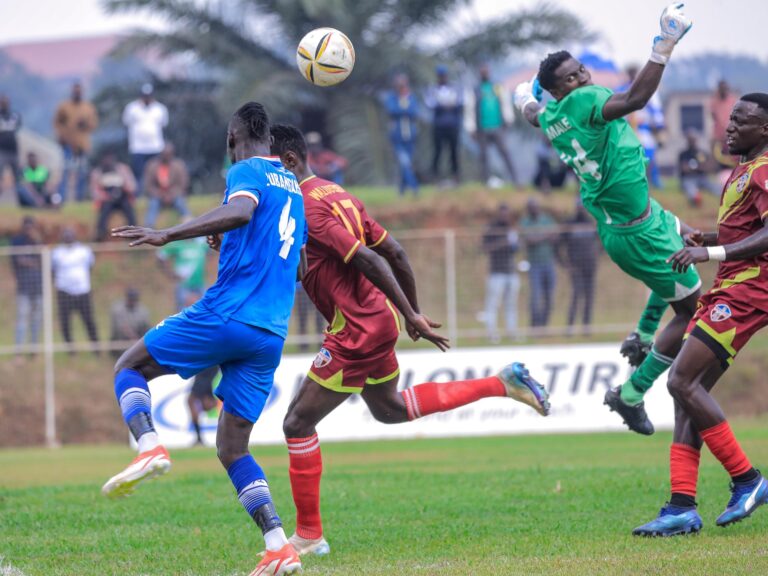
March 9, 2025 – It was a thrilling conclusion to Matchday 19 of the Uganda Premier League today, as Maroons secured a well-deserved 2-0 victory over SC Villa at Muteesa II Stadium in Wankulukuku. The win, which came in front of a raucous home crowd, added to Maroons’ growing momentum, putting them in the mix for an upper-table finish as the league race heats up.

Despite a valiant effort from the record champions, SC Villa couldn’t break down the resilient Maroons defense, which held firm throughout the game. The result brought the curtain down on a day filled with mixed fortunes for the league’s top contenders and relegation-threatened sides.

Elsewhere, defending champions Vipers continued their excellent form, edging Police FC 1-0 in a tense encounter at Kavumba Recreation Grounds. Vipers’ Allan Okello was once again the match-winner, taking his tally to 14 goals this season, cementing his place at the top of the league’s scoring charts.

High Drama and Tight Contests

It wasn’t all smooth sailing for the top teams, though. Lugazi FC stunned Express with a narrow 1-0 victory at home, while BUL FC also triumphed by the same scoreline over Kitara FC. URA FC overcame UPDF FC 2-1 in a hard-fought contest, and Wakiso Giants held NEC FC to a 0-0 draw in a clash that ended in stalemate at Kabaka Kyabagu Stadium.

Meanwhile, Mbarara City and Bright Stars were also locked in a goalless draw, leaving both sides still looking for consistency in a campaign that has seen unpredictable results.

KCCA’s Stellar Performance

In one of the day’s most eye-catching results, KCCA FC demolished Mbale Heroes 5-0 at the StarTimes Stadium in Lugogo. The victory propelled KCCA to further solidify their place in the mid-table, although they remain somewhat distant from the top spots.

Relegation Battle Heating Up

The relegation battle continues to intensify, with Wakiso Giants, Bright Stars, and Mbale Heroes all struggling at the foot of the table. Wakiso Giants remain firmly in the danger zone after a frustrating goalless draw against NEC, sitting on just 14 points. Bright Stars are not far ahead with 12 points, while Mbale Heroes are stuck at the bottom with a meager 10 points.

Police FC, who have been faltering in recent weeks, are precariously perched just above the relegation zone in 13th place with 20 points, showing how tight the competition is at the lower end of the table.

Vipers Lead the Charge

As it stands, Vipers continue to lead the league with 46 points, closely followed by NEC FC with 41 points. BUL FC are third on 32 points, while URA FC are in fourth place with 30 points. Kitara FC, despite a challenging season, are hanging on in fifth with 28 points.

With the league resuming on Thursday, March 13, 2025, the pressure mounts for the clubs battling at both ends of the table. The upcoming fixtures include Mbale Heroes hosting Lugazi at Mbale City Stadium, UPDF welcoming KCCA, and Express facing Police FC in a clash that promises fireworks.

Top Scorer Race and Assist Kings

In the individual race for the golden boot, Vipers’ Allan Okello is leading the charge with 14 goals, followed by Sam Ssenyonjo of URA with 11 goals. Ivan Ahimbisibwe of URA and Jude Semugabi of Kitara are both in pursuit with 9 and 8 goals, respectively.

Meanwhile, the assist race sees Moses Aliro Okabo of URA leading with 5 assists, with NEC’s Pail Mucureezi and Vipers’ Abdul Karim Watambala both on 4 assists apiece.

Matchday 19 Results:

Police FC 0-1 Vipers
Lugazi FC 1-0 Express
BUL FC 1-0 Kitara FC
Wakiso Giants 0-0 NEC FC
URA FC 2-1 UPDF FC
Mbarara City 0-0 Bright Stars
KCCA 5-0 Mbale Heroes
SC Villa 0-2 Maroons
Current Standings:

Top 5:

Vipers – 46 points
NEC FC – 41 points
BUL FC – 32 points
URA FC – 30 points
Kitara FC – 28 points
Bottom 4:

13. Police FC – 20 points

  1. Wakiso Giants – 14 points
  2. Bright Stars – 12 points
  3. Mbale Heroes – 10 points

Top Scorers:

Allan Okello (Vipers) – 14 goals
Sam Ssenyonjo (URA) – 11 goals
Ivan Ahimbisibwe (URA) – 9 goals
Jude Semugabi (Kitara) – 8 goals


Assist Leaders:

Moses Aliro Okabo (URA) – 5 assists
Paul Mucureezi (NEC FC) – 4 assists
Abdul Karim Watambala (Vipers) – 4 assists