Tuesday, March 17, 2026
Home Blog Page 53

BEYOND CELEBRATION: Women’s empowerment in Uganda should be a reality

0

By Pious Nsajja

very year on March 8th, Uganda joins the rest of the world in commemorating International Women’s Day. It is a time to celebrate the achievements of women and girls across all spheres of life.

However, beyond the celebrations lies a stark reality: gender inequality remains a significant barrier to Uganda’s progress.

For Uganda to achieve sustainable development, women’s empowerment must move from rhetoric to action, backed by legal frameworks and tangible commitments.Women’s empowerment is not just a social or economic issue, it is a fundamental human rights concern.

The ability of women and girls to access education, healthcare, economic opportunities, and political participation is enshrined in both international and regional human rights frameworks.

Yet, in Uganda, women continue to face systemic discrimination, gender-based violence, and limited access to resources. The persistent challenges in realizing women’s rights are a direct impediment to national progress.

Uganda’s National Development Plan III (NDP III) underscores the importance of gender equality and women’s empowerment in achieving socio-economic transformation.

The plan acknowledges that women’s participation in leadership, business, and education is critical to national development.

However, the persistent gender wage gap, underrepresentation of women in decision-making, and cultural barriers hinder the realization of these objectives.

The government must strengthen affirmative action policies, invest in gender-responsive budgeting, and create economic opportunities tailored to women’s needs to fully harness their potential.Women’s empowerment is also central to the Sustainable Development Goals (SDGs), particularly Goal 5 (Gender Equality).

The goal calls for an end to discrimination against women and girls, elimination of violence, equal participation in leadership, and economic empowerment.

Uganda’s commitment to the SDGs requires intentional policies and programs that dismantle the structural barriers limiting women’s growth. This means addressing issues like unpaid care work, access to land and credit, and enhancing social protection measures for women and girls.

Additionally, Uganda is a signatory to the Maputo Protocol, one of the most progressive human rights instruments for the protection and promotion of women’s rights in Africa.

The protocol mandates states to ensure gender equality in education, economic participation, and political leadership, while also safeguarding women’s rights to health, including reproductive health.

While Uganda has made strides in adopting gender-sensitive laws, enforcement remains weak. For example, despite laws addressing gender-based violence (GBV), cases remain high, with limited access to justice for victims.

The full implementation of the Maputo Protocol must be prioritized to ensure that women’s rights are not just written policies but lived realities.

Although the government has made some progress towards promoting gender equality in leadership and decision-making through political participation and representation, cabinet appointments, and other leadership positions of women, there remains a lot to be desired.

To make women’s empowerment a reality, the following key things should be done:Firstly, ensure full implementation of legal frameworks; laws protecting women’s rights must be fully enforced, with stronger mechanisms for accountability and justice.

Secondly, increase investment in women’s economic empowerment; More funding should be allocated to initiatives that support women entrepreneurs, provide access to credit, and strengthen financial inclusion.

Thirdly, promote gender equality in leadership and decision-making; women’s representation in politics and corporate leadership must be enhanced through affirmative action and leadership training.

Fourthly, strengthen responses to gender-based violence (GBV); Uganda must invest in survivor-centered services, improve access to justice, and challenge harmful norms that perpetuate GBV.

And lastly, engage men as allies; male involvement in gender equality efforts is crucial in breaking down stereotypes and creating inclusive societies where all individuals thrive.

Women’s empowerment is not just a moral imperative; it is Uganda’s pathway to sustainable development. Without meaningful action, gender inequality will continue to slow down progress and limit the country’s potential.

As we commemorate International Women’s Day 2025, we must go beyond celebration and take bold steps to ensure that every woman and girl in Uganda can live with dignity, freedom, and opportunity. The time for action is now.

Pious Nsajja is the Communications Officer, National Coalition of Human Rights Defender Uganda

PERFORMANCE: Jeromy Kirya shatters Kitara’s streak as BUL FC complete double victory

0

By Musa Kikuuno for Busoga Times

BUL FC ended Kitara FC’s impressive 10-match unbeaten run with a narrow 1-0 victory at Nakivubo Stadium on Thursday.

Jeromy Kirya’s second-half goal was enough to secure the win for the Abbey Kikomeko-coached side, completing a double over Kitara in this season’s Uganda Premier League.

Kitara had gone unbeaten in their last 10 league matches, a run that started in November 2024 when they lost narrowly to Bright Stars.

During that period, the Royals kept 10 consecutive clean sheets, but BUL’s clinical display ended both their unbeaten run and their streak of clean sheets.

The first encounter between the two teams this season ended with BUL claiming a 3-1 victory at Royalpark Butema, Kitara’s home ground.

On Thursday, however, it was BUL who took the spoils again with Kirya’s decisive goal, securing all three points at Nakivubo Stadium.

This win marked BUL’s third victory at Nakivubo this season, having previously triumphed over Express FC and URA FC.

BUL also extended their dominance over Kitara, remaining unbeaten in six encounters between the two sides.With the three points, BUL FC moved to 32 points, maintaining their third-place position on the Uganda Premier League table.

Kitara, despite their strong performances this season, are fourth with 28 points.Looking ahead, BUL FC will face URA FC in their next match, while Kitara will look to bounce back when they host Mbarara City FC in their upcoming fixture.

EXCLUSIVE INTERVIEW: Switching from singing in Lusoga to Luganda made me a better artist—Acidic Vokos

His song, it’s okay, has appeared on almost all the notable and influential top ten lists of the year 2024, yet Acidic Vokos is still a newbie in Uganda’s music industry. In this interview with Baz Waiswa, the editor of Busoga Times, Acidic Vokos narrates his music journey and why it is important that musicians in Busoga should tap into the Kampala market. 

Who is Acidic Vockos? Tell us about yourself and your music journey so far.

I am Acidic Vokos. Kakaire Mutwahilu is my real name. I was born in a village called Namanumya in Busembatya, Bugweri district, formerly part of Iganga district. I grew up in Busembatya and Namutumba. I studied at Namanumya Primary School and Downside High School.

When I dropped out [of school], I started my music journey. I was in my senior four (O’ Level) vacation when I recorded my first song, though it wasn’t that popular. Then I joined the music and audio production. I was still in Namantumba when I joined audio production. 
Then I had to go to Jinja. I got a chance there; one of the biggest studios in the east called me, and they told me, Acidic, we can work together and do other music productions. I studied audio production. I was studying and working as well.

From there, I got my breakthrough via TikTok with the song “nkulinako  Crush.” It went viral, and I used that chance. I came to Kampala and got this management that I’m having right now. We had a peaceful talk and a peaceful transition of power from the other guy to this management that I’m having right now called Mama Baba Entertainment.  

What inspired you to choose a career as a musician and performer and not any other career?

When I was a kid, I had a passion for music, and I tried to look up to these big artists. I used to admire the likes of King Saha, the late Moze Radio, and many others, and I was inspired. At first, it was just bandwagon, and group influence. But later on, I started seeing this as a job, and I loved it.

What are some of the challenges you have encountered as a rising music maker?

At first, things were tough. No one would even believe in me. Everyone would look at me like I was a thief. I was a rastaman, shabby, with no money, just trying; you know that kind of stuff. And after getting the breakthrough, man, still, things are tough. You lack connections. People look at you and say, now this one. No one can even believe in you.

So things are really tough. Sometimes you go somewhere to perform, and they call you down. They tell you, please leave the stage. You want to perform, and things don’t go the way you actually wanted them to go. And you fail to perform. You fail to carry the stage. Things are tough! 

Not many musicians in Busoga have transitioned to base in Kampala; how have you managed to successfully achieve this?

It seems that if you’re in Jinja or any other part [that is not Kampala], things cannot go your way. First put it in your mind that Kampala is the capital city. Everything starts from here, and then it goes to other regions.

When I got that breakthrough, I had to shift from Jinja to Kampala so that I could use every single chance that came my way. In Kampala, we have many radio and TV stations. Many stakeholders in this industry are here in Kampala. I had to shift and use every single opportunity I could get.

From your knowledge of the industry and your experience as an artist, why does Busoga music fail to cross Busoga borders?

It is not that the music is bad for it to cross borders; sometimes it is us, the artists, who are the problems. We lack the confidence to come and reach out to people who can really help us. We fear these people.

If you chase that fear, your music will cross [borders] because we have good productions that side [Busoga]. We have good producers, good artists, and good music. It can really cross borders, but the problem is artists who lack the confidence to come and talk to these people who can help us.

You can see, Roo Ya Simba, he is my elder in the music industry; actually, he is my father [uncle]. His song nzila crossed from Busoga to this side in Kampala. So you can see that the problem is the artists. We should wake up and do the right thing because we can do it.

Some people say you’re shining because you crossed to Kampala and started singing in Luganda & English; how true or false is this insinuation? Should other artists consider migrating to Kampala?

It’s true. When I changed the language, things started changing for good. Still, I didn’t run away from my language. It can also work for others because it has worked for me. Singing in Lusoga gave me many endorsements, but business-wise, I said, let me go to Kampala and tap into another audience.

What advice would you give a young artist starting out as a musician in Busoga?

The first thing is that everyone should believe in himself or herself. In whatever you are doing, you should believe in yourself. Believe that you can make it. You can actually achieve whatever you want.

And endeavour to avoid negative minds because negative minds will always and only set you backward. But if you have positive minds, you will always go forward. There is nothing for free. Work hard. Don’t say that someone will come and run everything for me. No. First do something for yourself. Then people will support you. 

What are some of the achievements you have registered since you started the music business?

I have achieved many things. I’ve got many good friends just because of music. I am famous just because of music. And I have my personal achievements, which I cannot tell you here just because of music. My first attempt to fly out of the country was because of music.

You sing about love, and some of these songs are lamentations that indicate a mistrust in love; your encounter with love and relationships must not be a happy one—are you dating someone?

This is a business, and I am an artist. I sing about many different situations and things. It’s not that whatever I sing about, I am in that situation. I am not in love right now; I am not seeing anyone, but I wish that very soon I will be seeing someone, Inshallah. 

The Kyabazinga appointed you as the tourism ambassador. How are you using your stardom to execute this ambassadorship?

My role as an ambassador is to show other people in other regions how beautiful Busoga is and to make sure that people get more attracted to coming to Busoga because we have many beautiful features. My role is to bring others on board and to make my region shine, which I am doing.

What are your future plans in terms of music, personal growth, and your Busoga region, your home?

I want to set a trend. I really want to make records, and I have started. In just two years, I staged a concert at Lugogo Cricket Oval, and it was fully packed. I still have many wishes, and I really believe that with God and people, I will fulfill my wishes.

DESTRUCTIVE PROGRAMME: How Museveni’s Parish Development Model is destroying Uganda’s environment

0

By Oweyegha-Afunaduula

In Uganda, environmental conservation is done as a technical rather than an ecological and cultural undertaking.  The unity of human communities and nature is continuously abused. The reason for this conservation attitude and practice is traceable to our colonially designed education system, which has for held decades taught generations of Ugandan learners that we are apart from, not part of the environment.

In other words, we have been tuned to take the environment as something only physical, which is there just for us to exploit to satisfy our needs and greed.  Time has proved that this attitude towards the environment is the reason why we have done so poorly in the enterprise of environmental management and conservation, either as individuals or communities or government through time and space (Oweyegha-Afunaduula, 2024).

President Tibuhaburwa Museveni is the beginning of everything and end of everything in Uganda. He has personally initiated projects and then caused his Cabinet and the Parliament of Uganda, which is dominated by his National Resistance Movement (NRM) Caucus, to endorse them as government project and allocate money for their implementation.

This tends to cast the President as a visionary leader. A visionary leader is a one who essentially sets a path or paths for significant positive change within an organization or community or country. President Museveni gives the impression that he does this.However, no genuine cost-benefit analyses are performed on the presidential projects. Neither are environmental Impact Assessment (EIAs) performed to reject.

Where EIAs are performed, such as in the case of dams, the aim is to environmentally immunise them by simply stating in the EIA reports that “the project (s) will not significantly negatively affect the environment”.

Every time before Presidential, Parliamentary and Council elections, he traverses the country to monitor and establish the effectiveness of the projects towards improving the incomes and transforming the livelihoods of the beneficiaries of the projects. However, rarely is the environment, which is the theatre for the projects, factored in the equation of improvement and transformation for sustaining incomes and livelihoods well in the future.

Therefore, where improvements incomes and transformationof livelihoods have been recorded, the environment has depreciated in all its dimensions. The depreciated environment has ended up undermining sustainable incomes and livelihoods on a long-term basis. Consequently, the majority of Ugandans are continually trapped in the vicious circle of environmental decay and collapse, impoverishment, debts and underdevelopment.

This way, the projects manifest as if they are designed to submerge the absolute majority of Ugandans in a sea of environmental degradation, poverty, debts, underdevelopment and dependency at very high cost.  A lot of money is invested in every project initiated by the President- and the cost is pushed up by the ever-present corruption, which characterises the projects.

The projects the President has personally initiated as public innovations include Bujagali dam, Bonna Bagaggawale, Myooga, Operation Wealth Creation (OWC) and Parish Development Model (PDM). Virtually all of them predate on the environment in the fashion of “Destroy and then Build”.  In other words, the environment is first destroyed and then the developments are imposed on the changed environment in pursuit of what is desired.

In this article I want to explore “How the currently highly cherished Parish Development Model has destroyed, and continues to destroy the environment of Uganda”. I will look at how it has destroyed the ecological-biological dimension, socioeconomic dimension, sociocultural dimension and temporal or time dimension of the environment as well as their interactions to reduce the productivity and sustainability of the total environment of Uganda and its capacity to support life. Indeed, at the time of writing this article, climate change is reigning havoc in every corner of Uganda.

PDM is unique that it does not target whole communities but select individuals, often tied to the ruling party. The falsehood sustained and popularised is that when the individual beneficiaries experience growth in income, wealth and improvements in the livelihoods using money given to them as bonanzas, these will trickle down and permeate the whole communities they belong to.

This, however, has never happened since the project, cast as a programme, was launched by the President. Instead, PDM has ended up destroying the environment in all its dimensions and between them. Usually when some beneficiaries are appreciated for what they have done with the 1 million shillings given to them, they are not assessed on how they have wisely or unwisely managed the environment during the implantation of their projects to ensure environmental sustainability and integrity.

PDM in the Ecological-Biological Dimension

PDM operates mainly in the socio-economic dimension of the environment and predates on the ecological biological dimension of the environment, which is the theatre in which all projects are imposed, often at the exclusion of environmental guidance since the focus is just on increasing the incomes of the PDM beneficiaries.

Natural public resources being destroyed include soils,air, water, forests, swamps, wildlife, and humanity, which is the most critical resource in development, but are all being increasingly used and misused to wrong ends for power, money, glory, domination and control of indigenous communities for the livelihood benefit of a small, exogenous group of people.

This is the Tragedy of the Commons of Uganda. According to William Forster Lloyd (1833) the Tragedy of Commons refers to a situation, in which individuals with access to a public resource (also called a common) act in their own interest and, in so doing absolutely deplete the resource (or destroy).

The use and misuse of public resources to wrong ends is corruption, and that it is proliferating throughout the country, mainly politically, to benefit a small group of people at the expense of the rest of Ugandans (Oweyegha-Afunaduula, 2022).

Meaningful and effective environmental management and conservation is sensitive to the historical, biological and ecological, between the physicality of the environment and the human populations and/or communities are being eroded by PDM. Their diverse environmental histories, biologies, psychologies, ecologies, socialities, moralities, ethics and spiritualities must be factored into the environmental management and conservation environment for any success to be recorded.

 However, PDM beneficiaries, individualistic as they are, have destroyed and continue to destroy the diverse environmental histories, biologies, psychologies, ecologies, socialities, moralities, ethics and spiritualities in the communities in which they operate in exclusion to those communities.

Accordingly, communities have gained nothing from PDM except losing in these aspects and their environments being reduced in sustainability and integrity. Currently in most communitieswhat members are boasting of in the ecological-biological dimension are species and human impoverishments, Besides, their traditional agroecological farming systems that were nature-loving and produced food for all are being replaced with alien extensive or intensive agribusiness systems that are nature insensitive, environmentally bankrupt and environmentally corrupt (Oweyegha-Afunaduula, 2023).

Failure to factor the environment in the PDM project or programme means that if the environment is stressed and strained like itis now when climate change is hitting the country had, many undertakings by the individual beneficiaries may collapse. Hopefully, the beneficiaries will not be punished for the failures caused by environmental failure.

PDM in the Socio-Cultural Dimension

 The culture and sociality of traditionally settled communities have been shaped by the total environment.The destruction of the total environment has been emphasized as the main avenue for destroying the cultures and socialities of indigenous communities and converting them into disorganized congregations of beggars and slaves (Oweyegha-Afunaduula, 2024).

PDM is destroying families because of disagreements between men and women and even children over the use and misuse of the 1 million shillings given to the beneficiaries. Because PDM is an individualistic project or programme, it is a formidable weapon against the extended family system, which is so prevalent among the settled communities of Bantu and Luo.

This is stressing and destroying the social and cultural sustainability and integrity of clans and communities. Besides, the psychological, social, moral, ethical and spiritual unity of families, extended families, clans and communities is being undermined by PDM.

PDM in the Socio-Economic Dimension

I have pointed out that PDM is an essentially socioeconomic project or programme. It is aimed at improving the social and economic status of the beneficiaries of the 1 million shillings given to the individual beneficiaries by government. The greatest factor, competing with the environment in failing PDM is corruption, which is sweeping the project or programme from top to bottom. Besides, many individual beneficiaries are allocating the money given to them to causes that were not included when they were requesting for the funds.  It is a fact that PDM has undermined the traditional socio-economic systems of the communities in which its beneficiaries find themselves. Corruption was never integral to the socioeconomic system. It is an import to the communities via PDM. Besides, there is no proper pricing system for the products of the PDM beneficiaries who mostly people who have never handled 1 million shillings in their lives. Therefore, rather than improving their incomes to escape poverty, many are suffering deeper impoverishment and worse livelihoods.

PDM and the Temporal (Time) Dimension

The temporal (or time) dimension of the environment is deteriorating due to the increasing abuse of time, the most critical resource available (24 hours) for the country’s development, transformation, and progress. Time is central to every process of development, transformation, and progress. If it is grossly abused, as it is in Uganda, then it becomes extremely difficult to experience meaningful and effective development, transformation, and progress (e. g., Oweyegha-Afunaduula, 2023) at family level where PDM is concentrated in the rural areas. Many beneficiaries attach inappropriate time scales to their undertakings in a fast-changing environment. It is not far-fetched to state that those beneficiaries of PDM who launched their undertakings in December or January have lost them during the hot sun of January, February and early March. They were probably misled by the fact that during the same time in 2023/2024 there was rain.

Many PDM-supporting environments have ecologically broken down. The ecological principles of managing time, maintaining diversity and redundancy, managing connectivity, managing slow variables and feedbacks, fostering complex adaptive systems thinking, encouraging learning, broadening participation and promoting polycentric governance systems (Oweyegha-Afunaduula, 2023) have been thoroughly violated by the individualistic nature of PDM. Besides, ecological hierarchical systems, organisms as chemical systems, energy flow in ecosystems, chemical nutrient cycles in, population growth, species extinctions, chains and webs of interactions have been disrupted. There is also rising irresponsibility towards other species, interference with ecosystem services.

We are now unable to separate catastrophes due to natural causes from those due to unnatural causes. Unnatural causes arise from human interactions with nature. The majority of interactions are due to ecologically and environmentally empty Man’s craze to conquer Nature rather than live in harmony with it (Oweyegha-Afunaduula (2023).

Conclusion

PDM is likely to fail to deliver development, transformation and progress in the families of most beneficiaries of the facility just like similar projects or programmes executed through the medium of money bonanzas, unless it is rethought. The rethinking must putenvironmental management and conservation idea at its centre and made integral to it. Environmentally empty projects or programmes cannever prescribe success stories. That is why virtually all projects and programmes supported by the World Bank and the Uganda government have failed or emerged as white elephant projects/programmes in the past at extremely high cost to Ugandans. However, if PDM is not follow the failure of other projects initiated by the President that came before it, the following 10 Causes of project failure need to be taken seriously: Lack of Planning, kitchen sink syndrome, inconsistently defined resources, unrealistic deadlines, lack of transparency, lack of communication, unrealistic expectations, lack of (proper) monitoring, lack of risk monitoring and inadequate stakeholder management. Of course we must add corruption management, which continue to evade all government projects.

For God and My Country

Further Reading

Agencies (2022). OWEYEGHA-AFUNADUULA: The Use and Misuse of Public Funds to Wrong Ends in Uganda (PART TWO). Ultimate News, July 1 2022, https://ultimatenews.co.ug/2022/07/oweyegha-afunaduula-the-use-and-misuse-of-public-resources-to-wrong-ends-in-uganda-part-two/ Visited on 3 March 2025 at 8:20 am EAT.

Musoke, Ronald (2023). Why orld Bank Funding Freeze on Uganda is a Mistake. The Independent, August 14 2023. https://www.independent.co.ug/why-world-bank-funding-freeze-on-uganda-is-a-mistake/ Visited on 3 March 2025 at 15:19 pm EAT.

Olusola Owonikoko (2021). Why International Development Projects Fail in Africa and What we can do differently. WACSI, July 22 2021. https://wacsi.org/why-international-development-projects-fail-in-africa/ Visited on 3 March 2025 at 15: 15 pm EAT.

Oweyegha-Afunaduula, F.C. (2005). Who is to Blame for the Failed World Bank Projects. The Monitor, 7 January 2005. https://allafrica.com/stories/200501060757.html Visited on 3 March 2025 at 15:24 pm EAT.

Oweyegha-Afunaduula (2023). NRM Functionaries Undermine the Environment. Uganda Today, October, 14 2023, https://ugandatoday.co.ug/nrm-functionaries-undermine-environment/ Visited on 3 March 2025 at 8:30 am EAT.

Oweyegha-Afunaduula (2023). Ecological Science Knowledge for Leaders and Policy Makers in the 21st Century. MUWADO, September 14 2023. https://muwado.com/ecological-science-knowledge-for-leaders-and-policy-makers-in-the-21st-century/?v=2a0617accf8b Visited on 3 March 2025 at 11:05 am EAT

Oweyegha-Afunaduula (2024). Effective Environmental management and conservation of Uganda’s diverse ecologies. November, 25 2024. https://dailyexpress.co.ug/2024/11/25/effective-environmental-management-and-conservation-of-ugandas-diverse-ecologies/ Visited on 3 March 2025 at 8: 45 am EAT.

Simplilearn (2024). 10 Major Causes of Project Failure. SIMPLILEARN, September 24 2o24, https://www.simplilearn.com/resources/project-management/free-practice-tests Visited on 3 March 2024 at 15:31 pm EAT.


CAUSING REGIME CHANGE: What if Ugandans listened to Moses Bigirwa’s political proposals?

0

Everyone who has tried to remove President Yoweri Museveni from power, either by force or through democratic means, has miserably failed—it is now 39 years since the son of Amos Kaguta in Rwakitura took over power as a rebel in 1986.

Rebellions in the north, east, southwest, and central Uganda have been formed against him, but the man with the hat has crushed them all. Politicians and political parties have toyed with the democratic route but have come short of removing Museveni.

Just like he has been able to build a strong, unbeatable army, the Uganda People’s Defence Forces (UPDF), Museveni has also built a strong and cult-like political base using the National Resistance Movement (NRM) machinery, a political party that morphed out of the National Resistance Army (NRA), a rebel outfit that brought him to power.

Periodical national elections every five years since 1996 have been a channel through which Museveni has legitimised his unending action-packed rule, even though his political and social opponents claim that these voting exercises have been abused with vote rigging, election violence, and many other alleged undemocratic practices.

Legalising a dictatorship

Museveni’s overstay in power has made him christened a dictator by people unfriendly to his work methods and have called his regime a junta. He maintains that he has been able to stay in power through democratic means and that his reign is not a dictatorship. He has been accused of making illegalities legal by using the parliament and judiciary.

Since the return to multiparty politics, Museveni has based his power on the numbers in parliament that are on his side to get his way around maintaining his tight grip on power.

The parliament, which he dominates through his ruling political party, the NRM, was able to remove the two-term presidential limit to allow him to contest for president until he gets tired or dies. The same parliament removed the 75-year age limit to allow him to contest without any age limitation.

With a Parliament on his leash, Museveni has been able to legalise or make legal what he wants, and that which enables him to rule Uganda. Democratically abnormal decisions have been made by Parliament to sanitise Museveni’s extended rule.

Some political leaders allege that laws like the Public Order Management Act (POMA), which requires Ugandans to seek permission from the Inspector General of Police (IGP) to hold any public gathering, have been passed targeting opposition politicians and their activities. Police have, on many occasions, used this law to stop or disburse meetings by opposition leaders.

It is believed that Museveni has used his popularity and political tokenism to create more constituencies across the country to get more supportive members of parliament who will do as he orders them to do. That is how Uganda has ended up with over 520 MPs—including women MPs representing the hundreds of districts created by the Museveni regime.

With such contested political methods, it is becoming evident that it will be hard to beat Museveni and eventually remove him out of power using the very methods that have failed to work for Dr. Paul Kawanga Ssemwogerere, Dr. Kizza Besigye, and now Robert Kyagulanyi Ssentamu, also known as Bobi Wine.

The grand proposed Bigirwa strategy

It is at this point that Moses Bigirwa, the founding president of the Eastern Revolutionary Platform (ERP), is proposing a change in tactics to counter and defeat Museveni, starting with the 2026 national elections.

On 24 July 2024, Bigirwa wrote to sixteen leading opposition political parties and organisations with a proposal that would see Museveni lose the numbers in parliament. Bigirwa’s strategy requires that the opposition put their efforts on the parliamentary elections if they need to have change. “As a legislative arm, it [parliament] can be used to cripple the regime,” Bigirwa says of his plan.

Bigirwa also wants opposition politicians in the country to focus and deploy their resources in subregions where they are loved, supported, and strong, instead of focusing on an entire country, even in places where they are not supported.

According to Bigirwa, Forum for Democratic Change (FDC) should focus on delivering Teso, Bugishu, Bukedi, Kasese, and parts of Acholi and Lango, while also picking a few seats from Central and Western regions. Then, the Alliance for National Transformation (ANT) should concentrate solely on Ankole under Mugisha Muntu’s leadership. The National Economic Empowerment Dialogue (NEED) should put all its efforts on Bunyoro, leveraging Joseph Kabuleta’s influence.

The Uganda People’s Congress (UPC) should focus on Lango and parts of Acholi. The National Unity Platform (NUP) under Bobi Wine and the Democratic Alliance (DA) under Mathias Mpuuga should prioritise Central Uganda (Buganda), where they have the capacity to win all seats. The Democratic Party (DP) should concentrate on Acholi and select areas of Buganda.

JEEMA and ERP should target Busoga and some parts of Central Uganda by JEEMA. The People’s Progressive Party (PPP), with its presence in Acholi through Hon. Santa Okot, can influence and win additional seats in that region. The People’s Front for Freedom (PFF), under Dr. Kizza Besigye, can effectively deliver Kigezi.

Bigirwa then wonders: With this strategy, how will Museveni’s NRM win a majority in Parliament? Following this plan, the opposition could secure over 300 MPs in the 12th Parliament! We strongly urge all opposition parties to embrace this strategy; it’s our best chance to achieve a united front and victory.

It is a game of numbers

In the letter to the sixteen political parties, Bigirwa worked the numbers, and they made perfect sense—if things happen as he has calculated.

This is his math: Eastern Uganda, comprising subregions of Elgon, Kiira (Busoga), and Teso, represents a total of 101 constituencies, 40 districts, and three special interest group representatives (youth, elderly, and PWDs). Of the directly elected MPs, 45 are from Elgon, 32 from Kiira, and 24 from Teso.

The western region has 92 constituencies, 29 districts, and three special interest group representatives (youth, elderly, and PWDs). The southwestern part has 53 MPs, the Midwest (Tooro and Rwenzori) has 19 MPs, and 21 MPs are from Bunyoro.

In the North, there are 83 constituencies, 41 districts, and three special interest group representatives, giving the region a total of 127 MPs—these include 40 MPs from Acholi and Lango, 26 from West Nile, and 17 in Karamoja.

The central region has 76 constituencies, 26 districts, and three representatives of special interest groups, giving it 105 MPs – of the directly elected MPs, 25 are in Greater Kampala (Kampala, Wakiso, and Mukono). The area of Central North (Mubede, Nakaseke, Luwero, Nakasongola, and Kayunga, among others) has 19 MPs, while Central South (Greater Masaka) has 32 MPs.

How it will work and by who

Bigirwa suggests that different parties and personalities are allocated where they can best achieve results. For example, if Mugisha Muntu (ANT) focused on Ankole, he can fetch 15 MPs; Dr. Kizza Besigye (PFF) in Kigezi can get 10 MPs; Jack Sabiti (FDC) in Kigezi can also get 13 MPs; Joseph Kabuleta (NEED) in Bunyoro can get 15 MPs; Hassan Kaps Fungaroo (FDC) in West Nile can earn 10 MPs; Kasiano Wadri, also in West Nile, can get 15 MPs; and Nobert Mao (DP) in Acholi can get 20 MPs.

Gilbert Oulanyah and Odongo Otto (FDC) in Acholi can get 3 MPs, Santa Okot (PPP) in Acholi can get 4 MPs, Jimmy Akena (UPC) in Lango and Karamoja can get 20 MPs, Patrick Amuriat (FDC) in Teso and Sebei can get 20 MPs, Nandala Mafabi (FDC) and John Nambeshe (NUP) can get 30 MPs, Eastern Revolutionary Front (Busoga) can get 30 MPs, Asuman Basalirwa (JEEMA) in Busoga can get 5 MPs, Bobi Wine (NUP) in Buganda (80 MPs), and Mathias Mpuuga (DA) in Greater Masaka can get 10 MPs. This totals to 300 MPs.

Bigirwa explains that his proposal extends beyond mere electoral expediency; that it is a vital response mechanism to address the pressing concerns of Ugandans disillusioned with the status quo.

“By prioritising this initiative, we can effectively mitigate the escalating tensions and provide a constructive outlet for widespread discontent, thereby averting a massive catastrophic uprising against the regime,” Bigirwa notes.

To win these parliamentary seats, Bigirwa says it requires a unified approach, including convening opposition party meetings, establishing coordinating committees, creating campaign plans, and forming strategic alliances to build support and momentum.

Making sense of Bigirwa’s proposal

This is a plan that can work, at least according to Moses Kasibante, the former MP for Lubaga North. Kasibante is of the view that the political playground should be extended beyond Kampala so as to alienate Museveni and NRM. This, he says, can be done if big politicians go back to their rural areas and preach the gospel of political change.

“The Eastern Revolutionary Platform is saying that we can ably speak Lusoga, and the power we have, we got it from Busoga; let’s not take it to Kampala. Let us liberate Busoga. Imagine if Rubongoya [Secretary General of NUP] takes the western revolutionary front and delivers western Uganda!” Kasibate said, encouraging people who want to remove Museveni to consider taking the battleground outside Kampala.

Despite an elaborate proposal, it has received a cold reception from those Bigirwa thought would buy and lay an implementation strategy. Bigirwa has not received a response from the opposition parties, not even a rejection response.

HIGH TEMPERATURES: Here are reasons why you drink a lot of water this dry season for better health performance  

0

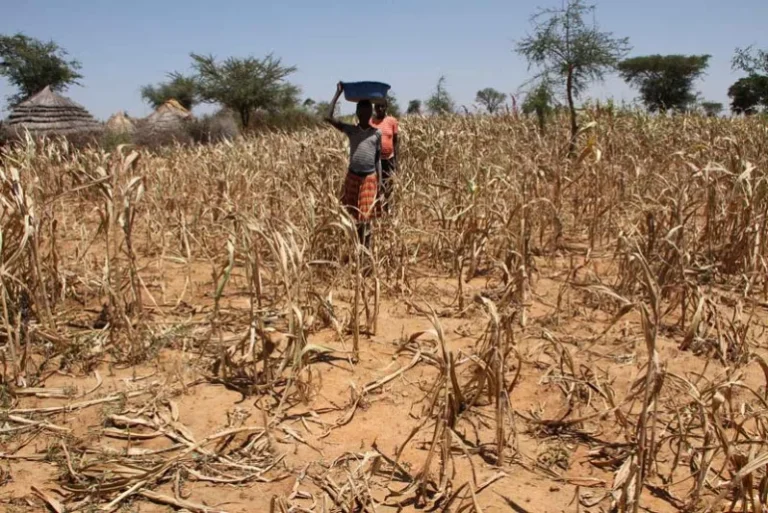
It is that time of the year when most parts of the country are dry with no rains to provide the necessary coolness. The hard hitting hot sun shining through much of the day can be discomforting. It leaves the body hot, dry and in need of moisturizing and nourishing.

The excessive dryness becomes evident in your patched skin, dry throats, chapped lips, harsh wind, and withered greenery. The only solution is to stay consistently hydrated and moisturized.

Staying hydrated is a simple yet critical part of maintaining good health. But most people just aren’t getting the fluids they need every day. As we age, drinking enough water is even more important.

Drinking enough water daily is important for your overall health. Proper water intake helps your body filter and eliminate waste and toxins through urination, perspiration and bowel movements.

As you navigate through this dry patch of the year, here are some of the reasons why you should keep a bottle of water near you.

Helps maximize physical performance

If you don’t stay hydrated, your physical performance can suffer. This is particularly important during high heat. Dehydration can have a noticeable effect if you lose as little as 2% of your body’s water content. This can lead to altered body temperature control, reduced motivation, and increased fatigue. Optimal hydration has been shown to prevent this from happening.

May help prevent and treat headaches

Dehydration can trigger headaches and migraine in some individuals. Research has shown that a headache is one of the most common symptoms of dehydration. Some studies have shown that drinking water can help relieve headaches.

A study in 102 men found that drinking an additional 1.5 liters of water per day resulted in significant improvements on the Migraine-Specific Quality of Life scale, a scoring system for migraine symptoms.  

May help relieve constipation

Constipation is a common problem that’s characterized by infrequent bowel movements and difficulty passing stool. Increasing fluid intake is often recommended as a part of the treatment protocol, and there’s some evidence to back this up.

Low water consumption appears to be a risk factor for constipation in both younger and older individuals. Increasing hydration may help decrease constipation. Studies have shown that mineral water that’s rich in magnesium and sodium improves bowel movement frequency and consistency in people with constipation.

May help treat kidney stones

Urinary stones are painful clumps of mineral crystal that form in the urinary system. The most common form is kidney stones, which form in the kidneys.  Higher fluid intake increases the volume of urine passing through the kidneys. This dilutes the concentration of minerals, so they’re less likely to crystallize and form clumps.

Water may also help prevent the initial formation of stones, but studies are required to confirm this. Water also helps flush harmful bacteria from your bladder and can aid in preventing urinary tract infections (UTIs).

Affects energy levels and brain function

Your brain is strongly influenced by your hydration status. Studies show that even mild dehydration, such as the loss of 1–3% of body weight, can impair many aspects of brain function.

Many other studies, with subjects ranging from children to older adults, have shown that mild dehydration can impair mood, memory, and brain performance. Dehydration can slow down circulation and affect the flow of oxygen to your brain.

A lack of fluids can also cause your heart to work harder to pump oxygen all throughout your body. All of that expended energy can make you feel tired, sluggish, and less focused. When you stay hydrated by drinking more water, you’ll prevent dehydration and have more pep to get you through the day.

Even mild dehydration—as little as 2% fluid loss—can affect memory, mood, concentration, and reaction time. Adding just a few glasses of water to your daily intake can have a positive effect on cognition, stabilize your emotions, and even combat feelings of anxiety.  

Can aid weight loss; control calories

Drinking plenty of water can help you lose weight. This is because water can increase satiety and boost your metabolic rate.

Some evidence suggests that increasing water intake can promote weight loss by slightly increasing your metabolism, which can increase the number of calories you burn on a daily basis.

A 2013 study in 50 young women with overweight demonstrated that drinking an additional 500ml of water 3 times per day before meals for 8 weeks led to significant reductions in body weight and body fat compared with their pre-study measurements.

The timing is important too. Drinking water half an hour before meals is the most effective. It can make you feel more full so that you eat fewer calories.

Food with high water content tends to look larger, its higher volume requires more chewing, and it is absorbed more slowly by the body, which helps you feel full. Water-rich foods include fruits, vegetables, broth-based soups, oatmeal, and beans.

Helps maintain the balance of body fluids

Your body is composed of about 80% water. The functions of these bodily fluids include digestion, absorption, circulation, creation of saliva, transportation of nutrients, and maintenance of body temperature. Through the posterior pituitary gland, your brain communicates with your kidneys and tells it how much water to excrete as urine or hold onto for reserves.

When you’re low on fluids, the brain triggers the body’s thirst mechanism. And unless you are taking medications that make you thirsty, you should listen to those cues and get yourself a drink of water, juice, milk, coffee but not alcohol. Alcohol interferes with the brain and kidney communication and causes excess excretion of fluids which can then lead to dehydration.

Digestive harmony

Your body needs water in order to digest food properly. Without enough, you may experience irregular bowel movements, gas, bloating, heartburn, and other discomforts that can hurt your quality of life. When you make it a point to stay hydrated, it can help get things moving in the right direction again. Water aids in breaking down soluble fiber from your diet to keep your digestion process on track. Mineral water is especially beneficial—look for products enriched with sodium and magnesium.

Better temperature regulation

Research shows that when you’re dehydrated, your body stores more heat. This in turn lowers your ability to tolerate hot temperatures. Hydrating with plenty of water helps you produce sweat when you’re overheated during activity, which in turn cools your body down. This built-in cooling mechanism is critical in preventing heat stroke and other potentially deadly heat-related conditions.

A healthier heart

Your blood is made up largely of water. When you don’t drink enough glasses of water, it becomes concentrated, which can cause an imbalance of vital minerals (electrolytes). These minerals, like potassium and sodium, are key to the proper functioning of your heart.

Improved detoxification

Sufficient water intake supports your body’s natural detoxification systems, which remove waste and harmful substances through urination, breathing, perspiration, and bowel movements. Hydrating with plenty of water supports your own powerful, built-in detox processes and can help enhance your overall health.

Water helps maintain normal bowel function

Adequate hydration keeps things flowing along your gastrointestinal tract and prevents constipation. When you don’t get enough fluid, the colon pulls water from stools to maintain hydration — and the result is constipation. Adequate fluid and fiber is the perfect combination, because the fluid pumps up the fiber and acts like a broom to keep your bowel functioning properly.

STEVEN MALAGALA EXCLUSIVE: It is a good feeling that people are now appreciating Lusoga music

0

If you have been around the music industry in Busoga, you probably know the name Steven Malagala and have definitely encountered his songs. He is someone rarely omitted at important musical events in Busoga. You can say he is a legend.

In this exclusive interview, Malagala, who is also the Local Council Three chairperson for Irundu Sub County in Buyende district, sat down with Busoga Times editor Baz Waiswa to talk about his musical journey, music in Busoga.

How did you first get into music, and what inspired you to pursue music as a career?

I started this music journey from when I was still in school, around primary five and six and above. I used to play almost all musical instruments, like the drums and the xylophone (embaire), and dance. I used to admire the guitar, but I had no access to it. I used to travel on foot from Bugodha to go for prayers at Fr. Wynad’s church in Kamuli because they had a guitar. But even there, I had no access to it. But I would get an adrenaline rush whenever I saw people playing the guitar. This was during the late 1980s.

After my senior four, I went to Luwero to start working. One time, while I was working as a tax collector, I saw a man, who was called Kyevunze, conducting guitar lessons. He taught me how to play the guitar. He also taught me how to compose, write, and arrange music. At the time, Fred Ssebata was the trending musician.

From there, I returned to Busoga and bought a guitar, and my music journey started. I started singing and performing; that is how I released my first tape (album) in May 1998. The title of the album was ebizibu ebyensi. I followed it up with ensi elikuwaba, omuze ogwobusenguze, ebya dilu, ekikwekabya, and many others until I released the album that has my most famous song called ebintu bisingagana, commonly known as buutu, in 2006.

And here we are today. I recently released a song in which I report to Kyabazinga how morals and cultural values in Busoga are decaying. We have children getting married as early as 14 years, cutting down trees like mangoes, oranges, etc. My latest song is Kyenabwoine ewa Neyimba, which I am launching at my concert on 1st March 2025 at Irundu Town Council, Buyende district.

I am happy that people have now started appreciating Lusoga music. When I started music, people did not support music from Busoga. I am the first Musoga musician to stage a concert in Busoga (ebivela); it used to be Kadongo Kamu artists from Buganda. This has changed. Today we have many Basoga artists.

I have personally mentored many musicians in Busoga, including Abadongole (Hoe & Yazo), Fida Malagala, Aisha Bisambi Biteleka, and many others. Today, I get calls from musicians saying I inspired them.

Who were your biggest musical influences growing up, and which musicians have had the biggest influence on your style?

At the time, we had Fred Ssebata and Paul Kafeero, and those were my favourites. But we also had Dan Mugula and Matia Kakumirizi. But when I was in Luwero, I got to appreciate Herman Basudde’s music. In Busoga, I was inspired by Moses Nabuti, now deceased. He later came to love my music.

What do you consider your strongest musical skill?

What I know about myself is that I am a good creator and composer. I believe there is no one as good as me in Busoga when it comes to composing music. When it comes to instruments, I play the rhythm guitar, and I am so good at it. I am also a great writer of music. I am a good composer and writer of music.

How do your personal experiences influence your music?

The person who taught me how to compose and write music emphasised two life topics—family and life challenges; these are always with us in life. That is why my songs are topical and everlasting.

What qualities do you look for in a person you are going to collaborate with?

Sometimes it his or her vocal abilities, sometimes it is his or her stage presence, or his or words that can make a good composition for people to enjoy.

How has collaboration shaped your music?

I haven’t collaborated with very many people. I am usually collaborating with my wife, Fida. But I have collaborated with Willy Mukabya, the Kadogo Kamu singer. But I have planned collaborations with Kadabada and Uncle Hoe. Other artists are approaching me, and we haven’t concluded.

How do you balance your personal life, politics, and your music career?

Politics is usually during the daytime. And you get to know government programs in advance so you can plan accordingly. However, some political programs are abrupt, which tends to interfere with my music appointments. What helps is that music is in the night. You can do the politics work during the day and rush to catch up with the music at night.

What are your thoughts on the current music industry landscape in Busoga?

It has been moving well. Many people are singing in Lusoga. Today, you can go to a function, and all the music playing is from Busoga. However, we still have a challenge with radio stations. I don’t know if presenters don’t enjoy Lusoga songs. A Musoga presenter can be on a program for hours but doesn’t play a Lusoga song, even when listeners request Lusoga songs.

Can you tell us about a song you’ve written that holds a special meaning for you?

Music is strange. It is like fathering children. You love them all, but you also notice their different good or bad attributes. My favourite song may not be the favourite for many of my fans. I never thought that Buutu would be a hit song; the song on that album that I thought would be a hit was Ndiroka Lwa Sente. But the favourite of my songs is called Otadhelega Mirimu. It came out on the Ekikwekabya album; however, people loved the song Ekikwekabya.

What are some of the challenges of the music business, and how do you navigate them?

People despise us so much, especially at places where we go to perform. People underrate us. They think we are nobodies. But things are changing. The other thing is that people never prioritise music and entertainment in their budgeting. We are the last on their budget list. For example, someone cannot come to a concert before taking their children back to school.

That is why I feel bad when singers disrespect people who have come to concerts to support us. Some of the people who come to our concerts are richer, more respected, and sacrifice a lot to come to our shows.

What changes would you like to see in the music industry?

The change I want among musicians in Busoga is to bring an end to bickering. We need to understand that we are brothers who should start working together. We shouldn’t celebrate when our brothers and sisters get challenges. We should cut down on words and walk together in the line of music.

What advice would you give to emerging artists?

I also implore young musicians to respect their elders in the industry. They should understand that we cleared the path that they are walking in today. Even if we have not given them anything, they should appreciate that we have brought Lusoga music from down to what it is today that they are enjoying.

How has the digital era influenced your music?

Everything has an advantage and a disadvantage. Before the computers came, when recording a song, there was no room for error. An error even when at the end of the song, it meant redoing the song. Today, you only cut out where the mistake is—you basically edit the recording. So, recording music is easier in this digital age.

However today, when you release a song, before you even reach home, the song is already in London. Before you make any money off it, the boys who distribute to people’s memory cards are eating money off your sweat. While you are waiting for a concert to make some money, the music distributor is eating money.

What projects are you currently working on?

First of all, I am a farmer. I have some heads of cattle, a poultry project, and a fruit farm. So, when I am not on the stage, I am able to survive. On the side of music, I have a launch concert titled Kyinabwoine ewa Neyiba; Tewevuma Katondo. On 28th April, we are in Buwologoma in Luuka district and then come to Irundu Town Council on 1st March 2025.

EDUCATING A NATION: What you need to know about the Competency-Based Curriculum and its relevance

0

By Nyago Bosco

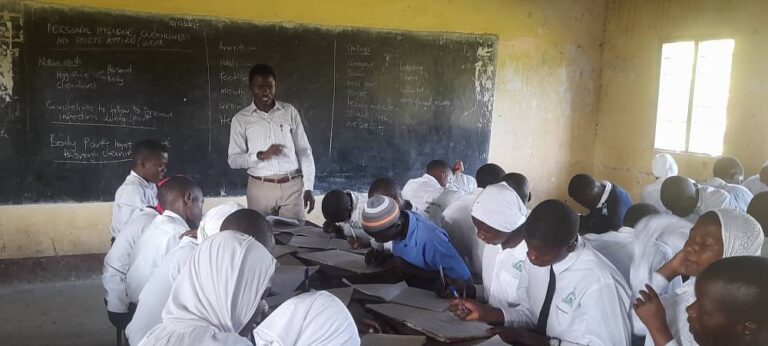
The Competency-Based Curriculum (CBC) in Uganda is designed to address the challenges of the traditional education system by focusing on practical skills, problem-solving, and real-world application of knowledge.

Its relevance and importance in the Ugandan context include: Skills-Oriented Learning – unlike the old content-heavy curriculum, CBC emphasizes hands-on skills, preparing learners for employment and entrepreneurship; Alignment with National Development Goals – the CBC supports Uganda’s Vision 2040 by producing a skilled workforce for economic growth and industrialization; Enhancing Critical Thinking – it encourages learners to analyze problems, think creatively, and develop innovative solutions, which is crucial for national development; and bridging the Skills Gap – Many Ugandan graduates face unemployment due to a lack of practical skills. CBC ensures students acquire relevant competencies required in the job market.

Others are Promoting Inclusivity and Adaptability – the curriculum is designed to accommodate diverse learning needs and abilities, making education more accessible and relevant to all learners; Integration of ICT and Digital Literacy – as Uganda moves toward digital transformation, CBC incorporates ICT skills, preparing students for the evolving job market; Continuous Assessment Over Exams – The shift from exam-based evaluation to continuous assessment helps track students’ progress in a more holistic way; and  Encouraging Lifelong Learning – By focusing on adaptability and problem-solving, CBC prepares students to continue learning beyond school.

Challenges so far encountered 

The implementation of Uganda’s Competency-Based Curriculum has encountered several challenges, but also achieved notable successes. The challenges include Inadequate Teacher Training: Many educators have not received sufficient training to effectively deliver the CBC, leading to difficulties in adopting new teaching methodologies; and Resource Constraints: Schools often lack essential materials and infrastructure to support competency-based learning, hindering effective implementation.

Other challenges are Assessment Limitations: Traditional assessment methods focusing on rote memorization are misaligned with the CBC’s emphasis on critical thinking and problem-solving; and Stakeholder Resistance: Some educators and parents exhibit reluctance towards the CBC due to unfamiliarity or skepticism about its effectiveness.

Possible solutions to these challenges

The challenges facing the new curriculum can be addressed throughEnhanced Teacher Professional Development: Implement comprehensive training programs to equip teachers with the necessary skills and knowledge for CBC delivery; Provision of Adequate Resources: Ensure schools are supplied with the required materials and infrastructure to facilitate competency-based learning; Reform of Assessment Strategies: Develop and adopt assessment methods that evaluate students’ competencies in critical thinking and problem-solving; and Stakeholder Engagement: Conduct awareness campaigns and workshops to inform and involve all stakeholders in the CBC implementation process.

Success Stories:

Teacher Training Initiatives: The government has trained a significant number of teachers to facilitate the CBC, enhancing their ability to deliver the new curriculum effectively.

Positive Student Outcomes: Early reports indicate that students are developing improved critical thinking and problem-solving skills under the CBC. Also the recently released O Level UNEB examination for the first cohort show significant improvement in performance.

These developments suggest that, despite challenges, the CBC is making strides in transforming Uganda’s education system.

Teachers and CBC

The implementation of Uganda’s Competency-Based Curriculum (CBC) has presented both opportunities and challenges for teachers. While the shift aims to enhance educational outcomes by focusing on practical skills and learner-centered approaches, educators have encountered several obstacles.

These include  

1. Insufficient Training: Many teachers feel inadequately prepared to deliver the CBC due to limited training opportunities. The initial government strategy trained 35% of in-service teachers, who were then expected to train their peers through a cascade model. This approach has proven less effective, leaving a significant number of teachers without proper guidance.

2. Resource Limitations: The successful implementation of CBC requires adequate teaching materials and infrastructure. However, many schools lack these essential resources, hindering effective curriculum delivery.

3. Assessment Challenges: Transitioning from traditional examination methods to continuous assessment has been difficult. Teachers often struggle with developing and administering assessments that accurately measure competencies.

4. Resistance to Change: Some educators are accustomed to traditional teaching methods and exhibit reluctance toward adopting the new learner-centered approaches mandated by the CBC.

Positive Developments

Despite these challenges, there have been encouraging signs:

  • Enhanced Student Engagement: Teachers have observed increased student participation and interest in learning activities, attributed to the practical and interactive nature of the CBC.
  • Professional Growth: The shift to CBC has prompted teachers to pursue further professional development, enhancing their instructional skills and adaptability.

Recommendations:

To support teachers in effectively implementing the CBC, the following measures should be adopted:

  • Comprehensive Training Programs: Establish ongoing professional development initiatives to equip teachers with the necessary skills and knowledge for CBC delivery.
  • Provision of Adequate Resources: Ensure that schools are supplied with the required materials and infrastructure to facilitate competency-based learning.
  • Assessment Support: Develop clear guidelines and tools to assist teachers in creating and implementing effective competency-based assessments.
  • Change Management Strategies: Implement programs to help teachers transition from traditional methods to the CBC approach, addressing resistance and fostering acceptance.

By addressing these areas, the implementation of the Competency-Based Curriculum in Uganda can be strengthened, leading to improved educational outcomes.

Parents’ support  

Parents play a crucial role in ensuring their children effectively benefit from the Competency-Based Curriculum (CBC). Here are key ways they can provide support:

1. Understanding the CBC Approach

  • Parents should familiarize themselves with the CBC to understand its goals, methods, and expectations.
  • Attend school meetings, workshops, and training sessions on CBC.

2. Encouraging Practical Learning at Home

  • Provide opportunities for hands-on learning, such as cooking, gardening, or simple science experiments.
  • Encourage creativity through arts, storytelling, and problem-solving activities.

3. Supporting Homework and Assignments

  • Help children with research-based and practical assignments without doing the work for them.
  • Provide a conducive environment for study and exploration.

4. Instilling a Positive Attitude Towards Learning

  • Encourage curiosity, critical thinking, and self-directed learning.
  • Praise effort and improvement rather than just focusing on grades.

5. Enhancing Communication with Teachers

  • Regularly engage with teachers to track the child’s progress and address any challenges.
  • Seek guidance on how to reinforce learning at home.

6. Providing Necessary Learning Resources

  • Equip children with basic materials such as books, internet access, and educational tools.
  • If possible, enroll them in extracurricular activities that complement CBC skills.

7. Promoting Social and Life Skills

  • Teach children communication, teamwork, and problem-solving skills at home.
  • Encourage participation in community activities, chores, and leadership opportunities.

8. Encouraging Digital Literacy

  • Introduce children to safe and productive use of technology, as CBC integrates ICT in learning.
  • Monitor their internet usage to ensure they access appropriate educational content.

9. Being Role Models

  • Demonstrate a love for learning by reading, exploring new skills, and showing curiosity.
  • Encourage discipline, responsibility, and a growth mindset.

10. Advocating for Better CBC Implementation

  • Work with schools and policymakers to ensure adequate resources and teacher training for CBC.
  • Join parents’ associations and participate in discussions about curriculum improvements.

By actively engaging in their children’s education, parents can maximize the benefits of CBC, making learning more meaningful and applicable to real-life situations.

In our next articles we shall explore some ways on how a teacher can leverage on ICT to efficiently and effectively deliver in the Competency-Based Curriculum.

Mr. Nyago Bosco is a sciences teacher at Naminyagwe Muslim Secondary School in Bugiri district. MOB Phone: +256 776 682130

CLIMATE ACTION: Advancing environmental public learning in Uganda

0

By Oweyegha-Afunaduula

You may or may not have heard of the idea of environmental public learning. More commonly we talk of environmental learning as if it is an individualist undertaking aimed at promoting environmentally conscious, environmentally sensitive interaction between individuals and the environment with the hope that everyone exposed to environmentally conscious, environmentally sensitive education will develop the attitude to take action towards conservation of the environment. However, environmental public learning also exists and is aimed at building public action in, for and about environmental conservation.

Environmental public learning is a way to educate people about the environment and encourage them to take action. It can include raising awareness, teaching skills, and developing a sense of responsibility towards the environment (AI) Its aim is multifold.:

Environmental knowledge: about the structure and function of the environment its dimensions (i.e., the ecological-biological dimension, the socio-economic dimension, the socio-cultural dimension and the time or temporal dimension) and their interconnectivity.

Environmental literacy: ecological principles, ecological systems, environmental systems and how humans and the environment are interconnected.

Environmental responsibility: the sense of personal and collective responsibility in, for and about the environment.

Environment as a living system: understanding that the environment is not just a thing to be exploited by humans for their selfish ends but a living system that needs care in order to support humans and other living beings.

Sustainable public actions:  environmentally informed policies and laws that help conserve the environment rather than promote insatiable exploitation to satisfy the greed and selfishness of humans, particularly those in power.

According to Oweyegha Afunaduula (1994, 2024), the “socioeconomic dimension of the environment” refers to the social and economic factors that influence and are impacted by environmental issues, including aspects like poverty levels, income distribution, access to resources, land ownership patterns, and community livelihoods, all of which play a significant role in how people interact with and depend on their environment of which they are integral. 

He advances that the “sociocultural dimension” of the environment refers to the social and cultural factor that influence and are impacted by environmental issues, including aspects like social organisation, culture how cultural groups interact with the environment, et cetera. Recently he wrote about how refugees and former refugees as migrant cultural groups are destroying the environment of Uganda, including land grabbing thereby erasing sacred sites of great conservation value (Oweyegha-Afunaduula, 2022) and the diverse ecologies of the country (Oweyegha-Afunaduula, 2023).

Lastly in his diverse writing on the environment since 1994 he has recognised the time or temporal dimension as a critical but most abused dimension of the environment, yet it is integrated in all the other dimensions of the environment in the sense that all processes in, across and between the dimensions occur at different time scales. Besides, the events in, across and between the different dimensions occur at different times, affecting the environment in various ways.

Unfortunately, the environment, in different environmental education undertakings, has been taught and learned as unidimensional, existing as just the ecological-biological dimension or the physical dimension.  The water we drink, the food we eat, the air we breathe, the soil we till, the minerals we seek, mountains, oceans, lakes, rivers, forests, et cetera belong to this dimension. Even the artificial physical things introduced in the environment by Man, Homo sapiens, such as buildings, dams, roads, nuclear plants, factories, cities, et cetera also belong to the ecological-biological dimension.

Accordingly, environmental learners think they have got enough knowledge, wisdom, understanding and insight about the environment once grounded in this dimension at all levels of education. They study biodiversity, climate change, pollution, conservation, sustainable development, environmental justice, reducing waste, recycling, reducing toxicity and hazardous waste, and protecting land, water, the atmosphere, forests, animals, and so on. Some become experts and professionals in any of these undertakings they become our environmental managers.

However, since the environment consists of four dimensions -the ecological-biological, the socio-economic, the sociocultural and the time or temporal dimensions -what all this means is that individual and public environmental learning, by focusing on one dimension only, is tackling one-quarter of the environment. The other three-quarters, consisting of three dimensions of the environment, is excluded.

Environmental learning by exclusion cannot be environmentally-conscious or environmentally-sensitive. It is the main reason why despite so much investment of time, energy, money and human capital the environment continues to supersonically hopelessly degrade before our own eyes.

There is need to rethink the way we teach people about the environmental to ensure that we develop knowledge, wisdom, understanding and insight on, in, for and about the environment holistically to include all its dimensions. When we do, environmental public learning will teach that humanity and the environment are connected through more than one dimension and that the dimensions themselves are not mutually exclusive but mutually inclusive (Oweyegha-Afunaduula, 1994, 2024).

Since the early 1990s I have been involved with the environment of Uganda after following a programme of instruction and research in the Biology of Conservation at the University of Nairobi, Kenya, in the early 1980s. The instruction was multidisciplinary, meaning that many disciplinary scholars were involved in enhancing my environmental learning, my environmental mindset changed so much that that I soon questioned whether multidisciplinary environmental learning was adequate to produce the cadre of environmental scholars, managers and conservationists we needed to meaningfully and effectively conserve the environment in its entirety. 

Multidisciplinarians believe that Environmental multidisciplinary study provides a comprehensive and holistic understanding of the environment and its issues, and contributes to the environmental and sustainability protection and improvement (BLOG, 2024).  However, this is not true. It stil provides disjointed environmental knowledge just as disciplinary environmental study does, although multidisciplinary environmental study allows knowledge workers to know what the other is doing without necessarily integrating their knowledge and methods.

Along the way, I got attracted to the views that:

the environment is multidimensional (i.e., ecological-biological, socioeconomic, sociocultural and time or temporal dimension) with the dimensions themselves also dimensional.

The dimensions of the environment are not exclusive of each other and dynamically interact and influence affect each other.

It is more useful to adopt the learning sciences of interdisciplinarity, crossdisciplinarity, transdisciplinarity and extradisciplinarity (or non-disciplinarity) if we are to meaningfully educate the next generation of environmental scholars, managers and conservationists with a holistic mindset and understanding of the complexity of the environment.

“Interdisciplinary learning about the environment” refers to an educational approach where students study environmental issues by drawing knowledge and perspectives from multiple academic disciplines, like biology, chemistry, geography, economics, sociology, and policy studies, to gain a holistic understanding of complex environmental problems and develop effective solutions. 

Cross-disciplinary learning about the environment” refers to an educational approach where students study environmental issues by drawing knowledge and perspectives from multiple academic disciplines, like biology, chemistry, geography, economics, sociology, and policy studies, to gain a holistic understanding of complex environmental problems and develop solutions that consider various factors involved. 

“Transdisciplinary environmental learning” refers to an educational approach that integrates knowledge and perspectives from multiple disciplines like ecology, economics, social sciences, engineering, and humanities to comprehensively understand and address environmental issues, going beyond traditional boundaries of individual fields to collaboratively find solutions to complex problems (wild problems) through diverse viewpoints and practices. 

Extradisciplinary environmental learning may refer to environmental education that incorporates knowledge and methods from multiple disciplines. However, more precisely it eliminates the need to evoke disciplines in its methodology of learning. That is why it is also called non-disciplinary environmental learning. This approach can help students and public learners develop a sense of environmental consciousness and inspire them to take action. 

My appeal to universities, especially in Africa, that have environmental training programmes is that they should shift form disciplinary and multidisciplinary environmental studies programmes and instead adopt environmental studies by the new learning sciences of interdisciplinarity, crossdisciplinarity, transdisciplinarity and extradisciplinarity or nondisciplinarity. These can be run concurrently on a university campus that is open to new and different knowledge production cultures and/or systems. This will be the best way to encourage and advance environmental public learning in Africa in general and Uganda in particular.

For God and My Country.

Further Reading

BLOG (2024). Explain the Multidisciplinary Nature of Environmental Studies. O.P Jindal University, March 1 2024. https://jgu.edu.in/blog/2024/03/01/multidisciplinary-nature-of-environmental-studies/ Visited 2 March 2025 at 11:35 am EAT

Njoroge Linda (2023). Oweyegha-Afunaduula: Why effective environmental conservation requires aligning environmentality and governmentality. Ultimate News,  https://ultimatenews.co.ug/2023/06/oweyegha-afunaduula-why-effective-conservation-requires-aligning-environmentality-with-governmentality/ Visited on 2 March 2025 at 9:21 am EAT

Oweyegha-Afunaduula (1994). Towards environmentally conscious curriculum design at Makerere University, Uganda. Dialogue (Kampala, Uganda), Volume 1 Issue 1: 30-33.

Oweyegha-Afunaduula (2022). How refugees and former refugees are destroying the environment of Uganda. The Kampala Report, November 30 2022. https://www.thekampalareport.com/talk-back/2022113021674/how-refugees-and-former-refugees-are-destroying-the-environment-in-uganda.html Visited on March 2025 at 10:27 EAT.

Oweyegha-afunaduula (2023). Environmental governance for diverse ecologies in Uganda: Is it possible? MUWADO, December 1 2023. https://muwado.com/environmental-governance-for-diverse-ecologies-in-uganda-is-it-possible/?v=2a0617accf8b Visited on 2 March 2025 at 10:35 EAT.

Oweyegha-Afunaduula (2024). How Eroding Traditional Cultures Is Simultaneously Eroding Our Environment in Uganda. Ultimate News, February, 13 2024. https://ultimatenews.co.ug/2024/02/oweyegha-afunaduula-how-eroding-traditional-cultures-is-simultaneously-eroding-our-environment-in-uganda/ Visited on 2 March 2025 at 9:09 am EAT.

Oweyegha-Afunaduula (2024). Rethinking the environment for effective environmental management and conservation of Uganda’s diverse ecologies. Muwado, November 26 2024. https://muwado.com/rethinking-the-environment-for-effective-environmental-management-and-conservation-of-ugandas-diverse-ecologies/?v=2a0617accf8b Visited on 2 March 2025 at 9:15 am EAT.

Oweyegha-Afunaduula (2024). Why the environment continues to decay and collapse despite enormous knowledge, awareness and concern. MUWADO, March 25 2024. https://muwado.com/why-the-environment-continues-to-decay-and-collapse-despite-enormous-knowledge-awareness-and-concern/?v=2a0617accf8b Visited on 2 March 2025 at 9:25 am EAT.

The Ultimate Editor (2024). Oweyegha-Afunaduula: How I revolutionised Environmental Training at Makerere University from 1991 to 2009. Ultimate News, February 21 2024. https://ultimatenews.co.ug/2024/02/oweyegha-afunaduula-how-i-revolutionized-environmental-training-at-makerere-university-from-1991-to-2009/ Visited on2 March 2025 at 10:16 am EAT

The agony of narrowing all security to physical security in Uganda: threat of climate and mental illness

0

By Oweyegha-Afunaduula

As Uganda’s leaders in the Executive and the Legislature fidget with encroaching on the UPDF Act in order to ensure that civilians continue to be tried in military courts if they are found with guns, the falsehood that guns constitute the greatest threat to our security continues to mushroom in the high echelons of power. This has meant that a lot of time, energy and money are allocated to containing gun-related security. However, climate swings and mental illness promise to be the greatest worry for the greatest number of Ugandans.

Unfortunately, the threats of climate swings and mental illness continue to receive the slightest attention from the planners and executers of our security at the highest level of political and military decision-making in the country. It is an agony to reduce all security to physical security mediated by the gun. It is a falsehood. It leaves other types of security insignificant in our security equation, thereby making our total security insecure.

In this article, I want to write about the threat of mental illness in our security. As I write, Uganda does not seem to have an effective law to address mental illness related security, which may or may not involve guns.

Mental illness is mushrooming and affecting Ugandans across all social strata, although a lot of studies need to be carried out to establish the differential levels between the social levels. It would be dangerous if mental illness proliferates among our security organs.  It would explain why gun-wielding soldiers, policemen and intelligence officers are becoming a great threat to the physical security of Ugandans.

During the opening of mental health month (May, 2022), officials from the Ministry of Health in Uganda stated that about 14 million people of the 43·7 million population have a mental illness. The approximate prevalence of about 32·0% was higher than in previous national estimates of 24·2%;1 the prevalence might be higher due to the pervasive social stigma and taboos associated with accessing mental health services and the impact of the COVID-19 pandemic (Kaggwa, et. al. 2022).

There is a silent mental health crisis not only among men (BMJ Global GH Blogs, 2023) but also among women and children across different age groups. Unaddressed mental health disorders can exacerbate substance abuse, domestic violence, and even lead to suicide. When men suffer silently, it creates a ripple effect that impacts their relationships, productivity, and overall well-being. (MBJ GH Blogs, 2023).

In Uganda, children make up about half (56%) of the total population, and they often present with multiple physical, mental health, and educational challenges.1,2 Large numbers of Ugandan children live in communities with high rates of chronic poverty (38%), domestic violence (30%), physical violence toward children (80%), depression (33 to 39%), malaria (70 to 80%), and HIV or AIDS (6%). All these factors require thoughtful policy interventions that will allow Ugandan children the opportunity to thrive and lead healthy and productive lives (POLICY REPORT PREPARED FOR THE PARLIAMENT OF UGANDA, 2018).

Mental health challenges that emerge during childhood and adolescence may compromise healthy transition to adulthood and increase economic and social costs for families, governments, and society in general. For instance, childhood disruptive behavior disorders, if not addressed, are associated with adverse outcomes, including academic problems (e.g., school dropout), social impairment, a higher incidence of chronic physical problems, unemployment and legal problems, substance abuse and violence as adults ((POLICY REPORT PREPARED FOR THE PARLIAMENT OF UGANDA, 2018).

Moreover, studies show that a substantial proportion of mental health challenges in adults originate during childhood and adolescence.15 Hence, addressing mental health challenges in early developmental stages has been set as a priority for the global child health agenda ((POLICY REPORT PREPARED FOR THE PARLIAMENT OF UGANDA, 2018).

During epidemics such as that of Covid 19 five years ago, people can develop mental problems. Studies conducted in Uganda reported high levels of psychological distress, depression, and anxiety among various groups during the Covid 19 epidemic. Mental health and psychosocial support are vital in epidemic and pandemic responses, underscoring the need for health systems to equip themselves to address emergent mental health challenges, while also ensuring ongoing support for those with pre-existing mental health conditions (Anita Arinda, et.al., 2024).

On the whole mental disorders threaten to collectively constitute the greatest security threat in Uganda. Mental illness occurs on a scale of 1-10. One is extremely sick towards 10. Besides, one’s mental health may swing from 1 to 10 and back. In that case, moods may swing wildly. A person may be calm in the morning but violent at night. Way back in early millennium someone knowledgeable about mental health issues told me that of the four people in front of me on any street of Kampala one may be tending towards 10 on the scale. That sounded threatening. I imagined that that could also be the case among a group of soldiers or policemen seeking to control the movements and actions of Ugandans. I thought about the consequences of unsuspecting citizens clashing with such a group.

Many deaths are being caused by mentally sick people, either to themselves or others. Apparently, the majority do not use guns to commit crimes. They use objects like knives, pangas, nails, stones, nail cutters, et. cetera. In most urban, peri-urban and rural areas, the mentally sick constitute the greatest security threat to Ugandans than gun-wielding criminals.

There is need to take mental health related issues far more seriously than before and allocate adequate time, energy and money to confronting them in Uganda. Govern must de-mystify gun-related security and release funds unfairly allocated to gun-caused insecurity to fund mental health security and other types of security adequately. For lack of space, I have excluded other types of security that need to b e taken seriously such as ecological security, environmental security, and climate security. Many people have lost their land to grabbers of land, more frequently of exogenous origin, and emerged as mentally deranged people when they have found themselves displaced and unable to connect with their ancestral lands to farm and support their families. Unsupported children have consequently become mentally deranged. Therefore, mentally sick people in Uganda are today mainly internally displaced people. As things are, state guns are likely to point at than protect them even when their mental faculties are not serving them well. In that case, they are foreigners in their own country and biological substances.

Yes. The agony of reducing all security to physical security is real! It is not too late to rethink security in Uganda and redirect the National budget to intelligently address all dimensions of security in Uganda adequately. So much money continues to be wasted in administration and politics.

For God and My Country.