


By Simon Mbago
For years, 27-year-old Richard Wabwire believed agriculture was a waste of time. Having dropped out of Senior Five, Wabwire left his home in Mpenzya A Village, Mazuba Sub-county in Namutumba District and moved to Kampala in search of a better life. He secured a job as a web operator at Inline Printing Services, where he worked for two years earning a daily wage of about Shs4,000.
Despite his determination, life in the city offered little opportunity for advancement. “I thought no one could transform through digging,” Wabwire recalls. “The salary was very low and business at the company was declining. Eventually, I had to return to the village with nothing.”
Today, however, Wabwire is a successful groundnut farmer, homeowner, employer and youth leader whose story is inspiring many young people across Busoga to reconsider agriculture as a viable path to prosperity.
A Turning Point
After returning home, Wabwire’s father gave him one acre of land. Around the same time, he joined Basoka Kwavula Saving Group, a 30-member youth group in Mpenzya Village.
His fortunes changed further when the group was enrolled under the Stimulating Agribusiness for Youth Employment (SAYE) project in 2024.
Implemented by Heifer International Uganda in partnership with the Mastercard Foundation, the SAYE project seeks to empower 250,000 young people aged between 16 and 35 through agribusiness opportunities. The initiative particularly targets women and persons with disabilities, helping them secure dignified and sustainable employment.
Project officials mobilized and trained young people in Namutumba on modern farming practices and agribusiness opportunities. The trainings convinced Wabwire to give agriculture a chance. “They taught us the importance of agriculture and how it can change our lives. That is when I decided to try my luck,” he says.
Harvesting Success
Through the project, Wabwire received quality groundnut seed and planted his four-acre piece of land he hired to add on his father’s one acre.
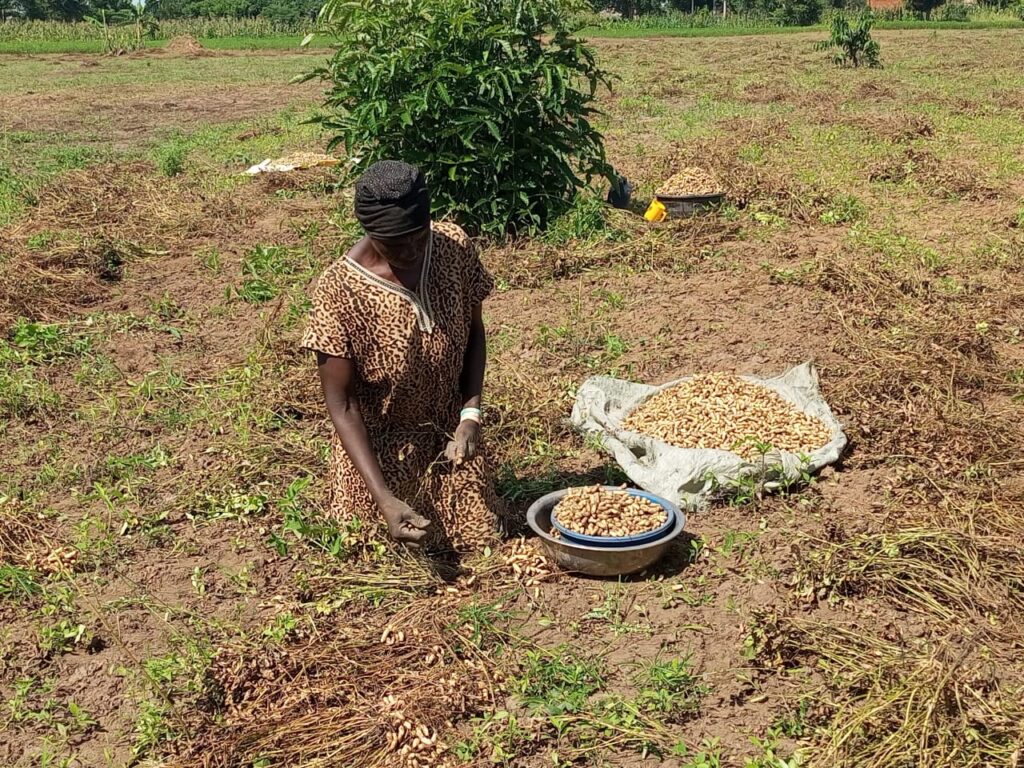
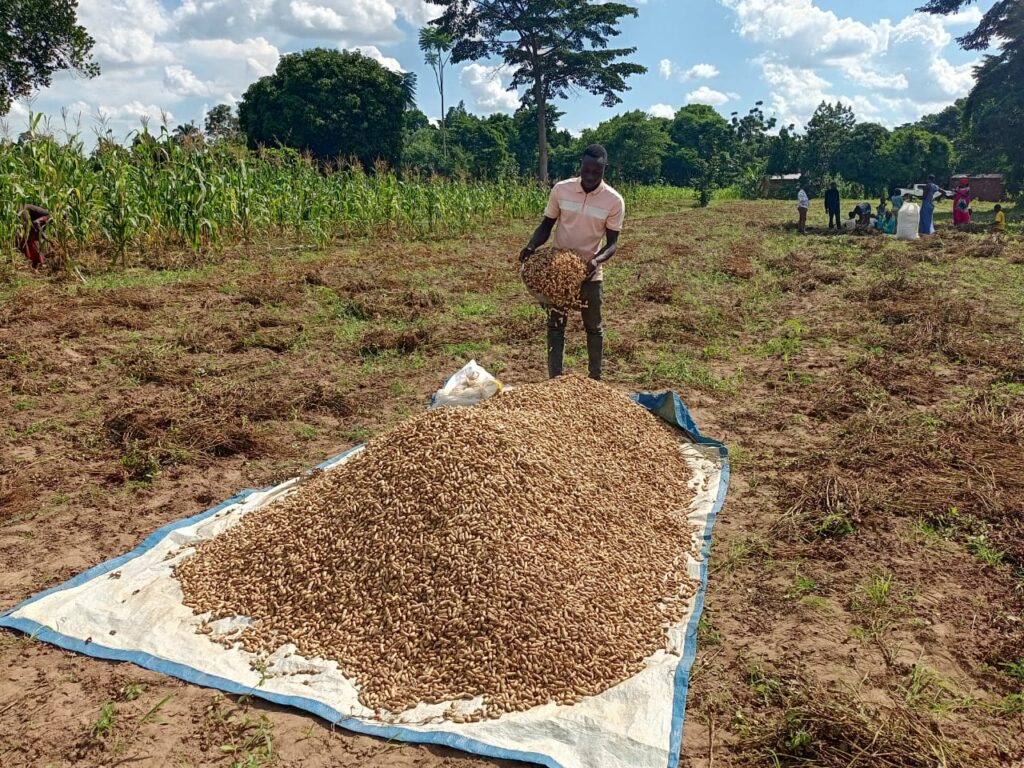
The results exceeded his expectations. At harvest time, he produced about 1,400 kilograms of milled groundnuts, a yield that transformed his perception of farming. “It was indeed a challenge to me. I didn’t expect that harvest. It was very productive,” he says with a smile.
Unlike many farmers who are forced to sell produce cheaply to middlemen, Wabwire and his colleagues benefit from structured marketing arrangements facilitated through Agrinet, a market linkage platform supported by Heifer International.
“Local traders buy groundnuts at about Shs4,000 per kilogram, but through Agrinet we can sell at around Shs6,000. We are encouraged to store our produce and sell collectively for better prices,” he explains.
The project also provides fertilizers and other farm inputs, helping farmers improve productivity.
Building a Home Through Farming
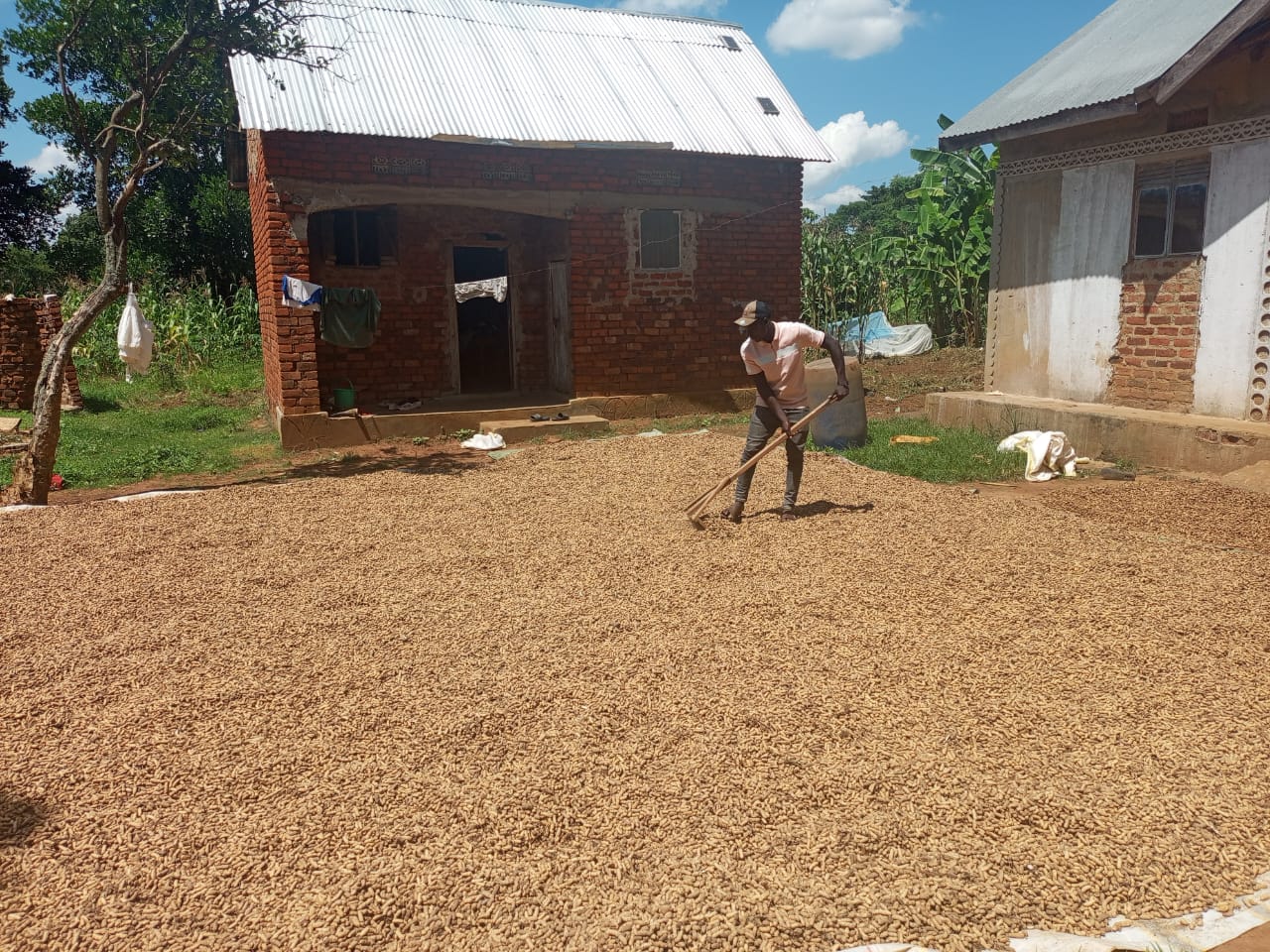
The profits from groundnut farming have enabled Wabwire to achieve what once seemed impossible. Standing proudly beside his newly constructed four-bedroom house, he reflects on how far he has come.
“I am now an employer,” he says. “People dig for me and I pay them. During harvesting, I cannot do everything alone, so I hire workers.” His success story has become one of the most visible examples of how youth-focused agricultural interventions can transform rural livelihoods.
A Veteran Farmer’s Perspective
For veteran farmer Jessica Babita, groundnut farming has long been a source of livelihood. Having cultivated the crop for over 40 years, she says it enabled her to educate her children and support her family.
“I can harvest up to 20 sacks from an acre when the season is good,” she says. However, Babita notes that fluctuating market prices remain a major challenge for farmers. “Groundnuts should be sold at not less than Shs6,000 per kilogram. The prices offered by local traders are too low,” she says.
Diversifying Through Goat Rearing
Inspired by their farming success, members of Basoka Kwavula Saving Group have ventured into livestock farming. The group pooled resources and started a goat-rearing project with only two local goats.
Today, the project boasts 33 goats, managed by a caretaker who earns a monthly salary of Shs150,000. Each member contributes Shs40,000 toward the operation of the farm, and once the group accumulates about Shs200,000, they purchase additional goats.
“We started with two goats and now we have 33. We are seeing real progress,” Wabwire says.
Group member Eria Mbayo believes agriculture has restored hope among many young people. “We are now confident that we can transform our lives through agriculture,” he says.
Challenges Remain
Despite their achievements, the farmers continue to face obstacles. Prolonged droughts threaten production, while inadequate processing equipment and transportation costs reduce profitability.
Wabwire says farmers travel long distances to access machines that remove shells from harvested groundnuts. “We need irrigation systems to help us during dry seasons. We also need support for transportation and milling equipment so that we can process our produce more efficiently,” he says.
Looking Ahead
The group has ambitious plans for the future. Its members hope to establish a large storage facility that will enable them to aggregate produce and supply large buyers across Uganda. “Our dream is to have a big store so that if any company needs tonnes of groundnuts, we can supply them,” Wabwire says.
Transforming Communities
According to Richard Musana, the Assistant Resident District Commissioner of Namutumba District, the SAYE project is already delivering tangible results.
“The young people have acquired valuable agribusiness skills and many have established their own businesses. We have a young man who has completed building a house because of this project, and he is not alone. Many others are succeeding,” Musana says.
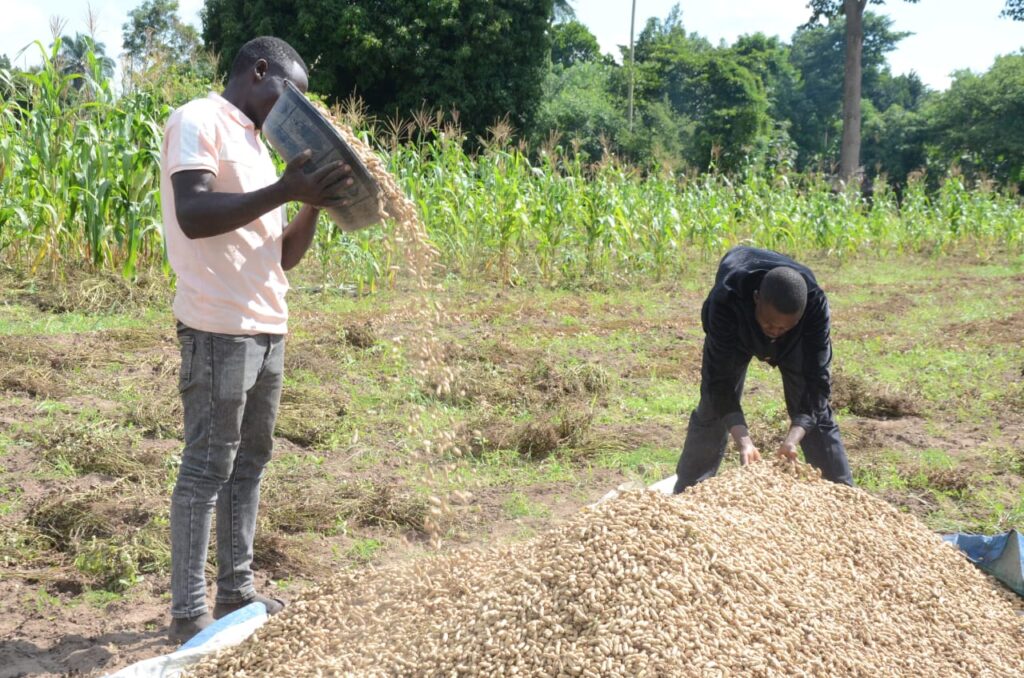
He notes that the initiative complements the government’s Parish Development Model (PDM) by creating employment opportunities and reducing poverty among rural youth.
“If such programs continue, unemployment will soon become history not only in Namutumba but across the Busoga sub-region,” he adds.
For Wabwire, agriculture is no longer the symbol of hardship he once imagined. Instead, it represents opportunity, dignity and a future he is helping to build—one harvest at a time.
What began as a reluctant return to the village has become a remarkable journey from unemployment to entrepreneurship, proving that with the right support, young people can find prosperity in the soil beneath their feet.
Located in eastern Uganda, Namutumba District is widely known for its thriving groundnut production. The district’s two counties of Busiki and Bukono have, for generations, cultivated groundnuts as both a commercial and food crop, making it a staple in nearly every household.
Groundnut farming has become deeply embedded in the local culture, with vast stretches of farmland dedicated to the crop each planting season. It is within this agricultural landscape that Richard Wabwire’s success story has unfolded.
According to Wabwire, this season has been even more promising. With harvesting still ongoing, he has already stored 90 sacks of groundnuts and expects the final harvest to exceed 150 sacks. “We had enough rain this season. That is why the crop has yielded very well,” he says.
The impressive harvest reflects not only favorable weather conditions but also the impact of improved farming practices and quality inputs introduced through the SAYE project.