Sunday, March 15, 2026
Home Blog Page 10

COMMON AMBITION: How 10th Olwekobaano Energy Expo and Conference strategic partnerships are driving Busoga’s energy transition

0

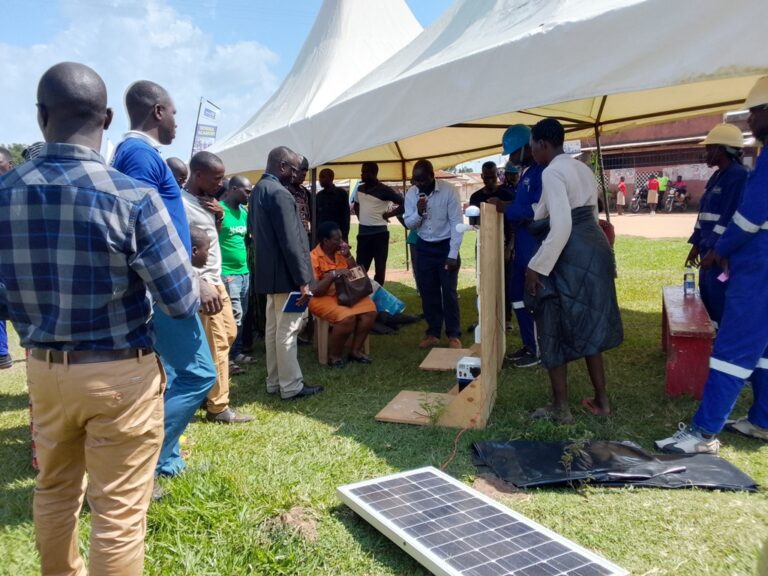
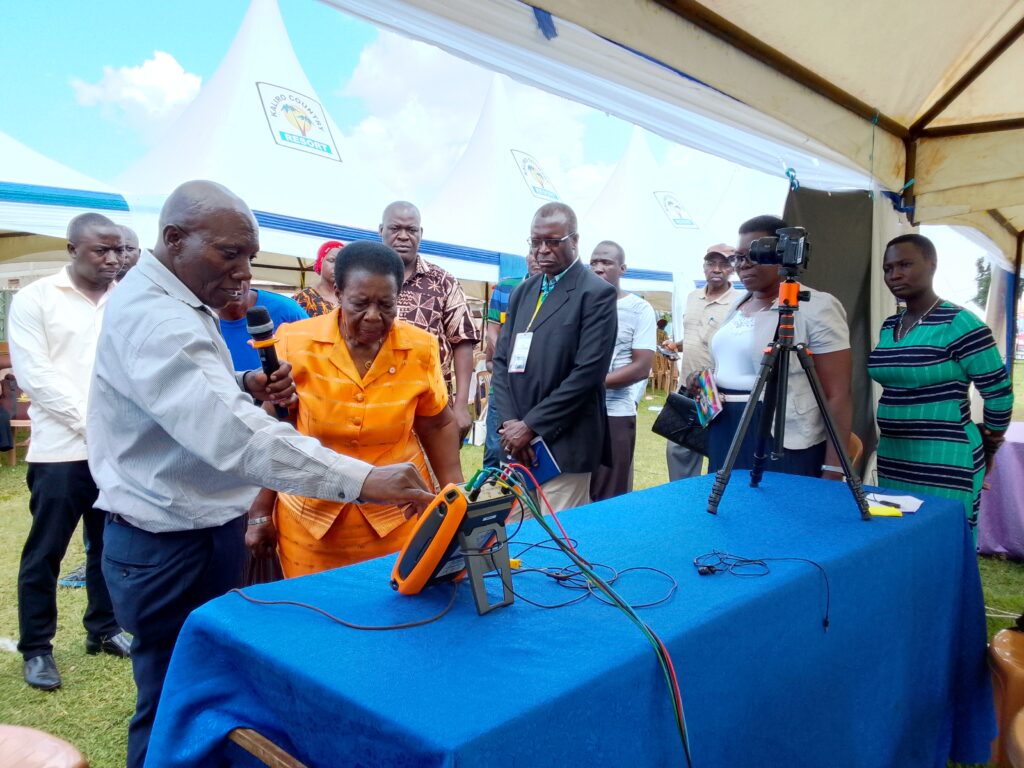
As Busoga prepares to host the 10th Olwekobaano Energy Expo 2025, scheduled for 12th–15th December at the Green Belt in Kaliro and the Kaliro Country Resort, one theme stands out clearly—strategic partnerships are powering the region’s shift toward clean, reliable, and community-centred energy solutions.

From solar innovators to educational institutions, development agencies, and district authorities, the network behind the expo reflects a united drive to transform Busoga’s energy landscape.

Dr. Charles Mbalyohere, President of Busoga Yaiffe, the organisers of the expo, said the collaboration among local and international partners is the foundation of the event’s success and the region’s long-term resilience.

“Energy transformation cannot be achieved by one actor alone. What we see at the Olwekobaano Expo is a community of partners—each contributing expertise, technology, and resources. Together, we are accelerating Busoga’s move toward clean and affordable energy for every household,” Dr. Mbalyohere explained.

The 10th Olwekobaano Energy Expo 2025 has attracted partners like the Kaliro District Local Government, World Vision, Centenary Bank, the Office of the Senior Presidential Advisor on Busoga/Poverty Alleviation, Kaliro Country Resort, Makerere University, Obwazibondo Bwa Bulamogi, the Uganda Solar Energy Association, Open University, and SENDEA, among others.

Energy Industry Leaders Amplify Impact

Partners such as the Uganda Solar Energy Association (USEA) continue to play a critical role in pushing renewable solutions deeper into rural communities. A USEA official underscored the importance of the expo as a platform for meaningful engagement.

“The Olwekobaano Expo allows us to interact directly with end-users and build awareness about safe, quality, and affordable solar technologies. Strategic partnerships like these are essential to scaling up renewable energy access across the country,” the official noted.

SENDEA, a network supporting energy enterprises across Africa, emphasized that collaboration is the engine of innovation.

“By working with Busoga Yaiffe and other partners, we amplify the reach of clean energy entrepreneurs and make technologies more accessible to rural communities. This expo is a practical example of partnership in action,” a SENDEA representative said.

Education Institutions Strengthening Skills and Energy Literacy

The National Teachers College (NTC) Kaliro, one of the expo’s strategic partners, highlighted the importance of integrating energy education into local institutions.

“As a training institution, we see the need to equip young people with skills in renewable energy, climate resilience, and innovation. Our partnership with the expo bridges academic learning with real-world solutions,” an NTC Kaliro official said.

The Open University, which promotes global learning and research, echoed this value. “We support the Olwekobaano Expo because it strengthens knowledge exchange between local communities and global actors. Energy transition depends on learning, innovation, and shared commitment,” a representative from The Open University remarked.

World Vision, a long-standing community development partner, expressed optimism about the role of strategic alliances in improving welfare.

“Access to clean energy improves education, health, and household income. Our collaboration with the expo helps ensure that the most vulnerable communities benefit from technologies that change lives,” a World Vision official said.

District Leadership Welcomes the Power of Partnerships

Kiduma Rogers, the Assistant Resident District Commissioner (RDC) of Kaliro District, the host district for this year’s expo, applauded the strength of the partnerships driving the event.

“Kaliro is honored to host an expo that brings together such a diverse team of partners. These collaborations are the reason Busoga is steadily advancing in clean energy adoption. This is the future we want for our people,” the ARDC said.

“Busoga Yaiffe and the Olwekobaano Expo & Conference continue to advance good farming practices and drive development across Busoga. This expo is transforming mindsets and equipping our communities with the skills needed for proper and productive land use. I encourage everyone attending to put into practice what they see and learn so we can improve our household incomes and strengthen our region.” Kiduma said. 

Exhibitors Showcase Innovation Born of Collaboration

Exhibitors, ranging from solar irrigation providers to clean cooking innovators and electric mobility startups, are benefiting directly from the collaborative environment created by the expo.

A solar irrigation exhibitor noted that working alongside partners like USEA and SENDEA helps them reach farmers who need their technologies the most. The expo opens doors that would otherwise be unreachable, he said.

A clean cooking exhibitor added, “Partnerships make it possible for small innovators like us to scale. At the expo, we meet communities, financiers, and policymakers all in one place. That is priceless.”

A Region United for a Clean Energy Future

With each edition, the Olwekobaano Energy Expo demonstrates that Busoga’s energy transition is not driven by isolated efforts but by a powerful ecosystem of strategic partnerships.

From grassroots innovators to global institutions, every partner contributes a vital piece to the region’s clean energy puzzle.

As Dr. Mbalyohere summarised: “Partnerships are the fuel of progress. When we join hands, Busoga moves forward—stronger, cleaner, and more empowered.”

The 2025 Expo is set to showcase not just technologies but the collaborative spirit shaping a sustainable future for the region.

MASTULA NAMATOVU: Kamuli Municipality NRM flag bearer prioritises talent development

0

By Ali lukomo

The Kamuli Municipality political contest is gaining momentum, with National Resistance Movement (NRM) flag bearer Mastula Namatovu placing talent development at the centre of her campaign message.

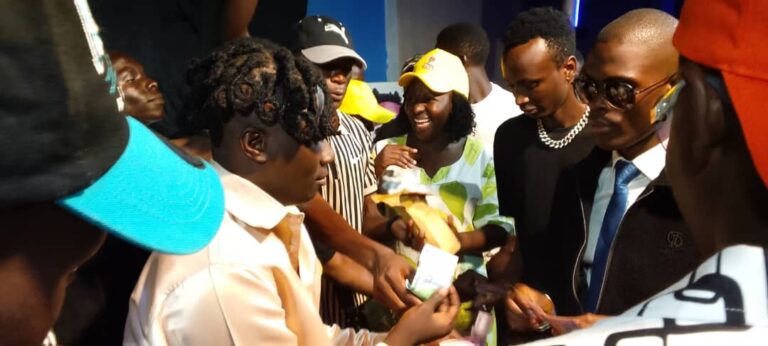
Her commitment was on full display during the recent “Kim Nana For You” concert held at Country Club, headlined by rising Busoga artist Muyobo Dauda, popularly known as Kim Nana. The event, which attracted large numbers of youth, was fully financed by Hon. Matsuula and her campaign team as a demonstration of their dedication to nurturing young talent through her initiative, Zharafa Music.

Speaking at the concert, Mastula, also known by her slogan Ekidhuuma Ekito, said that although she is actively campaigning, she believes talent development is a key pathway to empowering young people and building a productive community.

She highlighted ongoing activities such as the Mozey Christmas Cup, a sports event organised by her team, as examples of platforms where young people are being supported to showcase and grow their abilities.

Kim Nana, one of Busoga’s fast-rising artists with the national hit song “Osina”, credited Zharafa Music for helping open new opportunities for him and other musicians from Busoga North. The agency aims to elevate more young artists into Uganda’s entertainment industry.

Mastula pledged continued support for all forms of talent, saying she will prioritise youth initiatives that add value to society. She also encouraged young people to form SACCOs to enable her office and other stakeholders to support them more effectively through organised groups.

Electoral Commission condemns violence at Robert Kyagulanyi’s rally in Gulu; calls for investigations and restraint

0

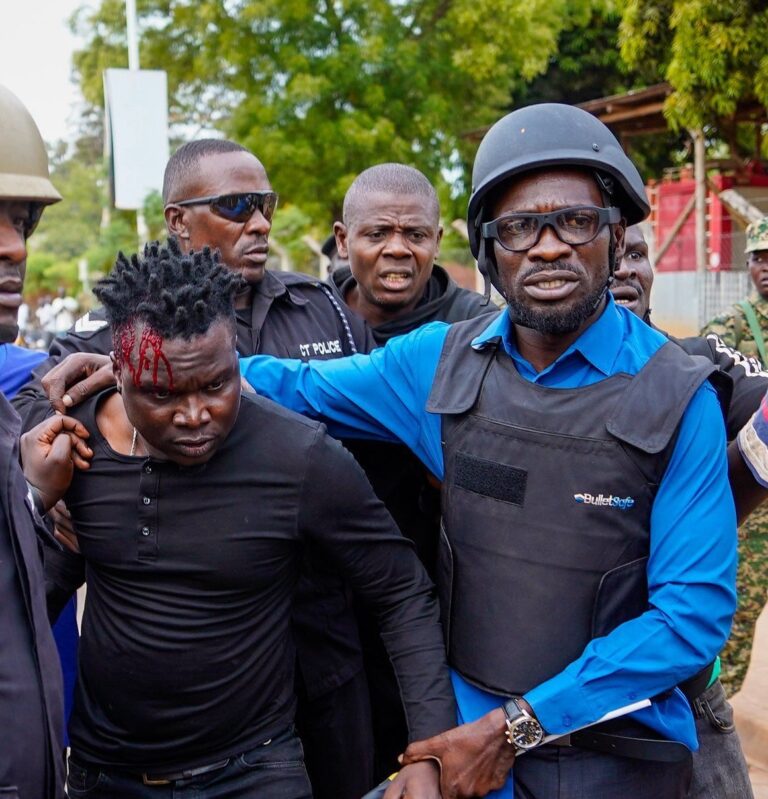
The Electoral Commission has strongly condemned the violent clashes that erupted on Saturday during presidential candidate Robert Kyagulanyi Ssentamu’s campaign rally in Gulu.

In a statement issued on Sunday, Commission Chairperson Justice Simon Byabakama described the scenes as “unfortunate and uncalled for,” noting that the incident occurred barely days after a joint meeting between agents of all presidential candidates and the Uganda Police Force aimed at promoting peaceful campaigns.

According to the Commission, all stakeholders at the earlier meeting had committed to following the law and ensuring a peaceful campaign environment across the country. The violence in Gulu, therefore, stands in direct contradiction to those commitments.

Justice Byabakama emphasized that every duly nominated presidential candidate is legally permitted to campaign in any part of Uganda, provided they comply with the established laws and guidelines. He urged all parties involved in the electoral process to uphold peace, restraint, and respect for democratic principles.

“If there is any disagreement on the campaign trail, the Commission appeals for dialogue, not violence and confrontation,” he said.

The Electoral Commission has called on the Uganda Police Force to investigate the circumstances that led to the confrontation and to ensure that those responsible face the full force of the law. The Commission also urged law enforcement agencies to apply proportionate and humane methods when enforcing electoral guidelines.

The incident in Gulu adds to growing concerns about tensions ahead of the upcoming elections. The Commission reiterated its commitment to delivering a free, fair, and credible electoral process and urged the public to reject violence in all its forms.

DEMOCRACY: Africa’s poor quality of elections continues – the case of Uganda

0

By Oweyegha-Afunaduula

As a public intellectual of more than 30 years who was also exposed to so many Nile challenges, problems and issues as the first Ugandan, and first East African, to lead the regional non-governmental organisation for 12 countries in the Nile Basin called Nile Basin Discourse, there is nothing of public interest that I cannot address with an independent and critical mind.

If I don’t, there aren’t many public intellectuals that can because the space for public intellectuals in Uganda has been invaded by nincompoops and ignoramuses of the status quo; most public intellectuals have been forced to withdraw, and their space is now burdened by fear and silence.

I have persistently and consistently tried to keep public intellectualism alive and kicking from my retirement home at Nawaka in Luuka, but it has not been easy because of a combination of ill-health, poverty and lack of necessary facilities.

However, when you are a public intellectual in retirement, you are not easily noticed by those who would be willing to support your work of clarifying and articulating issues for the public. You go it alone. It is best if you are fearless, courageous and ready to sacrifice a bit of your quality time to educate the public and its leaders.

In this article, I want to address the issue of the quality of elections in Africa with particular reference to Uganda. I have chosen Uganda because since President Tibuhaburwa Museveni offered himself for electoral elections after dallying with the idea of a one-party state for 10 years since capturing the instruments of power through the barrel of the gun in 1986, the quality of elections in the country has been plummeting.

This has been largely because of the choice of the regime in power to use the army and police to disadvantage the Opposition in the name of peace and security. Perhaps the emergence of Kyagulanyi Ssentamu, alias Bobi Wine, as a new political force in a country where the incumbent president has been able to create his own opposition at public expense has overstretched the regime in power, causing it to apply high-handed military and police methods to contain him. Unfortunately, this has instead thrown into question the seriousness, meaningfulness and effectiveness of the democratisation process in Uganda.

First, what is meant by “quality” and the phrase “quality of elections”? ‘Quality’ means many things in one: standard, grade, class, calibre or value. So when applied to elections, it may mean the standard, grade, class, calibre or value of the elections. If the standard, grade, class, calibre or value of the elections is high, then this quality is high.

This implies that we can actually measure the quality of the elections. We can do so by targeting particular stages of the electoral process and the factor affecting the quality of the elections.

When the colonial rulers of Africa started to leave the continent, they seem to have resolved together that power should be sought through multiparty elections. However, in most African countries, both multipartism and the electoral processes have been abused by incumbent politicians who want to overstay in power until death makes them part with the topmost public offices.

In Uganda, the British colonial rulers conducted the first multi-party elections in March 1961, which brought the Democratic Party’s Benedicto Kiwanuka into power as the first Chief Minister of Uganda. However, he was not really given the instruments of power until they were about to conduct another general election in April 1962.

Those elections brought Uganda People’s Congress’s Apollo Milton Obote into power, but he had to strike a political alliance with the Kabaka Yekka party to secure a majority over the Democratic Party to qualify as the first Prime Minister of Uganda.

He had to wait until 1962 to get the instruments of power from the British Colonial government, although the Queen of England, Elizabeth, continued to be the Head of State until 9th October 1963, when Sir Edward Muteesa II of the Kingdom of Buganda became the first President of Uganda and Sir William Wilberforce Kadhumbula Gabula Nadiope, of the Territory of Busoga, became the first Vice-President of Uganda.

Uganda did not hold elections until 1980, after the overthrow of Idi Amin, the Life President of Uganda. Those elections, organised by the Uganda National Liberation Front (UNLF), returned Apollo Milton Obote as President of Uganda but were, among others, dismissed as rigged by the current President of Uganda, Tibuhaburwa Museveni.

Eventually President Tibuhaburwa Museveni captured the instruments of power in 1986 after a five-year guerilla war in the Luwero Triangle of Uganda. He ruled without interference from political parties until 1986 after claiming that there was a gentleman’s agreement between the political parties and him not to interfere with his NRM/A for 4 years, after which he would organise multiparty elections.

He never did. However, he has been consistent in organising what appears to be multiparty elections every five years since 1996, not to usher in change in leadership and governance but to ensure power retention and legitimacy for his one-man rule, particularly towards the outside world.

The next elections are slated for January 25, 2026.  No one expects him to lose the presidential elections and hand over to his greatest challenger of all time, Kyagulanyi Ssentamu, alias Bobi Wine.

In 2024, virtually all the incumbent rulers in Africa reclaimed their posts through low-quality elections. Ugandans are preparing themselves for their 2026 presidential, parliamentary and council elections, but most of the factors that influenced the quality of elections last year in most countries are already exerting their influence, along with others specific to Uganda, on the electoral process.

We can mention many factors that potentially or actually interact to consistently lower the quality of the electoral process and promise to influence the quality of the coming elections of Uganda on 15 January 2026 negatively.

* Presidential Partisanship and Incumbency

*Presidentialism

* Greed and selfishness for power

* Corruption

* Pro-status quo stance of the Uganda Electoral Commission

* Fear and Silence

* Intellectual death on university campuses and in society

* Participation of refugees.

* Political manipulation of the Opposition through buying their consciences

* Buying consciences of religious leaders

* Lack of respect for the law

* Poor planning of electoral activities

* Harassment, torture, and imprisonment of Opposition members

* The threat of the UPDF Act and the Military Court towards civilian voters and candidates

* Impartial judiciary

* Poor or lack of electoral and civic education

* Overfinancing of the Electoral Process

* Suspect professionalism of those managing elections

* Biometric voting weaknesses capitalised upon to favour some candidates

* Inadequate equipment and materials

* Suspect tallying and publishing of the results.

* Slow and poor management of electoral disputes

* Overmilitarisation of peace and security concerns

* Lack of public debates during the electoral process

*Interference in the electoral process by Resident District Commissioners

* Inclusion of 16- and 16-year-old children in the NRM membership record and in its crowds.

* Manipulation of the voters register

* Attitude of entitlement of the Luwero Triangle combatants

* Manipulation of the national budget to avail money for political buying

* Apartheid-like treatment of candidates by the National Electoral Commission

* Personalisation of the electoral process through RDCs and security organs

*  Using polls to lie about the popularity of the ruling party as a strategy of rigging before the elections

I have no time and space to explicate each of these factors, or the relationship between them, in influencing the quality of elections in Uganda. However, it is true that voters’ confidence and trust of the electoral process and its managers continue to plummet meteorically.

This is dangerous since the old and the elderly are gradually leaving the sociopolitical stage to the young people with very mixed attitudes on how to preserve a culture of democracy. Many take the words of President Tibuhaburwa Museveni in 1996, in Seeta Mukono, that a mere piece of paper cannot remove him from power, and that he is like a cotter pin of a bicycle, which goes in by knocking and comes out by knocking, to mean that he is irremovable and indispensable.

They have not developed the proper political attitudes that are necessary for building a democratic culture towards the 22nd century. They see the old and elderly in politics as greedy, selfish and dishonest people using elections to hoodwink the citizens and the world that they are committed to democracy and democratic principles when, in fact, they are the number one enemy of meaningful democratisation of Uganda.

Continentally, falling confidence in the electoral process has become universal. The Institute for Security Studies, in its article “Five Worrying Signs of Africa’s Poor Election Quality” of 7th May 2024, stated that the number of citizens lacking confidence in the national electoral commissions rose from 41% to 55% between 2011/13 and 2021/2023.

Maram Mahdi (2024) said that when leaders exploit loopholes in the electoral process to extend their tenures, they undermine the bedrock of democracy and the rule of law. In the past they have undertaken constitutional manipulations to ensure their hold onto power is uninterrupted.

In Uganda, assurances to Ugandans by the combatants of Luwero that the Uganda Constitution would stand the test of time were soon replaced by alterations of certain articles to ensure that President Tibuhaburwa Museveni rules like a modern-day monarch and without threat of removal by the voters.

The article which provided for two terms and another which limited a president to 75 years were all removed by the Parliament of Uganda, which acts like the legislative arm of the ruling party – NRM. Besides, the incumbent does not step aside from the presidential post but continues to do everything a president does, including appointments, while he also campaigns for re-election.

He can use his power as Commander-in-Chief to harass and decelerate the progress of his challengers, while for him he continues unmolested by the security organs. In the end the result of the elections is those he desires to stick to power. It does not matter whether or not his regime has honoured its promises to the people. No one should challenge his power through the ballot, which he said is a mere piece of paper. This way he consistently and persistently frustrates the citizens who have for decades yearned and craved for change.

In conclusion, Uganda’s elections are not about democracy or people’s hope for change but about President Tibuhaburwa Museveni’s long-term thinking, belief and conviction that no one else should rule Uganda while he lives. To him power is a supreme gain that must be protected at all costs. This is one reason why Uganda’s elections can never be expected to make any gains in quality.

They are about President Tibuhaburwa Museveni’s gains in sovereignty for him and a small group with exogenous roots at the expense of Uganda’ sovereignty. Thus Uganda’s poor quality of elections will persist so long as President Tibuhaburwa Museveni continues to be central to them.

They are and will continue to be what they are – poor – to meet the desires of the President at the expense of Ugandans. After January 15, 2026, he will pursue his gains in power more vigorously and do unimaginable things to firm his patronage chain and those other relationships that have helped him to exclude others from power and resources for the benefit of a few. These are theories that need to be tested by research.

For God and My Country.

Prof. Oweyegha-Afunaduula

Center for Critical Thinking and Alternative Analysis

LIFE: A Tribute To Sabasi Ngobi

0

By Oweyegha-Afunaduula

Poet William Shakespeare said, “The world is a stage where we come, play our different roles and then leave.”

This is a tribute to Sabastian Ngobi, who has recently left the stage and played a pivotal role in my life from when we first met in 1972 until recently.

Sabasi Ngobi played very many different roles prior to his death. He was Headmaster of Ruiri High School, in Ruiri, Kenya, for many years, where he helped to employ many Ugandan and Rwandan refugees during the 1980s. At one time there were 45 Ugandan and Rwandan teachers at the school, thanks to Sabasi Ngobi. They included Dr Anthony Isabirye and Dr Herbert Lubita, both in South Africa. Many combatants of Luwero, such as Eriya Kategaya, benefited a lot from Sabasi Ngobi’s tenure at Ruiru High School.

When Sabasi Ngobi came back to Uganda in the early 1990s, he first worked in the defunct Lint Marketing Board as a Personnel Officer. He was then appointed Deputy Academic Officer of Makerere University to Dr Hyuha Mukwanason. When Dr Mukwanason left, Sabasi Ngobi was appointed the substantive Academic Registrar. When he left the Office of Academic Officer, he was appointed Human Resources Manager at Makerere University. On leaving Makerere University upon retirement, he was appointed Director of Human Resources and Technology at the Uganda National Examination Board (UNEB).

Sabasi Ngobi was a man of great insight, wisdom and, of course, experience, corruption-free and very human in everything he set his mind on.  Uganda has lost a very useful citizen at a time he was still needed to put sense where there is nonsense.

My fallen old friend – Sabastian Ngobi – was my guardian in real life, especially after I retired from the academic life.  He was also my father by virtue of his name, Ngobi, which my father, Charles Afunaduula Ovuma Ngobi Isabirye (1923-2007), also had. Until his death, I have addressed him as Mzee, and whenever I have had issues, he has always been quick to come in with wisdom to resolve them.

Ngobi is a name given to the children of the Princesses of the Ngobi Clan of Busoga.

Ngobi was a Catholic Christian, and I was a Protestant Christian. However, religion was never to be a barrier for us in building a long-term, worthwhile relationship. After all, my mother, Stephanie Ester Naigaga Nawamwena Kyabwe Wabiseatyo (1932-2016), was also a Catholic Christian married to a Protestant Christian. It was very easy to weave a long-term relationship with Sabasi Ngobi because religion was a non-issue to me, having been nurtured by parents of divergent religious orientations.

I first met Sabastian Ngobi in July 1972 in Jinja on an Akamba bus, which used to move between Uganda and Tanzania through Nairobi, Kenya. The bus was full of many other young men and women, all going to Dar-es-Salaam to join the University of Dar-es-Salaam for various undergraduate courses. The group included people like Muhimbura, Rwatangabo, Ms Jjuko, Ms Namakula, Ms Gutta, Kakembo, Lutalo, Ms Rusooke, Asaba, Rugumayo, Lumuli, Davies Bagambiire, Okumu Wengi, Paul Gwaira, John Balirwa, Fred Mufumba, Olwitingol, Chemisto, and Mukubwa Tumusiime. Charles Kawagga, who had been my best friend at Busoga College, Mwiri, from 1966 to 1971, was on site to bid us farewell.

Ngobi was coming from Namiryango College, a strongly Catholic college, and I was coming from Busoga College, Mwiri, a strongly Protestant college. So, we were emerging from completely different college cultures and going to a university where religion did not matter.

Interestingly, on the Akamba bus, Ngobi and I became instant friends.  On the bus there were colleagues who already knew me very well because we had studied together at Mwiri Primary School and Busoga College Mwiri. These were Paul Gwaira, Chemisto, Olwitingol, Fred Mufumba and John Balirwa.

There was also Davies Bagambiire, who was joining the University of Dar-es-Salaam from Mbale High School. His father and his father, Birenzo, were great friends. I had known Davies Bagambiire in 1969 when he and his father visited my father at Nawaka when I was on holiday and was also lucky to know him that early. Apparently, Bagambiire, Ngobi and I have remained interconnected since our University of Dar-es Salaam times, until now, when Ngobi has left us.

While on the Akamba bus on our way to the University of Dar-es-Salaam, I developed nausea, felt very sick and vomited a lot. Although all the Ugandan students on the bus showed a lot of sympathy, it was Sabasi Ngobi and Davies Bagambiire who were much closer to me during the unpleasant ordeal, which continued even when we reached the University of Dar-es-Salaam. Davies Bagambiire and Sabasi Ngobi took me to the University Hospital as soon as we arrived. I spent a night at the hospital.

Ngobi and I were allocated to Hall 2, which was one of the 6 Halls of Residence of the University for students. We would sometimes sit just in front of Hall 2 to watch the university women move to and fro their Hall 3 because they had to pass via our Hall, in which I shared a double-decker bed with Okumu Wengi (later Judge Okumu). We were never able to pick future wives, however much our eyes searched. In fact, all of us (Davies Bagambiire, Sabasi Ngobi and I), unlike our elder, Henry Makmot, left the university without future wives.

Ngobi suffered with me so much because I regularly suffered from malaria. He would always take me to the university hospital, where I was sometimes hospitalised for a day or two. I don’t remember which hall Davies Bagambiire was in, but he would also regularly check on me.

What I should not forget to mention is that whenever we got holidays, Sabasi Ngobi and I would go to Mombasa and spend time with Lt Bob Kagaata Namiti (not the Kagaata Namiti who was incarcerated at Luziira by President Tibuhaburwa Museveni and did not survive prison life). While in Mombasa, we would always link up with the late Martin Musumba, my Nawaka villagemate and long-term friend, who was then the manager of Uganda TransOcean Ltd. Martin Musumba would make our stay in Mombasa lively because he had the means to do so.

Let me end this tribute by mentioning those aspects of my life in which Sabasi Ngobi was centrally involved:

1. My education life at Nairobi University (he funded the revision of my master’s thesis before I could graduate in 1986).

2. He cared for my family from 1983 to 1986 when he was the headmaster of Ruiru High School, Ruiru, Kenya. When, in 1985, I left Jinja Senior Secondary School, where I was teaching biology and geography part-time while waiting to hear from the University of Nairobi to invite me for my MSc viva, he welcomed my wife, two children and me at his residence. We felt at home. I was able to correct my thesis at his expense.

3. He was centrally involved in my being employed by the Kenya Teachers Service Commission, which posted me to Kanunga High School, Kiambu, to teach biology and geography (1986-1989).

4. He was the chief guest at my wedding at Bulawa Church of Uganda, Nawaka, in 2016. He delivered a memorable speech and, of course, supported the event financially.

5. Surgery on my eyes at Mengo Eye Clinic to remove cataracts from my eyes (February 2021). He supported financially.

6. He was centrally involved in my hospitalisation and later surgery on my prostate gland in September 2025 at Uro-Care Hospital, Nansana.

I will miss Sabasi Ngobi.

May his soul rest in peace.

Prof. Oweyegha-Afunaduula

Center for Critical Thinking and Alternative Analysis

UNSTOPPABLE: Kigulu lift third Busoga masaza cup title, Silence Luuka infront of the Kyabazinga

Kigulu County proved their dominance once again after clinching the 8th edition of the Busoga Masaza Cup with a narrow but deserved 1–0 victory over Luuka in a packed Kyabazinga Stadium, Bugembe, on Saturday, 6th December 2025. The historic final was graced by the Kyabazinga of Busoga, His Majesty William Wilberforce Kadhumbula Gabula Nadiope IV, whose presence elevated the excitement across the stadium.

After a tight and hard-fought first half, Kigulu broke the deadlock midway through the second stanza. Their right wing-back Tasuba Buruhana became the hero of the day when he unleashed a thunderous strike that flew past Luuka’s goalkeeper Oroma Richard, sending the Kigulu fans into deafening celebration. The goal stood as the decisive moment of the encounter, ultimately sealing Kigulu’s third Busoga Masaza Cup crown.

This latest triumph cements Kigulu as the most successful team in the tournament’s history since its inception in 2016. They now boast three titles—adding to their back-to-back victories in 2018 and 2019. Of the four finals they have contested, Kigulu have only stumbled once, in 2022, when they fell 1–0 to Bukooli Namayingo.

Top Four Teams – 2025 Busoga Masaza Cup

  1. Kigulu – Champions (UGX 13 million)
  2. Luuka – Runners-up (UGX 9 million)
  3. Bugabula – Third Place (UGX 6 million)
  4. Bukooli Namayingo – Fourth Place (UGX 4 million)

Earlier in the curtain-raiser, Bugabula secured third place with a 1–0 win over Bukooli Namayingo. Ibrahim Musisi Kazindula calmly converted a first-half penalty in the 38th minute to hand his side a deserving victory.

Individual Awards

Most Valuable Player (MVP): Benjamini Sizomu Mbokani (Kigulu)

Top Scorer: Emmanuel Nabola (Bukono)

Best Goalkeeper: Oroma Richard (Luuka)

Best Coach: Eddy Kaspati Kibwika (Kigulu)

WALKING THE TALK: How Martha Namulondo is empowering the people of Namisambya in Kamuli district through a strategic poultry project

0

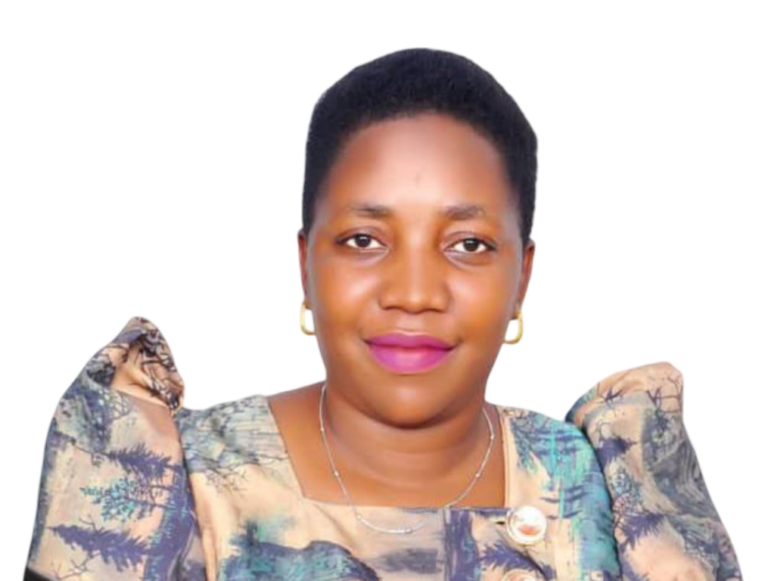
Youthful and energetic Namulondo Martha recently embarked on a practical empowerment initiative aimed at transforming livelihoods in Namisambya II Ward, Northern Division, Kamuli Municipality. 

Namulondo has emerged as a passionate community development advocate in Namisambya II Ward. Her hands-on approach to empowering households—especially women and youth – has made her a recognisable figure in the area’s social and economic transformation efforts.

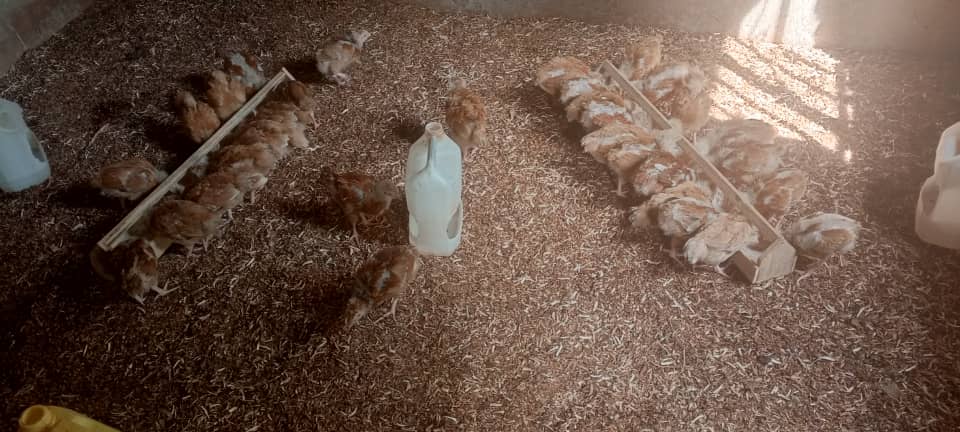
Namulondo has chosen a community-based poultry project that distributes one-month-old Sasso chicks to organised farmer groups, with each beneficiary receiving 15 birds.

The choice of the Sasso breed, a dual-purpose bird known for both meat and egg production, was strategic. She says she selected the poultry model because of its wide multiplier benefits for low-income households.

Poultry farming is a recommended income generating activity at household level especially in rural-urban communities.

“I chose the poultry project, especially Sasso birds, because of their strong multiplying effects. The birds are easy to manage at the household level, they are less prone to diseases, and they guarantee good returns when well handled,” Namulondo explains.

Through this project, Namulondo is dedicating her time and resources to improving the welfare of families in Namisambya II Ward. She is opening new opportunities for sustainable household growth. Her strong belief in small-scale agriculture is looked at by community leaders as a pathway to better livelihoods.

Targeting 780 Women and Youth Across 13 Zones

Her programme focuses on vulnerable women and youth, especially subsistence farmers who grow food mainly for home consumption and rear small livestock on a small scale.

Martha’s goal is to reach 780 beneficiaries drawn from all 13 zones of Namisambya II.

Martha Namulondo personally monitors the project implementation to motivate and mentor beneficiaries and to ensure that the project succeeds.

She offers the chicks individually but within organised groups, a strategy that enables group-based training and peer support. Before the chicks are distributed, beneficiaries undergo group training at the zone level covering poultry management, basic business skills, and disease prevention.

“The project does not require collateral security like many other opportunities. I want these women and young people to start with what they have, where they are,” she notes.

Martha emphasized that the core philosophy driving her initiative is the empowerment of women and youth, groups often lacking access to traditional financial institutions.

“This project has opened doors for us. Receiving the 15 Sasso chicks has given me hope that I can earn more for my family. We feel seen, supported, and motivated to work harder.” Magret Ndibogeza, a beneficiary in Bulwamaza Zone.

“Before this programme, many of us didn’t know where to even start. With these chicks and the training we received, I now have a clear path to improving my household income. It’s a small start, but a powerful one.”
Ndibogeza adds.

Monitoring and Hands-On Follow-Up

To ensure the project succeeds, Namulondo and her team conduct regular monitoring to track growth, productivity, and challenges faced by the households.

Her vision is clear: “I want to achieve a better standard of living for the people I am leading. Empowering women is empowering the entire nation.”

Encouraging Hard Work and Self-Reliance

Namulondo believes that real transformation begins with personal effort. She continues to encourage hard work, enterprise, and responsible use of the opportunities being provided.

The poultry project has already started stimulating hope and confidence among the beneficiaries, positioning Martha as a leader committed to practical, household-level solutions rather than promises.

“What I appreciate most is that this support came with knowledge. We weren’t just given birds—we were taught how to manage them. It has empowered us in a very practical way.”
Ndibogeza explains.

To serve her people better, Namulondo was lured into the world of elective politics. Namulundo is currently vying to represent Namisambya 11 Ward, in Northern Division, Kamuli Municipality, Kamuli District, as the woman councillor on the National Resistance Movement (NRM) in the January 2026 elections.

BODA BODA INDUSTRY: Faras Uganda champions rider excellence with annual motorcycle award and new safety gear

0

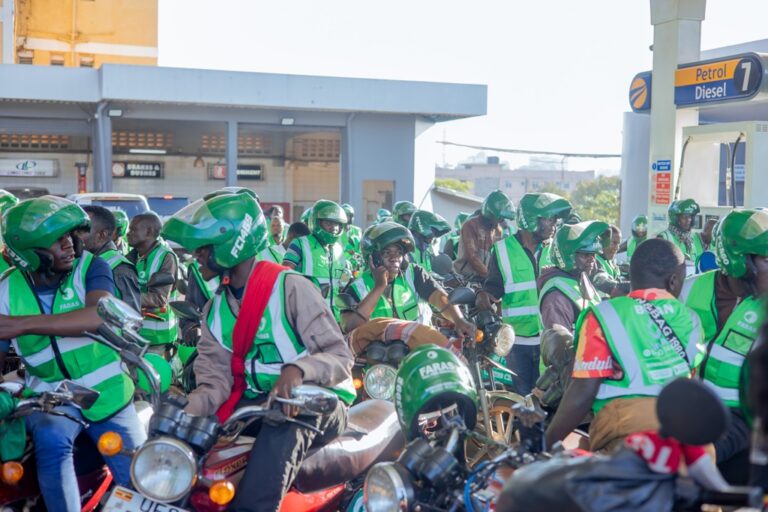
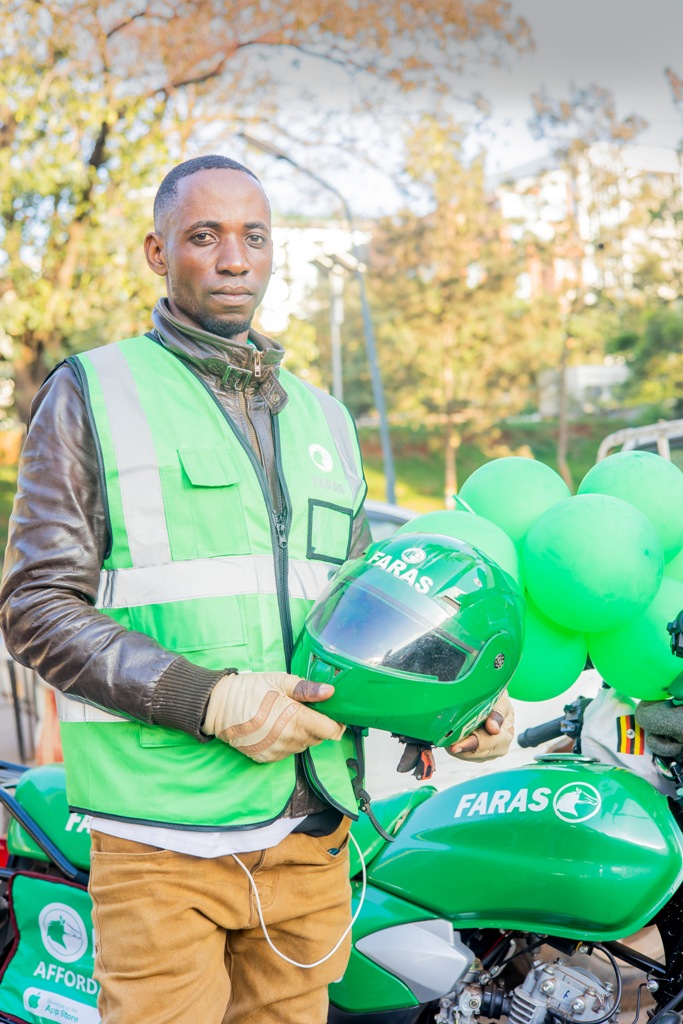
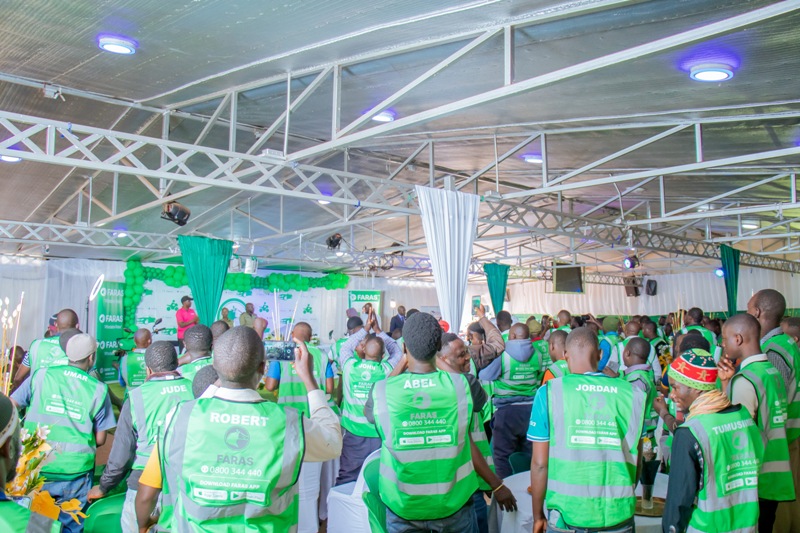
Faras Uganda has reaffirmed its commitment to empowering its boda boda riders by honouring top performers and investing in new safety equipment, strengthening its reputation as one of the most organised and rider-centered mobility companies in the country.

For the third consecutive year, Faras rewarded its best-performing rider—known internally as the Best Captain—with a brand-new motorcycle, a recognition that celebrates discipline, professionalism, and excellent customer service. This year’s winner, Nsereko Karim, was praised for his hard work and exemplary conduct, which placed him ahead of hundreds of captains on the platform.

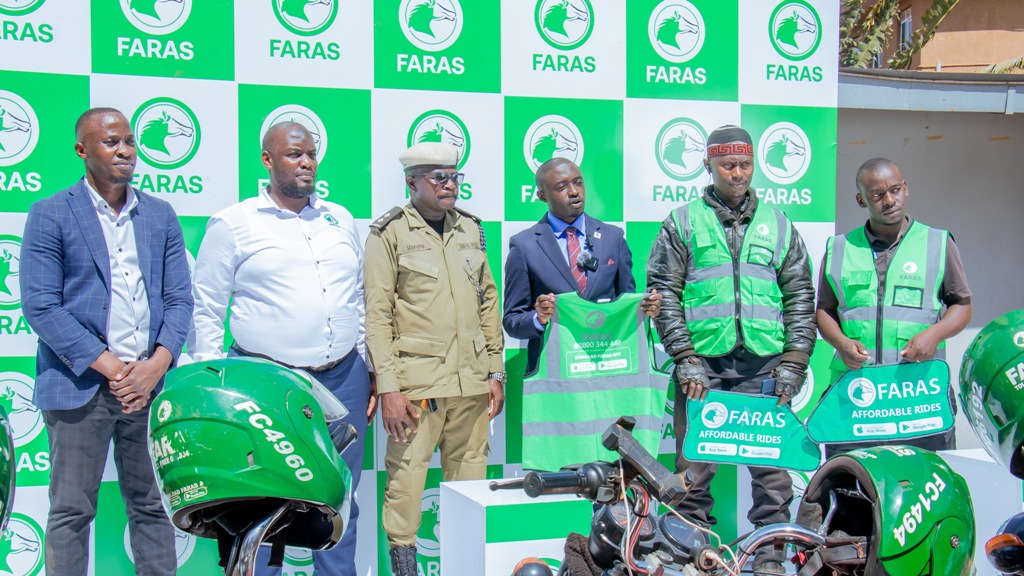
The award ceremony took place during Faras’s end-of-year party, an event that doubled as the official launch of new reflective jackets and rearguards for riders. The celebration was held under the theme “Safety and Smartness in the Festive Season.”

General Manager Kasaija Mudhafar Hamad applauded the riders who continue to uphold the company’s standards:

“We have a strong team that drives the services we give to our customers and the success we enjoy at Faras.” “This festive season comes with excitement, but also with risk. We want our riders to go home safely every day, which is why these reflectors are essential.”

He added that the new reflective jackets would improve visibility for riders both day and night: “If you’re riding in the night or during the day, it is safer.”

Stakeholders in transport safety commended Faras’s proactive interventions. Emmanuel Okiria of the Legacy Road Safety Initiative described the company as a model transport organisation that others can learn from.

Faras also used the platform to urge riders to prioritise their safety and protect their livelihoods during the festive season. Abdul Razak, Driver Relations Manager at Faras Ugandawarned riders about heightened risks associated with the holidays:

“There are many thieves and robbers who want your motorcycles. Road accidents are many, and people are going to be drinking. Take care of your bikes, phones and lives.”

He thanked management for the high-visibility jackets, saying they would help riders stay safe on the road.

Partners and supporters of the boda boda industry echoed similar sentiments. Duncan Zimba from Tugende, a for-profit social enterprise offering boda boda lans, noted that Faras is growing at an impressive rate, while Marketing Manager Katende Karim emphasized the importance of collaborating with stakeholders who want to see the boda boda business thrive.

Adonia Manyire, the OC Traffic Wandegeya Police Station, commended Faras for investing heavily in road safety:

“Faras has invested a lot of money in this program. These are high-quality, high-standard, visible reflectors. Fellow riders will not knock you because they will be seeing you.”

He added that the new gear will contribute significantly to reducing accidents.

As the festive season begins, Faras’s combination of rider rewards, safety awareness, and investment in reflective gear positions the company as one of the leading forces shaping a safer and more professional boda boda sector in Uganda.

VIOLENT ROBBERIES: Police arrest 17 suspects; recover three AK-47 rifles in Iganga armed robbery crackdown

0

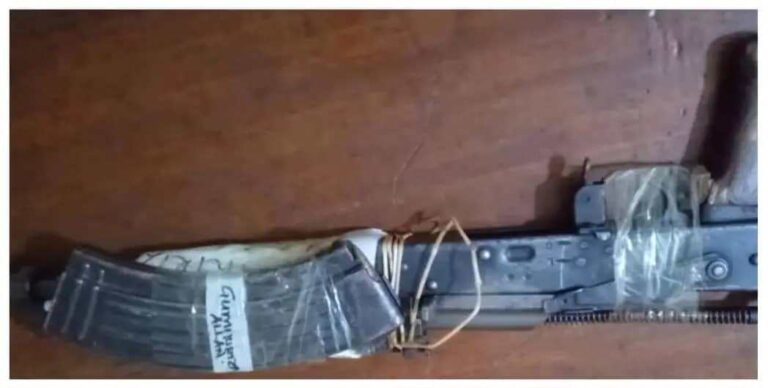
The Iganga District Police has arrested 17 suspects and recovered three AK-47 rifles following an operation that dismantled a network of armed robbers linked to a recent attack in Walukuba, Jinja City.

According to police, the breakthrough stems from an incident on 27th September 2025, when UPDF soldiers attached to Lugazi intercepted suspected robbers in Walukuba. During the operation, one suspect was shot dead, and an SMG rifle with two rounds of ammunition was recovered at the scene. Another suspect, identified as Gumikiriza Allan, was arrested.

During interrogation, Gumikiriza confessed to participating in several aggravated robberies in Iganga District, including the theft of UGX 9,500,000 from businesswoman Ndagire Justine. He also named his accomplices and revealed that he conducted surveillance for the robbery together with Magumba Saidi, a resident of Nkono 3 Village in Iganga Municipality.

A police statement indicates that on 20th November 2025, at around 8:00 am, a joint security operation guided by Gumikiriza led to the arrest of Magumba Saidi, Kakaire Abdullah alias Brown, 36, and Mulondo Samuel alias Shadow, 25, businessman, resident of Nkono 3 Village

The suspects later confessed to being involved in multiple armed robberies in the district. They also disclosed that the firearm used in the crimes was supplied and kept by a man only identified as Muzei, a resident of Bugembe Division in Jinja City.

Police investigators believe the gun recovered in Walukuba is the same weapon used in the Iganga robberies. Muzei is said to have abandoned the firearm at the scene before fleeing and is currently on the run.

Police say efforts to track down the remaining suspects and dismantle the entire criminal network are underway.

KYABAZINGA DIRECTS: No entrance fees for Busoga masaza cup final

0

The Kyabazinga of Busoga, His Royal Highness William Wilberforce Kadhumbula Gabula Nadiope IV, has instructed that this year’s Busoga Masaza Cup final be opened to the public free of charge.

The directive, announced on Thursday by Busoga Kingdom Sports Minister Owek. Nkono Amin Bbosa, means fans will access the much-anticipated final between Kigulu and Luuka at no cost when they converge at Kyabazinga Stadium on Saturday, 6th December.

According to the minister, the Kyabazinga’s decision aligns with this year’s tournament theme, “Abasaadha Ne’ Mpango” (Men Are the Pillars), which focuses on the role of men and boys in combating teenage pregnancies. By offering free access, the Kyabazinga hopes to encourage massive attendance and mobilize male involvement in the campaign.

“The Kyabazinga would like to see as many men and boys as possible at the final, and to achieve that, he has directed that entry be free,” Owek. Bbosa told the media.

The final will kick off at 3:00pm, preceded by a third-place playoff between Bukooli Namayingo and Bugabula at 12:00pm.