Monday, March 16, 2026
Home Blog Page 17

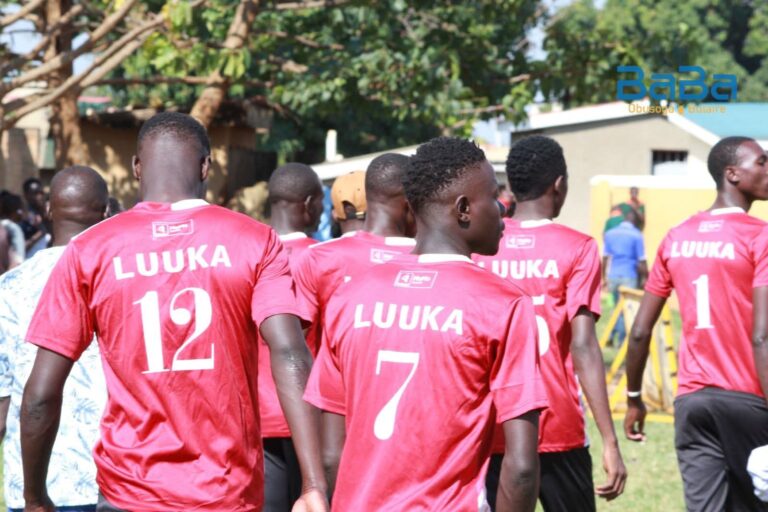
SUPREMACY BATTLE: Luuka eye Bugabula revenge as Bulamogi and Buzaya face off in a Do-or-Die Clash

0

The Busoga Masaza Cup group stages climax this week with two high-stakes encounters that will seal the quarterfinal picture.

On Wednesday, Luuka host Bugabula at Busalaamu Primary School playground in a Bukowe group top-of-the-table clash. Both sides are already through to the last eight, but pride and supremacy remain on the line. Bugabula lead the standings with nine points, while Luuka trail on six. For the home side to finish top, they must win Bugabula , given that both teams are level on a +4 goal difference.

Bugabula, unbeaten so far, boast a perfect defensive record as the only team yet to concede a goal in the competition. They also edged Luuka 1–0 in the first-round meeting, giving them the upper hand. Luuka, however, are counting on home support and the desire for revenge to turn the tables. Bukooli Bugiri, the third team in the group, bowed out after losing all matches without collecting a single point.

The group winner will take on the runner-up of Kagulu group, while the second-placed side faces Kagulu’s leader in the quarterfinals.

The drama continues on Thursday at Bulumba Ginnery playground, where Bulamogi host Buzaya in a make-or-break Kagulu group decider. Bunha, who sit comfortably at the top with six points, have already qualified for the quarters. Buzaya, with three points, need at least a draw to progress, while Bulamogi, on two points, must win to sneak into the last eight. Their first meeting at Lwanyama Primary School ended in a draw, raising the stakes for this final showdown.

Two quarterfinal ties are already confirmed. Kigulu will face Bukono at midday, followed by Bugweri against Bukooli Namayingo at 4 pm, both scheduled for October 4, 2025, at a venue yet to be announced.

VISIONARY FATHER: Namasagali Alumni consecrate grand mausoleum for visionary Fr. Damien Grimes, announce college revival efforts

0

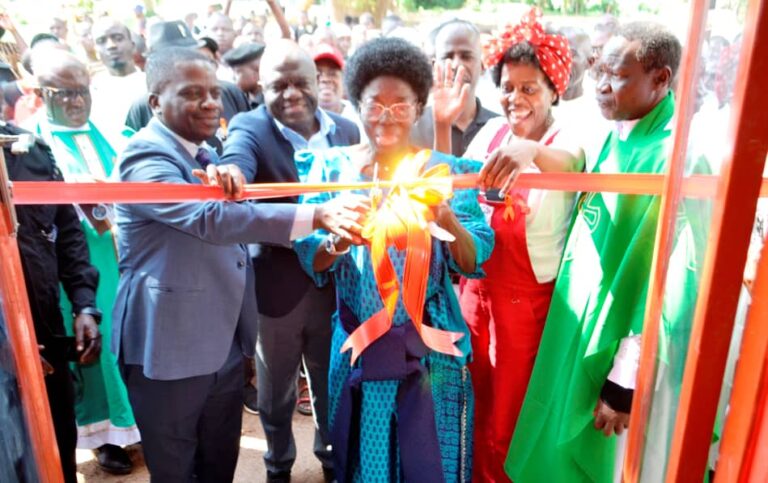
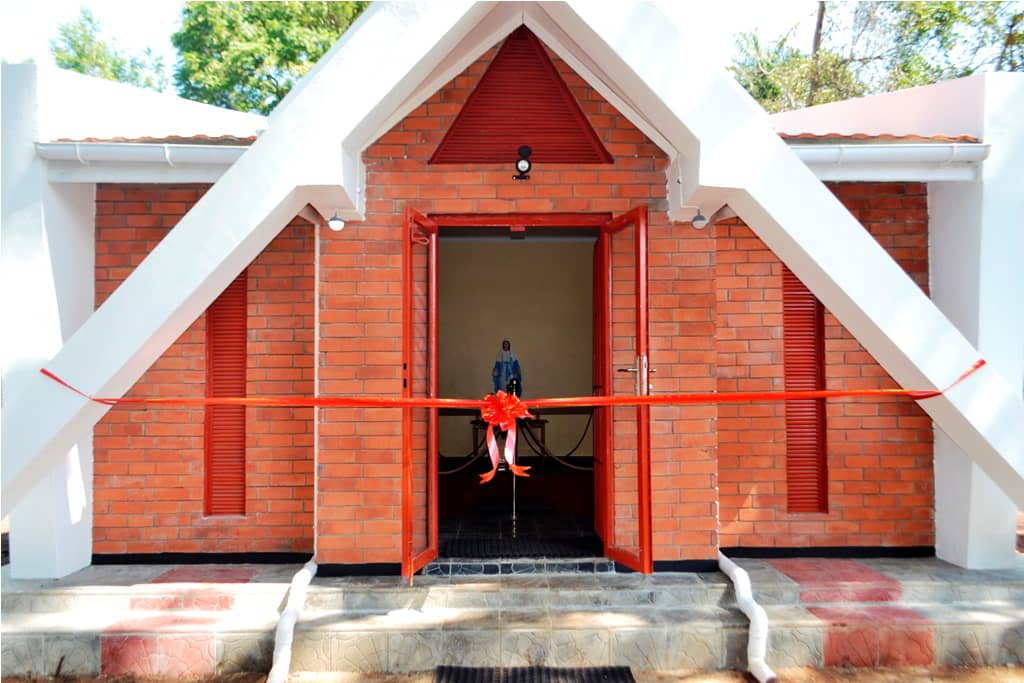
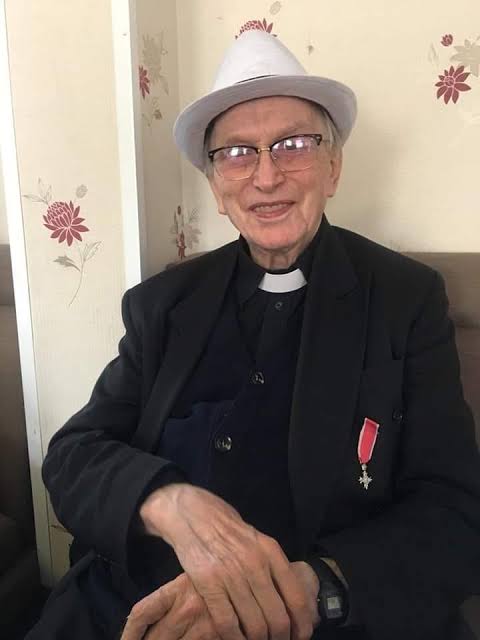
The Namasagali Old Students Association (NOSA) has immortalized the indelible legacy of their founding visionary, the Late Sir Rev Fr Damien Grimes MBE, with the consecration of a magnificent mausoleum at Namasagali Chapel grounds in Kamuli.

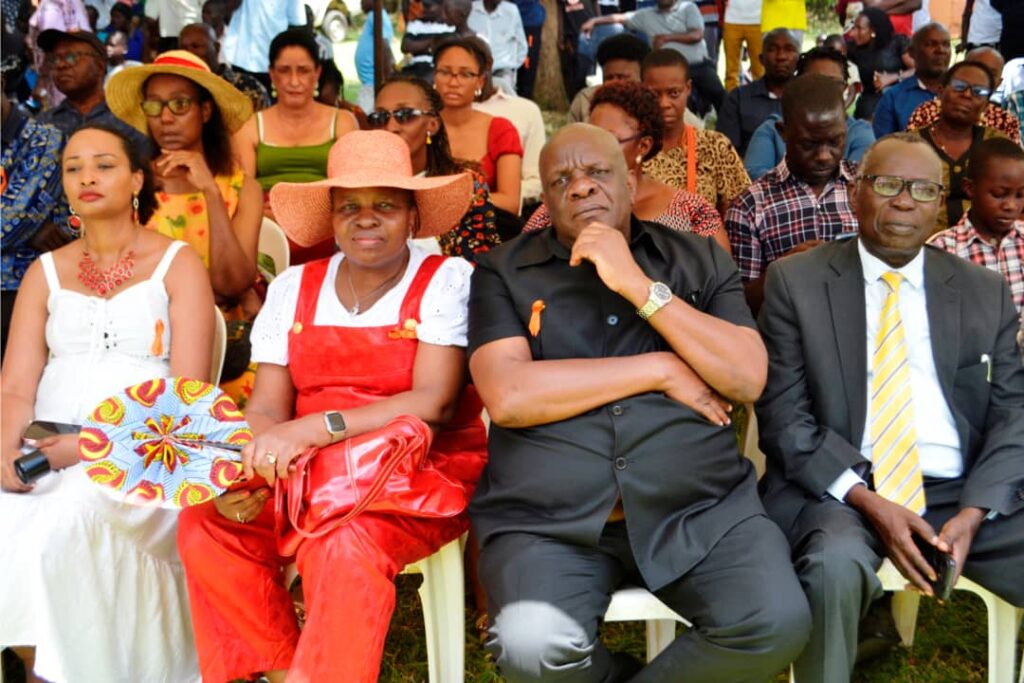
The solemn ceremony  served as a powerful call to Old Students to rally behind the revival of the college and build upon Fr. Grimes’ transformative dreams.

The event, which saw the gathering of prominent alumni and dignitaries, also witnessed the raising of UGX 20 million in cash and pledges towards the construction of a new Administration Block for Namasagali College, signaling a renewed commitment to the institution’s future.

The newly consecrated mausoleum is a splendid architectural marvel, adorned with expensive exterior and interior finishing tiles. Its tomb features sharp V designs in the rear and a distinctive slating roof at the entrance, all meticulously incorporating Sacred Catholic Church colors throughout the interior.

Described as full of divine inspiration, care, and reverence, the structure is envisioned to become both a religious and education tourism site, where current and future generations can visit to recall the immense works and countless lives Fr. Grimes touched.

Maureen Mwagale, the chairperson of NOSA, spoke passionately about the genesis of the mausoleum’s design. “Knowing how controversial Fr. Grimes was and aware that the dead are not dead, NOSA sought a design befitting Fr. Grimes’ resting place in the land he loved, surrounded by people whose lives he touched,” Mwagale explained.

She revealed that three architectural designs were presented, and Fr. Grimes, through what old students believe was a spiritual affirmation, chose one “with a beaming smile, symbolism of victory, and river Nile symbolism added for his soul to be eternal and his legacy to live forever.”

“Today we gather not just to unveil a building but to consecrate a legacy – a testament to a life lived in service, love, and unwavering dedication to the people of Uganda,” Mwagale stated. “It is heartwarming that we have created such a magnificent eternal home for him, approved by himself.”

Mwagale emphasized that the mausoleum transcends mere stone and mortar; it is a “living legacy that will endure for generations to come,” from which Fr. Grimes’ teachings and boundless compassion will forever echo.

“It stands as an unshakable monument to his life’s time, regardless of what changes time will bring,” she added, charging the alumni to “guard this sacred sanctuary with the same devotion that Fr. Grimes showed to us all in this hallowed earth, and make it a place where love, service, and sacrifice converge in eternal remembrance.”

Adding to its profound significance, the repatriation of Fr. Grimes’ body to Namasagali is a historic first. It defies the directives of the Mill Hill Missionaries congregation, which typically stipulates that a priest be buried where death finds him. For his devoted students and fanbase, who find strength in the school motto, “Strive regardless,” the “Bloody Lion” is merely sleeping, his spirit ever-present.

The consecration was graced by the First Deputy Prime Minister, Rebecca Kadaga, who lauded the Old Students for honoring their “founding Hero, Father, and Mentor” with such a lasting legacy. “He lives in peace, harmony, and smiles at his death wish home,” she remarked.

Uganda’s Ambassador to Moscow and former State Minister for Karamoja Affairs, Moses Kawaluuko Kizige, used the occasion to remind the alumni of their cardinal role to carry on the virtues, values, and principles of Fr. Grimes’ Sunday “Life Safety and Welfare Lecture.”

He stressed the importance of protecting one another, reconciliation, oneness, and living in harmony, warning that any deviation would invoke Fr. Grimes’ menacing warning: “a lion is a lion, even in its sleep.”

Ambassador Kizige, himself a distinguished alumnus who served as Deputy Lord High Reeve, House Captain, Athletics Captain, School Choir Leader, Master of Traditional Dance Drums, and Star Footballer, also took the touching moment to publicly reconcile with Kadaga, a former Lord High Reeve in her time.

He urged them to work together “regardless of differences to champion Namasagali revival and NRM Party protection of gains,” under Fr. Grimes’ protective spirit of family harmony.

The Late Sir Rev Fr Damien Grimes MBE

The legacy of the Late Sir Rev Fr Damien Grimes MBE, who brilliantly headed Namasagali College between 1967 and 2000, nurturing most of today’s prominent figures who contribute significantly in Uganda and the diaspora, has indeed been concretized with this powerful act of remembrance and commitment.

Namasagali Elevated to Parish Status

The unveiling of the mausoleum marked another significant milestone for the chapel where Fr. Grimes often prayed mass with his students. In a bid to uphold the religious legacy, the Bishop of Busoga Diocese, Rev Charles Martin Wamika, elevated Namasagali Catholic sub-center to Parish level earlier this year.

Rev John Fisher Nyiiro, the newly appointed Parish Priest, announced that following the decree, the Catholic congregation, the Mill Hill Missionaries Fathers in the UK, and well-wishers have already embarked on the construction of a new parish complex.

This expansive complex is set to feature a bigger chapel, as well as residences for the parish priest and a sisters’ convent, further solidifying Namasagali as a spiritual and educational beacon.

OWEYEGHA-AFUNADUULA: My prostate journey    

0

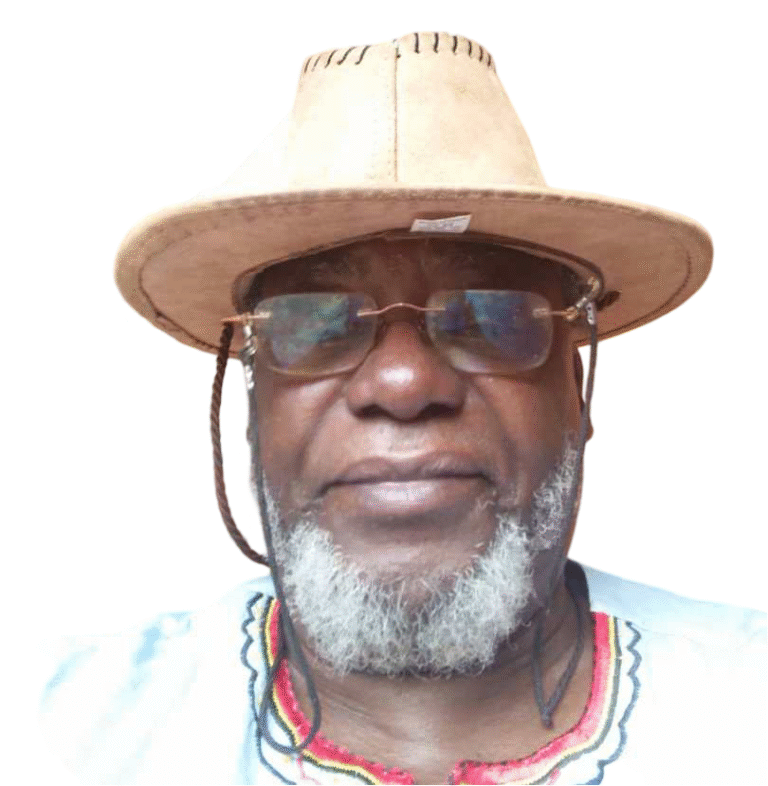
By Oweyegha-Afunaduula  

First, let me thank God who knew me long before I was formed in the womb of my mother in 1949; has preserved me for the last 76 years; is the only explanation of who I am and why I continue to live and persist on Earth despite all kinds of odds; and gave me the gift of writing and a photographic mind that enables me to remember even the smallest details along my life’s trajectory.

Second, I thank my parents, the late Charles Afunaduula Ovuma Ngobi Isabirye (1923-2007) and the late Stephanie Esteri Kyabwe Nawamwena Naigaga Wabiseatyo (1932-2016) who provided me with quality parental care and tirelessly worked together to ensure that I survived beyond  them despite my sickly nature since my birth on 27 July 1949.

Third, I thank my old boys of Mwiri Primary School, Busoga College Mwiri and the University of Dar-es-Salaam who stood by me in my old age and ensured that financial and social challenges do not adversely impact my health. Here I must mention Prof. Waswa Balunywa, Prof Davies Bagambiire, Dr. Charles Kawagga, Engineer Luke Kyobe and Mr. Sabasi Ngobi.

Fourth, I thank the members of the Great Afunaduula-Ovuma Family, and of my own family, that stood by me during my latest test of health by contributing money to meet the health bill.

Fifth, I thank all the medical doctors who, since 1949 have professionally handled my health issues. I have in mind the colonial doctors at Jinja Hospital and those at Busoga College Mwiri, University of Dar-es-Salaam, University of Nairobi, Nairobi Hospital, Voi Hospital Kenya, Makerere University, Mulago Hospital, Kampala Hospital, Mengo Hospital, Kampala International Hospital, Shalom Hospital in Iganga and lately Uro-Care Hospital Nansana.

This article is to the credit of the very highly professional staff from bottom to top at Uro-Care Hospital Nansana led by Dr Stephen Watya.

When I arrived at Uro-Care Hospital on 5th September 2025 to have my expanding prostate gland handled by professionals with proven success stories, I only knew about it from what Prof Davies Bagambiire told me about it. He spoke highly about it and had a lot of praise for Senior Consultant Dr Steven Watya.

During my long stay with the hospital many doctors interacted with my prostate problem. These included world class professional resident urologists, dedicated to providing exceptional healthcare with compassion, expertise and cutting edge medical knowledge, namely: Dr Steven Watya himself, Dr Rajab Idris, Dr. Colline Amanya, Dr. Mbaaga Kigongo, Dr. Ssembule Joseph, Dr. Merab Kadondi, Dr. Isaac Basude and Dr. Apollo Mugaiga. There are also a number of visiting doctors from other private and government hospitals that I interacted with. Combined with the very professional support staff the resulting internal environment of the hospital was what I needed to recover quickly once my prostate problem was dealt with. I never saw cockroaches, fleas, bedbugs, mosquitoes or even rats and frogs, which may be common in other hospitals in the country. The wards and operation theatres are of very high quality. As an environmentalist, I was highly impressed, hence this article. Actually I asked the innovator of Uro-Care Hospital to allow me to write an article on it once my experience with it came to an end, and he gave me the green light.

My prostate journey to Uro-Care Hospital was long and arduous. It began in May 2023 when I woke up to pass urine and I couldn’t. Even before, I had been passing urine several times at night, which was cumbersome. During the day urine would not go beyond my legs and sometimes came out uncontrollably. When I told my wife Jane about urine not coming out when I needed it to, she said I needed to see medical doctors. I rang my OB University of Dar-es-Salaam in the early 1970s, Prof Davies Bagambiire, who has lived in Canada since 1976. He told me not to delay seeking medical attention. He linked me with Engineer Fortune Ayo, who manages his interests in Uganda, to take me to a doctor at Shalom Consultative Hospital in Iganga. The doctor, whose name I have temporarily forgotten, subjected me to laboratory tests. On examination of lab results he said, “Fortunately your prostate is not cancerous. It is expanded and presses the urethra thereby preventing the smooth flow of urine from the urinary bladder. That is why you have difficulty urinating and that is why you urinate many times at night”. He went on, “I will put you on medicines for a month after which you will come for a review”.

And that is what he did. Prof Davies Bagambiire sent money to Engineer Ayo to pay for the medicines and professional fees.

Prostate Gland

The prostate gland is a component of what is called the endocrine system of the human body whose function is to secrete specific substances called hormones into the blood stream. However, the prostate has been classically considered an exocrine gland that depends on other hormones (i.e.steroids) to maintain its size and normal secretary function. It is located just at the base of the urinary bladder and surrounds the top part of the urethra into which it releases its contents called seminal fluid whose function is to act as grease to help sperms swim through the urethra once released. Otherwise, it lubricates the urethra.

I was under the care of Shalom Consultative Hospital for many months but did not experience much improvement. Shalom Consultative Hospital referred me to what are called specialist professional doctors in Jinja sometime in late 2024.  Here it was Dr Masereka Robert who handled my prostate case. He concluded that I needed surgery and told me, which hospital I would have to go to for laser guided surgery. However, the cost would be astronomical! 18m!

I turned to herbal medicines, including Chinese Medicines. But even these failed to give me a permanent solution.

In early August 2025, my situation was getting worse. Even the urine was giving off a bad smell, which was repulsive to my wife and others in my household. I suspected it was caused by infections subserved by urine retention.

I was getting more and more worried.  Many men in my clan at Bulawa, Nawaka, had died from prostatitis. They had kept quiet about it until their deaths. I knew my grandfather Wasedde Buganga, his elder brother Isaac Afunaduula, my uncles Constantine Wekiya Ngobi Isabirye, Rev Silas Wekiya, Martin Namansa and John Namansa, and my father Charles Afunaduula Ovuma Ngobi Isabirye and cousin Paul Gwaira Wekiya, had succumbed to prostate cancer. I felt both threatened and endangered. I began to feel I was the next victim. My pressure shot up.

“No!” I said to myself. At the beginning of August 2025 I got in touch with Professor Davies Bagambiire of Canada. He told me to ask one of my children to immediately take me to Dr Steven Watya’s Uro-Care Hospital. “Further delay will be dangerous”, he emphasized.

It was Isaac who came for me at Nawaka. And the prostate journey to Uro-Care Hospital neared its end. On 5th August, Isaac delivered me to Dr Steven Watya’s Office at Uro-Care Hospital. I knew I was in safe hands. Dr Watya is a highly experienced urologist at the centre of an increasingly professional team.

I was not the only one seeking professional treatment at Uro-Care Hospital. In fact, each day, tens of young, old and elderly men made Uro-Care Hospital their place of call on a daily basis. I concluded that there was a prostate crisis in the country. Uro-Care Hospital, however, did not depict failure to mediate the crisis to the best of its ability. Although everything about Uro-Care Hospital seemed to be expensive, patients were not deterred.

During the several weeks I was interacting with Uro-Care Hospital, Dr Watya never stopped telling me that my prostate problem would be no more. He said since my prostate had not become cancerous yet, his hospital would reduce the size of the expanded gland and usher me into new health freedom from the problem.

I had to wait until 10th September 2025 to experience the freedom Dr Watya was talking of. That is the day when Dr Rajab Idris operated on my prostate using laser technology. I asked Dr Rajab Idris not to remove the whole prostate and he assured me he would not remove the entire gland.

The operation was so successful that by 13th September 2025 all the doctors agreed that I was making good progress and that I could leave the hospital (of course If I met all the financial obligations to the hospital). Dr Ssembule Joseph said I had been compliant. He never really revealed in what aspects I was compliant. However, it was nice to hear from the doctor. It explained why I was emerging triumphant health wise after my operation.

As I stated earlier, Uro -Care hospital’s internal environment is of very high quality. The care it allows shows value for money. It is ahead of many private and public hospitals I have gone through in Uganda.

This explains why referrals have been made by people in China, Germany, USA, Britain, Belgium and Canada for patients in Uganda. The cutting edge technology of the hospital is unique, as good as in the Western and other developed world and integral to its internal health environment.

The negative, however, is that its external health environment is dominated by environmental noise pollution: mainly caused by a bar and moving vehicles. The bar is an especially environmental nuisance, which shows that environmental management in Uganda is only done if it is politically acceptable. The noise pollutes the internal environment of  Uro-Care Hospital, greatly perturbing the environmental peace of patients. Although increasingly young people are frequenting the hospital for prostate solutions, the majority of them are the old and elderly that may easily succumb to the noise.

When, as an environmentalist, I sought to find out what the hospital authorities had done to tackle noise pollution, I was told that since 2017 when the hospital was established, concerted effort, time and mental energy have been invested in eliciting the involvement and cooperation of the National Environmental Management Authority (NEMA), and the Nansana Municipality authorities to find a permanent solution. However, the hospital authorities have been frustrated by the Nansana municipal authorities and NEMA that have more or less ignored the menace and failed to implement the necessary environmental instruments against noise pollution.

This is surprising. Uganda has very clear laws to combat noise pollution. However, frequently the laws fail when the implementing agencies and authorities ignore to apply them. In the case of Uro-Care Hospital it seems the Nansana Municipality and NEMA seem to see little connection between health and the non-physical environment. Their focus seems to be more on swamps, floods and desertification, which, unfortunately, do not depict any success stories. At the centre of failure is politics and politicians who frequently see effective environmental management and conservation as a roadblock to the pursuit of narrow political, economic and social interests.

As far as human health is concerned it is most adversely affected by what happens in the non-physical environment (I e., in the sociocultural and socioeconomic environment). It is also most adversely affected by how effectively we value or do not value time in tackling them. Attaching wrong timescales to processes in the sociocultural and socioeconomic processes in the environment is not only a time waster but also the most adverse means of destroying the environment or making it less qualitative for human survival.

The bar in the external environment of Uro-Care Hospital has been generating unwanted environmental noise since 2017. Given the environmental stance of Nansana Municipality and NEMA, it is likely that some influential political forces are on the side of the owners of the bar. There is no evidence to suggest that any action is in the offing locally and at the centre to deal with noise towards improving the quality of the external environment in favour of the quality of human healthcare provided by Uro-Care Hospital.

What seems to be aviable alternative course of action available to Uro-Care Hospital against noise pollution is environmental litigation. Uro-Care Hospital is left with no choice but to link up with some environmental organizations and some health institutions locally, nationally as well as some of its patients to initiate environmental litigation against the local government of Nansana, the Central Government,  NEMA and the noise polluter for failing to observe and implement the available environmental law against noise pollution.

The hospital could also be at the centre of thriving environmental diplomacy and advocacy against noise pollution towards enhancing the quality of its healthcare enterprise.

The other alternative course of action Uro-Care Hospital could adopt is mobilising funds locally and externally to buy the noise polluter out of the hospital’s external environment.

Besides environmental consciousness should be integral to the human health enterprise. Unfortunately, the health enterprise in Uganda continues to be largely divorced from environmental consciousness. This negates the quality of the human health enterprise on a continuous basis. Uro-Care Hospital could publish environmental consciousness raising pamphlets and fliers to begin to influence the environmental behavior of people in its internal and external environment.

Last but not least, Uro-Care Hospital can include an Environmental Health Officer among its senior staff to be in charge of its environmental healthcare initiatives towards linking uro-healthcare to environmental healthcare this century and beyond.

For God and My Country

Prof. Oweyegha-Afunaduula is a Conservation Biologist and member of Center for Critical Thinking and Alternative Analysis


DISGRACED: Budiope FC fail to honour home game over Funds crisis

0

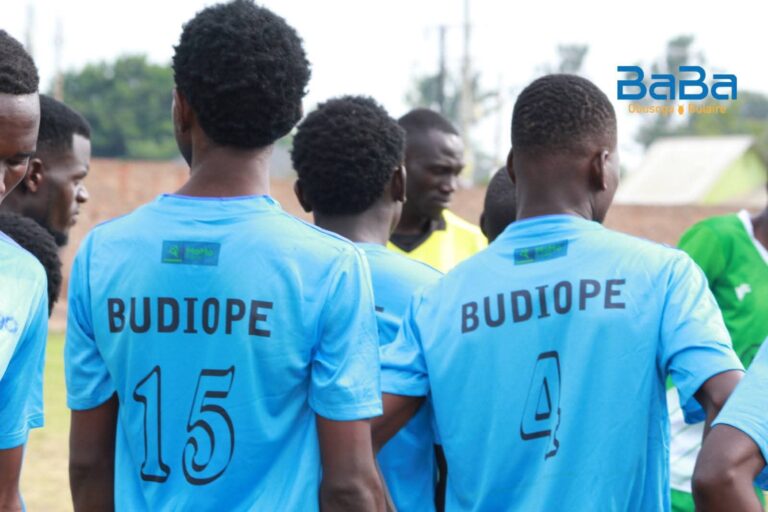
There was drama in Irundu on Sunday, September 21, 2025, when Budiope FC failed to turn up for their much-anticipated Busoga Masaza Cup group game against Bugweri.

According to Budiope FC media officer, Waiswa Baz, the team’s absence was not out of lost hope but rather financial constraints. He revealed that the club could not raise money to bring players back to camp, with many of their traditional supporters keeping away for political reasons. He added that divisions between Budiope East and Budiope West further weakened the team’s organization.

“Our funders abandoned us to the extent that we couldn’t even honour our last home game. As Budiope, we lack the spirit of sportmanship. We wouldn’t have avoided the game against Bugweri if it was not for the lack of resources,” Waiswa told Busoga times.

The development saw visitors Bugweri awarded three points and three goals, which pushed them to the top of Mawembe group with 13 points. Bukono, who were held to a goalless draw by Bunhole Bunhanumba in Bugadde, followed in second place with 11 points.

Busoga Masaza Cup spokesperson David Mwesigwa confirmed that Bugweri had indeed travelled to Irundu but found the hosts missing, describing the incident as a disciplinary matter.

“We shall investigate to establish exactly what happened. If we discover that Budiope acted unsportingly, there will be a punishment”, Mwesigwa said

He further revealed that only two group games remain before the tournament heads into the knockout stages. Luuka will face Bugabula on Wednesday, both already assured of quarterfinal slots, while Buzaya take on Bulamoogi on Thursday in a decider for the last available place.

The quarterfinals are set for October 4–5 at a venue yet to be confirmed. Bugweri will meet Bukooli Namayingo, Bukono will face Kigulu, while Bunha is expected to take on either Luuka or Bugabula. The final pairing will be determined after the Buzaya–Bulamoogi clash.

Interestingly, this is not the first time the Irundu ground has hosted such controversy. In last year’s edition, Bugweri also failed to honour a rematch ordered by the Tournament Organising Committee after an abandoned fixture against Budiope at the same venue.

FORTY-YEAR PRESIDENCY: President Museveni’s nomination for 2026 and the debate for the nation’s future under his unending rule

0

President Yoweri Kaguta Museveni will, on Tuesday, September 23, be nominated as a presidential candidate for the 2026 general elections. The nomination comes as he marks 40 years at the helm of Uganda, a tenure that has made him one of Africa’s longest-serving leaders. His bid raises fresh debate on what value his continued presidency adds to the country and where it may present challenges.

His name on the ballot is no surprise; it has been there since 1996. The real question is whether Uganda, in 2026, still needs Museveni and his political machinery.

When Museveni came to power in 1986, he was hailed as a liberator who ended years of chaos. He stabilized a fractured country, opened up the economy, and gave Ugandans hope that politics could be practiced differently. Those gains are real and remain part of his legacy. Today, Uganda boasts more roads, more electricity, and a stronger regional footprint than it had in the 1980s.

But that legacy is being overshadowed by the cost of overstaying. By scrapping presidential term and age limits, Museveni turned what could have been a heroic exit into an endless pursuit of power. Uganda has become a textbook case of personal rule, where state institutions bend to the survival of one man and one party. What should be a democracy has, in practice, become a managed competition where the outcome rarely surprises.

Since taking power in 1986, Museveni has been credited with bringing relative peace and stability after years of conflict. His government liberalized the economy in the 1990s, attracting foreign investment and donor support, while infrastructure projects in energy, roads, and health facilities have expanded under his watch.

Regional and Security Contributions

Regionally, Museveni has positioned Uganda as a key security player. The Uganda People’s Defence Force (UPDF) has been central in peacekeeping missions in Somalia and South Sudan, giving Uganda influence and international leverage. This role strengthens Uganda’s diplomatic weight and reassures donors who view Museveni as a reliable security partner. Yet, the militarization of politics at home, from policing protests to expanding the role of the army in civilian affairs, blurs the line between stability and authoritarian control.

Economic Growth vs. Debt Burden

Under Museveni, Uganda has moved from a fragile post-conflict economy in the late 1980s to faster, more diversified growth in recent years. Growth has averaged solid rates in the 2010s and early 2020s, and the IMF/World Bank project continued expansion — the IMF and World Bank put real GDP growth around the 6% mark in 2024–25, supported by services, industry and rising investment in oil and mining.

The government’s heavy push for big infrastructure (rail, roads, oil pipeline, refinery, power, large projects) has been financed by substantial borrowing. Uganda’s public debt has climbed sharply in the last few years, with finance ministry reports highlighting large increases in domestic borrowing and a rising debt-to-GDP ratio; officials have signalled efforts to rein in domestic borrowing, but debt servicing now squeezes the fiscal space for health, education and social protection.

Democracy and Governance

Museveni’s defenders argue that he has provided political stability in a region often plagued by conflict. Uganda has avoided the coups and mass unrest seen elsewhere, and the National Resistance Movement (NRM) remains deeply entrenched nationwide.

On the other hand, four decades of dominance have weakened Uganda’s institutions. Term limits were removed, succession plans remain unclear, and state resources are routinely deployed to consolidate power. This raises concerns about governance quality and the risks of a personality-driven state. The value Museveni adds in terms of stability is offset by the democratic stagnation his prolonged rule has fostered.

Human Rights and Civic Freedoms

When Museveni came to power, he promised to end the abuses of past regimes. In the early years, there was genuine improvement in security and human rights. Yet, over time, Uganda has witnessed shrinking civic space, media crackdowns, arbitrary arrests of activists, and laws criticized internationally for targeting minorities.

However, his long stay in power has drawn criticism from both domestic and international observers. Constitutional amendments that scrapped presidential term and age limits have been cited as setbacks for Uganda’s democratic trajectory. Opposition groups and civil society actors often raise concerns about the independence of state institutions and the fairness of elections.

Uganda’s human rights record has also been questioned, with reports of restrictions on assembly, media freedoms, and political organizing. While the economy has grown over the years, critics point to persistent rural poverty, high youth unemployment, and corruption as enduring challenges.

The human rights picture is equally troubling. Opposition rallies are broken up, activists are jailed, and media freedoms remain constrained. Young Ugandans — who make up more than 75 percent of the population — have never known another leader, and many see their aspirations for change repeatedly deferred. The promise of jobs, prosperity, and genuine political participation often feels out of reach.

When Museveni came to power, he promised to end the abuses of past regimes. In the early years, there was genuine improvement in security and human rights. Yet, over time, Uganda has witnessed shrinking civic space, media crackdowns, arbitrary arrests of activists, and laws criticized internationally for targeting minorities.

The government frames its tough approach as necessary for stability, but for many Ugandans — especially the youth — the erosion of civil liberties has undercut Museveni’s once-revolutionary credentials. The value of his presidency here is increasingly questioned, as repression undermines both domestic trust and Uganda’s international standing.

Human-rights watchdogs and foreign governments report an increasingly restricted civic and media space, reprisals against critics, and legal measures that institutionalize discrimination. Human Rights Watch and Amnesty flag government crackdowns on free expression, arbitrary arrests of protesters and activists, and laws that have tightened restrictions on sexual minorities and dissent. The U.S. State Department’s country human rights report similarly lists negative developments. These trends have reputational and practical costs — ranging from aid conditionality to investor reputational risk and diaspora mobilization.

The Road Ahead

Supporters argue that Museveni’s experience and track record in maintaining stability make him the best candidate to guide Uganda through regional security threats and to manage its upcoming oil economy. Opponents counter that a leadership transition is overdue, warning that extended rule risks weakening democratic institutions and limiting political renewal.

As the 2026 elections approach, Museveni’s nomination sets the stage for yet another contest between continuity and change. The coming months will test how Ugandans weigh the achievements of the past four decades against the demands and expectations of a young and fast-growing population.

Does Uganda Still Need Museveni?

The value Museveni brought in the 1980s and 1990s — security, stabilization, and reconstruction — is undeniable. But today’s Uganda faces different challenges: youth unemployment, climate change, public debt, governance reforms, and the need for leadership renewal.

For some, Museveni’s experience and regional stature remain an asset. For others, his long rule has become an obstacle to democratic deepening, institutional growth, and generational leadership. The central question is no longer whether Museveni can govern, but whether Uganda’s long-term development is best served by continuity under him or by a managed political transition.

Museveni’s 40-year rule left Uganda with visible economic and infrastructure gains and with continuity many voters value. But it also leaves the country at a crossroads: continued centralization and an eroded civic space risk converting short-term delivery into long-term political and institutional fragility. Whether Uganda “still needs” Museveni depends on whether his stewardship can be paired with serious, irreversible institutional reforms that protect rights, checks and balances, and fiscal sustainability. Without those reforms, another term would likely deepen trade-offs between order and liberty — and raise the costs of future transitions.

As he seeks to add another five years to his 40 already in power, Uganda faces a defining question: is continuity under Museveni a safeguard, or is it the single greatest barrier to the country’s democratic and developmental future? For many Ugandans, the answer is increasingly clear.

POLITICAL TENSIONS: Bobi Wine’s nomination delayed in what NUP calls a deliberate plot to shield Museveni

0

The Electoral Commission has confirmed that National Unity Platform (NUP) president Robert Kyagulanyi Ssentamu, aka Bobi Wine, will be nominated for the 2026 presidential elections on Wednesday, September 24, at 2:00 p.m., a move the opposition party has slammed as a calculated attempt to protect President Museveni.

Bobi Wine, who had earlier booked Tuesday, September 23, at 10:00 a.m. for his nomination, accused the regime of cowardice and manipulation after the EC shifted his schedule.

“As predicted by many Ugandans, the ridiculous claims about us not submitting enough signatures was intended to push our date of nomination. The cowardly regime did not want us to be nominated on the same day as Museveni,” Bobi Wine charged.

Though the EC eventually issued him a Certificate of Verification confirming he had fully met the legal requirement of verified signatures across two-thirds of Uganda’s districts, it still postponed his nomination to a day later — and in the afternoon.

According to Bobi Wine, the timing was deliberately chosen to sabotage NUP’s campaign program.

“Pushing it to 2:00 p.m. is clearly intended to frustrate our plans to have two rallies because the first one was meant to begin at midday. But nothing will stop the revolutionary cause,” he vowed.

NUP Secretary General Lewis Rubongoya echoed the accusations, stressing that the EC’s maneuvers had little to do with signatures and everything to do with politics.

“It was never about the signatures. It was all about ensuring Bobi Wine does not nominate on the same day with Gen. Museveni. They don’t want us to hold our scheduled rallies. But Wednesday 2:00 p.m. it is — so help us God,” Rubongoya declared.

In anticipation of such tricks, the opposition party revealed that it had already booked Katwe Grounds and Kaala Playground in Nateete for both dates to ensure supporters gather in solidarity.

The development has once again raised questions about the independence of the Electoral Commission and heightened political tensions ahead of the 2026 elections, with NUP insisting that state institutions are being used to tilt the playing field in favor of President Museveni.

NEEDED ADJUSTMENTS: Electoral Commission reschedules parliamentary nominations, sets dates for presidential campaigns

0

The Electoral Commission (EC) has announced changes to the nomination dates for candidates in the forthcoming Parliamentary Elections, including Special Interest Groups (SIGs) such as Youth, Persons with Disabilities, Workers, and Older Persons.

Originally scheduled for 15th–16th October 2025, the nominations will now be held from 22nd–23rd October 2025 at the offices of respective District and City Returning Officers.

According to the EC, the adjustment was made to accommodate Uganda’s hosting of the Non-Aligned Movement (NAM) Mid-term Review Conference, which takes place on 15th–16th October 2025. The international event is expected to draw government officials, legislators, and representatives from NAM member states and international agencies.

“Given the national focus and institutional involvement required for this international engagement, the Commission has adjusted the nomination period to facilitate efficiency and participation,” the statement read in part.

Presidential Campaigns Cleared to Begin

The EC also confirmed the timetable for the Presidential Elections roadmap. Nominations for presidential candidates will take place on 23rd–24th September 2025 at the Commission headquarters in Lubowa, Wakiso District.

This will be followed by a harmonisation of campaign programmes between 25th–27th September 2025, with official campaigns set to run from 29th September 2025 until 12th January 2026.

Parliamentary and local government campaigns, including those for SIG representatives, will begin later—from 10th November 2025 to 12th January 2026.

Polling for Presidential, Parliamentary, and Local Government Elections is scheduled for the period 12th January – 9th February 2026, in line with Article 61(2) of the Constitution.

Key Adjusted Programme

•        Presidential Nominations: 23rd–24th September 2025

•        Harmonisation of Campaigns: 25th–27th September 2025

•        Presidential Campaigns: 29th September 2025 – 12th January 2026

•        Parliamentary & SIG Nominations: 22nd–23rd October 2025

•        Parliamentary & Local Gov’t Campaigns: 10th November 2025 – 12th January 2026

•        Polling Period (All Elections): 12th January – 9th February 2026

The Commission called on all aspirants and stakeholders to take note of the revised programme and to conduct themselves in an orderly, peaceful, and lawful manner throughout the electoral process.

READY FOR THE BIG TASK: Electoral Commission finalizes preparations for 2026 presidential nominations

0

The Electoral Commission (EC) has confirmed that the nomination of candidates for the 2026 Presidential Elections will take place on Tuesday, 23rd and Wednesday, 24th September 2025, at its head office grounds in Lubowa, Makindye-Ssabagabo Municipality, Wakiso District.

The two-day exercise will run from 10:00 am to 4:00 pm and will see aspiring presidential candidates present themselves before the Commission for scrutiny.

Strict Nomination Requirements

According to the EC, any person seeking to run for president must be a citizen of Uganda by birth, a registered voter, and at least 18 years of age. Candidates are required to present certified copies of academic qualifications showing they attained a minimum of Advanced Level education or its equivalent.

In addition, aspirants must demonstrate support from at least 100 registered voters drawn from not less than 98 districts or cities, representing two-thirds of the country’s administrative units.

Other requirements include a non-refundable nomination fee of Shs 20 million, proof of voter registration, recent passport-size photographs, and appointment of an official campaign agent. Independent aspirants will also be expected to select a campaign symbol.

Campaigns are scheduled to begin on September 29, 2025, immediately after the nomination exercise.

Tight Access Controls

The Commission emphasized that the nomination venue will only be accessed by invited and accredited persons. Each aspirant will be allowed a maximum of 20 persons, and only two vehicles, each carrying no more than 10 passengers, both of which must display Police-issued stickers.

The EC warned candidates against mobilizing large crowds or staging processions, stressing that such activities are prohibited during the exercise.

“The Commission strongly warns aspirants from mobilizing supporters to accompany them to and from the nomination venue, as processions are not permitted during this exercise,” the statement read in part.

For the incumbent President, who is also an aspirant, the law allows him to use facilities attached to his office.

Meanwhile, the Uganda Police Force has released traffic guidelines for routes leading to and from the nomination grounds in Lubowa.

Post-Nomination Plans

Upon successful nomination, candidates will be given an opportunity to address the public through the media at a designated center at the venue. The EC advised those intending to launch their manifestos to do so in line with public assembly and traffic laws.

The Commission assured the public that the programme has been designed for efficiency, noting that lists of supporters have already been verified in advance.

Call for Calm and Order

The EC concluded by urging all aspirants, agents, and supporters to respect the guidelines to ensure a smooth, peaceful, and safe nomination exercise.

MONUMENTAL EFFORT: The Vine Uganda’s independence health camps bring smiles and vital treatment to over 5,000 people

0

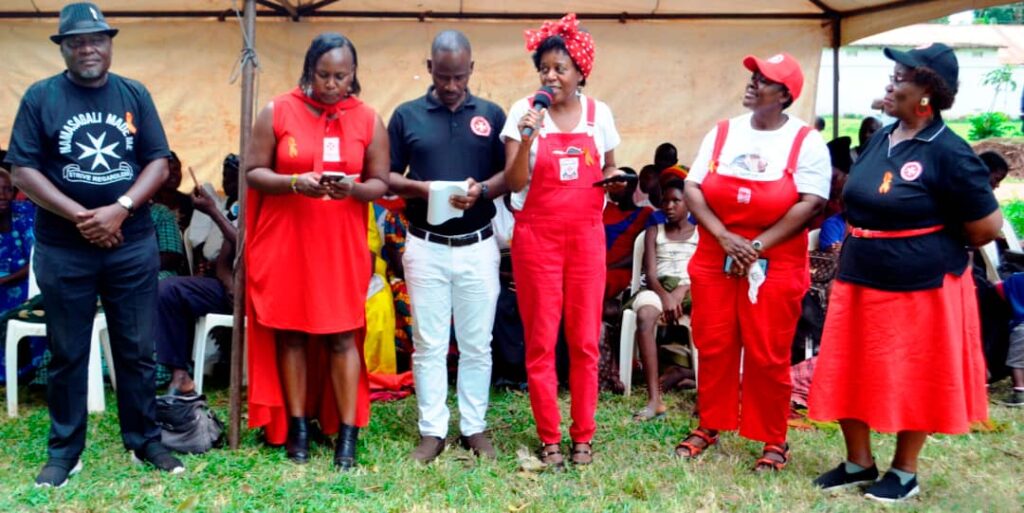
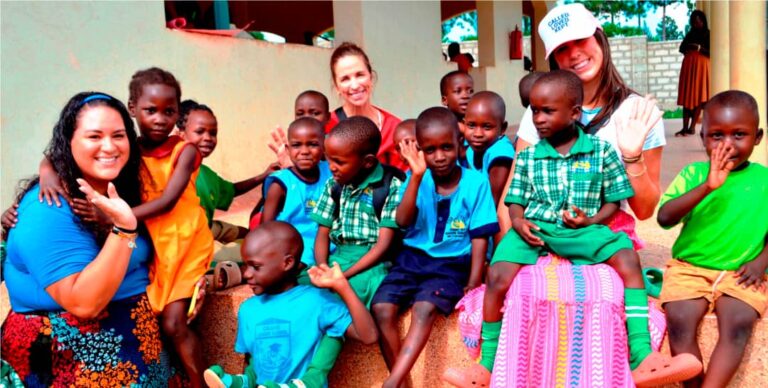
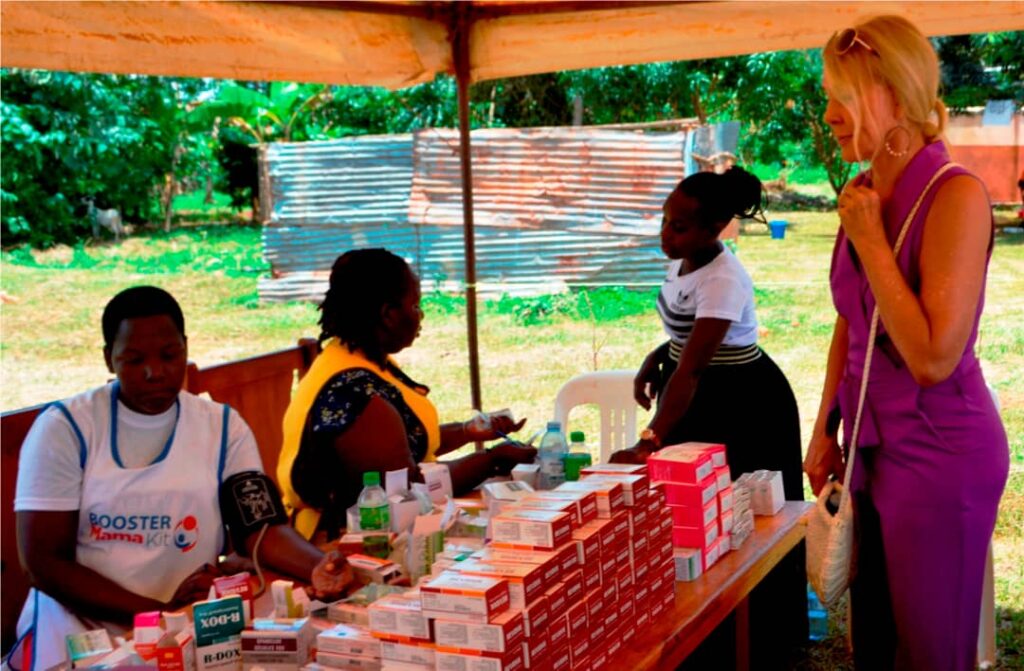
The Vine Uganda has brought a wave of smiles, improved health, and renewed hope to over 5,000 Ugandans through its recent “Independence Health Camp” treatment initiatives, offering crucial free healthcare and support across remote communities.

The latest camp, held at Kitayunjwa Seed School grounds, witnessed a staggering 2,115 patients receiving essential medical treatment. This monumental effort follows a previous successful camp in Butansi, which served 2,227 individuals, bringing the total number of direct patient treatments to over 4,300. Additionally, more than 600 people received other vital services, pushing the overall reach comfortably past the 5,000 mark.

Gari Meacham, President of The Vine Uganda, expressed profound humility and surprise at the overwhelming public demand and response, despite short notice.

“We are humbled that we are witnessing overwhelming need for healthcare services and people are willing to come for medical treatment… We expected and planned for 1,500 but on the ground and site we got extra 1,000 whom we couldn’t send back and more were flocking meaning the disease burden is high, real and can’t be ignored,” she stated, emphasizing the critical impact of free health outreaches for impoverished communities.

Meacham highlighted the holistic approach of the camps, addressing both physical and spiritual well-being. Beyond medical treatment, the initiatives included spiritual guidance, distribution of menstrual hygiene management products like AfriPads, provision of household supplies to boost lives, and children’s sports kits. She also called for media partnership to amplify stories of hope and positive impact.

The camps offered crucial free healthcare and support across remote communities.

Richard Mwogereze, Executive Director of The Vine Uganda, further underscored the critical need for more accessible health services in villages. He recounted the astonishing scene at the Kitayunjwa camp: “By 6 am people were already at the camp venue and by 8 am over 1,000 had lined up for the various services making it a day of extra effort.”

Mwogereze warned that without such free clinics, people are forced to rely on “herbalists, traditional birth attendants and unqualified services from drug shops and clinics which make diseases drug resistant,” thereby worsening public health outcomes. He called for increased health services and centers at the village level to reduce the prevalent disease burden.

The initiative received strong commendation from Kamuli District’s health officials. Moses Lyagoba, the District Health Officer in charge of Child and Maternal Health, praised The Vine Uganda for “complimenting government efforts towards healthcare and fulfilling the cardinal mission they signed for during the Organization’s registration.”

Lyagoba emphasized that these free medical camps serve as “eye openers to the health care system planners to extend and strengthen health services to health centers at the village levels where the Village Health Teams are so as to improve health seeking behavior, reduce distance, increase availability of drugs and personnel.” He advocated for an increase in village health service centers, reliable drug supply, and a shift towards preventive rather than solely curative outreach programs.

For beneficiaries like 89-year-old Matilda Kagona, the camps were a beacon of hope. “It was like God had seen her plight,” she remarked, noting the no-cost, thorough check-up – including blood pressure and other ailments – a level of attention she contrasted with typical government services.

The overwhelming turnout and critical demand observed at these health camps highlight the profound impact of accessible, free medical care in rural Uganda. The Vine Uganda’s efforts continue to illuminate urgent public health needs while delivering vital services that genuinely transform lives, one smile and healthy body at a time.

SHOCK: Butembe FC miss knockouts for the first time since 2016

0

Saturday 20th September Results

Butembe 0-0 Busiki

Bukooli Namayingo 1-0 Kigulu

Sunday 21st September Fixtures

Budiope vs Bukono

Bunhole bunhanumba vs Bugweri

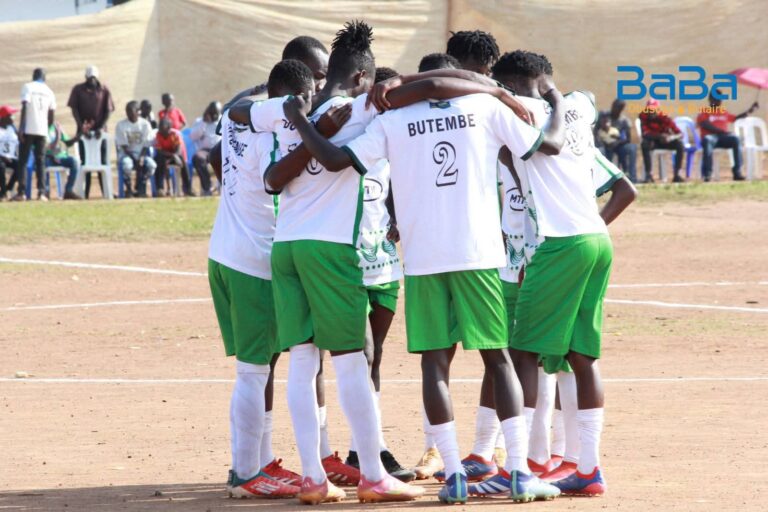
Defending champions Butembe suffered a shock elimination from the 2025 MTN Busoga Masaza Cup, failing to make it out of the Nhendha group for the first time in the tournament’s history.

On Saturday, Butembe were held to a goalless draw by 2023 winners Busiki at Mafubira Primary School playground, a result that left both sides stranded with 6 and 7 points respectively. The stalemate confirmed Kigulu and Bukooli Namayingo as the two teams advancing to the quarterfinals, each finishing on 9 points.

This marks the first time since the cup’s inception in 2016 that Butembe have failed to reach the knockout stages. The side has been one of the tournament’s most consistent performers, with a decorated history that includes:

2016 – Quarterfinals (lost to Bunha on penalties).

2017 – Champions (their maiden trophy).

2018 – Finalists (lost to Kigulu on penalties).

2019 – Quarterfinalists (lost to Bukooli North 2-0).

2020 & 2021 – Tournament cancelled due to COVID-19.

2022 – Group winners, reached knockouts.

2023 – Finalists (lost to Busiki).

2024 – Champions (beat Bukono 1-0 in the final).

Meanwhile, Kigulu and Bukooli Namayingo now shift focus to the quarterfinals. With both sides tied on 9 points, Kigulu advanced as group leaders on superior goal difference, while Bukooli Namayingo finished second. Kigulu are most likely to face Bugweri, while Bukooli Namayingo are set to take on Bukono, depending on the final fixtures of the Mawembe group on Sunday, September 21. Both teams will play their quarterfinal ties on Saturday, October 4, 2025, with Kigulu kicking off at midday and Bukooli Namayingo following later at 4pm.

Butembe’s early exit stands out as the biggest upset of this year’s edition, leaving the race for the 2025 Masaza crown wide open.