Friday, May 22, 2026
Home Blog Page 37

CHAN 2024: Uganda re-affirms readiness to host football showpiece, engages media on professional standards

0

KAMPALA, Uganda – With just weeks to go before the kickoff of the much-anticipated CHAN 2024 tournament, Uganda has once again underlined its commitment to delivering a world-class football event.

On Sunday, July 14, 2025, the CHAN/AFCON Local Organising Committee (LoC) held a high-level media engagement session in Kampala, emphasizing the importance of professionalism, collaboration, and patriotism in the lead-up to the continental showpiece.

Held at the National Council of Sports (NCS) conference hall, the session followed a successful final inspection by CAF officials last Thursday and served as a platform to update the media on Uganda’s preparedness as well as reinforce CAF’s international reporting protocols.

The World Will Be Watching Uganda” — Namanya

Addressing the media, Mark Namanya, the PR and Communications Manager at the CHAN/AFCON Secretariat, called on journalists to uphold the highest standards of conduct as representatives of the country during the tournament.

“We expect accredited journalists to be punctual, follow access protocols, and represent Uganda with excellence,” Namanya said.
“This tournament is under CAF’s global lens. Let’s showcase our capability and professionalism.”

He highlighted CAF’s strict expectations on timekeeping, access zone discipline, dress code, and ethical journalism, reminding the press that their work would directly impact Uganda’s image on the continental stage.

Infrastructure Ready, Public Engagement Next

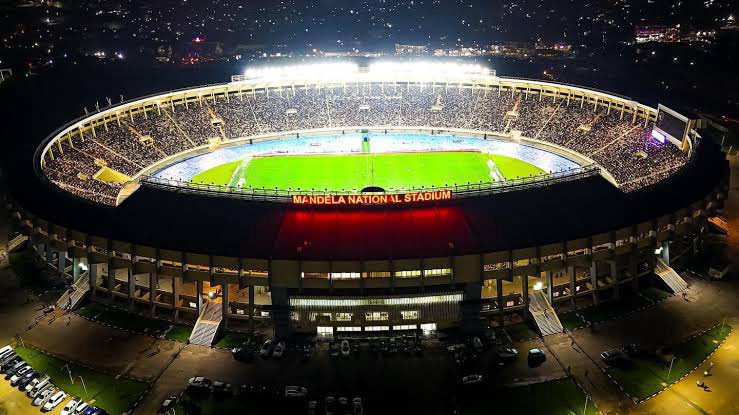
Dr. Dennis K. Mugimba, Chairperson of the LoC Communications and Signage Committee, delivered an update on infrastructure, confirming that Mandela National Stadium – Namboole, along with key training grounds, had met all CAF requirements.

He noted that inspectors were satisfied with Uganda’s progress and praised the country’s determination to meet international standards.

“We’re not just ready on paper — we’re ready on the ground,” Dr. Mugimba emphasized.

The LOC is now shifting focus to a nationwide fan mobilization campaign, expected to launch soon under a theme that captures the national spirit and unity ahead of the tournament.

“We want every Ugandan to feel part of this moment,” Dr. Mugimba added.
“CHAN 2024 is more than football. It’s a celebration of who we are as a people.”

Strong Voices Behind the Message

The session also featured key contributions from Mr. Rodgers Mulindwa, Vice Chairperson of the LoC Communications Committee; Mr. William Fredrick Blick, Ex Officio Member of the LoC; and Mr. Ahmed Hussein, FUFA Communications Director. All reaffirmed Uganda’s full commitment to CAF’s vision and called for media unity and responsibility in building national pride through storytelling.

CHAN 2024: A Moment of Truth for Uganda

CHAN 2024, which Uganda is co-hosting with Kenya and Tanzania, is set to begin on August 2, 2025. It will bring together Africa’s finest local-based footballers and thousands of fans from across the continent.

As the countdown continues, Uganda is not just preparing stadiums — it’s preparing its people, its media, and its message to the world.

“Let us use this platform to tell Uganda’s story with pride, discipline, and purpose,” urged Mr. Namanya.

NRM PRIMARIES: Man killed in Kamuli electoral violence, several injured

0

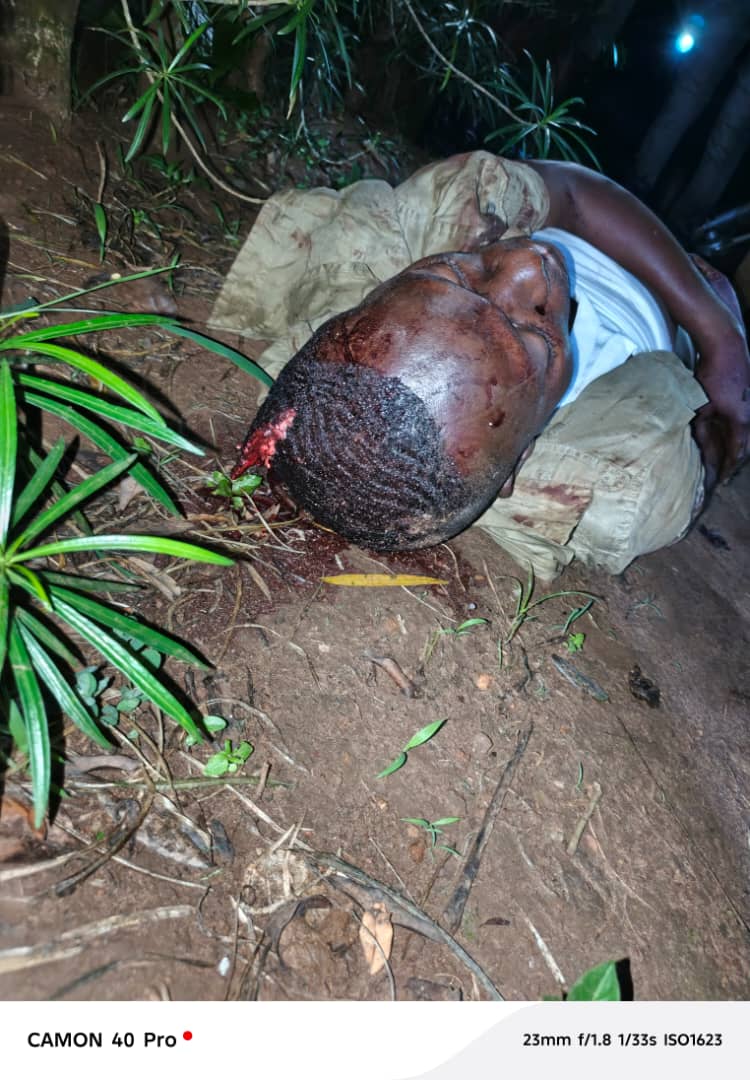
One man was killed and several others injured in Kamuli District last night, as electoral violence escalated ahead of today’s ruling National Resistance Movement (NRM) primaries. Police confirmed that Sowedi Egumbye died during a confrontation following an attack on the home of a sitting Member of Parliament.

ASP Michael Kasadha, the Busoga North Regional Police spokesperson, confirmed the death of Sowedi Egumbye in an interview with Richard Mutoigo of Baba FM. Kasadha acknowledged that the incident was directly related to the scheduled NRM elections happening across the country.

According to Kasadha, Sowedi Egumbye was part of a motorcade that attacked and rammed into the house of Martin Muzaale, the incumbent Member of Parliament for Buzaaya County, who is seeking re-election.

“They used one of the cars to knock the gate of Muzaale to gain entry. They injured people because they had weapons like pangas and hammers. These are some of the items we recovered from the [crime] scene,” Kasadha stated.

Police officers were dispatched to the scene after receiving a call. Upon arrival, they encountered armed individuals who refused to comply with police orders as they attempted to flee.

“When we got the call, we dispatched police officers. The people police officers found at the scene had weapons. They refused to stop when police stopped as they were fleeing. To stop them, police fired bullets to deflate the tyres, in that melee, Sowedi died,” the spokesperson explained.

When directly asked by Mutoigo if the police had killed Sowedi, Kasadha responded affirmatively. He expressed regret over the loss of life but emphasized the need for adherence to electoral guidelines and law enforcement directives.

“It is bad. We wouldn’t want to lose anybody because of elections but we also want people to follow election guidelines. If it is time for elections, it is for elections; if it is time for police to do their work, let them do their work. No one should attack the other,” Kasadha urged.

The incident occurred at approximately 11 pm, a time when electoral guidelines prohibit campaigning activities.

Kasadha further revealed that several individuals who are not residents of Kasambira have been arrested in connection with the violence. “We are getting information that several candidates have ferried people from different areas to areas where they don’t vote from,” he added, indicating a potential breach of electoral integrity.

Sowedi Egumbye’s body has been moved to the mortuary in Kamuli as further investigations commence. Kasadha urged the public to remain peaceful, warning that “Those who will prove not to be peaceful will be arrested until after elections.”

Sowedi Egumbye has been identified as the husband of Sarah Auma, an aspirant for the Kamuli district chairperson position.

BOLD STEPS: Ugandan communities urged to champion girls’ education and rights

0

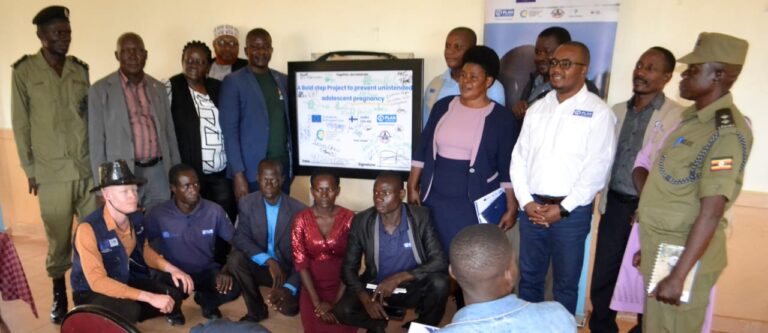
Communities and local governments across Uganda are facing a renewed and urgent call to action: take “Bold Steps” to ensure every child, especially girls, can enroll, stay, and successfully complete their entire school cycle. This critical appeal was made by the European Union Delegation to Uganda and Plan International Uganda upon the recent closure of the impactful “Bold Steps Project.”

The project, which has been operating in Buyende and Kamuli Districts since 2023, was launched with the ambitious goal of empowering adolescent girls and young mothers to take charge of their futures, primarily through the prevention of unintended teenage pregnancies. Supported jointly by the European Union, Plan International Finland, and the Ministry of Foreign Affairs Finland, the “Bold Steps” initiative has made a life-changing impact on 17,671 direct participants and an estimated 28,489 indirect beneficiaries in the two districts.

Speaking at the closing ceremony at Kyemba Gardens, Lazarus Mwale, Director of Programs – Strategy Execution and Implementation at Plan International Uganda, emphasized the dual nature of the event. “As we celebrate the milestones achieved under this project, we also reflect and make renewed commitment to ending child marriages and teenage pregnancies and make bold steps to provision of safe, gender responsive and youth friendly services,” Mwale urged.

Mwale commended the adolescent girls and boys who, through the project, made informed decisions to shape better futures. He highlighted a significant achievement: the toll-free call center, which received over 3,000 calls in the past 12 months, indicating a clear demand for safe, youth-friendly services. “The design and implementation of this project is in line with Plan International Uganda’s Country strategic goal of ensuring that children and youth, especially girls, develop their full potential in communities that promote their rights and gender equality,” Mwale affirmed.

The European Union delegation, led by Elizabeth Ongom, delivered a stark message, calling for a “reactivation of parenting.” Ongom lamented that many parents have abdicated their responsibilities, outsourcing them to technology, social media, and schools. She pointed out the alarming reality where “parents are key promoters of defilement and other vices for economic gains,” stressing that “defilement is a crime but parents negotiate and perpetuate it, and these are issues beyond EU, NGOs, but to be dealt with at local government and duty bearers’ levels.”

The European Union further underscored the critical issue of girls’ re-entry and retention in school. Despite the government’s introduction of free universal education, school dropout rates remain stubbornly high, a challenge Ongom squarely placed on community responsibility. “Today is not an exit but a handover to the systems and communities with the mantle of continuity. Remain steadfast and supportive and sustain the positive practices and mindsets and build on this foundation to shift the narrative of unintended pregnancies so that we keep changing generations together,” Elizabeth urged.

Michael Kanaku, the Buyende District Chairperson, acknowledged the challenging reality from the local government perspective. He admitted that despite existing legislations, policies, and mechanisms to address sexual and gender-based violence, child marriages, and teenage pregnancies, the implementation of these policies remains weak.

“We can’t continue burying our heads in the sand but come to reality that these vices need bold steps and action,” Kanaku stated with candor. He revealed the grim statistic that “Buyende was ranked highest in defilement crime last year and our school completion rate is low,” signaling a significant awakening. The district is now committed to advocating for the development and adoption of a “School re-entry policy for pregnant girls and child mothers.”

Kanaku allayed fears that the project’s closure would leave a massive service gap, highlighting the strength of the “Bold Steps Project” in its collaborative approach with established service and local government structures, suggesting that “perhaps the only significant change will be funding.”

The profound impact of the project was vividly illustrated through compelling testimonies from young mothers. Nalongo, a 14-year-old mother of twins, shared her heartbreaking story of despair and stigma, nearly driven to take her own life. Through the “Bold Steps” project, she not only safely delivered her twins but has also courageously returned to school, now focused on becoming a nurse to help other girls understand their body changes early in life.

“It is like a life miracle that my twins and I owe to the Bold Steps project. My return to school is not just my victory but it is also an inspiration for other teenage mothers. Big and High Five to Plan International and European Union,” Nalongo exclaimed with tears of joy, embodying the very spirit of resilience and hope that the “Bold Steps Project” sought to inspire.

The call from the European Union and Plan International Uganda is clear: the success of the “Bold Steps Project” is a foundation, not a conclusion. It is now up to communities and local governments to carry the mantle, ensuring that every child, especially girls, can fully enjoy their rights and develop their potential without hindrance from harmful cultural norms and community vices.

ROYAL MOBILITY: Kyabazinga, other cultural leaders receive posh vehicles to enhance community mobilisation

0

In a significant move aimed at bolstering community engagement and socio-economic transformation, the Ugandan government has handed over a fleet of brand-new vehicles to the nation’s gazetted cultural leaders.

This initiative, part of the Traditional Leaders Enhancement Programme, underscores the government’s commitment to empowering these influential figures in their critical roles.

The handover ceremony, officiated by the Minister of Gender, Labour and Social Development, Betty Amongi, saw key government officials and cultural representatives gather to mark the occasion.

Speaking at the event, Minister Amongi lauded President Yoweri Museveni for fulfilling his commitment to equip cultural leaders with essential tools to support their extensive work. She further extended appreciation to Vice President Jesca Alupo for her unwavering support to the ministry and the cultural institutions.

“This initiative demonstrates Government’s commitment to preserving our heritage, promoting cultural identity, and empowering cultural leaders to effectively mobilise communities for social and economic transformation,” Minister Amongi stated.

She highlighted the indispensable role cultural institutions play in national development, noting their contribution to preserving Uganda’s intricate social fabric, mediating community conflicts, promoting positive societal values, and actively supporting government initiatives such as household income improvement and the crucial fight against gender-based violence.

Amongi pledged continued collaboration with these institutions to strengthen national unity and foster development across the country.

Reinforcing the government’s stance, Permanent Secretary Aggrey Kibenge from the Ministry of Gender, Labour and Social Development, underscored the profound respect the government holds for Uganda’s rich cultural heritage and traditions.

“Cultural institutions have long been a cornerstone of moral guidance, dispute resolution, and cultural preservation,” Kibenge asserted. “As Uganda continues on its development path, these institutions remain crucial partners in promoting peace, cultural identity, and community mobilisation for transformation.”

Kibenge also extended gratitude to President Museveni for his steadfast support to the ministry’s programmes and acknowledged the Vice President for gracing the occasion despite her demanding schedule.

He also offered practical advice to the cultural leaders, stressing the importance of proper servicing and maintenance of their new vehicles at authorised Toyota Uganda service centres to guarantee their longevity and reliable service.

The Permanent Secretary concluded with a hopeful vision for the future: “May today mark the beginning of deeper trust and collaboration between Government and cultural institutions, so that together we steer our country towards its envisioned future.”

The provision of these vehicles is expected to significantly enhance the mobility and operational capacity of cultural leaders, enabling them to reach wider communities and more effectively drive various government and community-led development initiatives.

TENTERHOOKS: NRM primaries set amidst familiar fears of violence and electoral malpractice

0

As the National Resistance Movement (NRM) prepares for its highly anticipated primary elections tomorrow, July 17, 2026, to select flag bearers for the 2026 general elections, a dark shadow hangs over the process: the party’s well-documented history of electoral violence, vote rigging, and outright theft. The ongoing campaigns have already been marred by incidents of lawlessness, raising critical questions about the NRM’s commitment to democratic principles and the integrity of its internal processes.

Is NRM a Violent Political Party?

While the NRM officially espouses democratic ideals, the pervasive nature of violence and malpractice during its internal elections has led many observers to question whether it has become an inherent characteristic of the party’s political culture. Critics argue that the repeated patterns of intimidation, voter bribery, ballot stuffing, and even physical assaults are not isolated incidents but rather symptoms of a systemic problem.

The high stakes involved in securing the party’s flag, often seen as a direct path to victory in many constituencies due to the NRM’s dominance, fuels aggressive competition. This, combined with perceived impunity for perpetrators and a winner-take-all mentality, creates an environment where candidates and their supporters resort to illicit means to gain an advantage. It’s less about the party’s ideology being violent and more about a political system and internal party discipline that have evidently failed to curb electoral thuggery.

How NRM Electoral Violence Undermines Democracy

The repercussions of such electoral misconduct extend far beyond the party’s internal affairs, deeply eroding the foundations of Uganda’s nascent democracy.

Erosion of Trust: When primaries are marred by violence and fraud, they undermine public trust in the entire electoral system, not just the NRM’s internal processes. Voters become disillusioned, deterred from participating, and lose faith in the legitimacy of their representatives.

Disenfranchisement: Violence and intimidation directly suppress voter turnout. Citizens, fearing for their safety, may choose to stay home, effectively disenfranchising themselves. Candidates who might genuinely represent the people’s will can be intimidated out of the race.

Weakening the Rule of Law: A consistent failure to prosecute electoral offenders fosters a culture of impunity. When those who break electoral laws face no consequences, it sends a message that illegal actions are permissible, further weakening the rule of law in the broader society.

Setting a Dangerous Precedent: The NRM, as the ruling party, sets the tone for the nation’s political landscape. If its internal elections are plagued by violence and malpractice, it normalizes such behaviour, making it harder to condemn or prevent similar incidents in national general elections.

Undermining Internal Party Democracy: A party that cannot conduct fair internal elections risks alienating its own members, stifling internal dissent, and preventing genuine leadership from emerging. This ultimately weakens the party itself and its capacity to serve the nation.

Can NRM Avoid Violence?

For tomorrow’s polls, the NRM faces an immense challenge to break from its past. While the party leadership has often issued stern warnings against malpractices, their effectiveness has been limited by a perceived lack of decisive enforcement. With violence already reported during the campaign period, the prospects of a completely peaceful and fair process appear slim without a drastic, last-minute intervention.

Avoiding violence tomorrow would require an unprecedented level of commitment from the party’s top echelons – including clear, unambiguous directives against any form of electoral crime, swift and visible action against perpetrators, and robust security deployment that is genuinely impartial. However, the deeply entrenched nature of these issues makes immediate, radical change difficult.

How NRM Can Avoid Violence in Its Electoral Process

For the NRM, or any dominant political party, to genuinely purge violence from its electoral processes, a multi-faceted and determined approach is essential:

Genuine Political Will and Leadership: The most crucial factor is an unequivocal commitment from the very top leadership to stamp out violence and malpractice, regardless of who the perpetrators are. This commitment must translate into action, not just rhetoric.

Strict Enforcement and Sanctions: Implement clear, enforceable disciplinary measures for those found engaging in violence, rigging, or intimidation, regardless of their political standing or perceived influence. Impunity must end, and high-profile prosecutions would send a powerful deterrent message.

Transparent and Accountable Processes: Ensure voter registers are clean and publicly accessible, voting materials are secured, and results tabulation and transmission are open to scrutiny by all stakeholders. The internal electoral commission must be perceived as truly independent and impartial.

Impartial Security Forces: Deploy security personnel who are well-trained in crowd control, electoral law, and human rights. Crucially, they must act professionally and impartially, protecting all participants and upholding the law rather than being seen as partisan enforcers.

Effective Internal Dispute Resolution: Establish credible internal mechanisms for candidates to lodge complaints and resolve disputes peacefully before they escalate into violence. These mechanisms must be seen as fair, timely, and binding.

Civic Education and Sensitization: Educate party members, candidates, and the public on the importance of peaceful and fair competition, emphasizing that elections are a contest of ideas, not physical prowess.

De-escalation Strategies: Develop rapid response teams and communication channels to address potential hotspots and de-escalate tensions before they erupt into violence.

Post-Election Audits and Reviews: Conduct thorough post-election reviews to identify weaknesses and prosecute offenders, ensuring continuous improvement and accountability.

Tomorrow’s NRM primaries are more than just an internal party affair; they represent a significant test for Uganda’s democratic journey. The ability of the NRM to conduct a credible, peaceful, and fair election will send a powerful message about its commitment to democratic values, both internally and to the nation at large. Failure to do so risks further entrenching a culture of impunity and undermining the very principles upon which legitimate governance is built.


MONEY RELEASED: How government will spend UGX17.2 trillion released for Q1 of FY2025/26 by finance ministry

0

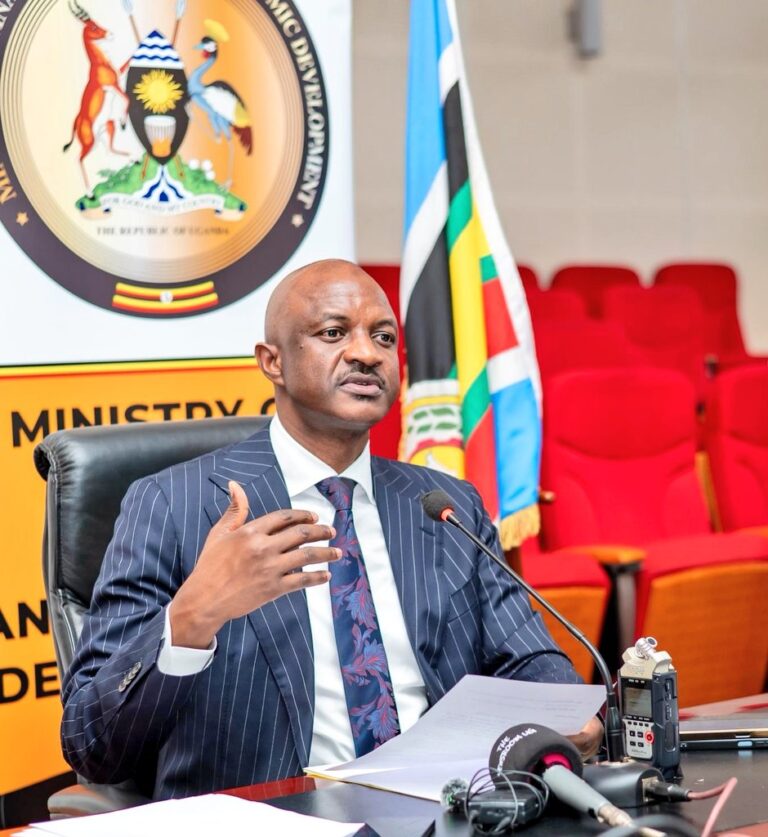
Ministry of Finance, Planning and Economic Development has released Shs 17.18 trillion for the first quarter (July–September) of the Financial Year 2025/26, representing 23.7% of the approved national budget. The announcement was made on Tuesday during a press briefing by Ramathan Ggoobi, the Permanent Secretary and Secretary to the Treasury.

The Q1 release follows the approval of a Shs 72.38 trillion national budget aimed at supporting Uganda’s Ten-Fold Growth Strategy, with significant focus on Agro-industrialization, Tourism, Mineral development, and Science, Technology and Innovation (ATMS), along with the security and infrastructure sectors.

Economic Resilience and Growth Outlook

Ggoobi highlighted Uganda’s continued economic resilience, with real GDP growth averaging 6.9% in the last financial year and projected to reach 7% in FY 2025/26. In nominal terms, the economy expanded to Shs 226.34 trillion (USD 61.3 billion), up from Shs 203.71 trillion in FY 2023/24.Inflation remains within the Bank of Uganda’s 5% target, standing at 3.9% in June 2025. Meanwhile, the Uganda Shilling appreciated by 1.3% against the US dollar during the same month, attributed to increased exports, remittances, and offshore investments.

Export Surge and Reduced Trade Deficit

Uganda’s export earnings grew significantly, with Q3 FY 2024/25 exports reaching USD 2.6 billion — a 39.1% increase from the previous year. This was driven by higher volumes and global prices of commodities like coffee and cocoa. The trade deficit narrowed to USD 461.15 million, down from USD 757.48 million the previous year.

Foreign direct investment rose to USD 785.79 million in Q3, marking a 26.3% increase, while remittances surged to USD 304.48 million. International reserves improved to USD 4.3 billion, equivalent to 3.8 months of import cover.

Sectoral Allocation of Q1 Funds

The Q1 expenditure limits are divided among key sectors as follows:

Security: Shs 719.12 billion to Ministry of Defence; Shs 130.73 billion to Uganda Police; Shs 108.38 billion to State House.

Infrastructure: Shs 1.08 trillion to Ministry of Works and Transport, including Shs 942.90 billion for contractor payments. The Ministry of Energy received Shs 420.76 billion, and Kampala Capital City Authority was allocated Shs 148.32 billion.

Human Capital Development:

* Ministry of Health: Shs 262.88 billion

* Ministry of Education and Sports: Shs 143.75 billion

* Public Universities and institutions: Shs 157.73 billion

* National Medical Stores: Shs 173.96 billion

* Ministry of Gender, Labour and Social Development: Shs 118.23 billion

* Uganda Cancer and Heart Institutes: Shs 80.18 billion

* Referral hospitals: Shs 40.99 billion

* Local Governments: Shs 382.03 billion

ATMS Programmes:

* Agro-industrialization: Shs 215.28 billion

* Tourism: Shs 20.5 billion

* Minerals and Oil & Gas: Shs 26 billion

* Science and Innovation: Shs 139.13 billion, including Shs 33 billion for artists

Revenue Agencies: Uganda Revenue Authority (Shs 114.9 billion), URSB (Shs 9.71 billion), National Citizenship & Immigration (Shs 40.43 billion), and UNBS (Shs 26.44 billion).

Accountability Measures

Ggoobi urged Accounting Officers to prioritize timely payments to avoid arrears, ensure all contracts are executed in Ugandan Shillings, and refrain from unauthorized recruitments. He also emphasized the importance of convening Finance Committee meetings to align spending with approved budgets. “Our main objective is to promote technical efficiency by ensuring all government institutions deliver better services to Ugandans at the lowest cost,” said Ggoobi.

BOBI WINE: “We must build a country where the law serves the people” because “no one is ever safe in a lawless nation”

0

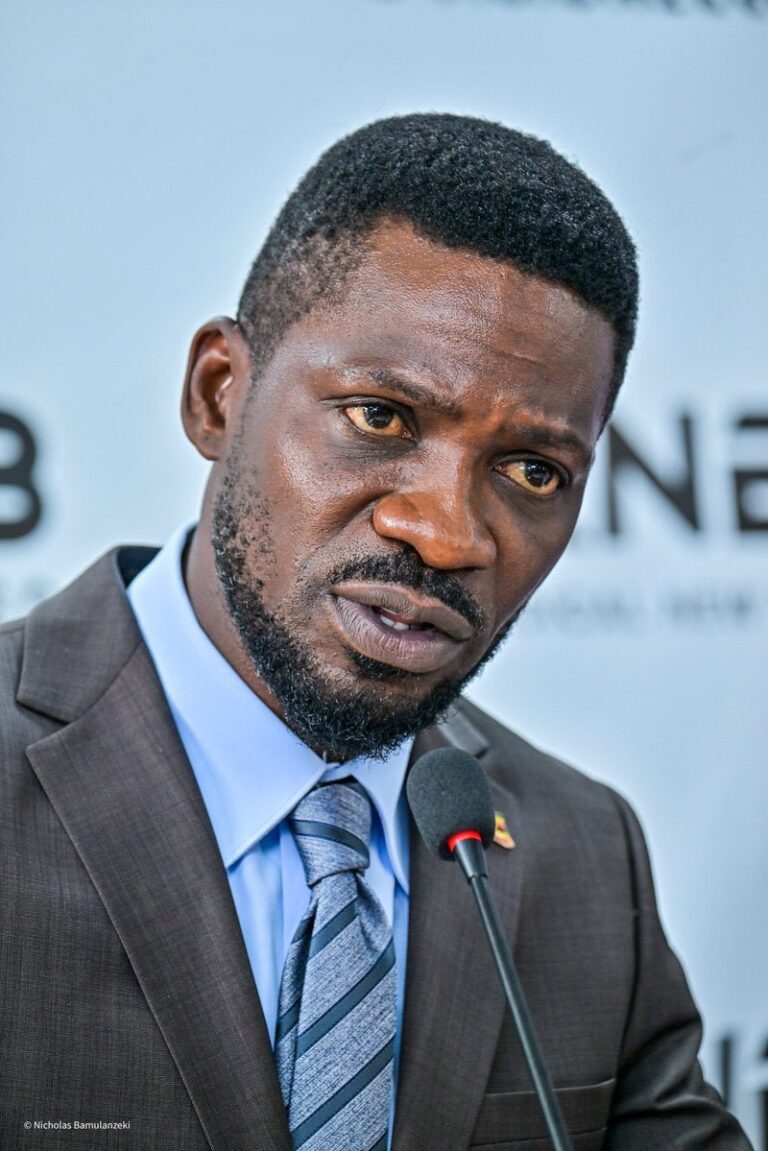
In a powerful address to the Uganda Law Society (ULS) on Tuesday morning, Robert Kyagulanyi Ssentamu, also known as Bobi Wine, the president of the National Unity Platform (NUP), issued a clarion call to the nation’s legal fraternity: to reorient the justice system to serve the populace rather than entrenching existing power structures.

Kyagulanyi’s keynote speech was an unequivocal demand for lawyers to reclaim their foundational role in building a just society. He stressed that their specialized training and profound knowledge place them at the very heart of this objective, warning that “their inaction amidst oppression makes them complicit.” Underscoring the perilous nature of a compromised legal system, he invoked the chilling example of former Chief Justice Ben Kiwanuka, stating, “No one is ever safe in a lawless nation and we have the example of none other than former Chief Justice Ben Kiwanuka to demonstrate that.”

The NUP leader used the platform to deliver a scathing critique of Uganda’s judicial system, accusing it of actively contributing to the country’s alarming prison congestion. He highlighted a pervasive pattern where suspects’ rights are systematically abused, and they are then remanded without proper trial, effectively turning the courts into instruments of detention rather than justice.

Kyagulanyi boldly denounced what he termed “judicial cowardice masked as ‘legal doctrine’,” behind which judicial officers have, since independence, repeatedly “hidden to sanitize and legitimize military dictatorship, fraudulent elections and human rights abuses.” This, he argued, has eroded public trust and perpetuated cycles of impunity.

A significant portion of his criticism was directed at specific legal doctrines that he believes have been weaponized to subvert democracy. He specifically critiqued the ‘Political Question Doctrine’ and the ‘Substantiality Test,’ which he noted the Supreme Court has on numerous occasions relied upon to dismiss what he described as “mind-bending evidence of vote rigging and electoral violence against dictator Museveni.”

Kyagulanyi dissected the absurdity of the ‘Substantiality Test,’ explaining its detrimental impact on electoral justice: “Even when the judges know that any single act of rigging, however big or small, was done precisely to alter the final result; even when they know that no one rigs an election for the sake of rigging it but to win it; and even when they know that State-led electoral malpractice undermines the credibility of the entire process and result, they still go ahead to say it was not ‘substantial’.”

He concluded with a poignant observation about the underlying motivation for such rulings: “In other words, they would rather feel ‘safe’ than uphold their judicial oath.”Bobi Wine’s address served as a powerful reminder of the immense responsibility vested in the legal profession. His appeal to the Uganda Law Society is a direct challenge to its members to choose courage over comfort, and to actively champion the rule of law as a shield for the people, not a sword for those in power. The future of Uganda’s democratic aspirations, he implied, hinges significantly on their response to this critical call.

LUUKA DISTRICT: “Prioritize our future, end abuses,” children petition government

0

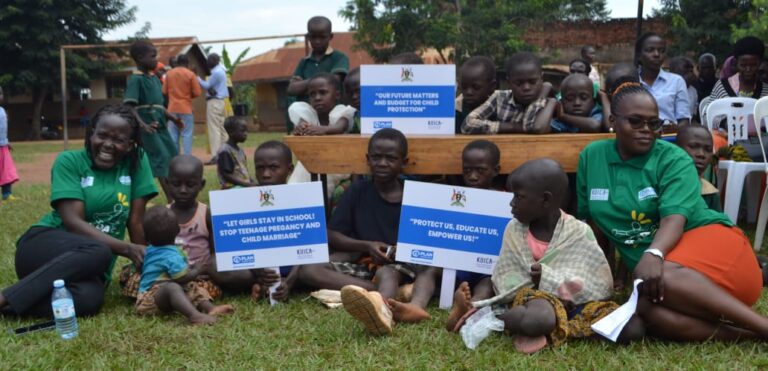
Children in Luuka District have formally petitioned the government, both local and national, demanding urgent prioritization of their needs in planning and budgeting, and a concerted effort to combat rampant child abuses. The powerful plea was made during the recent Day of the African Child celebrations held at Nakabugu Primary School, under the poignant theme: “Planning and Budgeting for Childcare and Protection.”

The event served as a critical platform for young voices, highlighting the pressing need for districts to integrate children’s welfare, including adolescent-friendly, gender-responsive, and inclusive sexual reproductive health services, into their core planning and budgeting processes.

Speaking through the Nakabale Primary School Children’s Advocacy Club, the young petitioners articulated their aspirations and demands with clarity and conviction. “As children we want to grow up healthy, educated and safe to achieve our dreams and full potentials. We therefore demand that during planning and budgeting whether at home, district or national levels, please prioritize children’s needs to secure and protect our future,” they asserted in their collective presentation.

Among the critical issues highlighted in their petition were the escalating rates of teenage pregnancies, defilement, and early marriages. The children tragically pointed out that these abuses are often perpetuated by parents who view their daughters as “economic assets,” negotiating their futures away for financial gain.

Their demands extended to strengthening community protection systems and legal frameworks to safeguard them from violence and exploitation. The children also called for a fundamental shift in harmful community and cultural practices, alongside the provision of basic necessities such as mid-day school meals, scholastic materials, and essential sanitary pads for girls, which are crucial for their continued education and well-being.

Reinforcing the urgency of the children’s plea, Vincent Njeho, a Project Officer with Plan International KOICA, urged leaders, parents, and communities to heed their cries. “The future of children matters. Let us focus, listen and respond to the children’s inner voices for protection, education and empowerment and collectively fight off these vices of teenage pregnancies, early marriages and other forms of child abuse until we are all equal,” Njeho passionately raised.Responding to the impassioned pleas, Luuka LCV Chairperson Simon Wakaze acknowledged the validity of the children’s concerns and pledged government support. Wakaze conceded that while Uganda possesses “adequate legislations” for child protection, the primary challenge lies in weak implementation and enforcement.

He highlighted existing governmental structures, stating that “we have designated structures with all vice chairpersons designated as secretaries for children.” Wakaze also revealed that Plan International, through KOICA, has facilitated the development of a children’s by-law specifically addressing child labor and teenage pregnancies in the district. Furthermore, he assured the children that the local government has this financial year “at least put provisions for children welfare to help them stay in schools and curb child labor,” demonstrating a budgetary commitment to their safety and education.

The Luuka children’s petition serves as a powerful reminder of the imperative to center young voices in development discourse. It underscores the broader challenge to districts to prioritize child-friendly, gender-responsive, and inclusive services in their planning and budgeting processes, ensuring a healthier, more protected future for the nation’s youth.

KADAGA’S FUTURE: Is Moses Magogo’s retirement advice a loving gesture or a political strike?

0

In a move that has sent ripples through Busoga’s political landscape, the Member of Parliament for Budiope East, Eng. Moses Magogo, has publicly advised people close to former Speaker of Parliament and Kamuli District Woman Member of Parliament, Rebecca Alitwala Kadaga, to encourage her to retire from active politics. Magogo’s unvarnished comments, made during a talk show on Baba FM in Jinja, have sparked debate, particularly given the escalating political rivalry involving his wife, the current Speaker, Anita Annet Among.

Magogo’s take is framed as compassionate counsel. “A person who loves Kadaga like me would advise her to rest and become an advisor! Those who don’t love her are the ones encouraging her to stay in active politics,” he asserted, suggesting that Kadaga is now ripe to become an advisor instead of contesting for political office at a national level.On the surface, Magogo’s statement could be interpreted as a genuine concern for a long-serving, highly decorated political figure. Rebecca Kadaga has been a towering presence in Ugandan politics for decades, serving as Speaker of Parliament for ten years and holding various ministerial positions before that. Her extensive experience naturally lends itself to an advisory role, often seen as a dignified way for seasoned politicians to transition out of the cut-and-thrust of electoral politics.

However, this advice cannot be viewed in isolation from the intense political undercurrents currently at play within the ruling National Resistance Movement (NRM) party. Moses Magogo’s wife, Anita Annet Among, is locked in a heated contest with Rebecca Kadaga for the influential NRM Central Executive Committee (CEC) second Vice Chairperson (Female) position. This pivotal party election is set to take place in August, and both women have already kicked off nationwide campaigns, often exchanging subtle – and sometimes not so subtle – jibes in their tactical approaches to woo voters.

In this context, Magogo’s “loving advice” takes on a distinctly strategic flavour. By suggesting Kadaga should retire and assume an advisory role, he implicitly argues that her time as an active competitor for high-level political office, particularly within the NRM party structure, should come to an end. This would, by extension, clear the path for new leadership, including potentially his wife, Anita Among, in the CEC race.

The NRM CEC is a powerful decision-making body within the party, and securing a position there translates directly into significant political influence and proximity to the party chairman, President Yoweri Museveni. For both Kadaga and Among, winning this seat is crucial for consolidating their power bases and shaping the future direction of the party.

Magogo’s comments, therefore, can be seen as a calculated move in this political chess match – an attempt to influence public perception and perhaps even sway party delegates by framing Kadaga’s continued active campaigning as an act encouraged by those who “don’t love her,” implying it’s against her best interests or legacy. It subtly suggests that her era of direct electoral competition might be drawing to a close, making way for a new generation of leaders.

The “interesting take” here lies in the duality of Magogo’s message. Is it truly a heartfelt recommendation for a veteran politician to enjoy a graceful exit, or is it a sharp, strategic jab aimed at weakening an opponent in a high-stakes political battle? For many observers, given the direct familial link to one of Kadaga’s main rivals, the latter interpretation holds significant weight. As the August party elections draw nearer, such tactical pronouncements are likely to become even more frequent, underscoring the fierce competition shaping the future of Uganda’s political elite.

A CALL TO ACTION: Dhamuzungu champions youth Talent, unity at a concert in Bugaya, Budiope East

0

In a powerful display of community leadership and commitment to youth development, Dhamuzungu Geoffrey, the former Member of Parliament for Budiope East, has called for increased talent development and unity among the youth.

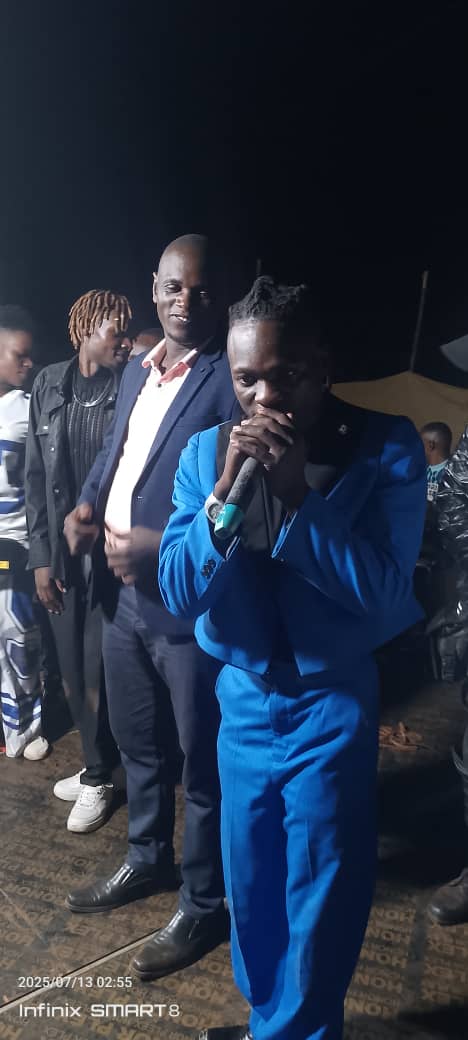
His impassioned plea came during the Ndimugwagwa concert, a vibrant event organized by local music sensation Isima Mbago, popularly known as Pawa Magic, held at Butaswa trading center in Bugaya sub-county, Buyende district.

Addressing a enthusiastic crowd, Dhamuzungu, renowned as the principal for Team TWEYAMBE BEENE, emphasized the critical role of grassroots support in fostering young talent.

He appealed to the public to consistently support their own sons and daughters who emerge with unique talents, asserting that such support, whether financial or moral, is a potent weapon against poverty and a deterrent against negative social habits plaguing the youth.

“It is through our collective support that these young talents can flourish,” Dhamuzungu stated.

“When we invest in their abilities, we are not just investing in an individual; we are investing in a future free from the shackles of poverty and the dangers of idleness.”

Demonstrating his commitment, Dhamuzungu personally extended a tangible gesture of solidarity, handing over Uganda Shillings Five Hundred Thousand to Pawa Magic.

This act served as a clear sign of his dedication to supporting youth talents and encouraging their entrepreneurial spirit.

Beyond community engagement, the former legislator also extended a direct challenge to his fellow politicians.

He urged them to join hands in the active promotion and funding of youth projects across various disciplines, including football, netball, athletics, music, dance, and drama.

His call highlights the need for a collaborative approach between leaders and the community to create sustainable pathways for youth empowerment.

Dhamuzungu was flanked by Mbiira Mugabi Eric, the NRM Chairman for Kamuli Municipality, who echoed similar sentiments.

Mugabi also urged the community to embrace hard work as a cornerstone for a brighter future. He too demonstrated his commitment by contributing Uganda Shillings One Million to Pawa Magic, further solidifying the message of leadership support for local talent.

The Ndimugwagwa concert served not only as an entertainment hub but also as a platform for a crucial discussion on youth empowerment and the collective responsibility of the community and its leaders in nurturing the next generation.

The appeals from Dhamuzungu and Mbiira Mugabi underscore a growing recognition of the untapped potential within Uganda’s youth and the urgent need for strategic investment in their talents for national development.