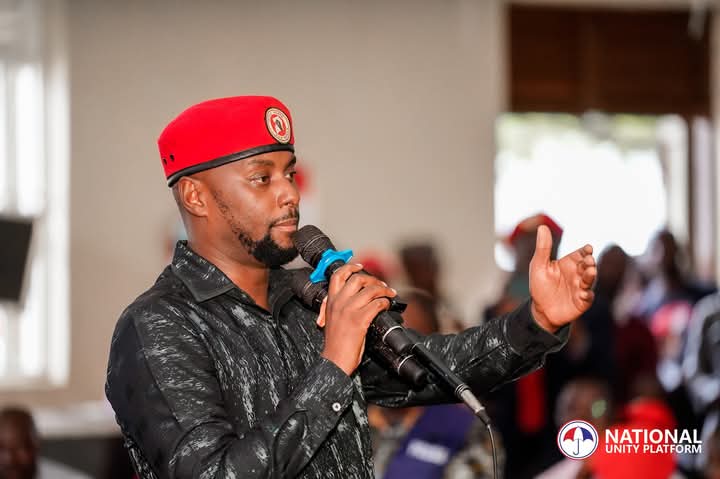
The National Unity Platform (NUP), the leading opposition party in Uganda, has vehemently criticized the Ugandan Parliament’s handling of the Uganda People’s Defence Forces (UPDF) Amendment Bill, calling it a “sham consultation” designed to rush through unconstitutional legislation.
The party’s secretary general, David Lewis Rubongoya, expressed outrage at what he perceived as a deliberate attempt to stifle public input on a controversial bill that would allow civilians to be tried in military courts.
“Very unfortunate to see the Parliament of Uganda behave in this manner,” he said in a post on X. “This morning, we received this invitation to appear and give our views on the UPDF Amendment Bill. The invitation was for today at 9:00am!”
He also highlighted inconsistencies in the Parliamentary procedure, pointing to an advertisement published in newspapers the day before, requesting public feedback by the close of business the same day.
Furthermore, he claimed the link provided for accessing the bill was non-functional. “Yesterday, an advert ran in the newspapers asking the public to give their views by close of business today. The link that was provided through which people would access the law wasn’t working. In fact, I tried to check last evening, and the website was off,” he stated.
He believes the rushed timeline and technical difficulties are indicative of a deliberate effort to bypass proper scrutiny and push through a law they deem unconstitutional. “You can see how eager they are to pass this unconstitutional law even if it means violating every law in the book!” he added.
He confirmed they have responded to the invitation, requesting sufficient time to prepare a comprehensive response to what they describe as a “very problematic law” that seeks to “illegally take civilians back to military courts.”
This concern stems from previous experiences, as the NUP claims its members have been subjected to persecution through the military court system. “NUP members have been gravely persecuted through the military courts – for whatever worth it may have, we want to be on record about our strong objection,” he concluded.
The UPDF Amendment Bill has raised concerns among human rights organizations and opposition groups, who fear it could be used to silence dissent and further militarize civilian life.
The NUP’s strong condemnation of the consultation process further fuels the debate surrounding the bill, raising questions about the government’s commitment to transparency and due process in the legislative process.
The controversy surrounding the bill is likely to escalate as it moves through the parliamentary process.
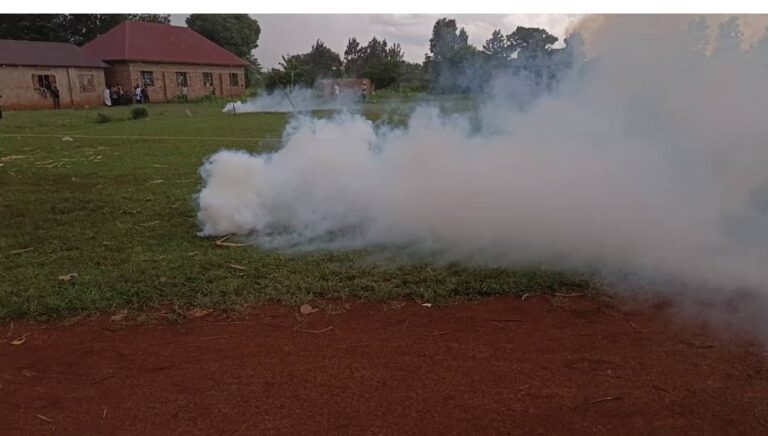
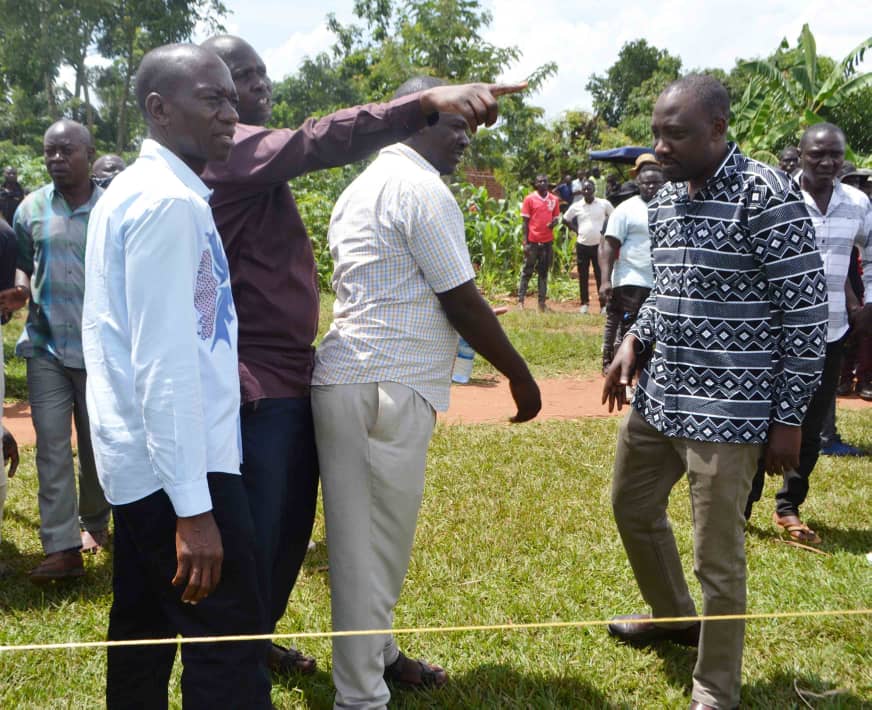
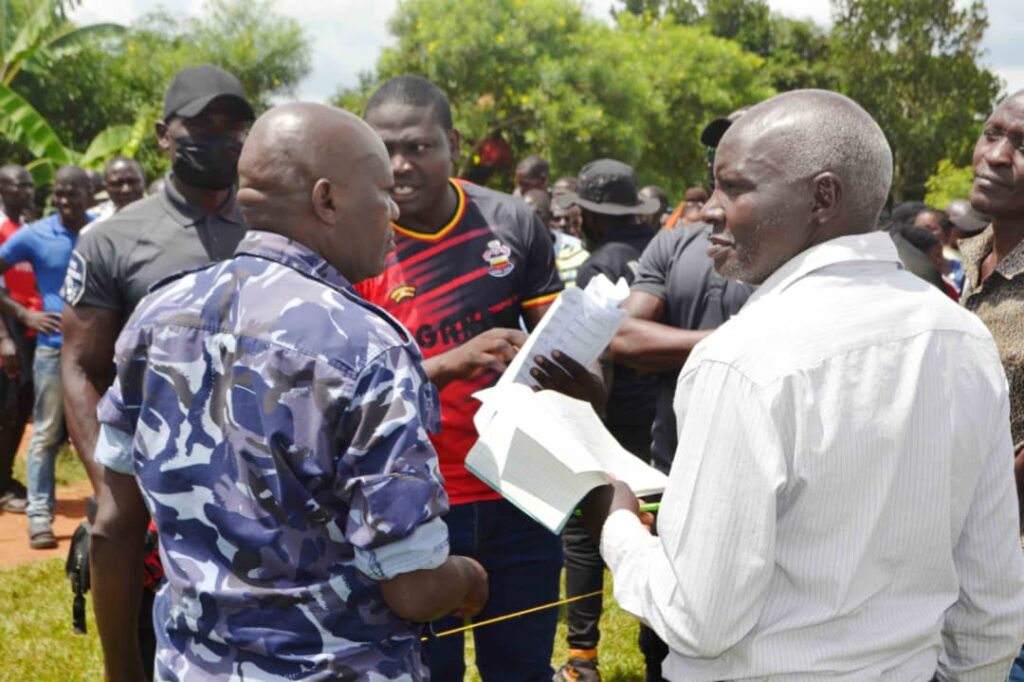
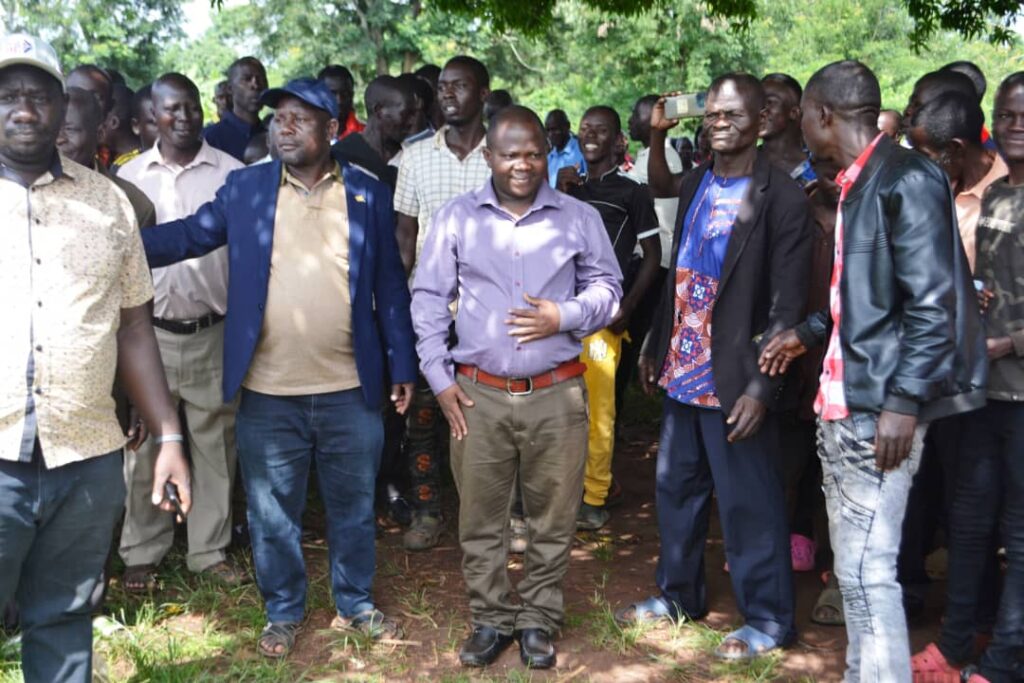
The National Resistance Movement (NRM) structure elections (election of parish structures) in three parishes within the Kitayunjwa sub-county of Bugabula South constituency, in Kamuli district, were on Monday postponed after police efforts to disperse supporters with tear gas proved unsuccessful. The heated contest, reportedly fueled by divisions between supporters of Speaker Kadaga and Deputy Speaker Among, saw intense clashes surrounding the LC2 NRM party elections.
The central figure in the upheaval appeared to be newcomer Mathew Bazanya, a close ally of former Speaker of Parliament and Kamuli district Woman MP Alitwala Rebecca Kadaga. He faced a formidable alliance allied to Speaker Anita Annet Among. The alliance reportedly comprised the current MP for Bugabula County South, former MP Asuman Kiyingi, and former Kamuli LCV Thomas Kategere—all hailing from Kitayunjwa sub-county.
Kadaga and Among are foes vying for a bigger party position – the position of NRM national vice-chairperson (female).
At Namisambya Parish, where elections were initially cancelled following petitions alleging Bazanya’s camp attempted to hide electorates under the guise of a seminar, Bazanya addressed his supporters, delivering what many considered “sad” news.
“We are not weakened, but strengthened by the cancellation of our elections here,” he declared, urging them to remain steadfast. “All these are manipulations of dying horses, but power remains with you, the voters.”
Similar scenes unfolded at Naminage Parish, the home ground of incumbent MP Maurice Kibalya. Despite a heavy downpour and the deployment of tear gas by police, Bazanya’s supporters remained defiant, chanting slogans in support of Kadaga. Reports indicate that even the tear gas proved ineffective in dispersing the determined crowd.
The pattern of disruptions extended to Namaganda Parish, leading to the eventual postponement of elections across all three locations.
Following the failed elections, tensions escalated further. Supporters of Kibalya reportedly targeted Bazanya’s political “shrine,” destroying it and carrying the wreckage to Kibalya’s Community Hospital. The incident underscores the deeply polarized political climate in the region.
In related news, Milly Babalanda, the Minister for Presidency and aspiring MP for Budiope West, was elected unopposed as chairperson of the Women’s League in Iringa Parish. This victory was reportedly “as a reward for her unconditional support and promotion of women.”
The future of the postponed elections in Kitayunjwa sub-county remains uncertain, but the events of today highlight the passionate engagement, and potential volatility, within the Ugandan political landscape.
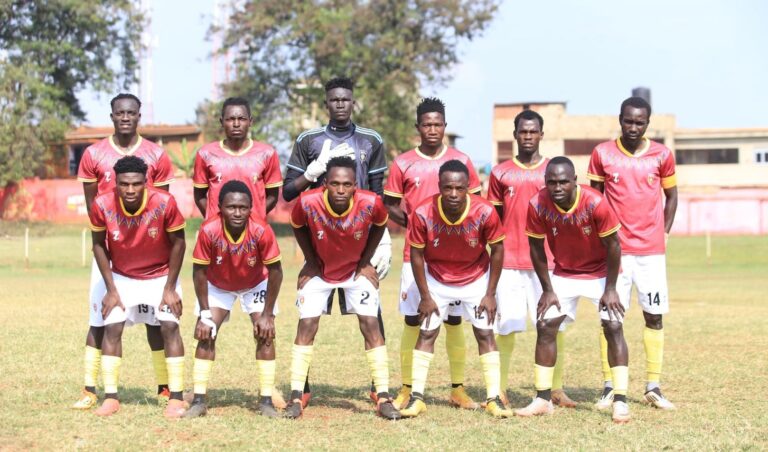
Busoga United’s stay in the FUFA Big League is teetering on the edge after a series of underwhelming performances this season. With just five games remaining, the club sits in 12th position out of 15 teams—just in the relegation zone—and faces an uphill battle to avoid an unceremonious drop to the regional leagues.
After 23 games played, Busoga United has managed only 6 wins, 5 draws, and 12 losses, collecting 23 points in total. A -13 goal difference further reflects the side’s struggles on both ends of the pitch. The recent 0-1 home defeat to MYDA, a direct rival in the relegation scrap, added salt to already deepening wounds and set alarm bells ringing across the Busoga region.
Four teams will face relegation at the end of the 28-game season, and Busoga’s current form offers little reassurance. The teams below—Kigezi Homeboyz (22 points), MYDA (20 points), and Booma (19 points)—are breathing down Busoga’s neck with a game in hand, making the final five fixtures crucial for survival.
With a maximum of 15 points left to play for, the margin for error is razor-thin. To realistically ensure survival, Busoga United may need to win at least three of their final matches and hope their rivals falter. The match against Booma at the Kyabazinga Stadium could well determine which side escapes the drop.
Beyond the numbers, the club’s performance this season has raised concern among supporters, many of whom are disillusioned by what they perceive as a lack of urgency and ambition from both players and management. The once-proud club now stares down the barrel of relegation to the regional leagues, a fate that would drastically alter its visibility, funding, and future prospects.
As the league draws to a close, Busoga United finds itself in unfamiliar and dangerous territory. The next five games are not just fixtures—they are battles for survival, pride, and the very soul of football in Busoga.
As I sit in the middle of Kampala’s endless traffic and skyscrapers, my mind often drifts back to the peaceful, food-rich village of my childhood, Buyoboya in Namutumba District. Back then, in the late 1990s and early 2000s, Busoga was a paradise of plenty. Food was not only abundant but also shared freely. Neighbors were family. Granaries were full. Gardens were productive. And joy was in the simple things: digging with grandfather, feasting on sweet potatoes, collecting mushrooms, or storytelling under moonlit skies.
But fast forward to 2025, and the contrast is heart-wrenching. That vibrant, self-sustaining Busoga of my childhood is now a shadow of its former self. What was once the “food basket” of Uganda has become a region dependent on imported food, struggling to feed itself, with many living in chronic poverty.
Busoga is not a desert. It is blessed with fertile soils, reliable rainfall, and access to water bodies like Lake Victoria, the Nile River, River Mpologoma, and Lake Kyoga. Its flat terrain makes it ideal for mechanized agriculture. The environment has not changed drastically; what has changed is the mindset, the leadership, and the support systems that once made agriculture a dignified and sustainable way of life.
Historically, Busoga contributed massively to Uganda’s agricultural output. Even President Milton Obote referred to it as the country’s “food basket.” From cassava and bananas to groundnuts and sweet potatoes, Busoga fed not only its own people but exported food to other regions. Lorries would come directly to villages like Buyoboya to purchase harvests. A full granary was the norm, not the exception.
Yet today, according to successive Uganda Bureau of Statistics (UBOS) reports from 2019 to 2024, Busoga ranks consistently among the poorest regions in Uganda. Alarmingly, a significant portion of its population now struggles to afford even two meals a day.
During my recent travels through Busoga in March 2025, the reality on the ground deeply disturbed me. In Kamuli Town, a small urban center surrounded by rural districts like Buyende, Kaliro, and Luuka, I witnessed trucks from other regions offloading matoke, onions, yams, and even cassava. The irony was painful. Why must a food-rich region import food?
The story was the same in Namutumba, where traders confirmed sourcing their produce from Mbale, Buganda, and even Mbarara. One youth I met dismissed farming as hard work with uncertain returns. “It’s easier to buy food from the market,” he said. “Farming is for the old and poor.”
Throughout my journey, I found the landscape barren, poorly maintained, and largely surrendered to sugarcane plantations. In districts like Namutumba and Iganga, subsistence farming has been abandoned, and few own gardens larger than an acre. Livestock rearing has collapsed due to rampant theft. Most young people have traded hoes for bodabodas, cooking chapati in towns, or migrating as domestic workers to other regions and many youth acquiring passports to go for “ekyeyo” in the UAE countries.
One would ask, where did we go wrong? The answer to this, is straight and simple. Busoga’s descent into food poverty is a result of several interlinked factors:The factor is monoculture mismanagement where sugarcane has replaced food crops, often without adequate returns. Secondly youth disinterest in agriculture seeing it as backward and unrewarding, especially with no skills or support. Thirdly many local leaders focus more on politics than policy or practical solutions.Fourthly the rise of handouts and political tokenism has crippled self-reliance.And lastly Farmers lack access to inputs, information, markets, and extension services.
During President Museveni’s May 2024 visit to Busoga, he expressed deep concern, wondering aloud how people live through such poverty. However, the issue is not just economic, it is cultural, structural, and generational. And while several government and NGO-led interventions have been introduced, many have not borne fruit due to poor implementation, corruption, and lack of community ownership.
If this trend continues, Busoga risks becoming a permanent hub of beggars. A place that once prided itself on hospitality, abundance, and self-sufficiency could soon depend entirely on other regions for survival.
This should alarm all of us the Basoga, religious leaders, political figures, artists, businesspeople, elites, and the cultural establishment. We must rise not just to speak, but to act.We need a comprehensive food revival agenda that will address the following:
Reignite interest inagriculture through youth skilling and agribusiness support.
Diversify farming beyond sugarcane into high-value food crops.
Revive cooperatives and savings groups to support smallholder farmers.
Promote a culture of pride in farming through media and education.
As echoed in the Busoga anthem, it’s time we join hands in fighting poverty, ignorance, and disease. But without food security, all these battles will be lost before they begin.
Let’s not allow the legacy of our grandparents like Mzee Sabasi Balaba who never bought food to be buried in our silence. Let’s return Busoga to the food hub it once was.
Mr. Emmanuel Nsadhuis a concerned musoga from Namutumba District
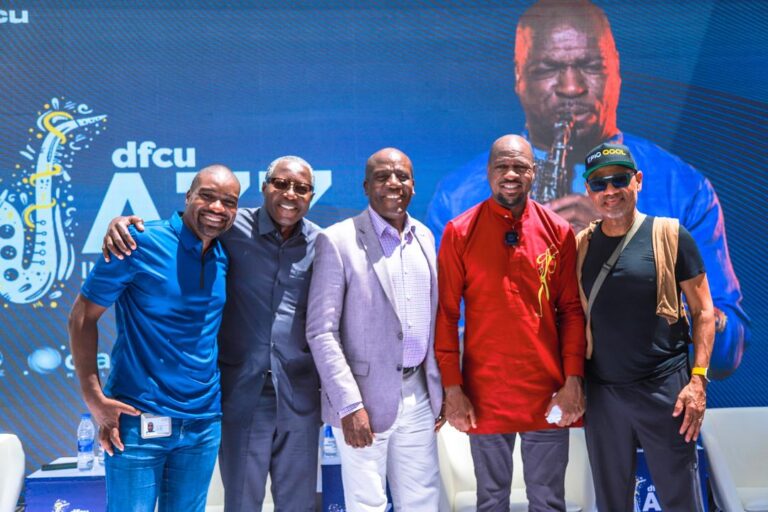
The luxurious Serena Hotel Kampala is the place to be this Saturday evening for lovers of jazz music. The dfcu Jazz in the Pearl Festival, headlined by Grammy-winning saxophonist Kirk Whalum, is happening. On the same stage will be Uganda’s jazz icon Isaiah Katumwa, a man whose name is now synonymous with world-class jazz experiences across the world.
At a press conference, Whalum, clearly moved by his connection to the Pearl of Africa, reflected on the deeper meaning of performing here. “When I come to Uganda and play jazz music, I feel like I am paying back a debt,” he said. “There’s a different energy, a deeper connection, a sense of coming home. It’s like I’ve become a child again and my eyes wide open with wonder.”
This Saturday, fans can expect not just a concert, but an experience: an elegant blend of smooth jazz, soulful storytelling, and African rhythm. Also joining the line-up, adding their own groove, are Tshaka Mayanja and the Black Roots Academy of Soul.
dfcu Bank, CEO Charles Mudiwa, spoke passionately about the power of music to connect people. “In Africa, we don’t just listen to music; we live it. This festival is therefore more than an event; it’s a shared journey,” he said.
Isaiah Katumwa, the festival’s founder and visionary force, has long dreamed of placing Uganda on the global jazz map. With this inaugural festival, that dream inches closer to reality. “The dfcu Jazz in th Pearl Festival is about building a cultural landmark—something that puts Uganda on the world stage as a destination for creativity and elegance.”
Helena Mayanja, dfcu Bank’s Head of Corporate Affairs and Sustainability, emphasized that this is just the beginning. “This is not a one-off celebration,” she noted. “dfcu Jazz in the Pearl will return every year as an annual tradition honouring creativity, musical mastery, and African cultural expression.”
The event kicks off at 6 PM on Saturday, May 10, 2025, at Serena Hotel Kampala. Come dressed to impress, ready to sway, and open to the magic of the music.
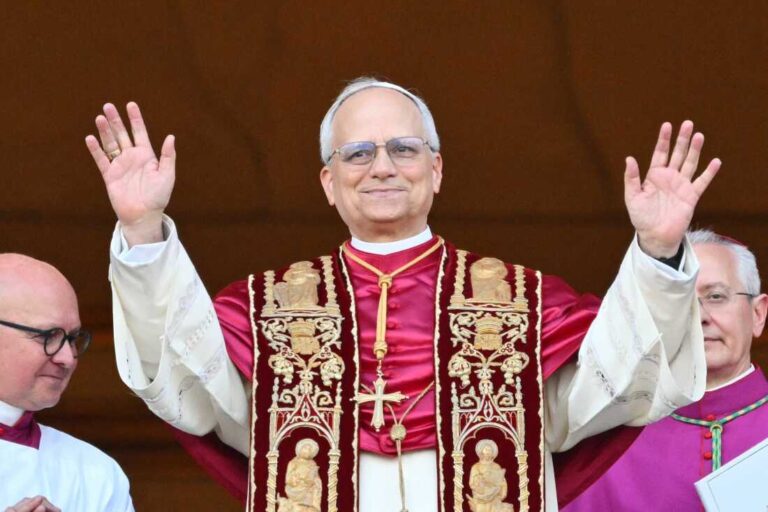
In an event that sent ripples across the world, Cardinal Robert Prevost has been elected the first American pope, taking the name Pope Leo XIV. His election not only marks a historic first for the United States, but also signals a moment of profound reflection for the global Catholic Church. The Vatican has long been a spiritual epicenter, but today, it finds itself intersecting with the geopolitical clout of a superpower. The question now is: how will this convergence of faith and global influence shape the future of the Church and the world?
Pope Leo XIV’s ascension is, by every measure, historic. Born in Chicago, forged in the spiritual trenches of Peru, and seasoned in Rome’s ecclesiastical governance, Leo XIV represents a rare blend of American boldness, Latin American humility, and Vatican diplomacy. His roots stretch across continents, a living embodiment of the universality of the Church. And yet, it is not just his nationality that makes headlines, but the symbolism that an American now wears the white robes of St. Peter.
The United States, long regarded as a secular titan with immense political and economic reach, now sees one of its own at the helm of the world’s largest religious institution. But this is not merely about national pride, though social media erupted with celebratory tones — from President Trump’s congratulatory message to Chicago Mayor Brandon Johnson’s cheeky quip, “Everything dope, including the Pope, comes from Chicago.” This moment calls for deeper contemplation beyond patriotic exuberance.
The papacy is not a political office, nor should it be seen as a geopolitical win for any one country. The Pope is a shepherd, not a statesman — his allegiance is to the Kingdom of God, not to the stars and stripes. Pope Leo XIV’s first words were not laced with nationalism, but with prayer. He addressed the world with a message of peace, urging hearts to be open to compassion, and he paid tribute to the late Pope Francis, whose papacy emphasized mercy, inclusivity, and justice.
Pope Leo XIV comes at a time when the world is crying out for moral clarity, unity, and healing. The Catholic Church, too, faces internal challenges — from declining vocations in the West, to the growing influence of secular ideologies, to the lingering wounds of past scandals. This is not the time for spectacle; it is a time for reform, reconciliation, and renewal. Leo XIV’s background suggests he understands this. As a missionary in Peru, he ministered not from palaces, but among the people. As head of the Vatican’s Congregation for Bishops, he has had a hand in shaping the next generation of Church leadership — a task that demands wisdom and discernment.
That said, the intersection of American identity and papal leadership will be scrutinized. Critics will question whether the global south — where Catholicism is growing most rapidly — has once again been sidelined. Others will worry about the perception of Western ideological influence infiltrating the Church. These are valid concerns. But they must also be tempered by recognizing that Pope Leo XIV is no mere political appointment. He is a man of the Church, tested in mission, and deeply pastoral in his heart.
What this moment offers is an opportunity — not for America to celebrate a victory, but for the Church to reintroduce itself with new energy and global relevance. Pope Leo XIV can use his platform not to showcase American values, but to remind the world of Christian ones: love, humility, service, justice, and peace. His dual citizenship is symbolic not of divided loyalty, but of a Church that spans borders and bridges worlds.
As thousands filled St. Peter’s Square and bells rang out over Rome, one could sense a collective yearning — not just for new leadership, but for spiritual anchoring in uncertain times. That yearning has found a name: Leo XIV. The world is watching. The faithful are praying. And history has taken a bold, unexpected step forward.
Daglous Bakinyumya is a Political TV Producer and TV Host – @BDouglasPaapa
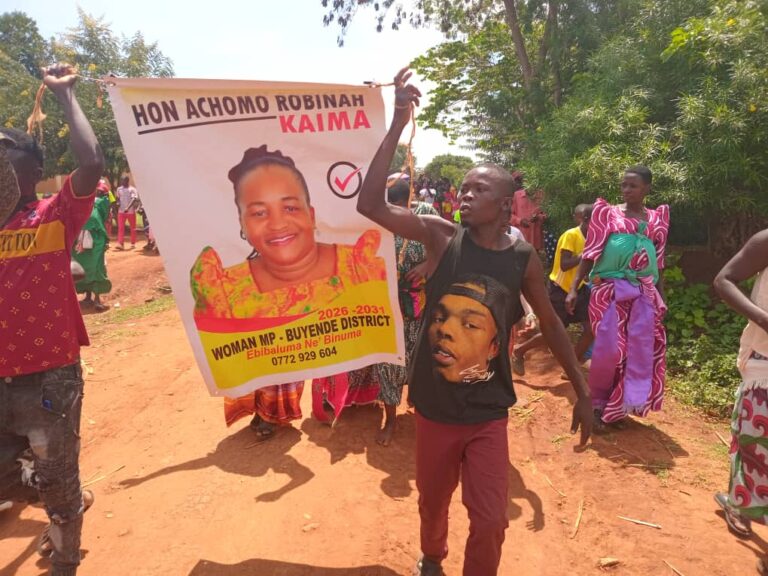
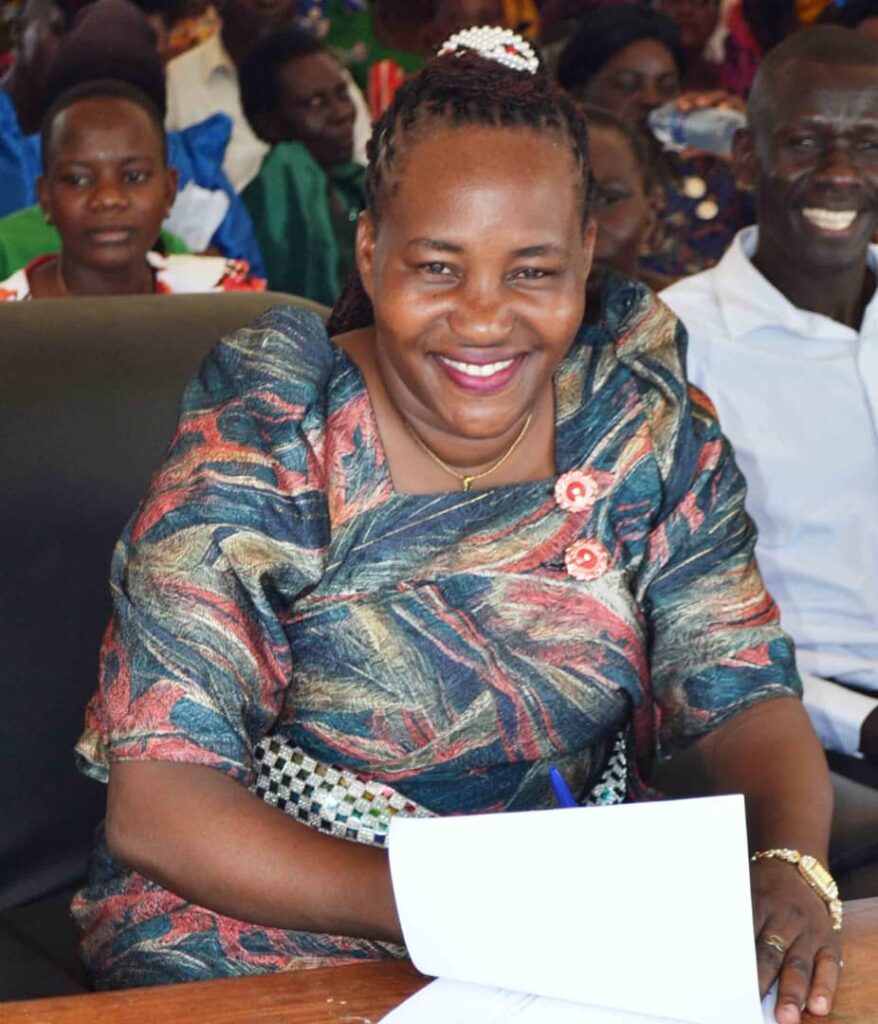
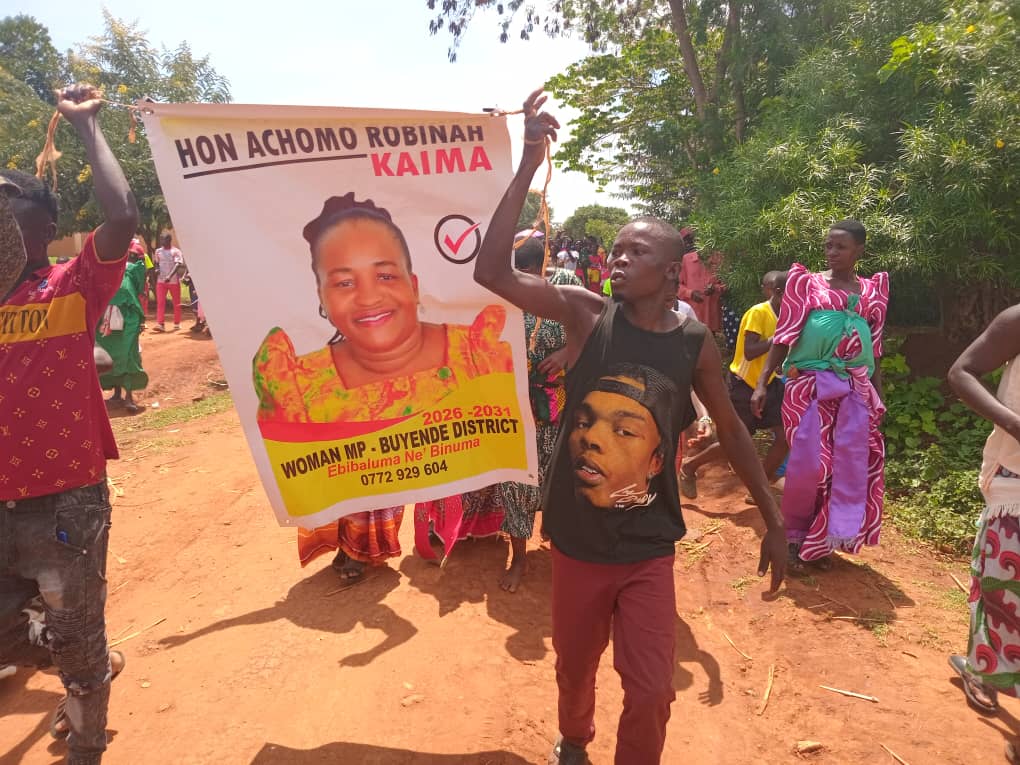
Robinah Achomo Kaima, a passionate advocate for the people of Buyende, is vying for the position of District Woman Member of Parliament under the National Resistance Movement (NRM). Driven by a deep understanding of the district’s unique challenges and unparalleled potential, Achomo, born in Kirimira village, Kiwaba Parish, Nkondo Sub County, offers a compelling vision for its future.
In this interview with Busoga Times, she shares her plans and aspirations for Buyende, outlining how she intends to uplift the people in the district and contribute to its overall prosperity.
What motivated you to seek the position of District Woman MP for Buyende?
My motivation stems from a profound commitment to serving the people of Buyende, particularly the women and children who are the backbone of our communities. I’ve witnessed firsthand the struggles my people especially women face, from limited access to resources and healthcare to the challenges of economic empowerment.
Robinah Achomo Kaima is vying for the position of District Woman Member of Parliament for Buyende district under the National Resistance Movement. She shares her big plans in this exclusive interview.
I firmly believe that empowering women and children is the cornerstone of a strong family unit. It’s widely understood that the family serves as the fundamental building block of any community. Therefore, by prioritizing the well-being and agency of women and children, we lay the groundwork for resilient and thriving families. These strong and empowered families, in turn, will create strong communities, and ultimately, a strong Buyende district and a strong Uganda.
Empowered families are better equipped to ensure their children are healthy and ready to learn, leading to improved educational outcomes. They are also more likely to engage in entrepreneurial activities, fostering sustainable businesses and economic growth. This empowerment will ripple throughout Buyende, from the close-knit community of Nkoone, where my uncles reside, to the warm and welcoming people of Bukungu, fostering an environment of harmony, cooperation, and shared prosperity for all.
I believe I possess the experience, the passion, and the dedication to effectively represent the interests of the people of Buyende and advocate for policies that will truly make a difference in their lives. I want to be the voice of my people in parliament, championing their needs and ensuring they have the opportunities they deserve. I might be a district Woman MP, but I will be an MP for all the genders in Buyende. Women are most happy when men are happy.
What are the most pressing issues facing women in Buyende district today?
Several critical issues demand our immediate and sustained attention if we are to achieve true gender equality and empower women to reach their full potential.
Achomo promises to maintain constant communication with constituents, providing them with regular updates on progress being made and seeking their feedback because she believes in the power and importance of accountability and effective implementation of government and community programmes.
Firstly, access to quality healthcare, particularly maternal and child health services, remains a significant challenge, especially in underserved communities. This includes not only the availability of basic medical facilities and trained personnel, but also affordability and culturally sensitive care.
We must address the root causes of maternal mortality, such as inadequate prenatal care, complications during childbirth, and postpartum complications. Investing in community health workers, strengthening referral systems, and ensuring access to family planning services are crucial steps. Furthermore, advocating for policies that prioritize women’s health within national health budgets is paramount.
Secondly, financial literacy and access to micro-finance opportunities are crucial for economic empowerment, enabling women to start and grow businesses, manage their finances effectively, and build financial security.Many women lack the knowledge and resources to navigate the financial system, leaving them vulnerable to exploitation and hindering their ability to escape poverty.
We need to implement targeted financial literacy programs tailored to the specific needs of women, particularly those in rural areas and marginalized communities. Expanding access to micro-loans, savings groups, and other financial services, coupled with mentorship and business training, can empower women to become successful entrepreneurs and contribute to economic growth.
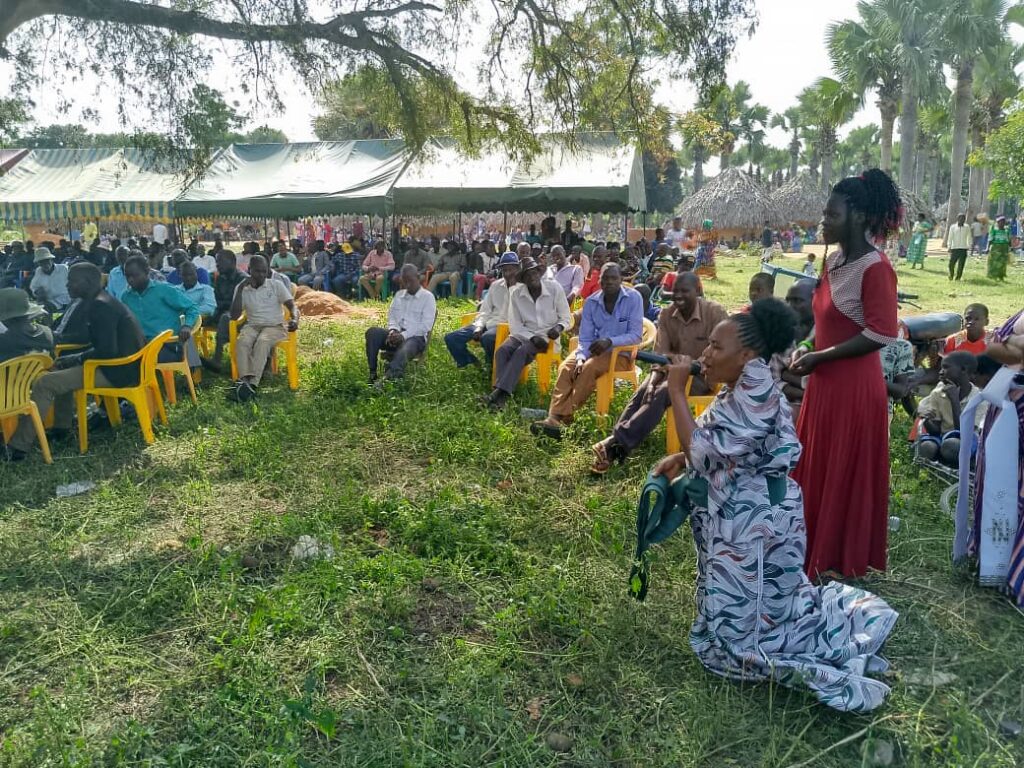
Achomo (kneeling in white gomesi) has proven track record of working closely with diverse stakeholders within Buyende district, including women’s groups, youth organizations, and local leaders.
Thirdly, we need to address the prevalence of gender-based violence (GBV) in all its forms and ensure that women have access to justice and protection.GBV, including domestic violence, sexual harassment, and harmful traditional practices, is a pervasive human rights violation that undermines women’s health, well-being, and economic prospects.
This requires a multi-faceted approach, including strengthening legal frameworks to criminalize all forms of GBV, providing survivors with access to comprehensive support services (shelter, counseling, legal aid, and healthcare), and challenging societal norms and attitudes that perpetuate violence. Raising awareness about GBV, engaging men and boys as allies in prevention efforts, and ensuring effective law enforcement and judicial responses are essential components of a comprehensive strategy.
Finally, education and skills training are paramount in equipping women with the tools they need to thrive in today’s competitive environment. Investing in girls’ education, from primary school to higher education, is not only a fundamental human right but also a powerful engine for economic development. Furthermore, we need to prioritize skills training programs that are relevant to the demands of the labor market, focusing on areas such as technology, entrepreneurship, and vocational trades.
Land ownership, again especially for women, and access to agricultural resources are also key concerns, particularly for women in rural areas. Secure land tenure is fundamental for women’s economic security and empowerment, enabling them to access credit, invest in their farms, and improve their livelihoods.
She is strong and articulate communicator, capable of effectively conveying information and building consensus among diverse audiences. She can advocate for the needs of the community and secure positive outcomes.
We must advocate for legal reforms that guarantee women’s equal rights to land ownership and inheritance, and implement policies that support women farmers with access to agricultural inputs, technology, and markets. This includes addressing discriminatory customary practices and ensuring that women have a voice in land governance decisions.
How do you plan to address these issues if elected?
My approach will be multi-faceted and collaborative. I will work closely with relevant government ministries, NGOs, and community-based organizations to develop and implement targeted programs. For healthcare, I will advocate for increased funding for local health centers, improved infrastructure, and the training of more healthcare professionals.
To empower women economically, I will champion initiatives that promote financial literacy, provide access to affordable credit, and support women-led businesses. On gender-based violence, I will work to strengthen laws and enforcement mechanisms, raise awareness about the issue, and provide support to survivors. Regarding education, I will advocate for scholarships and bursaries for girls, and vocational training programs that equip women with marketable skills.
The NRM has been in power for a long time. How do you plan to ensure your promises are fulfilled, especially considering the district’s persistent challenges?
As a candidate under the NRM ticket, I recognize the importance of accountability and effective implementation. I will leverage the existing NRM structures and networks to ensure that programs are implemented efficiently and transparently. I will also maintain constant communication with my constituents, providing regular updates on my progress and seeking their feedback.
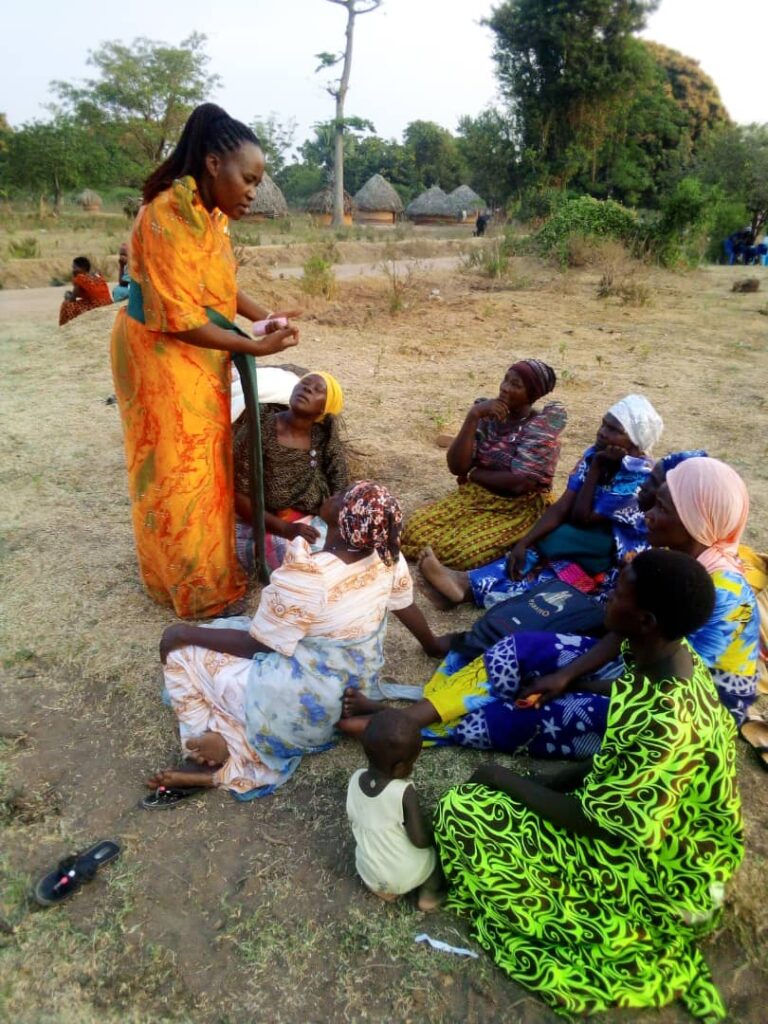
Achomo is passionate advocate for the people of Buyende because she has witnessed firsthand the struggles the people especially women who face limited access to resources like healthcare
I believe in the power of collaboration and will work with all stakeholders, regardless of their political affiliation, to achieve our shared goals for Buyende. Moreover, I will prioritize monitoring and evaluation to ensure that programs are achieving their intended impact and making a real difference in the lives of women.
What specific skills and experiences do you bring to the table that make you the best candidate for this position?
I am a highly educated and comprehensively trained individual, equipped with the knowledge and skills necessary to make a significant contribution to the development of Buyende district. I hold a Bachelor’s degree in Population Studies in Statistics from Makerere University, providing me with a strong analytical foundation for understanding complex socio-economic issues.
Beyond my formal education, I have actively sought and received various human interest training programs and mentorship opportunities, further honing my understanding of community needs and effective intervention strategies.
Achomo says she possesses the experience, the passion, and the dedication to effectively represent the interests of the people of Buyende and advocate for policies that will truly make a difference in their lives.
My qualifications are complemented by years of hands-on experience in community development and advocacy. I have a proven track record of working closely with diverse stakeholders within Buyende district, including women’s groups, youth organizations, and local leaders. Through these collaborations, I have gained a deep and nuanced understanding of the unique challenges and opportunities that exist within the community, allowing me to tailor solutions that are both effective and sustainable.
I am a strong and articulate communicator, capable of effectively conveying information and building consensus among diverse audiences. My experience has also cultivated strong negotiation skills, enabling me to successfully advocate for the needs of the community and secure positive outcomes. I am a passionate advocate for the voiceless, dedicated to ensuring that all members of the community have an opportunity to thrive.
Furthermore, my commitment to the NRM’s vision of a prosperous and equitable Uganda is unwavering. I believe that my skills and experience align perfectly with the party’s goals, and I am confident that I can contribute meaningfully to their realization.
Achomo wants to be the voice of her people in parliament, championing their needs and ensuring they have the opportunities they deserve.
My experience in project management and resource mobilization will be invaluable in attracting funding from various sources, both domestic and international, and in implementing impactful programs that address the pressing needs of the community and drive sustainable development.
What is your final message to the women of Buyende?
To the people of Buyende, I want to say that I hear you, I see you, and I am here to represent you. I believe in your strength, your resilience, and you’re potential. I promise to be a dedicated and effective advocate for your needs in parliament. Together, we can build a brighter future for Buyende, where every woman has the opportunity to thrive and reach her full potential.
Let us work together to transform our district and create a better life for ourselves and our children. I am ready to serve, and I am confident that together, we can achieve great things. Your vote for Robinah Achomo Kaima is a vote for progress, for empowerment, and for a brighter future for all women in Buyende.
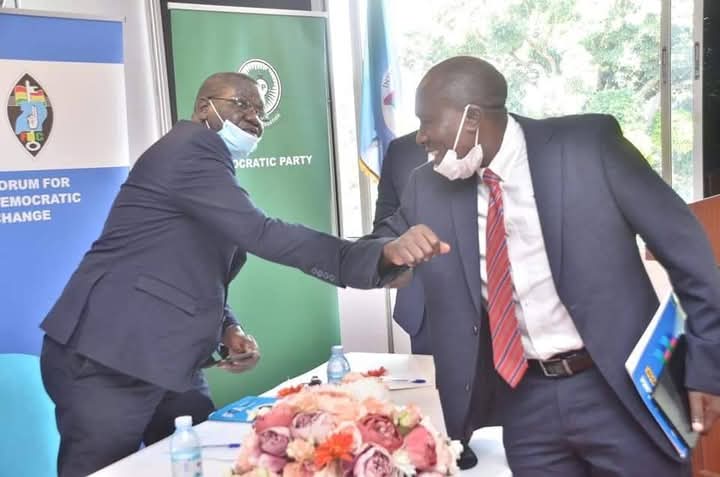
The Forum for Democratic Change (FDC) is gearing up for an intense internal battle as Eng. Patrick Oboi Amuriat and Nathan Nandala Mafabi emerge as the official contenders for the party’s coveted 2026 presidential flag bearer slot.
The announcement, recently made by the Party Electoral Commission, has ignited a friendly fire between the two seasoned leaders, each bringing a distinct ideology, dedicated support base, and compelling vision for the future of the FDC.
Amuriat, the FDC’s presidential candidate in the 2021 elections, returns to the political arena championing his signature populist, mobilization-first approach. He is fondly (or perhaps controversially) remembered for his barefoot campaigns and confrontational style, symbolizing a potent brand of resistance politics. His campaign will likely focus on rekindling this image and leveraging his grassroots connection to rally support.
In stark contrast, Mafabi represents a more institutional and reform-driven vision for the party. The long-serving Budadiri West MP and former Leader of the Opposition in Parliament is betting on his established reputation as a firm, no-nonsense strategist. His supporters believe he embodies the discipline and strategic acumen needed to propel the FDC to victory.
The upcoming countrywide campaigns to win over FDC delegates are being viewed by insiders as more than just a leadership contest. It’s a battle for the very soul of the party, a pivotal moment that will determine its future direction.
“This is not just about who becomes flagbearer,” asserted Boniface Toterebuka Bamwenda, chairperson of the FDC Electoral Commission. “It’s about which direction the party takes — whether it remains activist-driven, deeply rooted in resistance, or leans into structured political engagement, prioritizing institutional reform and strategic maneuvering.”
Despite their shared objective of unseating the long-ruling NRM regime, the two camps within the FDC have already begun subtly drawing battle lines. Amuriat’s camp emphasizes his deep connection with the grassroots and his proven commitment to electoral activism, positioning him as the true voice of the common person. Conversely, Mafabi’s supporters champion him as the tactician the party desperately needs – a leader capable of winning both votes and effectively navigating the complex landscape of Ugandan institutions.
In separate statements released following their nomination, both candidates adopted tones of unity and underscored their readiness for the challenge ahead.
“I’m ready to hit the ground running. This is a movement to reclaim our country,” declared Amuriat, energizing his base with his familiar fighting spirit. “But we must remain firm, bold, and grounded in the struggle of the common people.”
Mafabi, meanwhile, strategically emphasized reconciliation and party reform, highlighting the need for internal cohesion. “Our strength lies in organization. We must consolidate, not divide,” he stated. “My candidacy is about discipline, integrity, and strategy.”
The Delegates’ Conference in July will serve as the grand stage where one of these two men will be crowned the FDC’s standard-bearer for the 2026 presidential election.
Until then, all eyes will be intently fixed on the unfolding campaign trail – scrutinizing every move, every speech, and every pledge – as the party grapples with the critical question of whether this internal contest will ultimately strengthen or further fracture the Forum for Democratic Change. The stakes are high, and the future of the FDC hangs in the balance.
Robert Kyagulanyi Ssentamu, the leader of the National Unity Platform (NUP) and a prominent opposition figure in Uganda, has ignited a fierce debate on tribalism with an open letter addressed to influential Banyankore and Kigezi elders. The letter directly challenges these leaders to publicly condemn what Kyagulanyi describes as the “dangerous tribalism” allegedly promoted by Gen. Muhoozi Kainerugaba, son of President Yoweri Museveni.
The letter, addressed to respected figures like Amanya Mushega, Justice Bart Katureebe, and Prof. Mondo Kagonyera, paints a troubling picture of escalating ethnic tensions in Uganda. Kyagulanyi argues that Muhoozi is “weaponizing ethnicity,” dehumanizing citizens, and inciting hatred through provocative social media posts and heavy-handed state actions. His central question to the elders: “Are you comfortable with what is going on? If not, what role can you play before the situation gets out of hand?”
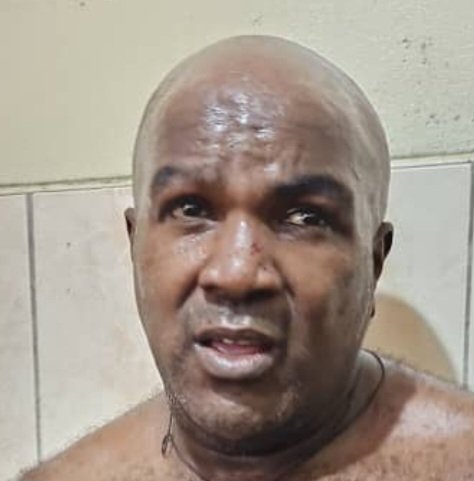
Kyagulanyi’s accusations are not abstract. He cites the recent abduction and torture of his bodyguard, Edward Ssebuufu (Eddie Mutwe), who hails from the Buganda region, as a prime example. He alleges that Muhoozi publicly humiliated Eddie by posting images of his detention online, bragging about his forced shaving, and mocking his identity by “teaching him Runyankore.” This, according to Kyagulanyi, is a deliberate act to pit ethnic groups against one another, particularly targeting Baganda and promoting Banyankore dominance.
The leader of NUP directly accuses Muhoozi of fostering state-sanctioned tribalism, arguing that his rhetoric and actions are intentionally divisive and criminal. He warns that such actions are precursors to chaos, reminding readers of historical atrocities that began with hateful speech and ethnic scapegoating.
Kyagulanyi implores the Banyankore elders to distance themselves from what he calls the “reckless impunity” of Muhoozi and President Museveni. He underscores the moral imperative to speak out, even if the current regime chooses to ignore their voices. “Your silence, at a time like this, is loud,” he poignantly states.
The letter also serves as a platform to reiterate the NUP’s commitment to building a united and peaceful Uganda where ethnicity is not a basis for judgment or targeting. Kyagulanyi extends an invitation for open dialogue and national healing, suggesting a path forward from the current divisions.
Context and Implications:
Kyagulanyi’s bold move comes at a critical juncture in Ugandan politics. The nation grapples with simmering political frustration and deepening ethnic and regional fault lines. The accusations against Muhoozi, who is often seen as a potential successor to his father, are particularly significant.
This open letter could signal a shift in the opposition’s strategy ahead of the 2026 elections. By directly appealing to influential figures within the ruling establishment’s perceived power base, Kyagulanyi may be attempting to:
Isolate Muhoozi: By publicly shaming his actions and highlighting their potentially divisive consequences, Kyagulanyi aims to undermine Muhoozi’s credibility and political ambitions.
Break the Silence: The letter encourages dissent within the Banyankore community, potentially fracturing the seemingly monolithic support base of the ruling party.
Unite the Opposition: By focusing on the issue of tribalism, Kyagulanyi hopes to galvanize support from various ethnic groups who feel marginalized or threatened by the alleged favoritism towards Banyankore.
Internationalize the Issue: The letter is a public statement that could draw international attention to the allegations of state-sponsored tribalism in Uganda.
The response from the Banyankore elders, and indeed the wider Ugandan public, will be crucial in shaping the political landscape in the lead-up to the 2026 elections. Whether Kyagulanyi’s strategy will succeed in fostering unity and challenging the ruling establishment remains to be seen. However, the letter has undoubtedly sparked a vital conversation about tribalism, power, and the future of Uganda. The silence, or the response, of those addressed will speak volumes about the direction the nation is headed.
Bukooli Central MP, Solomon Silwany, has emerged as a frontrunner in the race for the National Resistance Movement (NRM) chairmanship in Bugiri district. His path to this ambition was significantly cleared after he secured the Secretary Publicity NRM Mainstream post in Makoma one village, unopposed, during the recent village-level primaries. This victory came amidst a backdrop of significant disruption and accusations of malpractice that marred the NRM primaries across the district.
According to sources, Silwany’s competitors, Opendi Phillip and Wandera Tifu, withdrew their candidacies upon learning of his interest in the position. A close associate of Silwany stated, “When they learnt about it, they decided to step down for Silwany to continue with his vision for the district.” Now, Silwany has his sights set on replacing the current NRM district chairperson, Mutumba Stephen, a position he believes is crucial for revitalizing the party’s support base in Bugiri.
“He wants to be the district chairperson to reactivate NRM support in the district,” the associate revealed, citing the current chairman’s perceived inactivity and lack of engagement with the community. He further elaborated, “After ten years, the current chairperson has never appeared on any fora, be it a baraza, radio, etc., to mobilise for the party.”
This perceived absence, according to Silwany’s camp, has contributed to a decline in NRM support, evidenced by the President’s lower-than-expected 46% vote share in the previous elections. Silwany aims to address this by “energizing the party structures through holding several meetings in the district routinely.” The current chairman’s record, with only two district delegates conferences held in the last decade (both after the election roadmap announcement), further fuels the call for change.
Kiryia Bakali, the NRM chairperson for Bugiri Western Division, has publicly endorsed Silwany’s ambition. Bakali believes the district chairmanship would provide Silwany with the necessary platform to effectively contribute to all parts of the district.
“He is always called upon to support the community in different parts of the district, but whenever he goes to other constituencies, MPs of those areas report him before the speaker for challenging them and operating beyond his boundaries, hence opting for the NRM district chairperson, a position that will enable him to move to every corner of the district without obstruction,” Bakali explained.
However, Silwany’s ascent comes at a time of significant turmoil within the Bugiri NRM. The recently held village-level primaries were plagued by chaos, violence, and accusations of widespread electoral malpractice forcing the postponement of elections in several villages. According to a report by Bugiri district NRM Election Officer, Dan Ngia, candidates were suspected of transporting voters from rural areas to influence the outcome in urban centers.
The situation deteriorated in Nawampanda Village, where a candidate allegedly tore the voters’ register, leading to police intervention. As a result, elections in the affected areas have been rescheduled for Wednesday, May 7th, 2025.
While Silwany enjoys a smooth start with his unopposed win, he will inevitably face challenges in uniting the fragmented NRM structures in Bugiri, especially in the wake of the disputed primaries. His ability to address the concerns raised regarding election irregularities and galvanize the party will be crucial to his success as district chairperson. The coming months will prove whether he can deliver on his promise to revitalise NRM support in Bugiri.
Websites store cookies to enhance functionality and personalise your experience. You can manage your preferences, but blocking some cookies may impact site performance and services.
Essential cookies enable basic functions and are necessary for the proper function of the website.
Name
Description
Duration
Cookie Preferences
This cookie is used to store the user's cookie consent preferences.