Thursday, May 21, 2026
Home Blog Page 6

MECHANIZED PLANTING: dfcu Bank, Meta partner to boost sugarcane farming in Eastern Uganda with affordable equipment loans

0

dfcu Bank has partnered with Meta Plant & Equipment Uganda Limited to enable sugarcane farmers in eastern Uganda to acquire modern farm machinery on highly favorable loan terms. The announcement was made at the Kakira Sugar Limited factory in Jinja.

Under the arrangement, farmers pay only 10% of the equipment cost upfront, while dfcu Bank finances the remaining 90%, with insurance coverage provided by ICEA Lion. The loans, which require no collateral, can be repaid over a maximum of five years, with farmers allowed to choose their preferred repayment schedule.

Speaking at the launch, Gloria Ssuuna Namutebi, Senior Manager, Vehicle and Asset Finance at dfcu Bank, said the initiative is aimed at modernizing farming practices and improving productivity.

“We support customers to acquire assets they need in their day-to-day activities,” Namutebi said. “Today, our focus is on farmers. With this program, they can access tractors, ploughs, planters, harvesters, and other machinery. By partnering with reputable companies like Meta and ICEA, we also provide guarantees, maintenance, and training.”

Patrick Enoka, dfcu Regional Manager for Eastern Uganda, said the program targets over 10,000 farmers and includes financial literacy and capacity-building support. He urged farmers to embrace digital banking platforms to make loan management easier.

Dorcus Najjemba, Marketing Executive at Meta Plant & Equipment Uganda Ltd, highlighted that farmers could repay loans per harvesting season, with a 12% interest rate. She emphasized that the machinery is built to suit African agricultural conditions.

Representatives of Kakira Sugarcane Outgrowers Association welcomed the initiative. David Christopher Mombwe, Chairperson, noted that sugarcane farming is capital intensive and that access to affordable equipment and financing would improve yields.

YY Shaban, Deputy Outgrowers Manager at Kakira Sugar Limited, explained that mechanized planting is critical for sugarcane production. “You cannot plant sugarcane with hand hoes. Holes need to be over 12 inches deep for proper nutrient uptake. Limited access to tractors has been a major challenge. Now, farmers can own their equipment and even rent it to others,” Shaban said.

Annette Kiconco, Chief Retail Banking Officer at dfcu Bank, said the partnership represents a shift toward modern, sustainable farming. “This is a holistic solution — we finance the equipment, ICEA insures it, and farmers are trained to use it effectively. This is about taking agriculture to the next level in Busoga and beyond,” she said.

The partnership aims to empower farmers, increase productivity, and boost incomes, signaling a new era for commercial farming in eastern Uganda.

PUBLIC HEALTH SYSTEMS: Staffing crisis deepens at Jinja Regional Referral Hospital as demand outpaces workforce

0

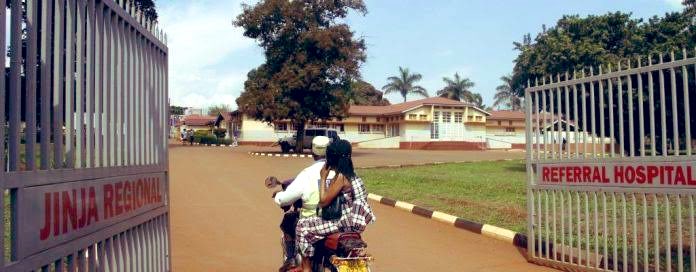
A severe staffing shortfall at Jinja Regional Referral Hospital is straining service delivery and raising fresh concerns about the capacity of Uganda’s public health system to meet growing patient demand.

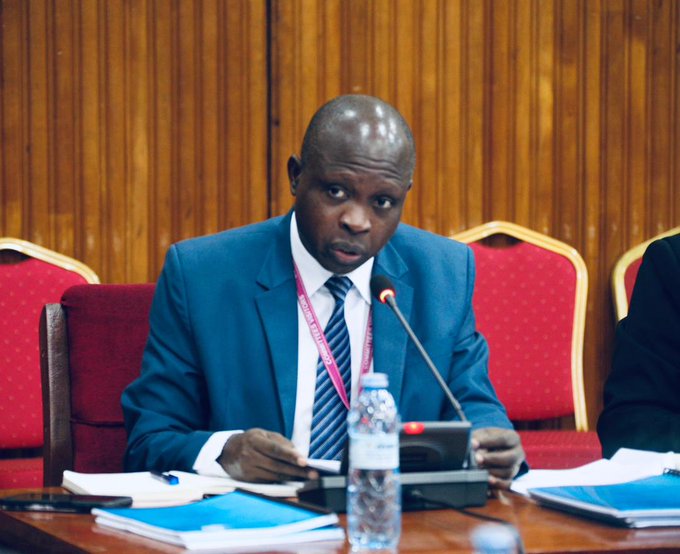
Hospital Director Dr Alfred Yayi revealed that the facility is operating at just 32 percent of its required staffing levels, with only 410 personnel in place against an approved structure of 1,261.

The disclosure was made as the hospital’s top management appeared before the Public Accounts Committee (Central Government) to respond to queries in the Auditor General’s report for the financial year ending 2025.

“Our current staffing is at 32 percent. We have 410 staff out of the required 1,261,” Dr Yayi told lawmakers, noting that the figure represents only a marginal increase from 31 percent at the time of the audit.

While hospital management pointed to the slight improvement as progress, legislators pushed back, questioning whether such incremental gains are meaningful in the face of overwhelming service demands.

Buhweju County MP Francis Mwijukye dismissed the increase as insufficient, arguing that the hospital remains critically understaffed.

“Thirty-two percent is still very low. I cannot call that steady progress,” he said, pressing management to outline concrete measures to address the gap.

Growing Pressure on a Regional Lifeline

Jinja Regional Referral Hospital serves as a key healthcare hub for eastern Uganda, handling referrals from multiple districts and offering specialised services beyond the capacity of lower-level facilities. However, the widening gap between staffing levels and service demand is placing immense pressure on existing health workers.

Jinja Regional Referral Hospital Director Dr Alfred Yayi

With fewer than one in three required positions filled, staff are often stretched across multiple roles, raising concerns about burnout, longer patient waiting times and compromised quality of care.

Dr Yayi acknowledged the strain, noting that the hospital’s mandate has expanded in recent years, with new services introduced without a commensurate increase in staffing.

“This is not sufficient given the expanded scope of our mandate and the new services we are bringing on board,” he said.

Funding Constraints Stall Recruitment

Efforts to address the staffing gap have so far been hindered by funding constraints. According to Dr Yayi, the hospital submitted its staffing requirements to the Ministry of Public Service, including a recruitment plan worth Shs3.2 billion. However, the funds were not allocated in the current financial year, delaying implementation.

There are, however, signs of potential relief. The hospital has been allocated an additional Shs4 billion under the second Budget Call Circular (BCC2) for the 2026/27 financial year, earmarked for recruitment.

“The good news is that the figures we are being given indicate that we have been allocated additional Shs4 billion to recruit in the coming financial year,” Dr Yayi said.

A Systemic Challenge

The situation at Jinja reflects broader systemic challenges within Uganda’s public health sector, where many regional referral hospitals continue to operate below optimal staffing levels despite rising patient loads.

Health experts warn that without sustained investment in human resources for health, gains made in infrastructure and service expansion may not translate into improved health outcomes.

For now, the spotlight remains on how quickly recruitment plans can be implemented—and whether additional funding will be sufficient to close the gap.

As policymakers grapple with competing budget priorities, the experience of Jinja Regional Referral Hospital underscores a critical reality: without adequate staffing, even the most advanced facilities cannot deliver the level of care that Ugandans need.

EDUCATION AND PROSPERITY: The Pillars of Uganda’s Development under the National Resistance Movement led by revolutionary Museveni

0

By Waiswa Michael Baluye

The National Resistance Movement (NRM) government has consistently emphasized two main pillars of development in Uganda: social development and economic development. These two aspects are complementary, aimed at improving the welfare of citizens while building a strong, productive economy.

Building Human Capital through Education

At the core of social development is the government’s commitment to education, which is viewed as a tool for empowering citizens and improving quality of life. Two key programs illustrate this focus:

The government’s education initiatives provide free primary education for all children through Universal Primary Education (UPE), aiming to increase literacy and ensure that every Ugandan attains basic education. Building on this foundation, Universal Secondary Education (USE) expands access to affordable secondary schooling, allowing students to continue learning beyond primary level and equipping them with the knowledge and skills needed for higher education or the workforce.

Impact on Social Development

These education initiatives have had a significant impact across Uganda. They have led to increased school enrollment nationwide and improved literacy levels, equipping students with essential skills for personal and professional growth. By providing equitable access to learning, they have reduced educational inequality, ensuring that children from all backgrounds can benefit. Moreover, they have empowered citizens to participate meaningfully in national development, laying the foundation for a more informed, skilled, and engaged population.

In short, through UPE and USE, education becomes a strategic tool for building human capital and enhancing social well-being.

 Promoting Prosperity for All

Economic development under the NRM focuses on increasing household incomes, productivity, and self-reliance. Several flagship programs highlight this approach:

The NRM government has implemented several flagship programs to drive economic development and improve livelihoods. Prosperity for All (Bonna Bagaggawale) seeks to uplift every Ugandan household through targeted wealth creation initiatives. Operation Wealth Creation supports farmers with seeds, livestock, and training to enhance agricultural productivity, while the Parish Development Model organizes local communities to encourage entrepreneurship and community-based economic growth. Collectively, these programs aim to increase household incomes, reduce poverty, promote agriculture, trade, and small business growth, and strengthen local economies through targeted support and capacity-building.

Impact on Economic Development

These programs have had a transformative impact on local communities. Farmers receive essential inputs and skills to boost agricultural productivity, while entrepreneurs gain support and guidance to start and grow small businesses. As a result, job creation and increased household incomes improve livelihoods, and stronger local economies contribute to broader national growth and sustainable development.

In brief, these initiatives are designed to create wealth, improve livelihoods, and drive Uganda toward sustainable economic development.

Conclusion

Embracing both social and economic development is essential for Uganda’s progress. While education builds capable, informed citizens, prosperity programs provide the means to improve incomes and livelihoods. Together, they form the foundation for a more equitable, productive, and prosperous Uganda.

 Mr. Waiswa Michael Baluye is the ONC Coordinator for Buyende district

UNPRECEDENTED FOOTBALL DECISION: CAF rules Senegal forfeited continental final in controversial decision that leaves Morocco crowned AFCON 2025 Champions

0

The Confédération Africaine de Football (CAF) Appeal Board has delivered a dramatic conclusion to the TotalEnergies CAF Africa Cup of Nations (AFCON) Morocco 2025 final, ruling that the Senegal national football team forfeited the match. The decision awards the championship to the Morocco national football team, with the final score officially recorded as 3–0.

The ruling comes after an appeal by Morocco challenging Senegal’s conduct under Articles 82 and 84 of the AFCON regulations. CAF’s Appeal Board upheld Morocco’s protest, overturning a prior decision by the CAF Disciplinary Board. The board found that Senegal had breached competition rules, leading to the forfeiture.

“The conduct of the Senegal team falls within the scope of Articles 82 and 84,” the ruling noted, emphasizing that all other motions outside the appeal were dismissed.

Beyond the match outcome, the Appeal Board addressed multiple disciplinary matters arising from the final. Morocco’s Ismaël Saibari was found guilty of misconduct, but his two-match suspension was partly suspended, and a USD 100,000 fine was rescinded.

CAF also confirmed Morocco’s responsibility for the conduct of ball boys, reducing the fine to USD 50,000, while upholding a USD 100,000 fine for interference around the VAR area. Additionally, the fine for a laser incident was cut to USD 10,000.

The decision has sparked widespread debate across the African football community, with fans and analysts discussing the unprecedented nature of awarding a continental final by forfeiture. Senegal’s players and federation now face scrutiny for their role in the controversial incident, while Morocco officially claims its AFCON 2025 title under extraordinary circumstances.

CAF’s ruling underscores the governing body’s commitment to enforcing tournament regulations and ensuring that conduct on and off the pitch aligns with the standards of the competition. The final chapter of AFCON 2025 will be remembered as one of the most unusual and controversial conclusions in the history of African football.

RISKY LIFESTYLES: State House commissioner urges Busoga students to protect themselves from HIV/AIDS and other sexually transmitted diseases

0

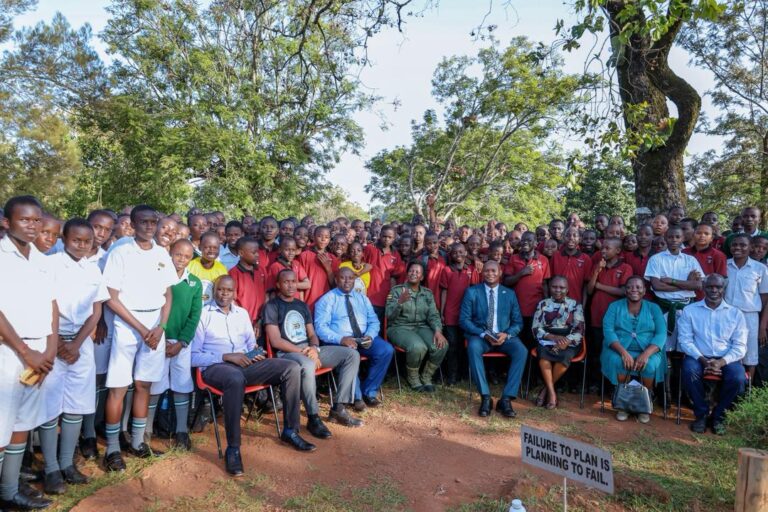
The Commissioner for the National Secretariat for Patriotism Corps (NSPC) at State House, Hellen Seku, has urged girls and boys in the Busoga region to respect their bodies and avoid behaviors that could expose them to HIV/AIDS.

While addressing students during a visit to Jinja Secondary School, Seku emphasized the importance of discipline, self-respect, and education as key tools in protecting young people from risky lifestyles.

Quoting the Bible from Book of Hosea Chapter 4:6, she reminded students that lack of knowledge can destroy communities. She encouraged them to develop a strong reading culture and focus on their studies if they want to succeed in life.

“If you don’t research and you don’t read, you will always be the last, while those who read and research will always shine,” Seku told the students, urging candidates in Senior Four and Senior Six to aim for excellent results.

During the visit, the headmaster of the school, Balimusangayo Isaac, informed the commissioner that the institution is struggling with very old buildings and structures that require urgent renovation.

He appealed to government authorities to support the school in rehabilitating the aging facilities to provide a better learning environment for students.

In response, Commissioner Seku promised immediate attention to the renovation of the existing structures and pledged support for the construction of new facilities. She also assured the school administration that efforts would be made to provide a school bus to help students with transportation.

Seku also used the opportunity to encourage students, especially girls, to remain focused on their education and avoid peer pressure. She advised them to protect their health and make wise life choices until the right time and circumstances for relationships.

The commissioner further emphasized the importance of environmental cleanliness in schools, urging students to keep classrooms, toilets, and bathrooms clean, avoid littering, and plant more trees.

She commended the leadership of the school for maintaining a clean environment and encouraged students to build a culture of discipline and responsibility.

Seku also paid tribute to teachers for their dedication to shaping the future of the country, describing them as among the most patriotic citizens because of the sacrifices they make to educate young people despite limited resources.

“A teacher made me who I am today,” she said, calling on students to appreciate their teachers and work hard to achieve their dreams.

Commissioner Seku is currently conducting a seven-day monitoring and evaluation tour of schools and institutions across 10 districts in the Busoga sub-region to promote patriotism, education, and youth empowerment.

PLANTING SEASON: Busoga Consortium launches school garden programme in Busoga model villages

0

The Director General of the Busoga Consortium for Development (BCD), Mula Anthony, has officially flagged off the BCD–CAU School Garden Programme for primary schools in the Busoga Model Villages.

The launch took place at Buteme Light SDA Primary School in Busana Model Village, located in Kamuli District.

Dr. Mula was accompanied by the district chairperson, Sarah Sambya, agricultural officers and members of the village action committee. The delegation was received by the school’s head teacher, Makubo Stephen.

As part of the visit, the delegation inspected the ongoing construction of a modern kitchen facility at the school, which is now about 90 percent complete. The facility is expected to support the planned launch of a soya milk school feeding programme for model schools under the Village Action Model next month.

During the event, Dr. Mula officially launched the school garden planting season and handed over seeds and farm inputs to support the initiative. The school received 30 kilograms of soybean seeds of the MAK SOY N6 variety and 18 kilograms of maize seeds of the Long 10H variety, along with fertilizers to boost production.

The inputs were received by head teacher Makubo, marking the revival of practical agricultural activities in schools aimed at improving nutrition among pupils and enhancing academic performance at the primary level.

Officials said the school garden programme will help integrate agriculture into learning while also supporting school feeding initiatives in the Busoga Model Villages, an approach intended to improve child nutrition and strengthen community-based development in the region.

NOT SAFE IN MY COUNTRY: Former presidential candidate Bobi Wine flees Uganda to exile after weeks in hiding amid security and military crackdown

0

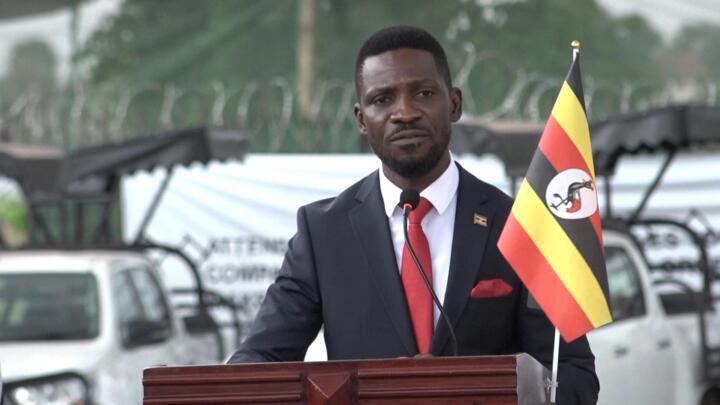
Opposition leader Robert Kyagulanyi Ssentamu, also known as Bobi Wine, has announced that he has fled Uganda after spending nearly two months in hiding, claiming security forces had been searching for him following the country’s recent disputed president elections in January. 

In a message addressed to Ugandans and friends of Uganda, the National Unity Platform leader said he had been forced to evade security forces after they allegedly attempted to arrest or harm him shortly after January poll in which the electoral commission declared President Yoweri Museveni winner.

Kyagulanyi claimed the military raided his home a day after the announcement of the election results, prompting him to go into hiding with the help of supporters. “A day later, gripped by shame and fear, the military invaded my home to harm me, but I was able to evade them and go into hiding,” Kyagulanyi said in the statement.

Weeks of Searches and Security Operations

According to the opposition leader, security agencies spent weeks attempting to locate him, conducting operations that he said included roadblocks, vehicle checks and raids on the homes of political associates. Government previously officially denied these claims.

Kyagulanyi alleged that the homes of several colleagues and leaders linked to the opposition were searched while security forces also targeted officers who had been assigned to his campaign.

“They have raided the homes of many colleagues and fellow leaders, mounted roadblocks and spot checks of vehicles and motorcycles, arrested and dismissed the police officers assigned to my campaign,” he said.

He added that his rural home and residence in Kampala were placed under tight surveillance, but that supporters helped shield him from authorities. “Well, they couldn’t find me because the people of Uganda sheltered me and protected me,” Kyagulanyi said.

Engagement With International Allies

The opposition leader said his departure from the country is temporary and intended to allow him to engage with international partners and supporters of Uganda’s democratic movement.

“Today, I am announcing my brief exit from the country to handle important work,” he said. “Over the next few weeks, I will engage with our friends and allies all over the world before returning to Uganda to continue the push for freedom and democracy.”

Kyagulanyi urged his supporters to remain united during his absence and to continue advocating for political reforms in Uganda.

Political Tensions Remain High

Kyagulanyi has been one of the most prominent challengers to President Museveni, who has ruled Uganda since 1986. His political platform, the National Unity Platform, has attracted significant support among young voters and urban populations.

Uganda’s elections have often been followed by heightened political tensions, with opposition groups frequently raising concerns about the electoral environment and security operations targeting political activists.

Kyagulanyi’s latest announcement is likely to intensify debate over the country’s political climate and the future of opposition politics. Despite leaving the country temporarily, the opposition leader said his political mission remains unchanged.

“For now, let’s remain focused and united,” he said, pledging to return and continue what he described as the struggle for freedom and democratic change in Uganda.

POLICE APPEAL: Football legend and coach, Mike Mutebi, still missing after Catholic seminar at Kisubi Beach

0

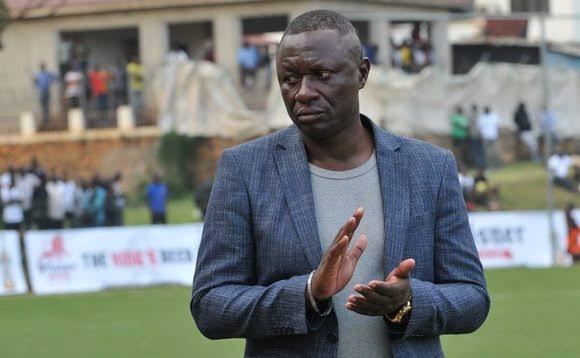
Police in Entebbe are investigating the disappearance of Mike Mutebi, a renowned football legend and coach, who went missing Saturday evening after attending a Catholic seminar at Kisubi Beach.

According to authorities at Entebbe Police Station, former Uganda Cranes coach Mutebi was last seen on the evening of March 7, 2026, at about 6:30pm as participants prepared to travel back to Kampala after the seminar.

However, when the group later arrived in Kawempe, Mutebi could not be accounted for, prompting concern among fellow participants and organizers.

Police say inquiries have since been launched to establish the circumstances surrounding the disappearance of the KCCA FC coach.

Authorities are now appealing to the public for any information that could help trace his whereabouts.

“Anyone with information about his whereabouts is urged to report to the nearest police station or contact Entebbe Police Station on 0775 318345 immediately,” police said in a statement.

Investigations into the matter are ongoing as security agencies continue efforts to locate the missing man.

TRAINED AND SKILLED: Journalists tipped on metrology and standards reporting to protect consumers

0

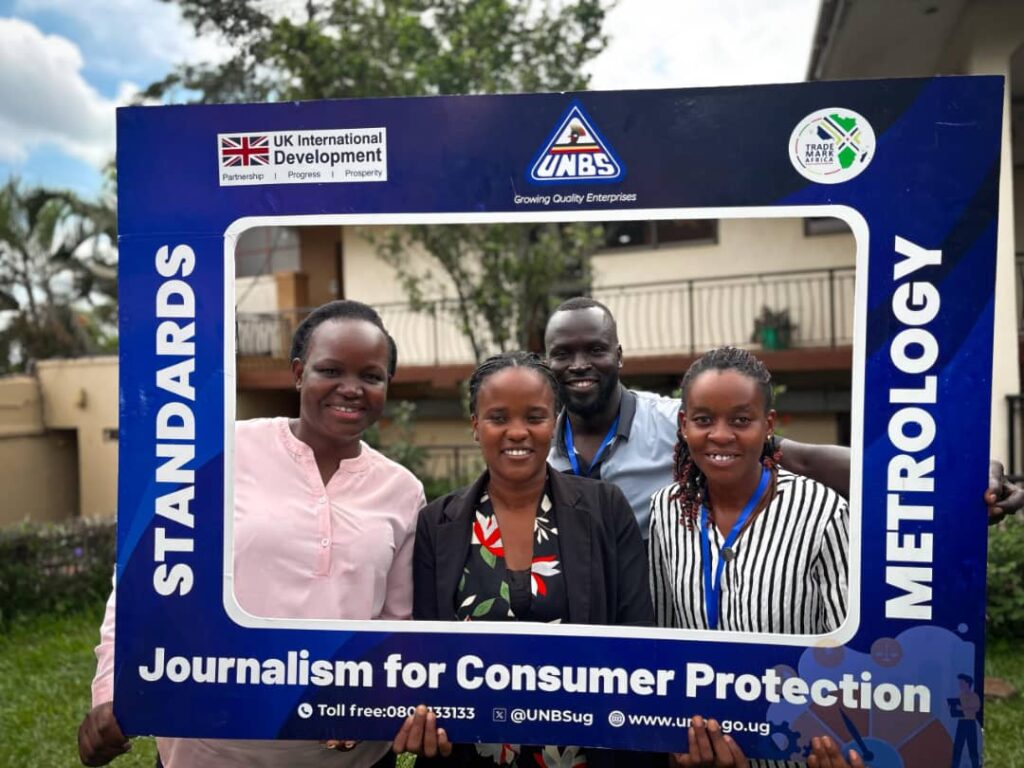
Journalists in Uganda have been urged to strengthen reporting on metrology and product standards to help protect consumers and support enforcement against substandard and counterfeit goods on the market.

The call was made during a three-day media training organized by the Uganda National Bureau of Standards (UNBS) at Hotel Paradise on the Nile. The workshop aimed to equip journalists with knowledge and skills to report effectively on measurement standards, product quality, and consumer protection.

Participants emphasized the need for journalists to develop investigative stories that inform the public while supporting regulatory agencies in enforcing standards.

Officials from the Uganda National Bureau of Standards noted that many products sold and consumed in Uganda are of poor quality or counterfeit, yet consumers continue to purchase them due to limited awareness or the lure of lower prices.

According to UNBS, some traders import substandard goods despite regulations, making it difficult for authorities to trace and eliminate such products from the market.

Speaking during the opening session, Daniel Arolwa, a UNBS official, urged journalists to play a proactive role in exposing unscrupulous business practices through responsible investigative reporting.

“Media practitioners should help identify and expose individuals dealing in substandard products so that the responsible authorities can take action for the good of the population,” Arolwa said. He, however, cautioned journalists to adhere to ethical and life-saving principles of reporting.

In Uganda, many consumers often rush to buy cheaper products without realizing that they may be of poor quality or counterfeit. UNBS warned that dealing in such products attracts legal penalties when offenders are apprehended.

UNBS also highlighted the importance of metrology, the science of measurement, in sectors such as agriculture where accurate weighing and testing are critical for trade and farmer incomes.

In a recent report released in Kampala, UNBS Director General Israel Ekwesigye said the country is making progress in ensuring agricultural products meet international standards.

The report focuses on measurement and testing of commodities such as coffee, tea and maize, which are key export crops.

“Accurate measurements are crucial in agriculture, from weighing produce to testing moisture levels,” said Ekwesigye. “Our report shows we are on the right track, but there is still work to be done to boost farmer incomes and increase exports.”

The report recommends strengthening metrology infrastructure and training more experts to support quality assurance in the agricultural sector.

As part of the training, journalists conducted field visits to assess compliance with standards and pricing practices in markets. At Jinja Central Market, butcher Ssekajja Muhammad told reporters that traders use verified weighing scales to ensure customers are not cheated.

UNBS said it is working with development partners such as TradeMark Africa and UK Aid to support media engagement and community outreach on standards and metrology issues.

The initiative is expected to enhance public awareness and strengthen collaboration between regulators, journalists and consumers in safeguarding product quality across Uganda.

BEYOND WINNING AND LOSING: While election outcomes often dominate public attention, the deeper lessons lie in the grassroots campaign experiences  

0

By Hagreaves Nsera

Recent reflections by four former district council candidates offered a rare and valuable window into the realities of grassroots elections in Uganda. While election outcomes often dominate public attention, the deeper lessons lie in the campaign experiences themselves – how candidates engage communities, the challenges they face, and what these encounters reveal about local democracy.

District councils play a critical role in local governance. They influence service delivery, planning, accountability, and the everyday interaction between citizens and the state. Yet discussions about elections at this level are often reduced to winners and losers, leaving little space to examine what the process teaches us about leadership, trust, and participation.

During a discussion dialogue organised by Engagement Forum for Transformation (EFT), a local political movement, one clear theme from the discussion was the enduring importance of grassroots engagement. Candidates agreed that direct, personal interaction remains the most effective way to build credibility.

Door-to-door conversations, community meetings, and listening sessions were consistently more impactful than posters or slogans. Voters responded positively when candidates took time to understand local concerns rather than simply presenting promises. “We organised several meetings in each village of Nsinze, and we moved door to door listening to and engaging the citizens on what pains them,” said Mr. Wandera Ronald, 26 years old, who contested and won the position of district councillor for Nsinze subcounty, Namutumba district.

However, these engagements also exposed the pressures shaping local politics. Many voters expressed expectations that went beyond policy positions, including immediate material assistance. While such expectations are understandable given economic realities, they raise broader questions about how citizens and leaders perceive political representation.

The discussion highlighted the need for sustained civic education so that elections are seen as a choice of leadership and ideas, not a transactional exchange. “People don’t wait or even want you to say anything about what you are going to do; they just demand money. Abantu bakukoba okunkumuse kumiyembe – figuratively translating to ‘give them money’. Ms. Baazale Marion Victo, 23 years old, who contested and won the position of woman district councillor for Nambale and Kidago sub-counties in Iganga District, said.

Another major issue was the challenge faced by new and non-incumbent candidates – limited resources. Politics is so transactional, and people expect to be given money anyhow. When you decide to contest, voters can ask you for money anywhere at any time, and they expect you to give it to them; otherwise, you will be damaging your chances of being voted in.

Victo added that she faced sexual harassment approaches in pursuit of resources. “You go to a respectable man in the village to propose the idea and ask for financial support. He says, ‘Come to this hotel at 10pm, and I will give you the money.’ Others would be point blank and ask you for sex as a way of paying back. This affected me psychologically because it was more from older men.” This challenge blocks many young ladies who have ideas and zeal to serve their community from contesting.

The candidates also reflected on the influence of incumbency. Established leaders often benefit from name recognition and existing networks, which can shape voter perceptions long before campaigns officially begin. This reality underscores the importance of internal party democracy and transparent candidate selection processes, which can help level the playing field and encourage competition based on ideas and performance. “Political parties are a very big factor because of the ordinary ground network which forms the starting votes,” said Mr. Baiswike Mwesigwa Grace, who contested for district councillor of Butansi subcounty, Kamuli district.

The election day itself was described as both intense and instructive. Regardless of outcomes, the process tested patience, discipline, and respect for institutions. Accepting results peacefully and constructively was seen as a measure of leadership maturity. The discussion emphasised that democratic culture is strengthened not only by competitive elections but also by how candidates and supporters respond to results.

Perhaps the most significant insights emerged from reflections on loss. None of the candidates framed their experience as wasted effort. Instead, they spoke of personal growth, expanded networks, and a deeper understanding of community needs. Campaigns, even unsuccessful ones, were described as platforms for learning and long-term engagement rather than one-time events.

These experiences carry important lessons for several stakeholders. For aspiring leaders, the message is clear: early preparation, community service, and integrity matter. Politics at the local level rewards consistency and presence over time. For political parties, there is a need to invest more in candidate training, grassroots structures, and issue-based messaging rather than relying solely on popularity or last-minute mobilisation.

For voters, the reflections invite a broader conversation about expectations and participation. Democracy functions best when citizens evaluate candidates on vision, character, and commitment to service. Strengthening this culture requires continuous civic education, not only during election periods.

Electoral institutions and civil society also have a role to play. Supporting peaceful campaigns, fair competition, and voter awareness contributes to healthier local governance. When elections are seen as learning processes rather than zero-sum contests, public trust in democratic institutions is strengthened.

Ultimately, the reflections from these grassroots campaigns point to a simple but powerful truth: democracy is built not only by those who win office but also by those who step forward to contest, engage, and learn. Their experiences enrich public understanding and help shape better leadership in the future.

As the country continues to reflect on governance and participation, such conversations deserve wider attention. They remind us that leadership begins long before Election Day and continues long after results are announced. In that sense, the true measure of a campaign is not only the vote count but also the contribution it makes to civic life. 

The author is a former district councilor candidate for Northern Division in Kamuli district and a civic leadership advocate. He is the Secretary General of the Engagement Forum for Transformation (EFT).