


For many rural communities in Uganda, access to electricity remains an important factor in determining how households live, businesses operate and essential public services are delivered.
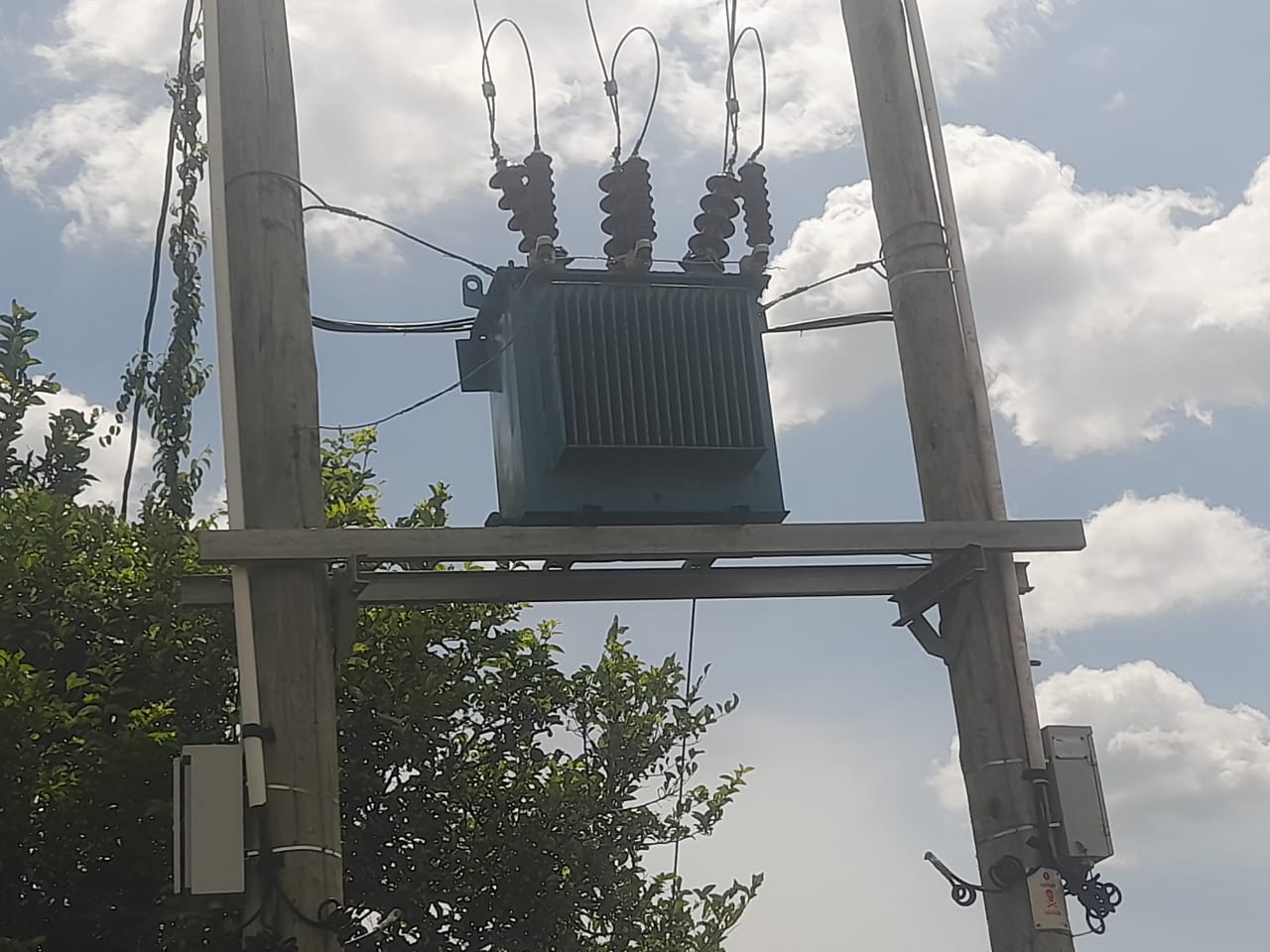
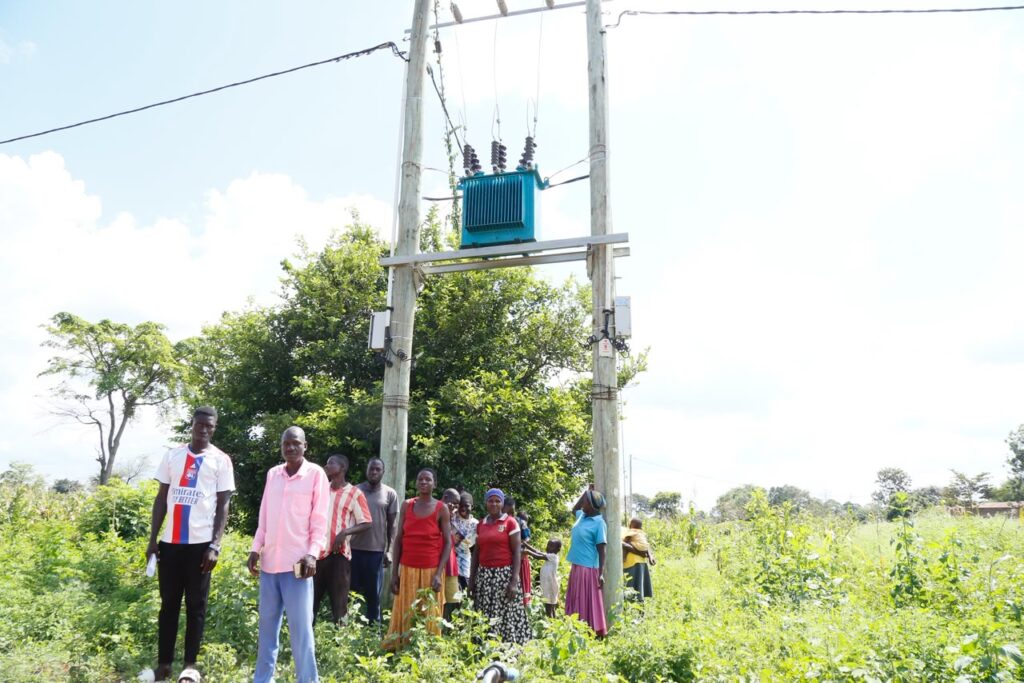
In Buyende District, residents of Irundu Sub-county have recently received a reprieve following the installation of a new electricity transformer in Bukutala Village by the Uganda Electricity Distribution Company Limited (UEDCL).
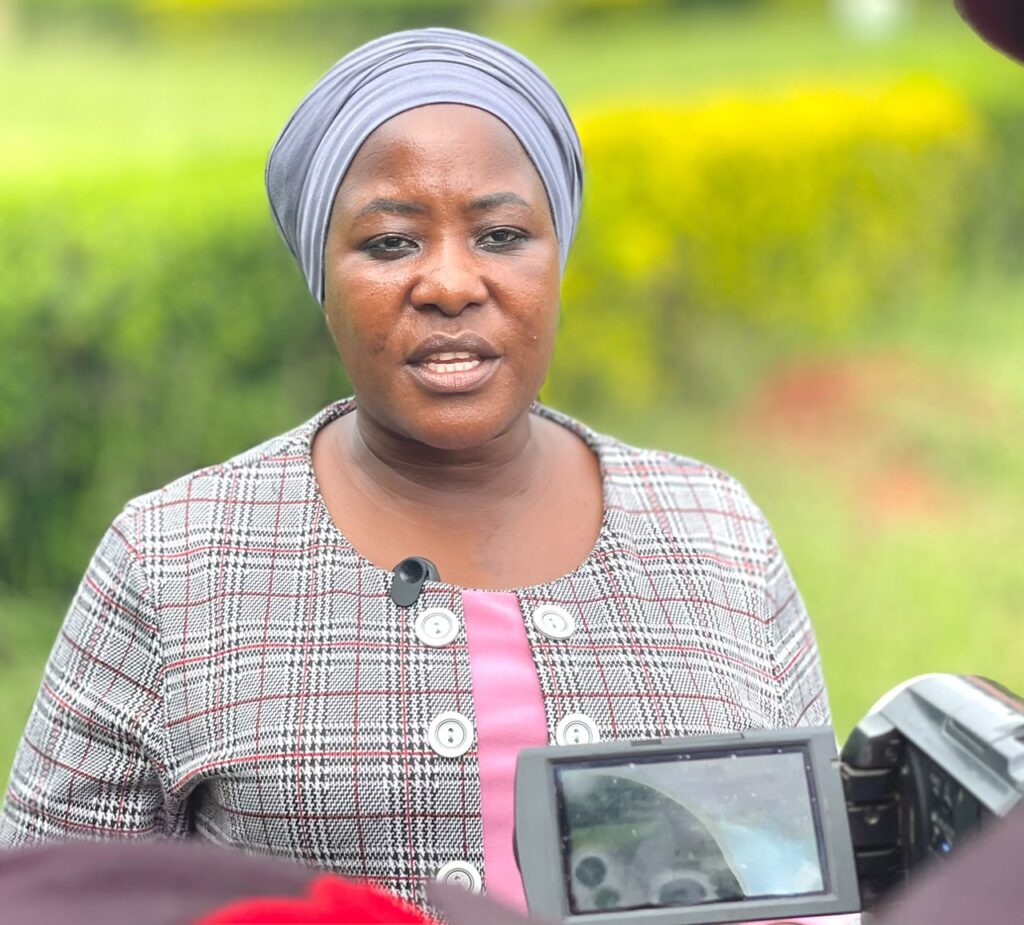
The installation on November 15, 2026, followed concerns raised by Buyende District Woman Member of Parliament Sarah Namulondo, who brought the community’s electricity challenges to Parliament.
The intervention has restored hope among residents who had endured an unreliable electricity supply after the previous transformer malfunctioned and was removed.
But beyond the replacement of one transformer lies a bigger question: Why does reliable electricity matter so much for rural communities, and what difference can it make to local economic development?
Electricity as a driver of rural economic transformation
Electricity is increasingly becoming a necessity for rural economic development rather than simply a household convenience.
For small businesses, reliable power reduces dependence on costly alternatives such as generators and allows entrepreneurs to operate more efficiently.
In trading centres such as those served by Irundu Sub-county, electricity can support retail shops, welding workshops, salons, milling businesses, refrigeration services and other small enterprises.
For businesses dealing in perishable goods, reliable electricity is particularly important because it enables refrigeration and reduces losses associated with food spoilage.
Stable power supply also creates opportunities for entrepreneurs to introduce new services, expand their operations and generate employment.
Improving healthcare delivery
Reliable electricity is equally important in strengthening rural healthcare services.
Health facilities depend on electricity to operate essential equipment, provide lighting during night-time emergencies, refrigerate vaccines and store medicines that require controlled temperatures.
Power interruptions can disrupt these services and complicate the work of health workers, particularly in facilities serving communities far from major towns.
A stable electricity connection therefore contributes to better working conditions for health workers and more reliable healthcare services for rural populations.
Supporting education and digital access
Schools are another important beneficiary of improved electricity infrastructure.
Access to electricity enables schools to use computers, printers and other learning equipment, while providing opportunities for students and teachers to access digital learning resources.
It also improves the possibility of extending study hours through proper lighting, particularly for learners who may not have adequate lighting at home.
As Uganda increasingly embraces digital education and technology-driven learning, reliable electricity becomes an important foundation for reducing the digital divide between rural and urban schools.
Reducing household energy challenges
At household level, electricity improves lighting, security and access to communication and information.
Families can use electrical appliances to undertake domestic activities more efficiently, while children gain better opportunities to study after sunset.
Reliable power also supports access to radio, television and internet-enabled devices, connecting rural households to information, education and economic opportunities.
Why electricity reliability matters
While extending electricity connections to underserved communities is important, maintaining reliable supply is equally critical.
A community may be connected to the national electricity grid but still struggle to benefit fully if transformers frequently malfunction, infrastructure is inadequate or power interruptions are persistent.
The experience in Irundu illustrates how the failure of a single transformer can affect an entire community, disrupting household activities, business operations and essential services.
Replacing faulty equipment is therefore an important part of ensuring that rural electrification translates into meaningful benefits.
The role of representation and public accountability
The installation of the new transformer in Buyende also highlights the role elected leaders can play in bringing local service delivery challenges to national attention.
Namulondo’s intervention in Parliament placed the electricity challenges facing Irundu residents before government and the responsible authorities.
Her appeal emphasised that electricity access should be treated as a basic requirement for social and economic development, particularly in communities that remain underserved.
The subsequent installation by UEDCL demonstrates the importance of communication between communities, their elected representatives and public institutions responsible for delivering essential services.
Beyond the transformer
For Irundu residents, the new transformer represents more than replacement electricity infrastructure. It is an opportunity to strengthen local businesses, improve public services and support household welfare.
However, the long-term benefits will depend on the reliability of the electricity supply, proper maintenance of distribution infrastructure and continued investment in extending access to underserved areas.
The challenge now is to ensure that the restored power supply translates into tangible improvements in people’s lives.
Ultimately, rural electrification should not be measured only by the number of transformers installed or households connected but also by the economic opportunities created, the quality of public services improved and the livelihoods transformed.